





 Portuguese
  English
  Spanish
 5 min of reading
  0 comments


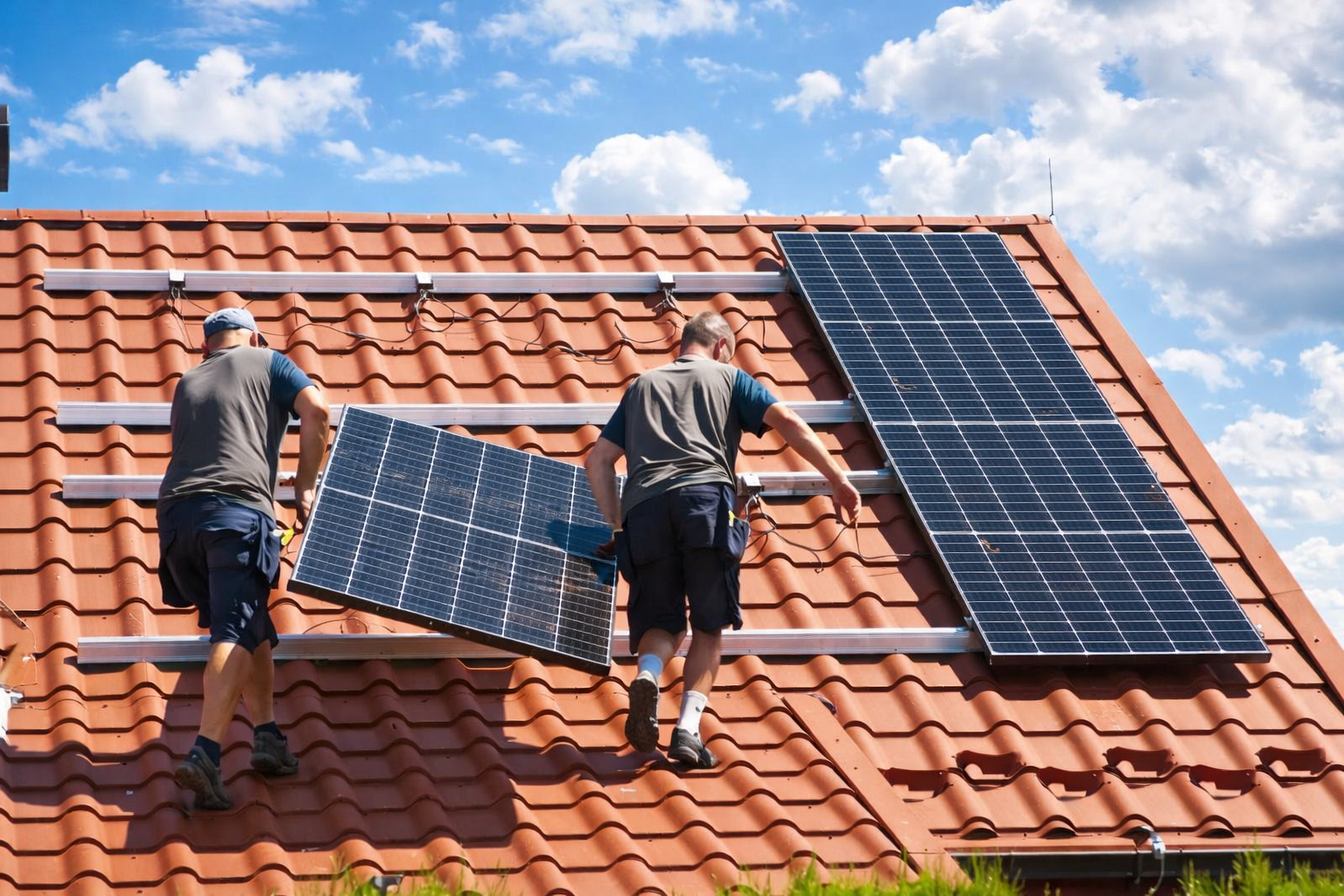
Sign Up For The Solar Energy Training In Hortolandia And Learn To Install Photovoltaic Systems For Free, Guaranteeing Technical Knowledge And Opportunities In The Sustainable Market.
The solar energy has solidified as one of the most promising and sustainable energy sources of the 21st century. With technological advancements and growing environmental concerns, homes, businesses, and public institutions are increasingly adopting photovoltaic systems. Therefore, training initiatives in solar energy are becoming important to prepare professionals capable of meeting the demand of a constantly expanding sector.
Recently, the Hortolandia City Hall opened 25 spots for a free solar energy system installation course. The training, aimed at adults 18 years and older, offers an opportunity for entry into the sustainable job market, which combines technical knowledge, energy efficiency, and environmental responsibility. Moreover, participants can qualify to work on residential, commercial, and institutional projects.
The Importance Of Solar Energy Training
Training in solar energy is not limited to technical learning; it represents a crucial step to transform the energy sector in Brazil. Historically, the country relied heavily on fossil sources, such as oil, to meet its energy demand. However, with the evolution of public policies and the need to reduce greenhouse gas emissions, solar energy has taken on a strategic role in sustainable development.
-
Seagri’s headquarters invests in solar energy with Neoenergia Coelba and promises to cut electricity costs, highlighting a strategic advance in sustainability and energy efficiency within state public administration.
-
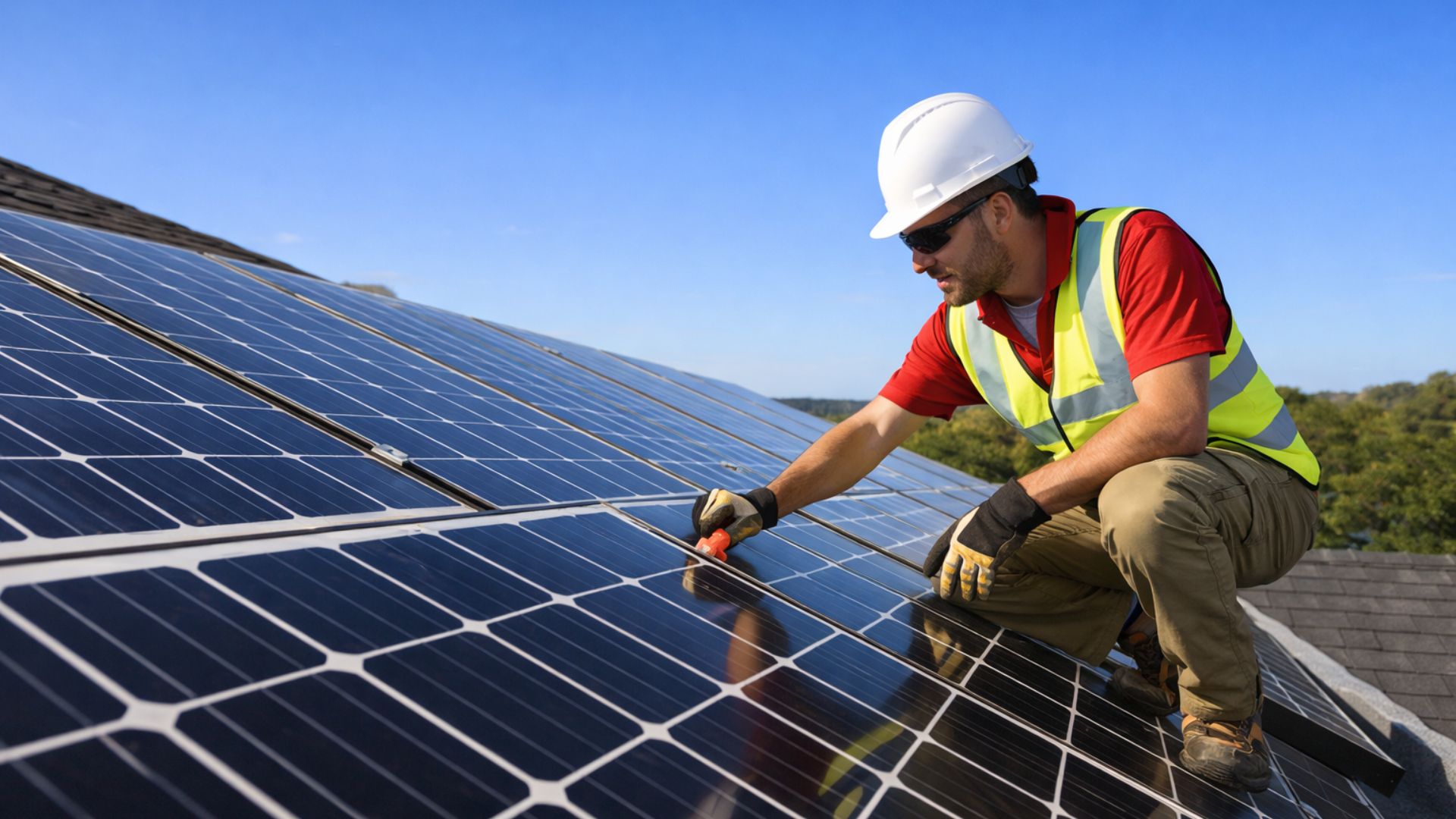
Solar Pyramid draws attention by converting solar energy into million-dollar savings and repositioning the City Hall of Curitiba as an example of innovation, sustainability, and intelligent use of public resources.
-
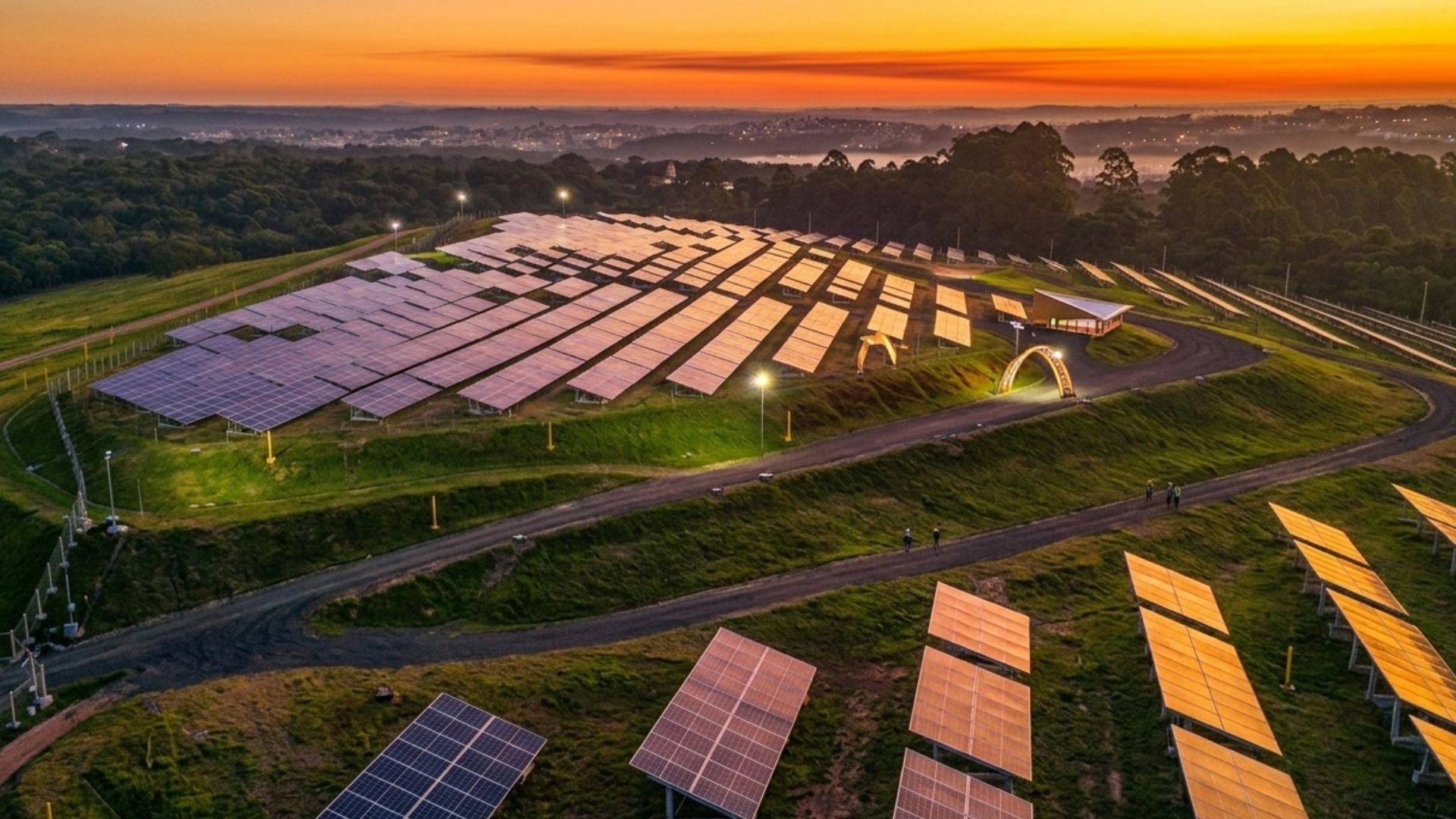
Europe records strong euro economy with solar energy in March and sparks curiosity about which country leads growth that redefines the energy market and reduces costs.
-
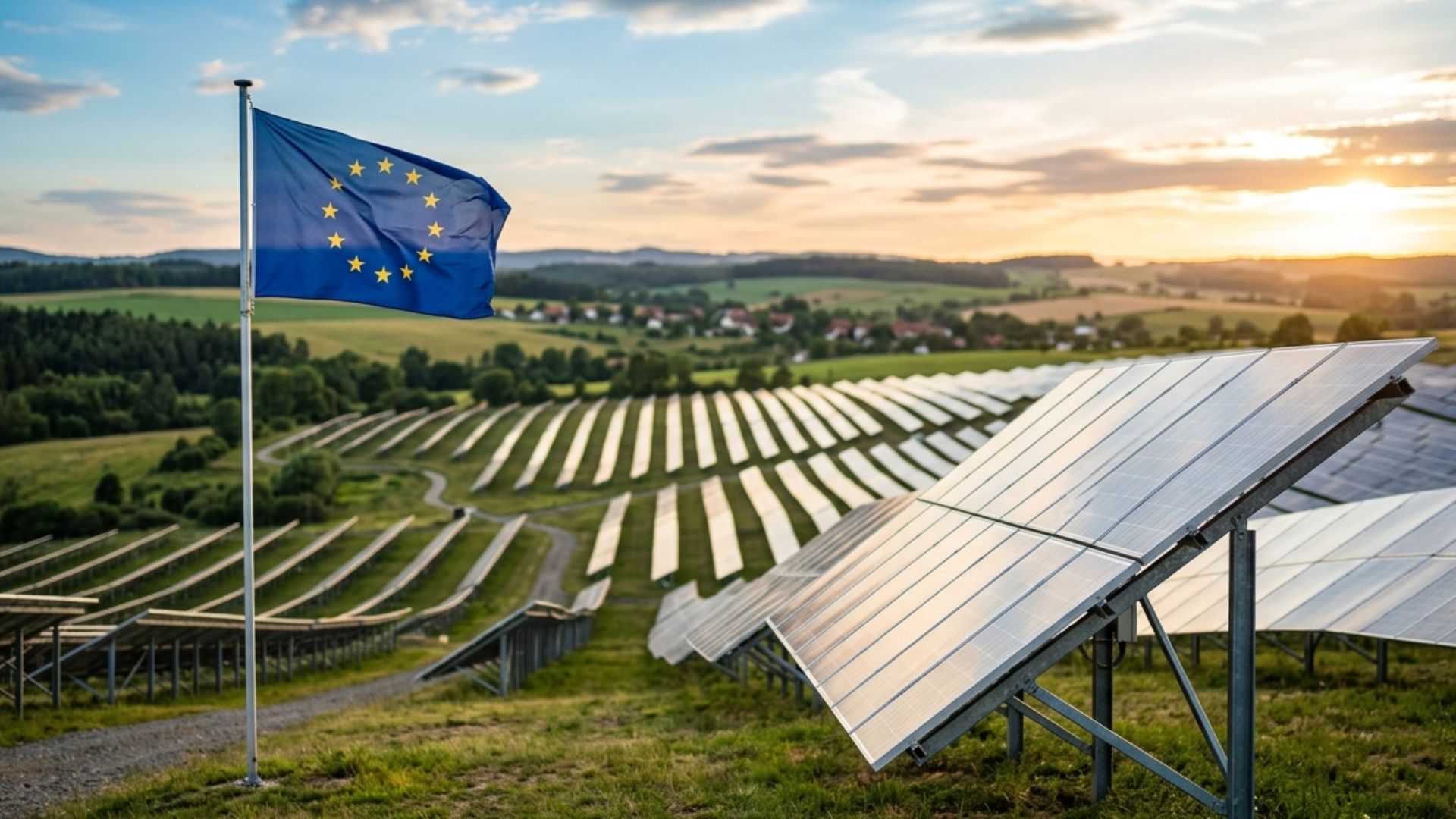
Piauí reaches a historic milestone in energy transition: State records nearly 160,000 households powered by solar energy and leads growth in the Northeast.
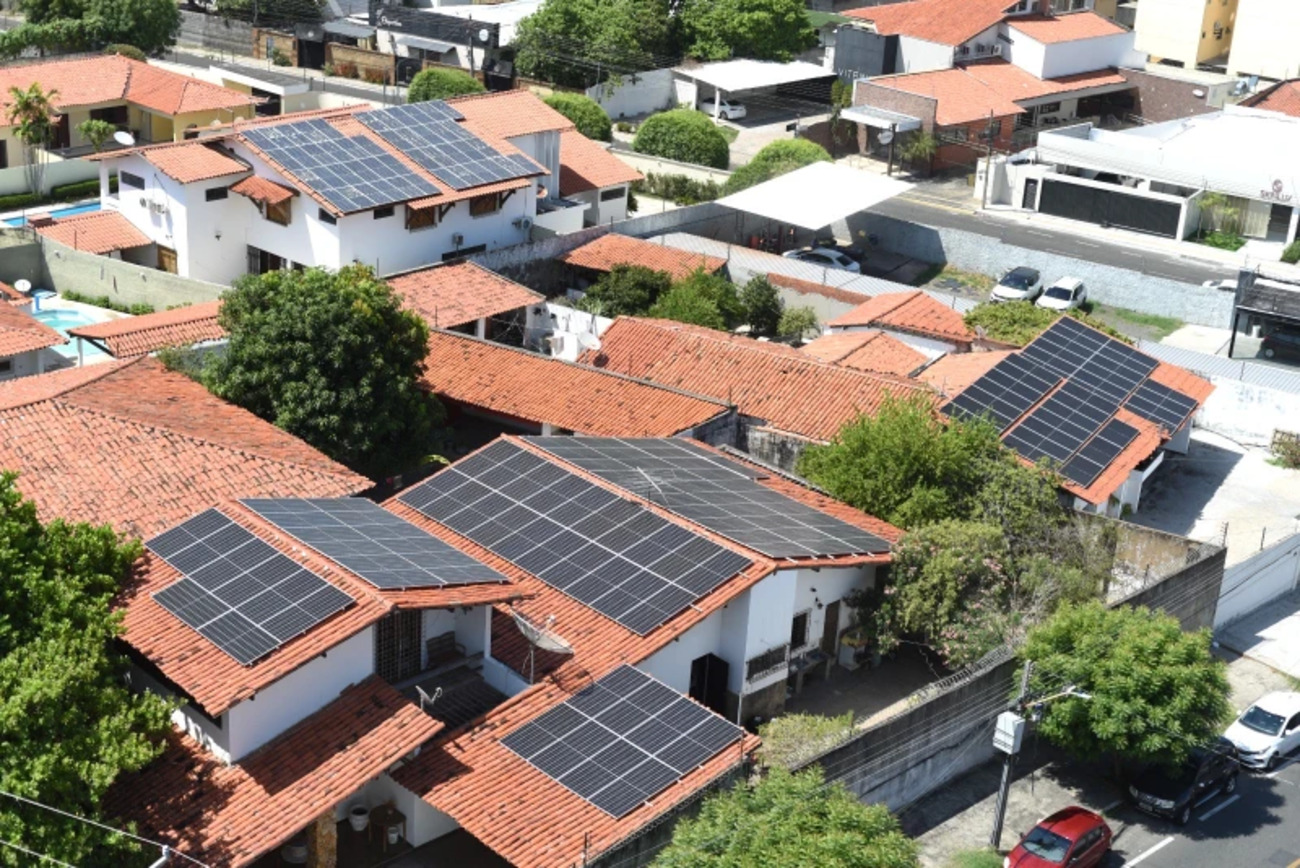

Qualified professionals ensure that photovoltaic systems operate efficiently, safely, and in compliance with technical standards. In addition, proper training expands the solar industry, stimulates green jobs, and strengthens the local economy. Therefore, investing in training means investing in the quality and reliability of clean energy, benefiting consumers and the environment.
In recent years, the solar energy market in Brazil has grown rapidly, driven by incentive policies, falling equipment costs, and greater environmental awareness. Consequently, the demand for qualified professionals has increased proportionally, making solar energy training not just a competitive advantage but a strategic necessity for those looking to work in this sector.
Details Of The Course Offered In Hortolandia
The course on Installation of Systems for Grid-Connected Photovoltaic Microgeneration, offered free of charge in Hortolandia, consists of 60 class hours and takes place in partnership with SENAI and the Social Solidarity Fund. Classes will occur from February 4 to March 26, every Tuesday and Thursday, from 1 PM to 4:30 PM, at the Church of Jesus Christ of Latter-day Saints, located in the Remanso Campineiro neighborhood.
During the course, participants will learn to install and maintain grid-connected and off-grid photovoltaic systems, adhere to safety and quality technical standards, plan projects, utilize tools and instruments, and apply environmental procedures. This content thus prepares professionals to operate in the renewable energy sector in a qualified and safe manner.
In addition to technical skills, the course teaches students to manage clients, interpret projects, and develop efficient solutions, allowing for a more comprehensive integration into the market. Thus, the solar energy training goes beyond practical learning and shapes professionals who understand the entire cycle of implementing photovoltaic systems.
Solar Energy In Brazil: A Historical Overview
Brazil has great potential to generate solar energy due to its geographical location, which guarantees high levels of solar radiation throughout the year. Although the country began to explore this energy source more intensively in recent decades, incentive policies emerged as early as the 2000s.
Fiscal incentive programs, special credit lines, and distributed microgeneration policies have popularized solar energy in homes and businesses. Similarly, the expansion of photovoltaic systems integrates into the Energy Efficiency Program and other sustainability initiatives, both at the federal and municipal levels. Thus, adopting solar energy training ensures that these policies achieve their goals, providing qualified labor and promoting proper environmental practices.
Benefits Of Investing In Professional Training
Investing in courses like the one offered in Hortolandia provides more than technical learning. Professional training in solar energy opens doors to different job opportunities, ranging from installation and maintenance of systems to planning and consulting in energy efficiency.
Furthermore, well-trained professionals mitigate electrical risks, energy waste, and financial losses. Therefore, solar energy training serves as a competitive advantage, allowing professionals to deliver quality services and increase the credibility of the solar industry.
The knowledge gained enables professionals to develop innovative projects, such as off-grid solutions for isolated communities, integration of solar systems with batteries, and home automation, further broadening the impact of clean energy in people’s daily lives. Consequently, the sector strengthens with innovation and sustainability.
Solar Energy And Sustainability
Solar energy is one of the cleanest and most sustainable alternatives for generating electricity. Unlike fossil sources, it does not emit pollutants and has minimal environmental impact, especially when used in residential and commercial microgeneration systems.
Cities like Hortolandia encourage the installation of solar panels on public and private buildings. Contributing to reducing the carbon footprint and increasing energy efficiency. Thus, the programs reinforce the importance of professional training, ensuring that projects are executed responsibly and sustainably.
Additionally, trained professionals guide consumers on best practices, preventive maintenance, and maximizing solar energy use. Enhancing the environmental and economic benefits of clean energy. Therefore, the positive effects multiply throughout the community.
How To Participate In The Course In Hortolandia
To enroll in the solar energy training course in Hortolandia, interested individuals must be at least 18 years old. With only 25 spots available, candidates should register quickly to ensure participation.
The course offers the chance to learn essential technical skills and to enter a sector with great growth potential. Graduates can work in homes, businesses, industries, and public agencies, directly contributing to the country’s energy transition. Moreover, the experience gained increases the chances of professional success and involvement in innovative projects.
The Importance Of Technical Knowledge In The Renewable Energy Era
As the world adopts cleaner energy sources, the need for qualified solar energy professionals increases. Technical knowledge, practical skills, and understanding of safety standards ensure that systems function efficiently and durably.
The Hortolandia course combines theoretical and practical learning, preparing participants to face market challenges with safety and professionalism. At the same time, it reinforces public policies that encourage the formation of qualified labor and promote sustainability at the local and national levels.
With the expansion of solar energy, training becomes not just an advantage but an essential requirement for those who wish to stand out and operate safely and innovatively in the sector.
The initiative in Hortolandia to offer a free solar energy training course demonstrates the city’s commitment to sustainable development, professional qualification, and the creation of green jobs. Thus, the course prepares professionals to operate in a promising market and contributes to the expansion of clean energy in Brazil, strengthening the economy and the environment.
For those looking to enter the renewable energy sector, this is a unique opportunity to gain technical knowledge, develop practical skills, and position oneself competitively in a growing market. Therefore, adequate training ensures efficiency, safety, and active participation in building a more sustainable energy future.







-

3 pessoas reagiram a isso.