





 Portuguese
  English
  Spanish
  4 min of reading
  0 comments



China Builds Maritime Structures in the Yellow Sea, South Korea Responds with Protests and Tension Rises Involving Strategic Resources and American Military Presence
The conflict took shape in April and May 2024. The South Korea spotted a series of floating structures in its maritime border with China in the Yellow Sea. Beijing tried to calm its neighbor, saying the objects were for fishing purposes.
However, it soon became clear that the situation could have much larger implications. New structures emerged and reignited tensions in Seoul.
A New Disputed Zone
Several weeks ago, China began constructing maritime infrastructure in the Yellow Sea. This is a crucial region between the Chinese coast and the Korean Peninsula.
-
USA and China compete for Brazil over resources that could be worth trillions — rare earths put the country at the center of a global dispute

-
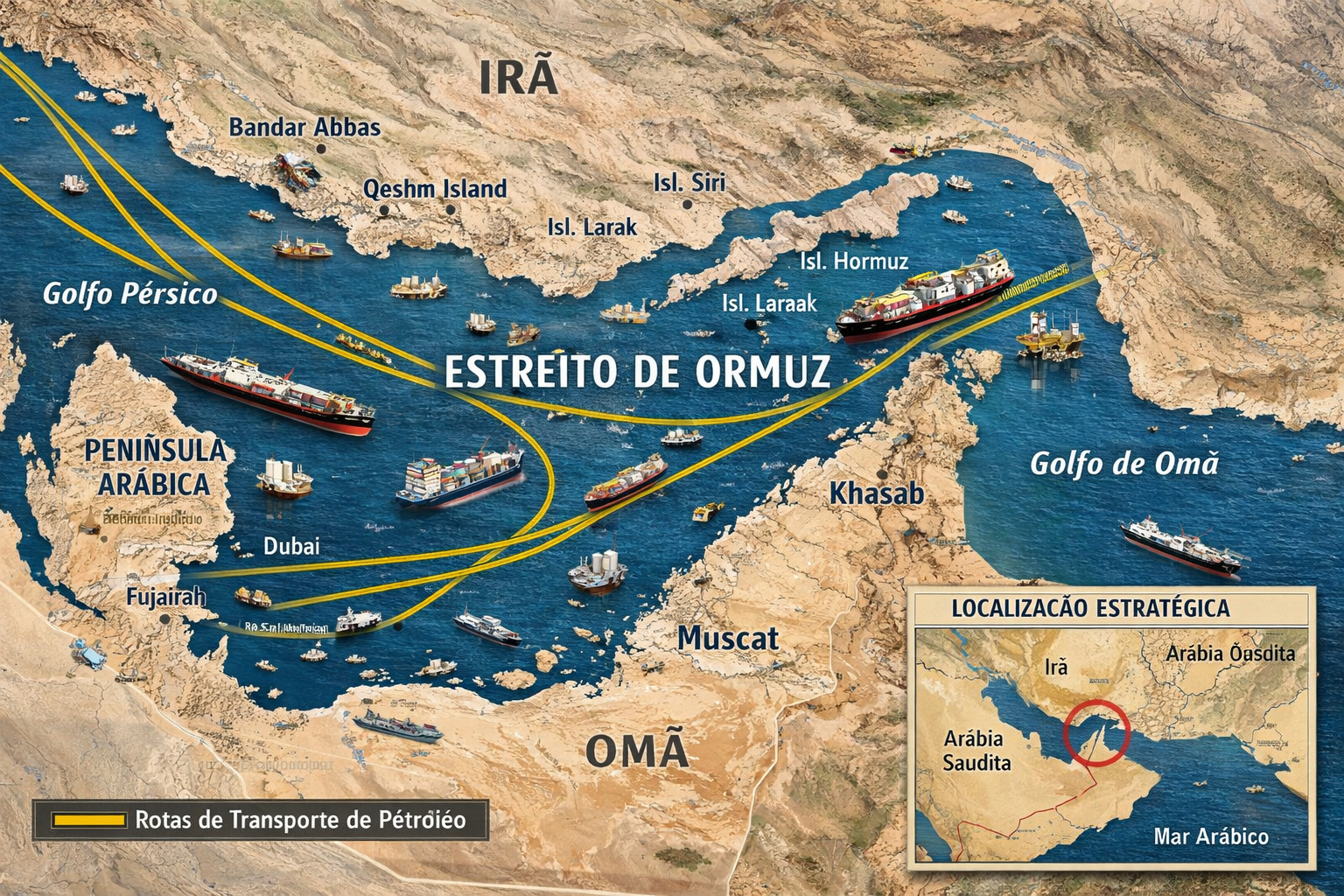
Global summit with over 40 countries pressures Iran for a blockade in the Strait of Hormuz and warns of direct impact on oil, food, and the global economy.
-
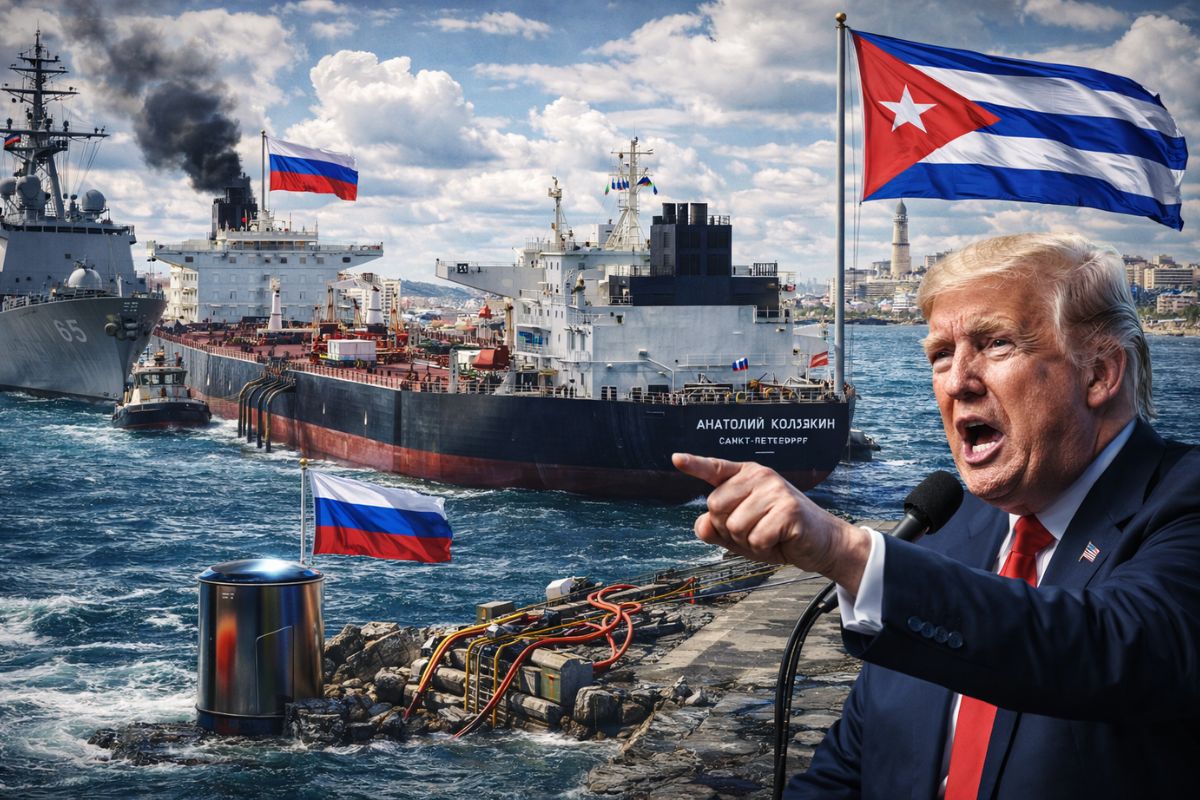
Russia has broken the U.S. maritime blockade to send oil to Cuba and is now loading a second ship while Trump says that “Cuba is next” in a possible military action against the island.
-
Spain challenges the USA and closes its airspace for operations against Iran, raising global tension and provoking the threat of a trade rupture.


The facilities, composed of floating steel structures over 50 meters in height and width, were detected by South Korean satellites.
Therefore, concerns grew that China is employing the tactic of consolidating territorial claims through permanent constructions.
The Yellow Sea covers an area of 417,000 square kilometers and is rich in marine resources, oil, and gas. Additionally, it is a point of economic and geopolitical interest for both countries.
Since 2024, South Korea has protested against the facilities, claiming they may be part of a larger Chinese plan to exert sovereignty.
South Korean authorities believe that Beijing may build up to 12 of these structures. This would turn the area into a new flashpoint in the already delicate bilateral relations.
Known Strategy
The construction of permanent structures to assert sovereignty is not new in Chinese policy. Beijing applied the same tactic in the South China Sea.
There, reefs were transformed into military bases, and China claimed jurisdiction over disputed waters with the Philippines, Vietnam, Malaysia, and other countries.
This strategy now seems to be expanding to the Yellow Sea. And this time, the implications are direct for South Korea and its allies, especially the United States.
What China Says About the Structures
Chinese authorities attempted to downplay the controversy. They describe the facilities as mere “fishing support infrastructure.”
Nevertheless, the South Korean security community fears another scenario. For them, these are forward bases for a future Chinese claim of sovereignty.
According to Sang Hun Seok, a former South Korean diplomat and security analyst, “these facilities function as the maritime equivalent of boots on the ground, establishing a physical presence that China will later use to consolidate its claims.”
The Zone of Provisional Measures
The Yellow Sea has historically been disputed by China and South Korea. In 2001, both countries created what is called the Provisional Measures Zone (PMZ).
The goal was to manage overlapping Exclusive Economic Zones (EEZ) and avoid confrontations.
In this pact, each country retains fishing rights but is prohibited from building infrastructure or exploiting resources beyond fishing without the other’s agreement.
Despite this, South Korea has complained for years that China ignores these restrictions. Chinese fishing boats operate illegally in South Korean EEZ waters.
On several occasions, there have been violent confrontations, with maritime patrols firing at vessels.
Therefore, the construction of permanent structures represents a new level of provocation. This creates a dangerous precedent, capable of undermining South Korea’s position in defending its maritime rights.
The Presence of the United States
The mutual defense pact between South Korea and the United States expands the dimension of the dispute. Currently, 28,000 American soldiers are stationed in South Korean territory.
Any Chinese movement that alters the strategic balance in the region could draw Washington’s attention.
So far, the United States has taken a stance of containment against China’s expansion in the Indo-Pacific, particularly in the South China Sea and the Taiwan Strait. However, the Yellow Sea may become a new piece on the chessboard.
Dispute with Historical Roots in the Yellow Sea
For China, control of the Yellow Sea holds strategic and symbolic significance. The explanation lies in history.
In the past 200 years, the major battles that marked the country’s trajectory occurred in this region, from the Opium Wars to the Sino-Japanese War.
From this perspective, Beijing’s official narrative considers these episodes as humiliations imposed by foreign powers.
Recovering absolute control over its coasts is treated as part of restoring a “historical right.”
Conflicting Arguments
The Chinese argument to reject equitable division of the EEZ is based on its larger population and coastline. Beijing believes that the dividing line should favor it.
In contrast, South Korea, supported by its allies, advocates for the principle of the “midpoint.” This rule stipulates that the maritime boundary should be drawn equidistantly between the two countries.
Therefore, there is a dispute over how to interpret and apply international law in the Yellow Sea.
The Future of the Dispute
So far, the situation has not reached the severity of conflicts in the South China Sea or the East China Sea. In those locations, China maintains constant confrontations with the Philippines and Japan.
Nonetheless, analysts warn that tensions could escalate quickly. All it takes is for Beijing to continue expanding its presence in the region.
South Korea could respond with support from the United States. And if that happens, the Yellow Sea may become a new point of tension in the Indo-Pacific.
The big unknown at this moment is how far South Korea will allow Chinese tactics to advance. This answer could define the course of the dispute in the coming months.
With information from Xataka.







-

Uma pessoa reagiu a isso.