





 Portuguese
  English
  Spanish
  4 min of reading
  0 comments


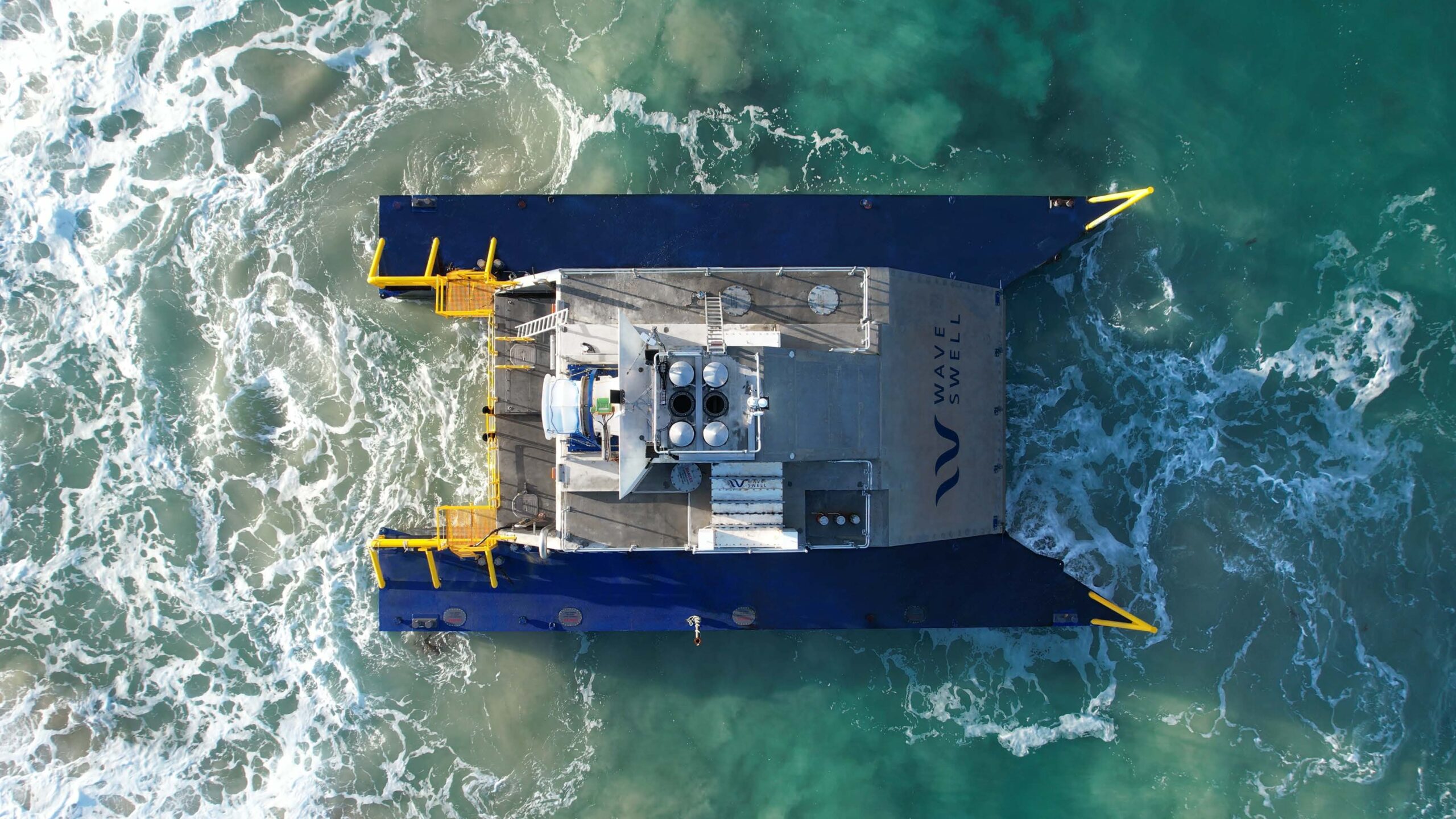
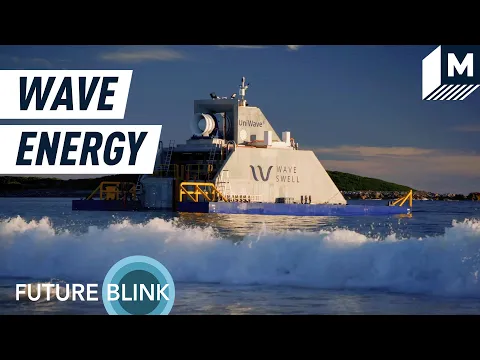
Spain Uses Compressed Air Chambers to Convert Waves into Electricity at the Port of Mutriku, Generating Continuous Energy with OWC Technology.
When we think of renewable energy in Spain, solar panels and wind turbines in the arid fields of Castilla-La Mancha usually come to mind. What almost no one imagines is that, on the coast of the Basque Country, there is a platform capable of transforming the simple “up and down” motion of waves into electricity using only compressed air chambers, special turbines, and engineering that eliminates the need for dams, fossil fuels, or visual impact.
The project exists, it is real, and it has been feeding the Spanish grid since 2011: it is the Mutriku wave power plant, based on OWC – Oscillating Water Column technology, a concept that is relatively simple in theory but extremely efficient when applied to the right coast.
How the Technology That Captures Wave Energy Works
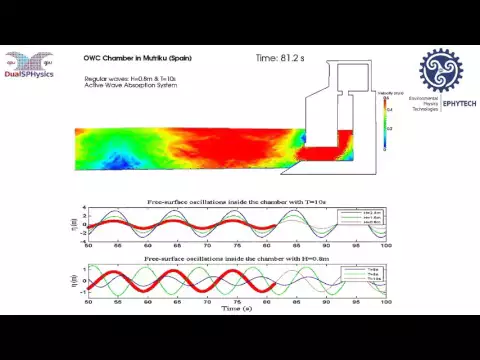
The structure functions like a kind of maritime “gallery.” Waves enter and exit sealed chambers built into the breakwater of the port. When a wave advances, the water forces the air upward, creating a jet of compressed air. When it recedes, it creates a relative vacuum, sucking air back inside.
-
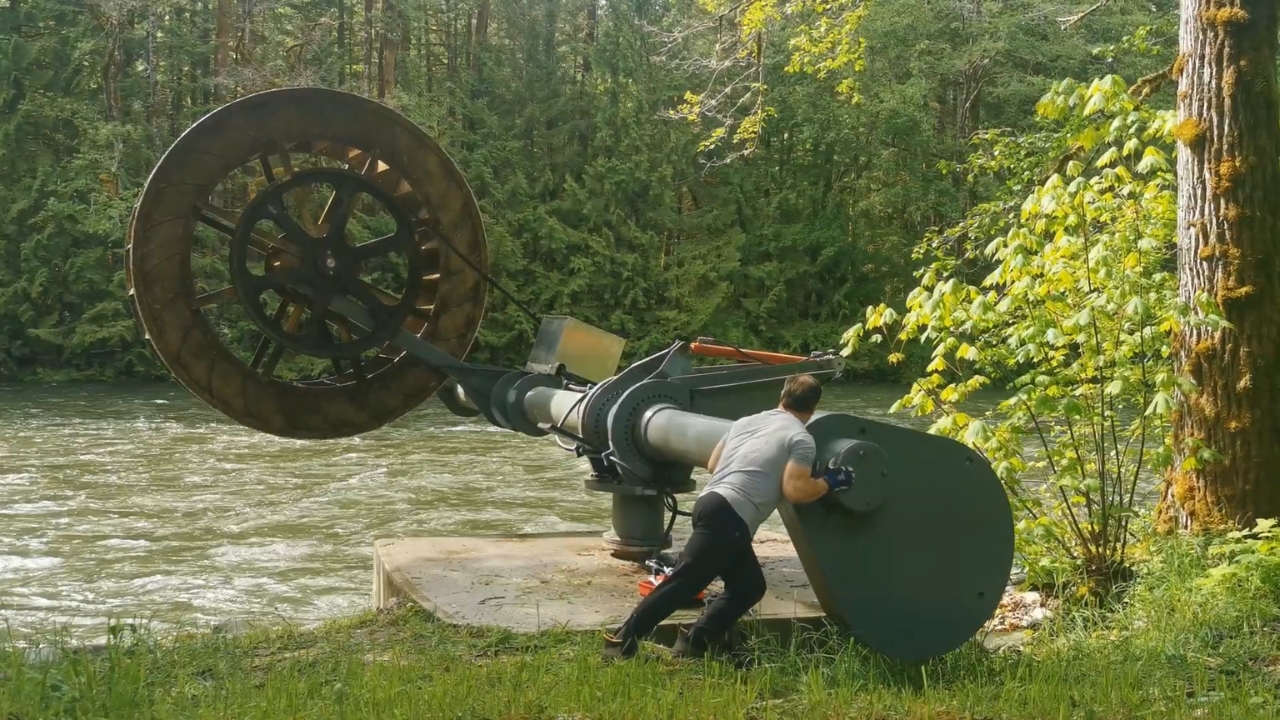
A Canadian retiree creates a hydroelectric system on a real river, generating energy continuously throughout the day and demonstrating how the power of water can supply a house with stability even in a simple structure.
-
Petrobras reaffirms its commitment to the market and ensures that it will carry out the energy transition safely to maintain national sovereignty.

-
Researchers discover a possible hydrogen deposit of up to 46 million tons beneath an ancient coal basin, and the volume could exceed half of the entire global production.

-
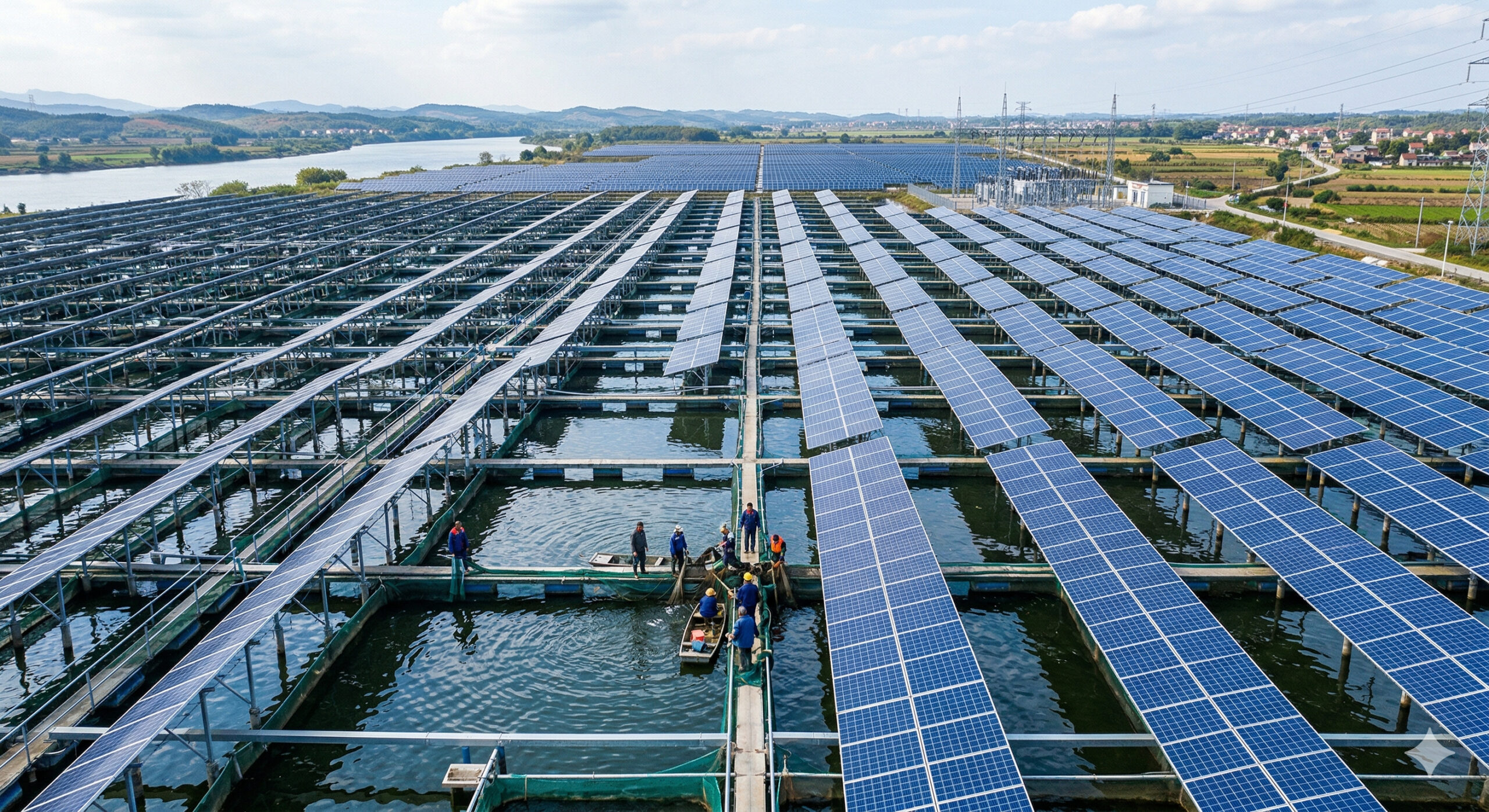
China bets on the Fishery-PV model and transforms fish farms into giant solar plants, covering ponds with panels that generate energy while utilizing the same space for large-scale aquaculture production.


This cyclical movement causes air to pass through a special turbine — the Wells turbine, which has a very clever engineering feature:
- it rotates in the same direction whether air is entering or exiting.
This eliminates the need for complex reversing systems and increases durability.
In Mutriku, the process is completely automatic, modular, and continuous. There is no combustion, no emissions, and no motors exposed to the sea — just air, waves, and steel.
How Many Megawatts the Plant Generates and Who It Serves
The Spanish plant has 16 Wells turbines, each with 30 kW, totaling 480 kW of installed capacity (0.48 MW).
Although it may seem small compared to hydro or wind power, the focus here is not on gross power but on maritime regularity. The sea does not “stop” when the wind is low or it’s cold — and this brings a strategic advantage:
Wave energy can operate at night, on cloudy days, and even in low wind conditions, covering gaps from other renewables.
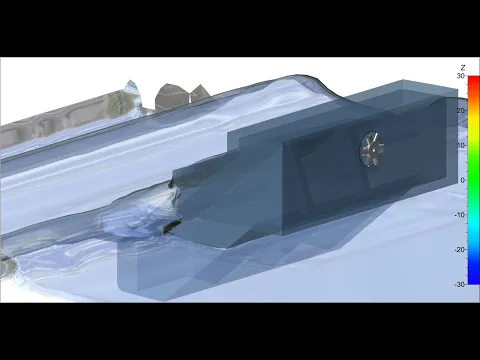
According to data from the Basque Energy Agency (EVE), the plant has already delivered over 2 GWh of energy to the grid, enough to supply hundreds of homes annually, in addition to serving as a testing platform for future industrial versions.
Why Europe Is Looking at This Technology
The OWC is not an isolated experiment; it is part of a silent yet growing trend known as marine renewable energy, which includes:
- wave energy,
- tidal energy,
- thermal gradient energy,
- and salinity gradient.
The European Union estimates that up to 10% of European electricity consumption could come from the sea by 2050 if technologies like OWC and tidal turbines reach industrial scale.
For countries with extensive coastlines — such as Spain, Portugal, the United Kingdom, Norway, and Ireland — the potential is enormous.
What Are the Practical Advantages of an OWC System
In addition to continuous operation, this technology stands out for:
✔ Not needing floating platforms
✔ Not interfering with navigation routes
✔ Low visual and sound impact
✔ Low maintenance costs (turbines are out of the water)
✔ Possibility of installation in existing ports
This explains why the port of Mutriku has become an international showcase: it already welcomes technical visits from Japan, South Korea, and Northern European countries, all interested in the model.
The Challenge Now Is to Industrialize
The biggest obstacle to ocean energies today is not technological; it is economic. Production is still small, and the cost per kWh is high. But the advances of the last 15 years show that the sector is following the same path as:
- solar photovoltaics (which has seen costs drop by over 90% since 2010),
- onshore wind (which is now cheaper than natural gas in the EU).
If industrial scale is achieved, coastal ports around the world could become hybrid plants — part port, part energy generator.
Why This Project Matters for the Future
Mutriku represents something bigger than a handful of turbines spinning: It is real proof that the ocean can become a decentralized and constant energy asset, especially for:
✔ islands,
✔ coastal communities,
✔ maritime bases,
✔ and integration with smart grids.
In a scenario where the world is seeking to reduce fossil fuels without losing electrical stability, plants like this can occupy a strategic space between solar, wind, and batteries.









-

-

-

-

-

-

32 pessoas reagiram a isso.