





 Portuguese
  English
  Spanish
  4 min of reading
  0 comments


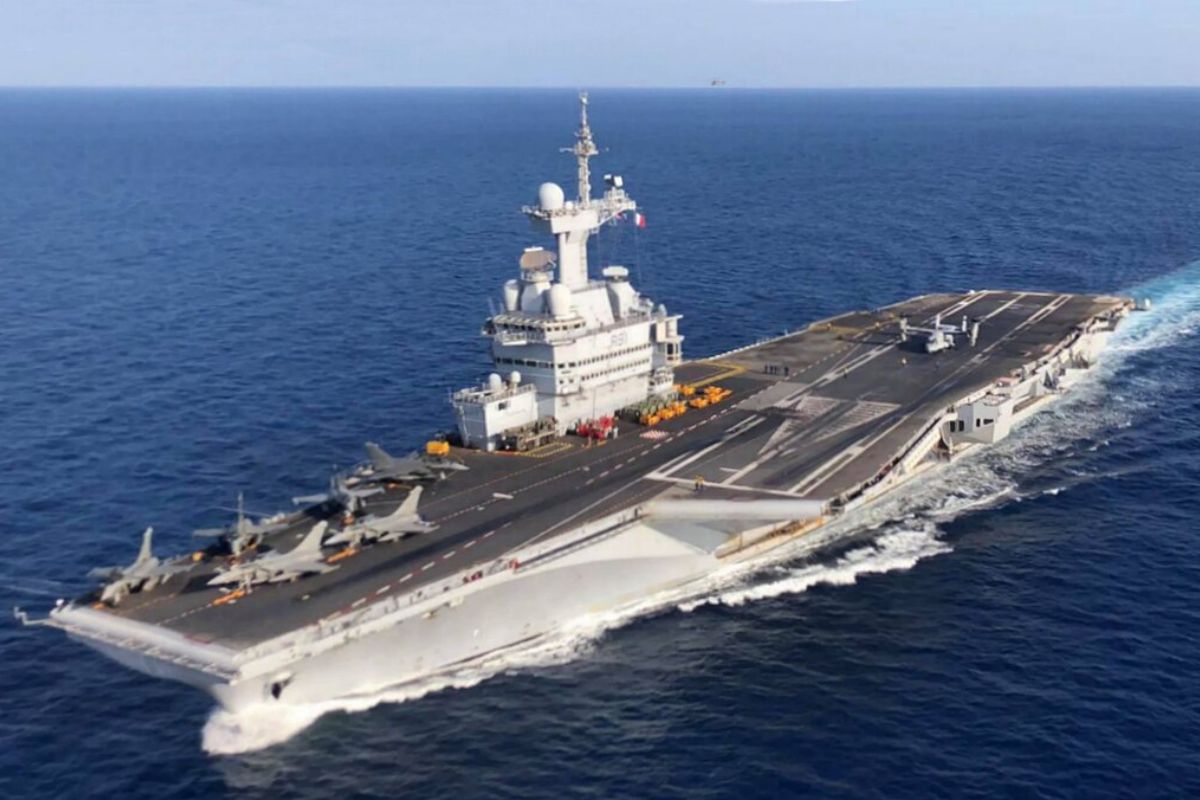
Spanish Navy Hires Navantia Shipyard to Assess the Construction of a 40,000-Ton Ship Inspired by the French Charles de Gaulle to Replace Its Current Fleet.
According to reports from Spanish newspapers such as El País and El Debate, Spain has taken the first step toward one of the most ambitious military projects in its recent history. The Spanish Navy has officially hired the public shipyard Navantia to conduct a feasibility study for the construction of its first conventional aircraft carrier. The initiative aims to strengthen the country’s defense capability and ensure its strategic autonomy at sea.
The project, which still requires government approval after the completion of studies, is a direct response to the need to modernize the fleet and replace the current Navy fighters, which are nearing the end of their operational life. If it goes ahead, Spain will join an exclusive group of nations capable of operating a ship of this size.
A Feasibility Study for a 40,000-Ton Ship
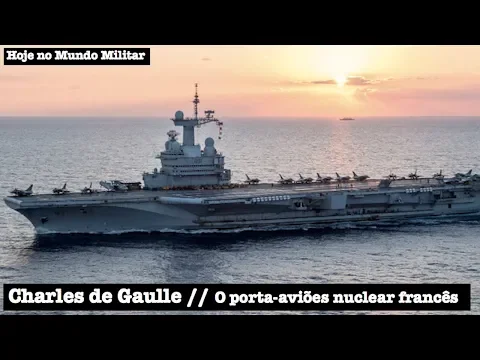
The Navantia shipyard has the mission of detailing the technical specifications and budget for the construction of the new ship. Although the details have not yet been finalized, initial information points to a grand project inspired by the French aircraft carrier Charles de Gaulle.
-
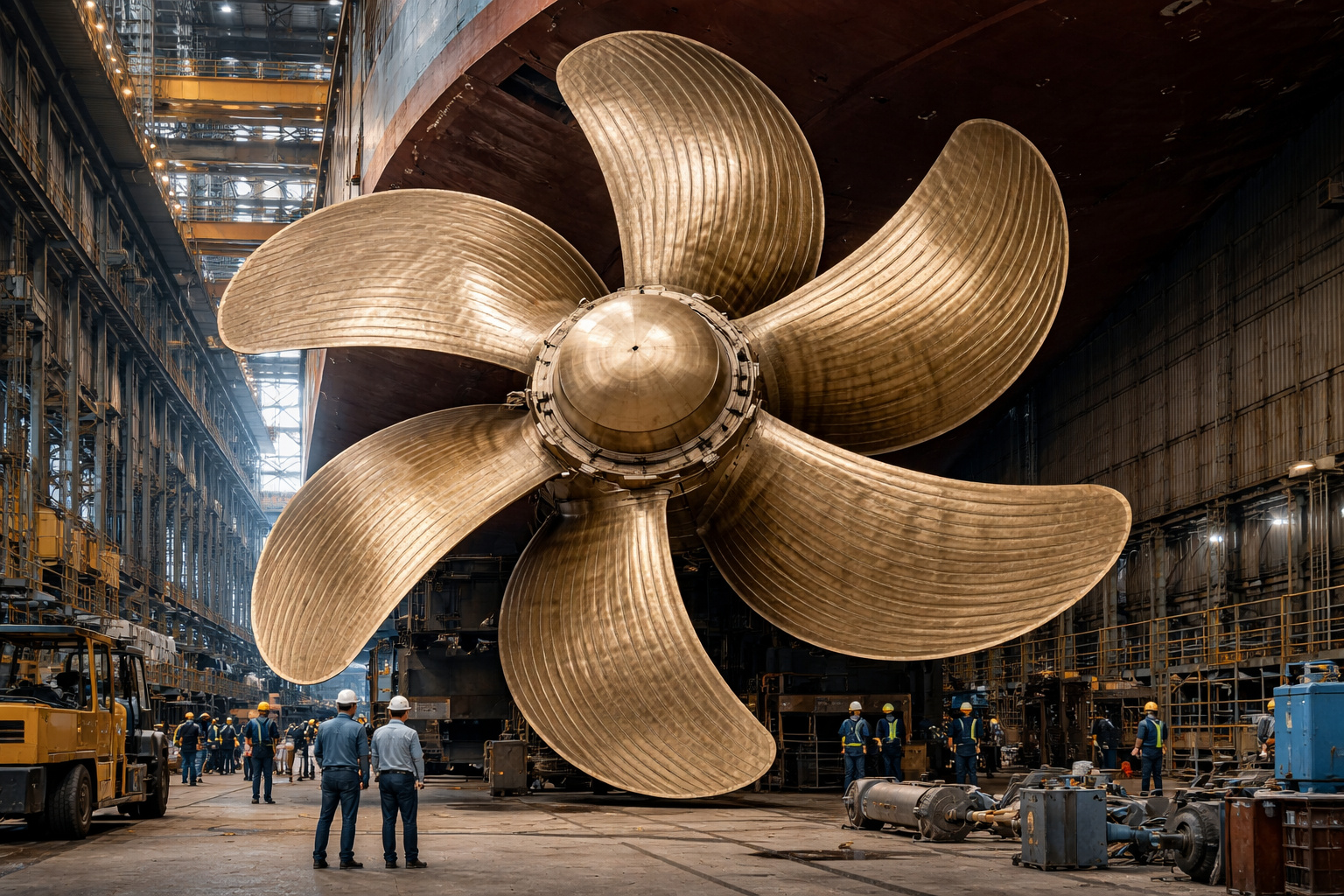
How a 131-ton, 11-meter propeller supports 90% of global trade and transforms the largest container ships on the planet.
-
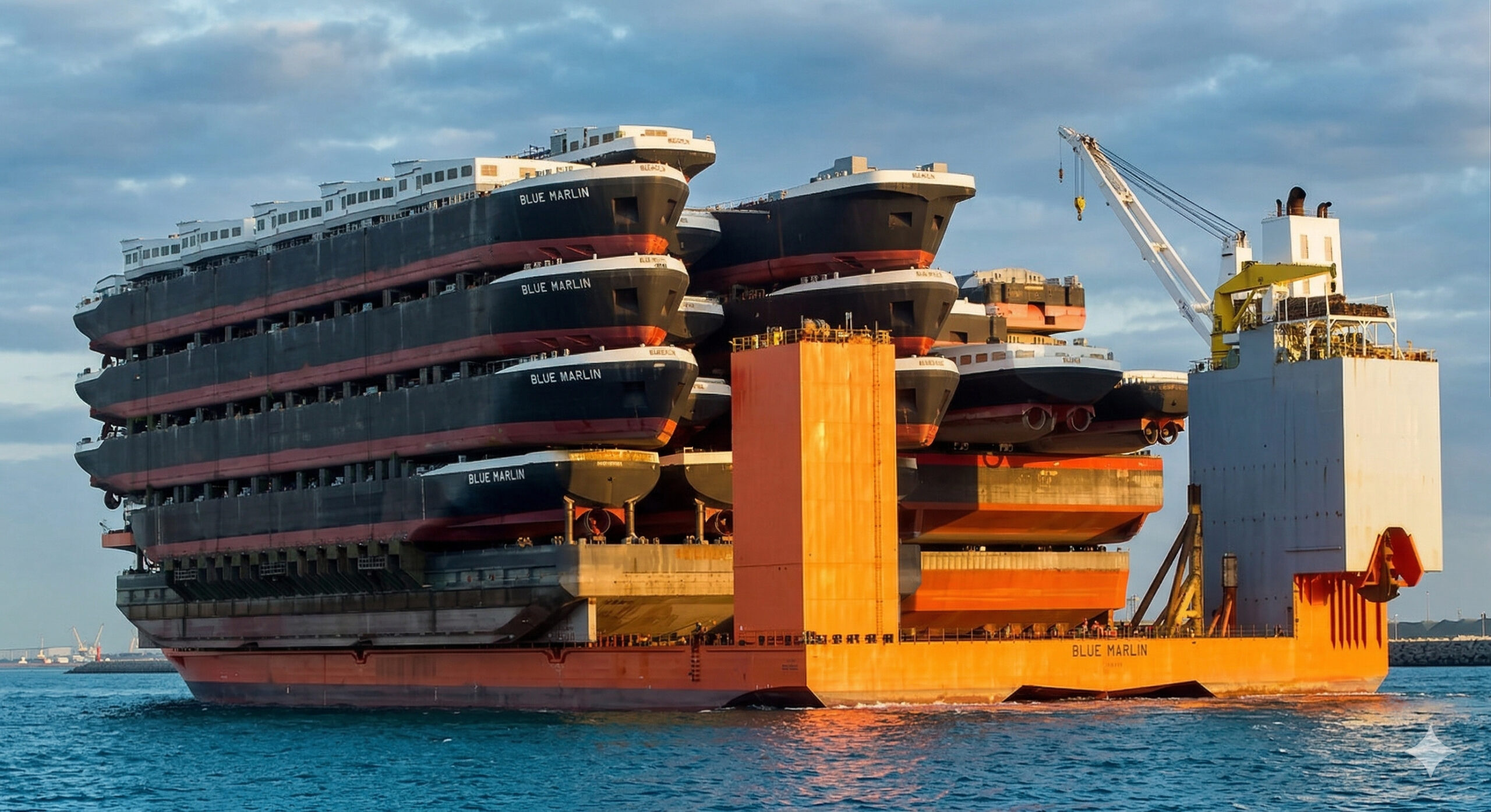
With a length of 225 meters and a capacity of 76 thousand tons, this ship “sinks” its own deck down to 28 meters deep to accommodate war destroyers, oil platforms, and giant radars floating above, and then emerges with everything intact on top like a colossal tray crossing oceans.
-
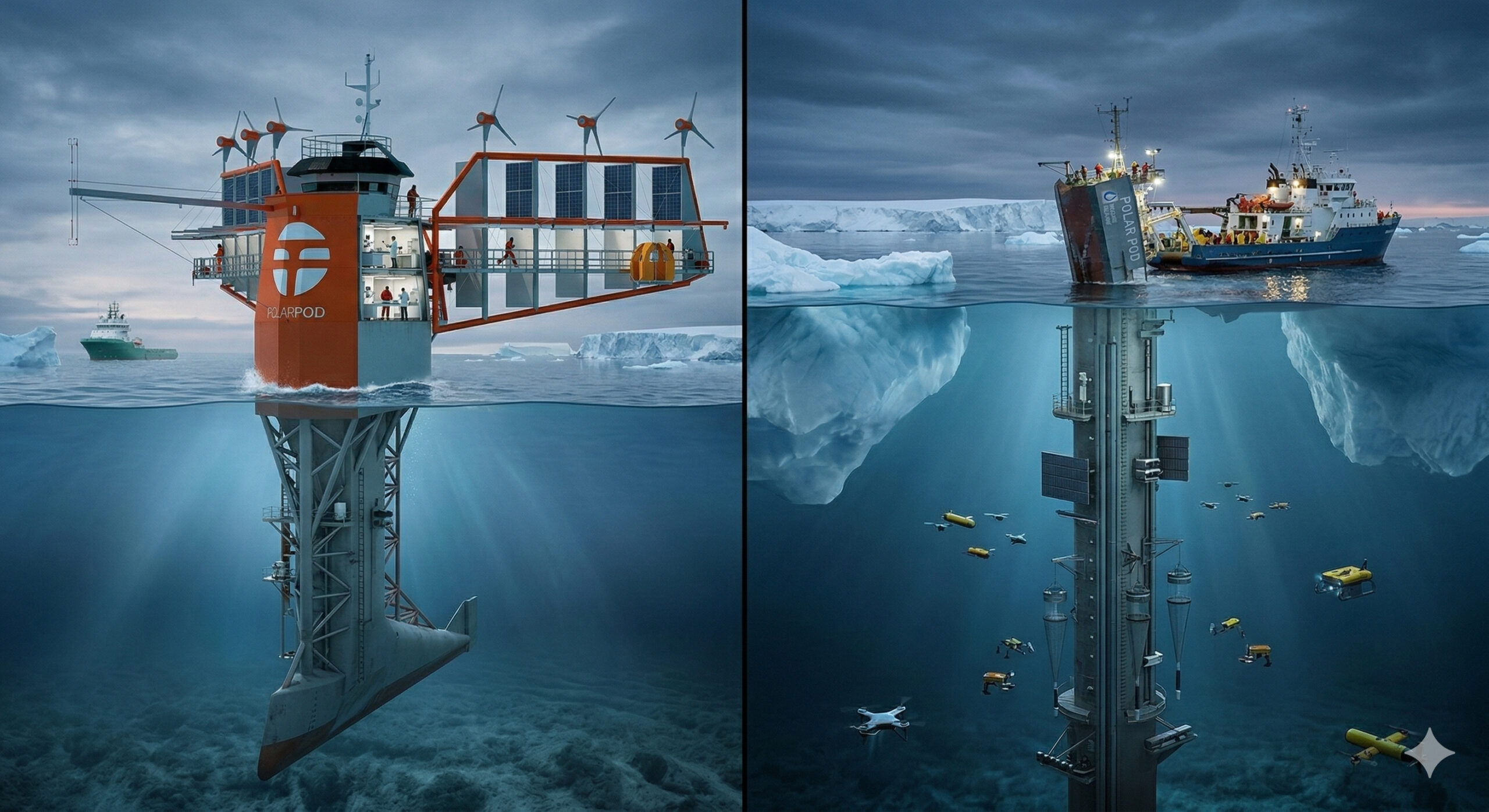
A 100-meter platform without a motor, without a keel, and operating upside down rotates 90 degrees in the ocean, sinks 75 meters, and drifts around Antarctica for two years driven by the planet’s most powerful current to study the largest carbon sink on Earth, still poorly understood by science for accurate climate modeling.
-
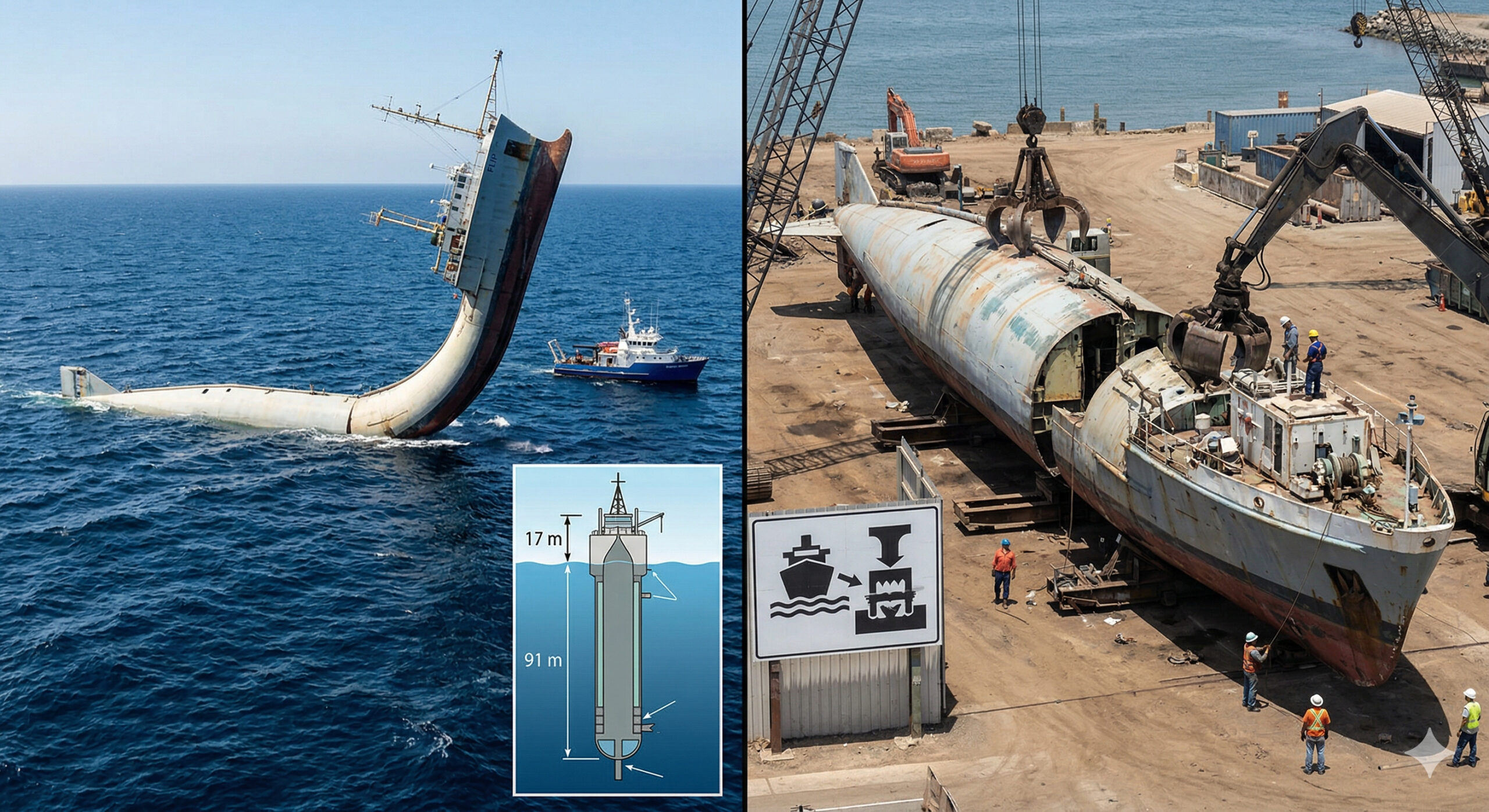
With a length of 108 meters and a giant spoon shape, the FLIP was the only ship in the world capable of rotating 90 degrees in the ocean and remaining vertical, with 91 meters submerged, operating for 60 years until it was retired and sent to the scrapyard in 2023.
The idea is to build a ship over 260 meters long and with a displacement of about 40,000 tons. Unlike the French model, which is nuclear-powered, the Spanish conventional aircraft carrier would use a traditional propulsion system. The flight deck would have the capacity to operate up to 30 state-of-the-art aircraft.
Why Does Spain Need a New Aircraft Carrier?
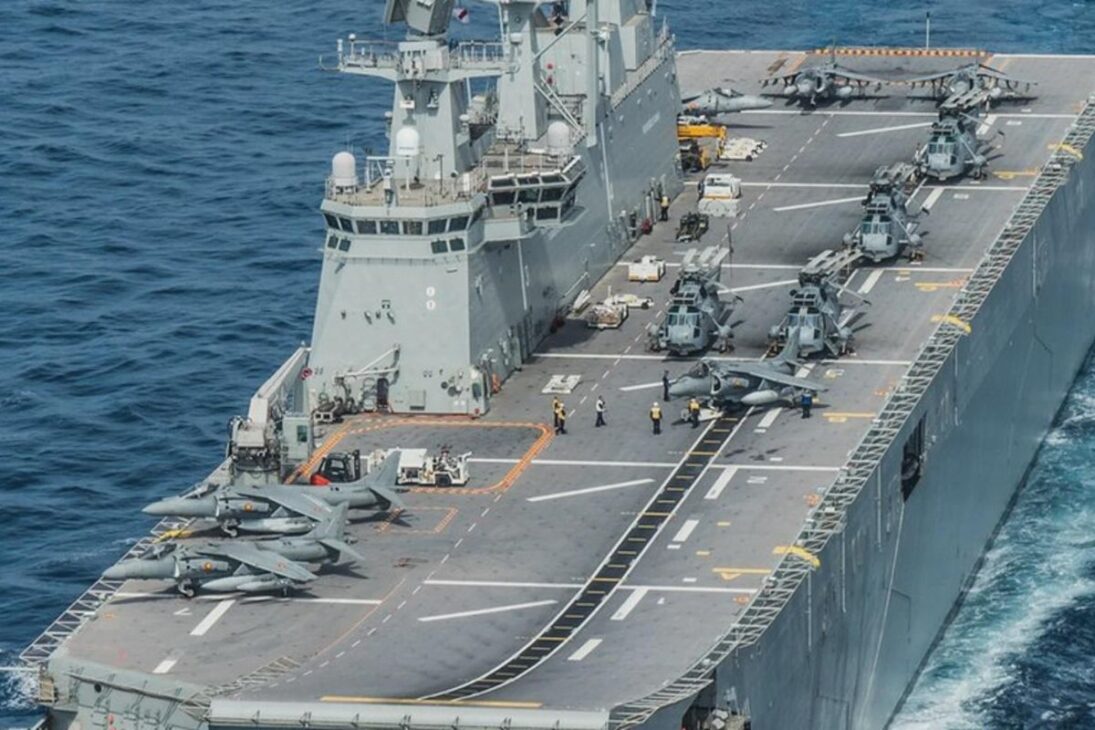
Currently, the main ship of the Spanish Navy is the Juan Carlos I. However, it is not a conventional aircraft carrier, but rather an “Amphibious Assault Ship”. Its main limitation is that it can only operate with Short Takeoff and Vertical Landing (STOVL) aircraft, such as the AV-8B Harrier II.
The problem is that the Harrier fighters are approaching the end of their operational life, and the only available replacement on the market with the same characteristics is the F-35B, produced in the United States. The construction of a conventional aircraft carrier, with catapults and arrestor wires, would allow Spain to operate more modern and diversified fighters, such as a possible naval version of the future European fighter FCAS, reducing its technological dependence on the United States.
The Inspiration from Charles de Gaulle and Navantia’s Experience

The Navantia shipyard is not starting from scratch. The company already has experience in building large military ships, such as the TCG Anadolu, the flagship of the Turkish Navy, which was designed by the Spanish company. Furthermore, according to the Infodefensa portal, Navantia is also reportedly developing an aircraft carrier project over 300 meters long in partnership with Turkey, which would serve as important learning.
The inspiration from the French Charles de Gaulle serves as a benchmark for capacity and size, but Spain is seeking a cheaper solution with conventional propulsion.
A Strategic Move in the European Rearmament Landscape
The decision to study the construction of a conventional aircraft carrier occurs within a context of geopolitical tensions and rearmament in Europe. Having a ship with this capability is seen as an important factor for deterrence and power projection.
Countries like Japan, which for decades has been a demilitarized nation, have already revealed their first aircraft carrier since World War II. The Spanish initiative follows this global trend of strengthening defense capabilities at a time when strategic autonomy has become a priority for European nations.
A Long-Term Project, 15 Years to See the Giant at Sea
The construction of a ship of this complexity is a long-term project. Even if Navantia’s feasibility study receives approval from the Spanish government, the estimate is that the country’s first conventional aircraft carrier will take at least fifteen years to be completed and enter into operation. The path is long and will depend on a strong and continuous financial investment in the coming decades.
Do you think Spain should invest in such a costly and time-consuming project? Share your opinion in the comments.









Seja o primeiro a reagir!