





 Portuguese
  English
  Spanish
  5 min of reading
  0 comments


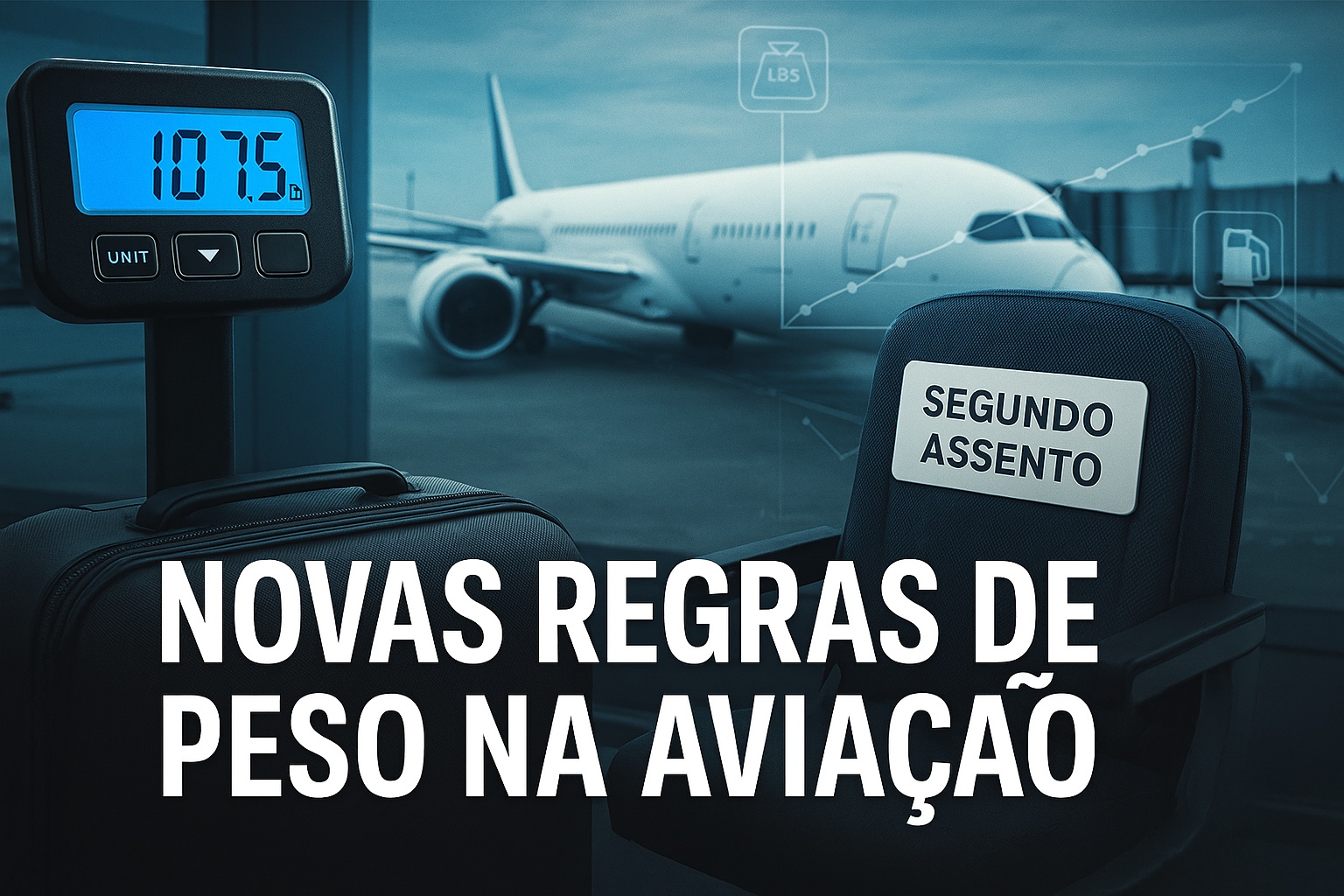
Starting in 2026, Charges for a Second Seat for Obese Passengers Ignite Global Debate on Weight, Flight Safety, and Economic Impact in Aviation.
In December 2024, Southwest Airlines, the North American giant of domestic transportation and one of the largest airlines in the world, announced that starting on January 27, 2026, passengers who cannot comfortably fit in a single seat will be required to purchase a second seat in advance. The decision, officially announced by the company and reported by outlets such as ABC News, Newsweek, and USA Today, ends a policy that had been in place for over two decades, which allowed in some cases the free reservation of an extra seat with subsequent reimbursement.
The change immediately reignited a debate involving flight safety, airline economics, aircraft capacity, and above all, passenger rights. Although Southwest announced the reform before other companies, experts cited by the U.S. press highlight that this trend is likely to spread throughout the industry, especially after regulatory pressures related to total weight on board, fuel costs, and cabin reconfigurations.
Starting in 2026, therefore, the topic will no longer be an exception but will become a discussion that shapes the future of air transportation.
-
Chaos On Airplane Could Be Expensive: Proposal Aims To Prevent Disruptive Passengers From Flying For Up To 1 Year In Brazil And Face Fines Of Up To R$17,500
-
Man Arrested After Halting Takeoff of Fire Department Helicopter During Child Rescue in Guaratuba

-
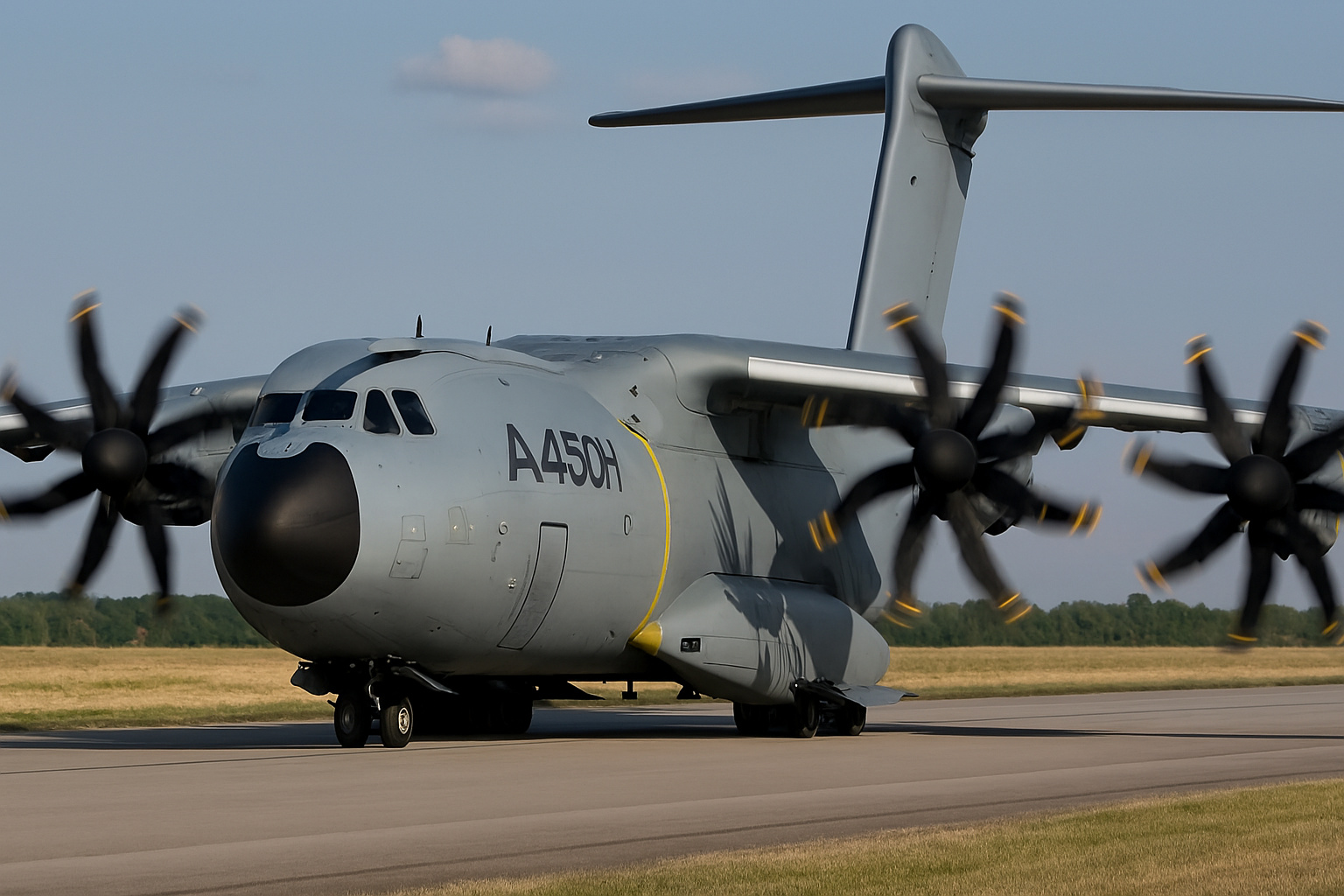
With 37 Tons of Cargo, Over 8,000 km Range, and Ability to Land on Unpaved Runways, the Airbus A400M Demonstrates How Europe Created a Military Giant That Transports Armored Vehicles, Aerially Refuels Fighters, and Operates in Conflict Zones and Humanitarian Missions Worldwide
-
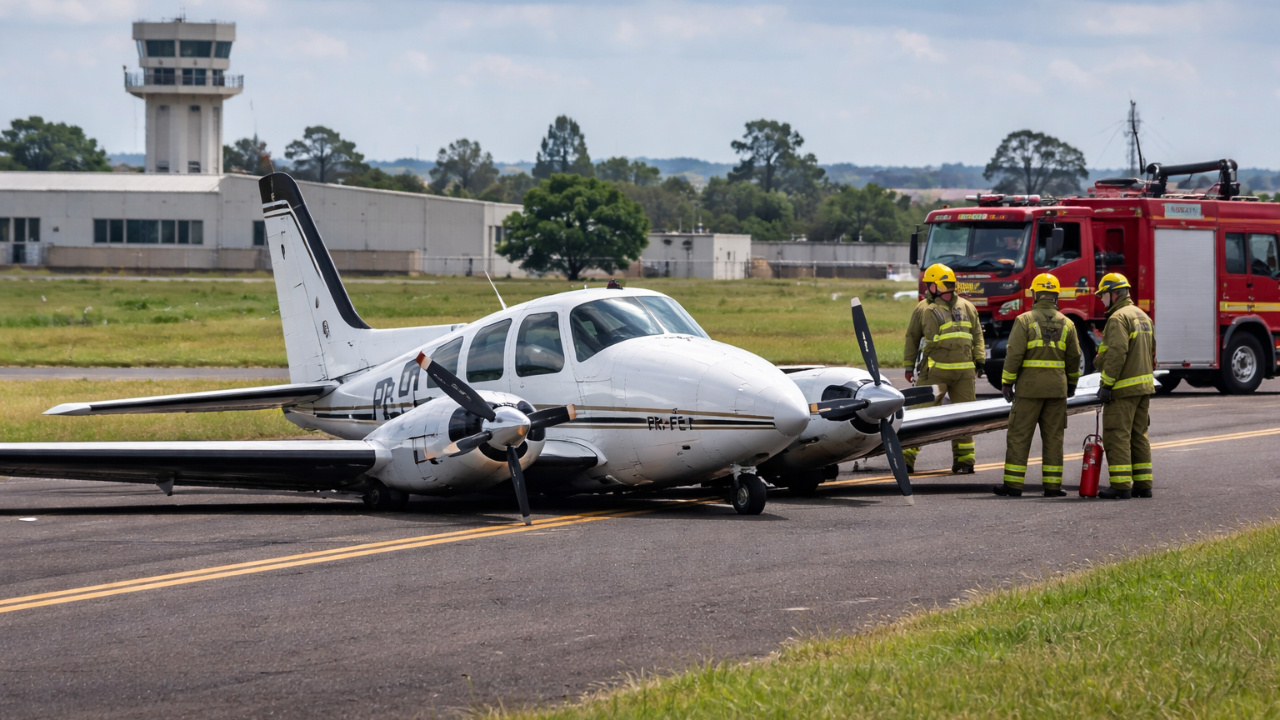
Emergency Landing in Campos Amarais After Bird Strike on Small Plane

What Changes with the New Rule: The Requirement Becomes Enforced Before Boarding
The policy that will take effect in 2026 establishes that passengers who do not fit entirely within the seat outline, including the natural lowering of armrests, will need to purchase two seats at the time of booking. Southwest stated that the decision follows operational safety guidelines and cabin standardization, and that the criterion will be applied objectively by customer service agents.
Until now, passengers requesting a “second seat” on Southwest could request the additional space at no initial cost, with potential subsequent reimbursement.
In other cases, they could board and rely on the availability of empty seats for more comfortable accommodation. This flexibility will end in 2026.


According to the company itself, the change aims to eliminate cabin conflicts, reduce complaints from neighboring passengers, avoid last-minute reallocations, and ensure operational uniformity. However, it opens the door to one of the largest contemporary dilemmas in commercial aviation: how to balance comfort, safety, and inclusion in the face of increasingly compact and dense aircraft.
The Technical Discussion: Weight, Fuel, and Regulations Pressuring the Sector
The debate surrounding obese passengers is not limited to seat space. There is a technical backdrop involving weight calculations and aircraft balance, fuel estimates, and regulatory requirements imposed by the Federal Aviation Administration (FAA).
In 2021, after reevaluating the average weight of the U.S. population, the FAA determined that airlines should adopt new parameters for body weight and baggage, directly affecting takeoff calculations and maximum allowable payload. The updates, which extend until 2026, increased the estimated average weight of passengers and required more conservative margins on single-aisle aircraft.
This generated a domino effect:
- increased fuel consumption per flight;
- operational restrictions at short runways or high-altitude airports;
- limits on the number of passengers on sensitive routes;
- higher operational costs during peak demand times.
For companies like Southwest, which base their business model on highly dense seat configurations of Boeing 737 aircraft, the equation has become more delicate. Every additional kilogram affects fuel consumption, range, and even the viability of specific routes.
In this context, the mandatory second seat is interpreted by analysts as part of an operational logic that goes beyond comfort: it directly impacts the total cost per passenger transported.
Economic Impact: Fares, Cabin Policies, and Potential Adjustments Across the Industry
Experts consulted by Newsweek and ABC News point out that the measure may pave the way for:
- targeted fare increases, especially among low-cost airlines;
- review of seat width policies;
- new ticket categories for passengers needing additional space;
- international regulatory adjustments if other agencies follow the FAA;
- global standardization of criteria for minimum comfort, a topic already discussed in the European Union.
Southwest’s decision also creates an important legal precedent. In the United States, lawsuits involving passengers disputing space in neighboring seats have become frequent, especially on long routes. In Brazil, although the legislation is different and ANAC does not impose a similar rule, experts say that the debate may come to the country as international discussions intensify.

Social Impact: Rights, Inclusion, and a Debate That Divides Opinions
The charge for a second seat is a socially sensitive topic. Organizations advocating for people with obesity argue that the policy may generate embarrassment, discrimination, and economic barriers for passengers in vulnerable conditions.
On the other hand, flight safety experts argue that the measure aligns with aviation regulations and the duty of airlines to ensure that all passengers travel safely.
Reports from ABC News have recorded accounts of passengers supporting the rule, stating that the competition for space in rows has been increasing, especially with seats getting narrower, some with less than 43 cm in width. Health associations remind that obesity is a medical condition and that charging policies can amplify stigmas.
The dilemma will be unavoidable in 2026: how to balance service, rights, dignity, and safety in an environment where every centimeter counts — literally.
The Rule That Could Redefine the Future of Air Travel
The decision by Southwest Airlines is not just an operational change; it is a reflection of the structural transformations in modern aviation.
Densified aircraft, more expensive fuels, stricter safety requirements, and a rising average weight population shape a scenario where previously exceptional policies become regulatory topics.
As 2026 approaches, airlines, regulators, legal experts, and passengers are closely watching how the measure will be implemented. If adopted by other companies, it could reshape fares, change airport routines, and reconfigure the balance between comfort, inclusion, and economic sustainability across the industry.
And, as always in aviation, no change is small when it involves millions of passengers and hundreds of thousands of flights annually.








Seja o primeiro a reagir!