





 Portuguese
  English
  Spanish
  2 min of reading
  0 comments



The New National Ranking Highlights The Five States That Most Advanced In Road Quality In 2025, Showing How São Paulo, Sergipe, Mato Grosso Do Sul, Rio De Janeiro And Distrito Federal Consolidated Themselves As A Reference In Infrastructure
Brazil has registered new disparities in the condition of its highways, according to the 2025 States Competitiveness Ranking, compiled by the Public Leadership Center (CLP) based on data from the National Confederation of Transport (CNT).
The evaluation uses scores from 1 to 5 to measure the quality of the roads, weighing the surveyed extent in each state.
The States Leading The National Ranking
The survey confirms São Paulo as the absolute leader, with a score of 4.06, a result associated with consistent investments in concessions, maintenance, and expansion of the road network. Following is Sergipe, with 3.66, benefiting from good conservation in a smaller and more controlled network. Mato Grosso Do Sul occupies third place, also with 3.66, driven by strategic logistics corridors.
-
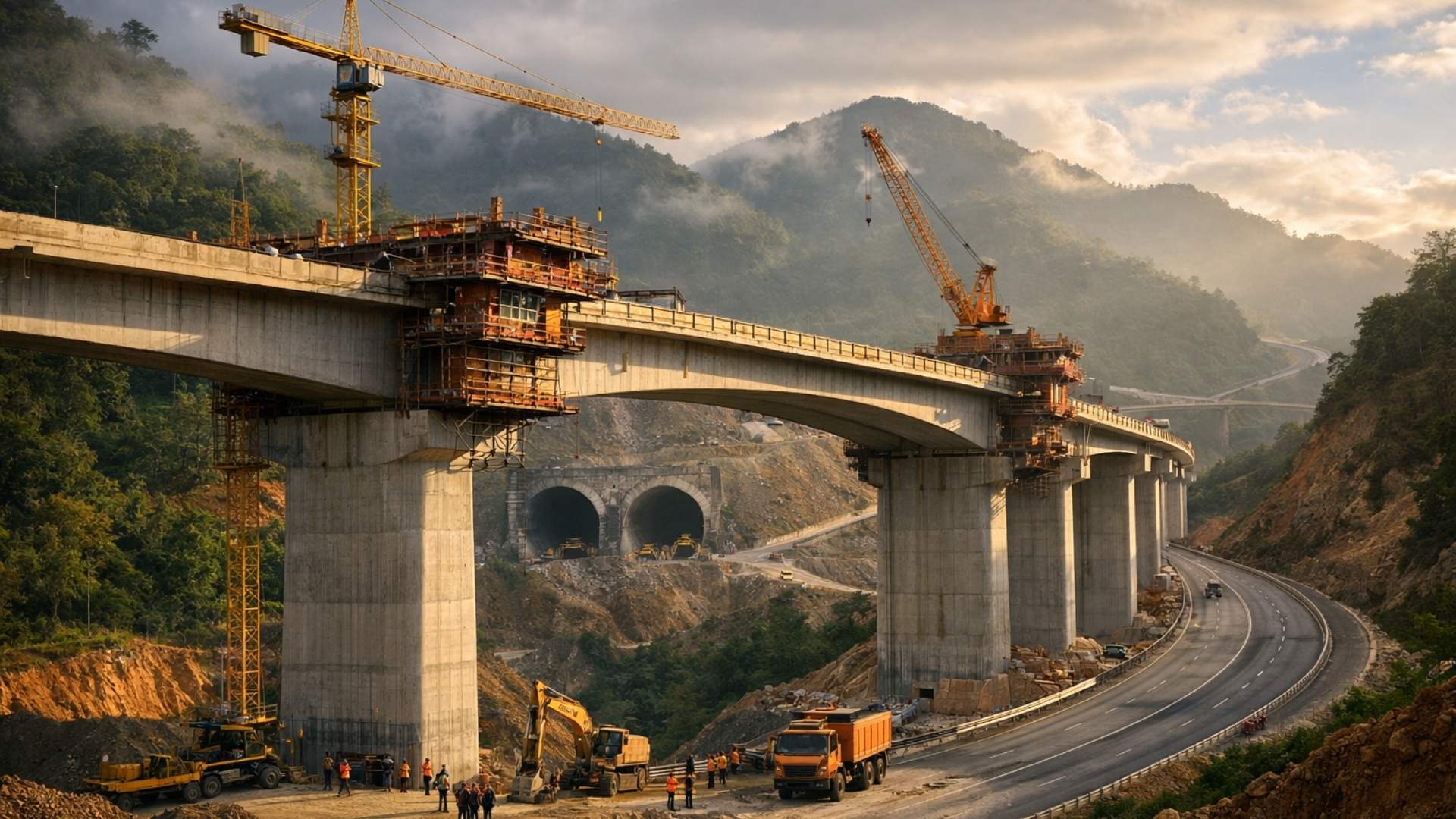
The government puts R$ 8.6 billion on the table to change the highway (BR) with 50 overpasses, 28 bridges, 4 tunnels, and 40 km of bike lanes in 180 km of historic duplication.
-
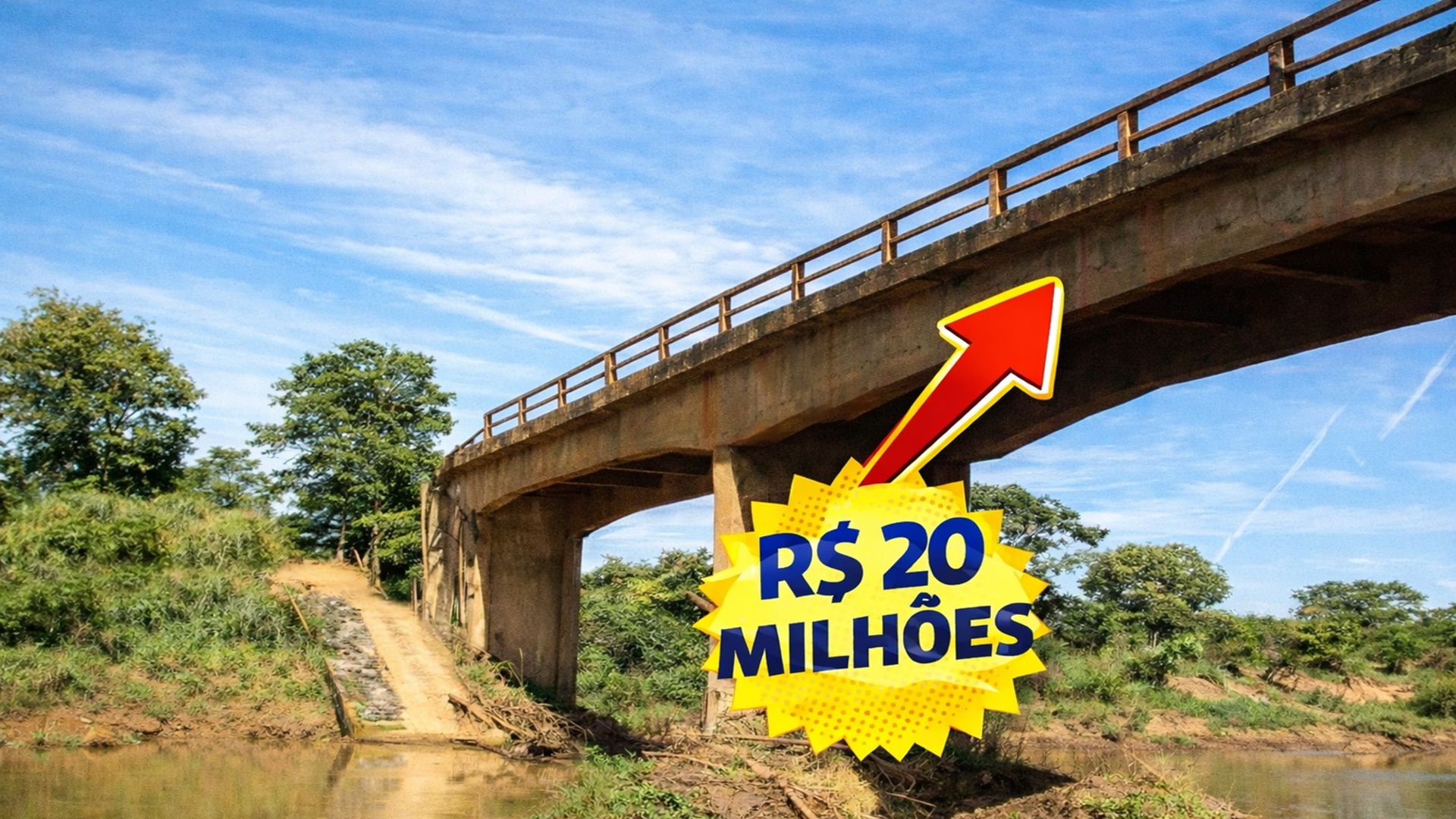
BRL 20.1 Million Bridge Project Kicks Off: 200-Meter Construction to Improve Access in Three Cities in Minas Gerais
-
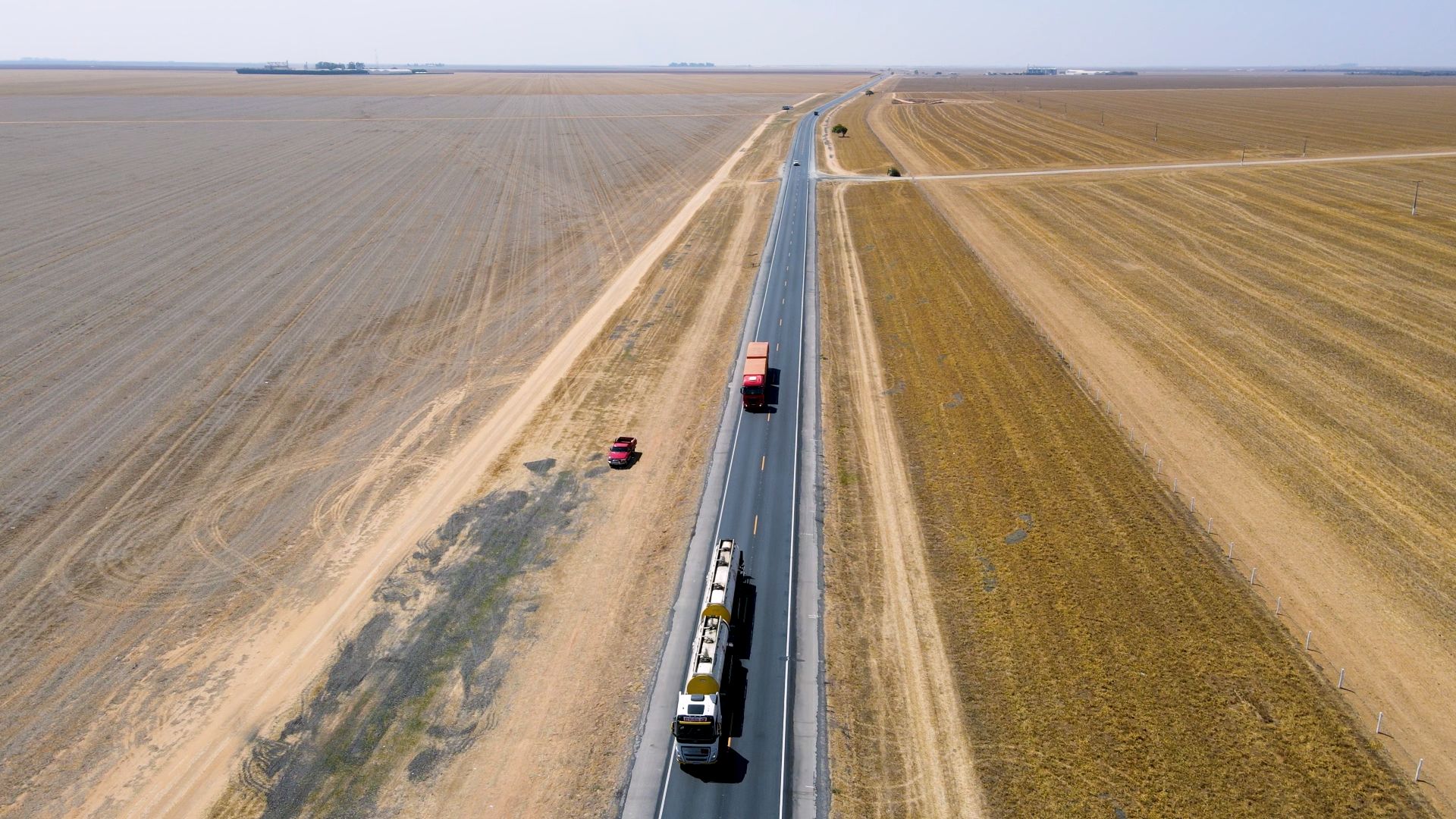
‘Endless Road’ In Brazil Is One of The Largest In The World: 145 Km Stretch On An Important Highway (BR) Crosses The West Of Bahia And Had 135.9 Km Revitalized With R$ 35.3 Million
-
Engineer From ITA Who Worked at Embraer Leads Free Flow Expansion With National Artificial Intelligence and Technology for Toll Without Barriers in Brazil


Right after is Rio De Janeiro, which achieves 3.56, followed by Distrito Federal, also with 3.56, thus closing the top 5 of the best states in road quality in the country.
Intermediate States And Persistent Challenges
Among the intermediate positions are units from the South and Southeast, such as Espírito Santo, Paraná, and Piauí, which show moderate performance. Meanwhile, several regions in the North and Northeast face greater difficulties. Maranhão, Tocantins, Acre, Amapá, and Amazonas appear in the lowest positions, with scores between 2.26 and 2.05, reflecting structural challenges, long distances, and more complex maintenance.
Importance Of Data For Public Policies
The study reinforces the need for continuous investments because the quality of the roads directly influences economic competitiveness, safety in transportation, and territorial integration.
According to CLP, the ranking serves as a tool to guide state managers in formulating strategies capable of improving the infrastructure offered to the population and the productive sector.









Seja o primeiro a reagir!