





 Portuguese
  English
  Spanish
 6 min of reading
  0 comments


Sweden Invests in São Paulo with R$ 5 Million in Biogas, Strengthening Clean Energy, Green Economy, and Innovation in the State.
The expansion of biogas production in São Paulo recently received a significant boost, thanks to foreign capital investment. Thus, the State Government, through the Department of Environment, Infrastructure, and Logistics (SEMIL), announced a partnership with Swedfund International AB.
This marks an important moment for the green economy in São Paulo. As a result, the Swedish institution will invest R$ 5 million as a grant. Aiming to fund technical studies to create new pipelines and develop biofertilizers from digestate, a byproduct generated in the anaerobic digestion of organic waste.
Historically, biogas in Brazil began to develop in the 1980s, when experimental units explored the potential of agro-industrial and landfill waste. However, only in the last two decades did the country start to see biogas as a strategic alternative to diversify the energy matrix and reduce greenhouse gas emissions.
-
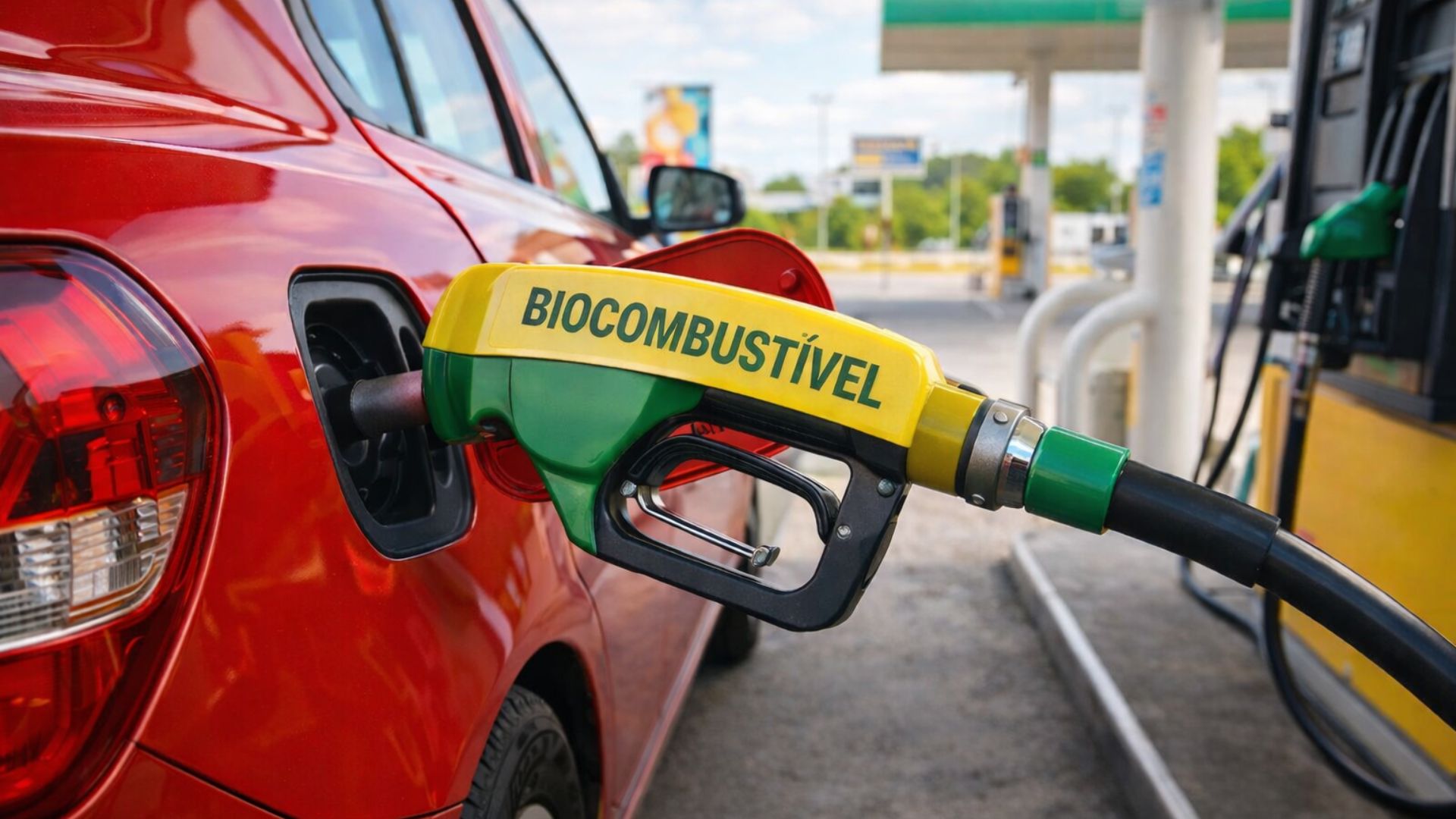
CNPE strengthens policy and prevents imported biodiesel from being mixed with diesel, aiming to strengthen the Brazilian industry and protect jobs by reducing external dependence amid tensions in the global market.
-
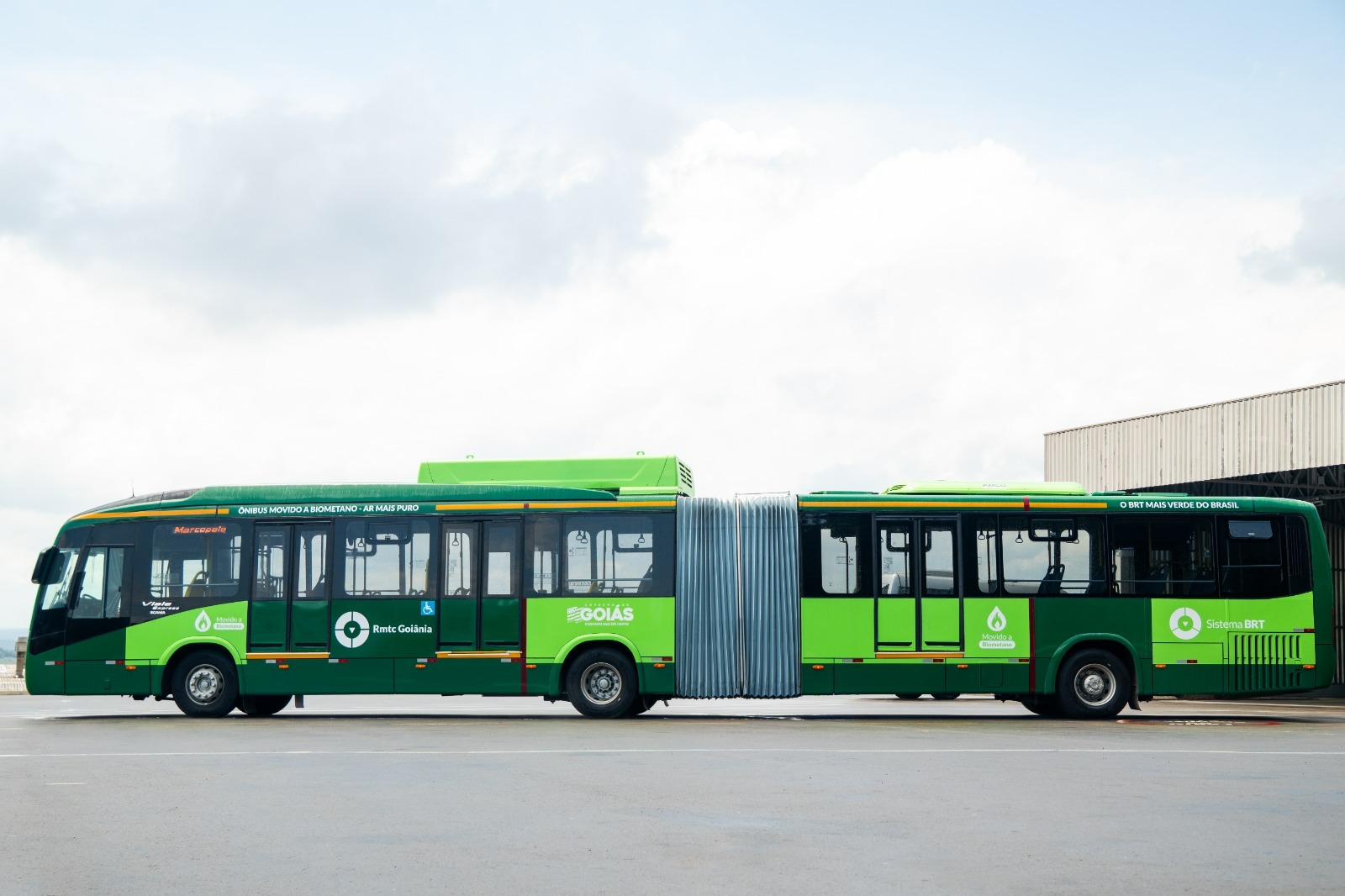
Revolution in public transport: Goiânia puts into circulation the first articulated buses powered by biomethane in Brazil and promises to drastically reduce pollution on the Anhanguera Corridor.
-
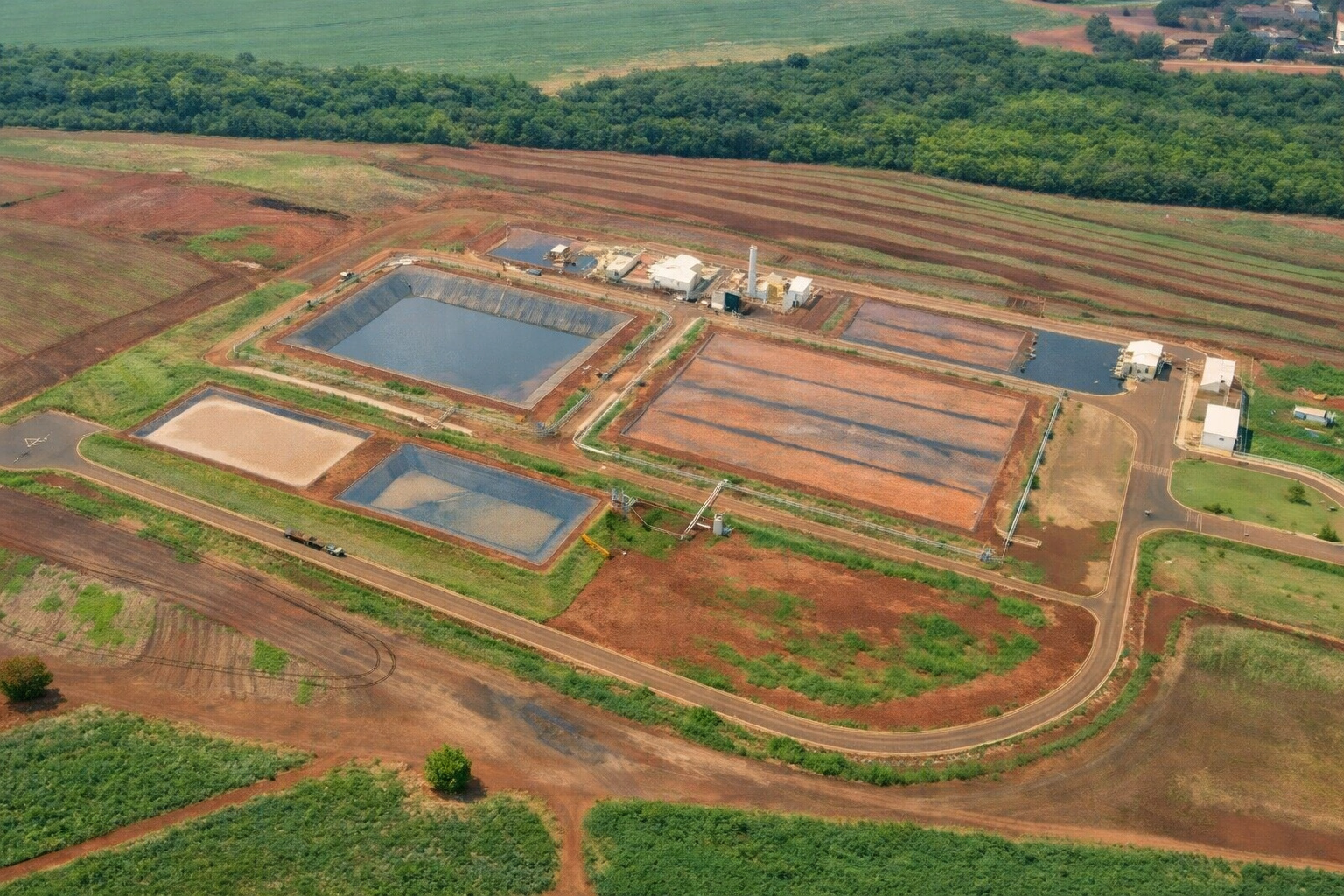
From the field to the pipelines: Mato Grosso do Sul accelerates the energy transition and consolidates a new axis in renewable energy with the arrival of a giant biogas plant.
-
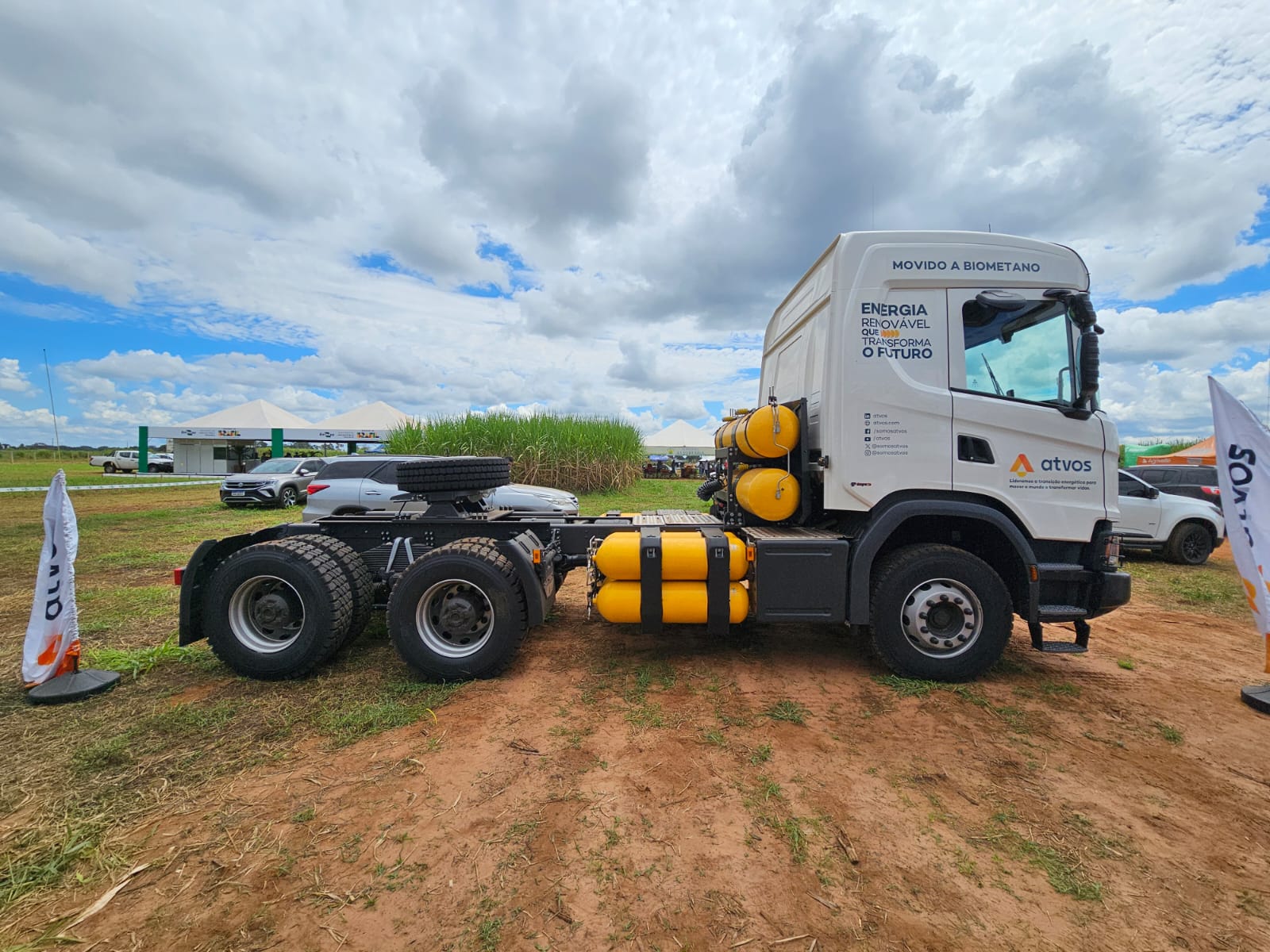
The Economist states that Brazil has a “secret weapon” against expensive oil and highlights how the country can reduce economic impacts even in international scenarios of high volatility.

Therefore, the entry of Swedish capital demonstrates confidence in the local market and represents a concrete step towards the integration of São Paulo into the global clean energy economy.
The foreign investment aims to define new pipelines to expand the distribution of biogas in the state. Furthermore, it seeks to create business models for digestate, enhancing it as a biofertilizer and strengthening the connection between clean energy and sustainable agribusiness.
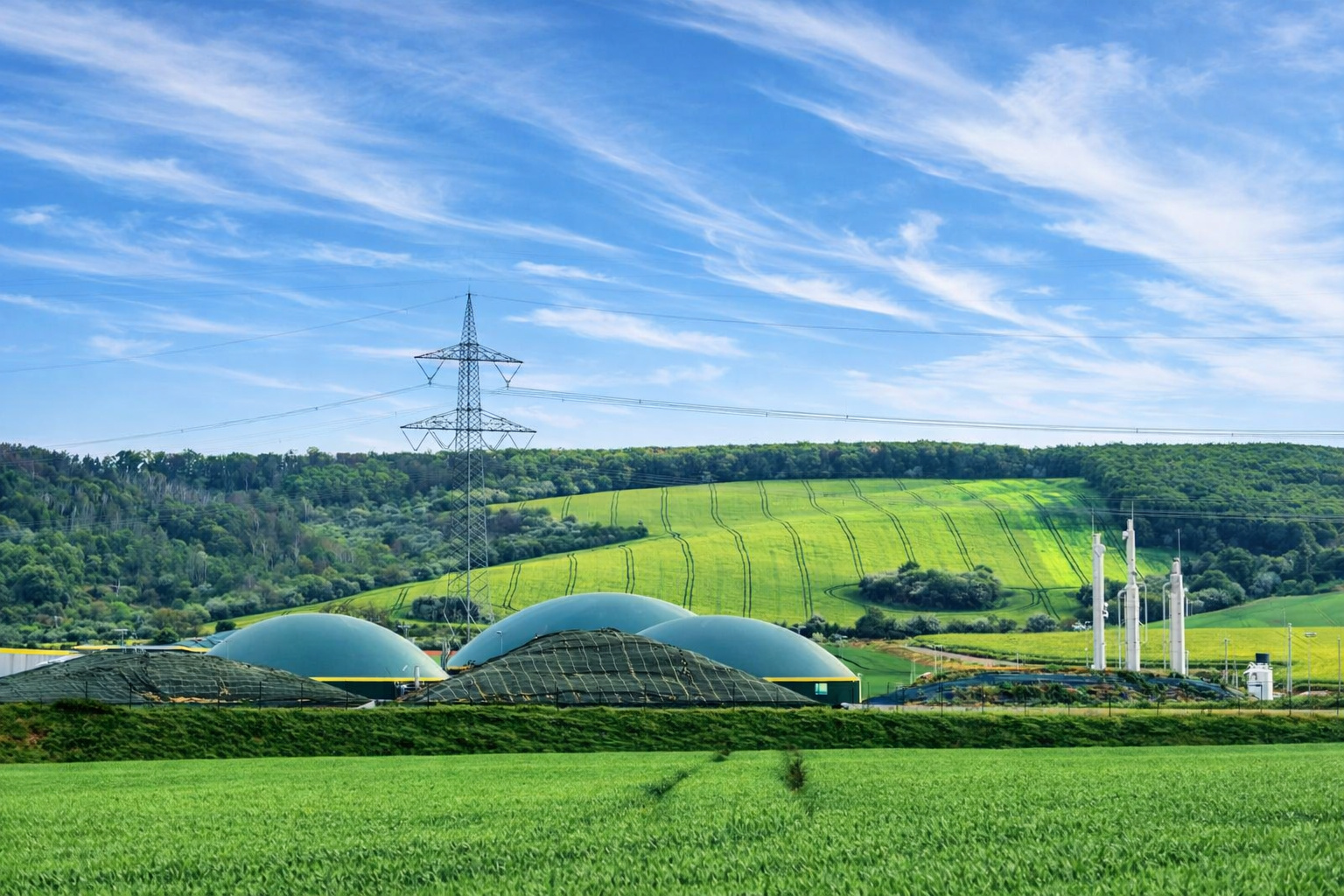
Consequently, biogas plants are set to operate not only as energy production units but also as hubs for value generation and technological innovation.
Additionally, the initiative includes studies on the transport logistics of biogas and its integration with other renewable energy sources, such as solar and wind. This way, it is possible to optimize production, reduce losses, and create more resilient business models. The planning also includes detailed analyses of economic feasibility, sector expansion, and social, environmental, and regulatory impacts, reinforcing the sustainability of the project.
The Relevance of Biogas for Sustainability and Economy
According to Natália Resende, Secretary of SEMIL, biogas offers benefits that go far beyond the energy issue. Furthermore, the implementation of structured projects helps reduce greenhouse gas emissions, aligning with the climate commitments of the state and the country. “The collaboration is relevant due to the high production potential in São Paulo.
The project is also aligned with the Climate Action Plan 2050 (PAC 2050) and the State Energy Plan 2050 (PEE 2050)</strong),” the secretary stated, highlighting that consistent public policies are essential to consolidate the biogas market.
Swedfund International AB, a Swedish institution with a history of sustainable investments in developing nations, identified São Paulo as a mature market ready for expansion.
Therefore, Maria Håkansson, CEO of the institution, explains that the partnership aims to promote the efficient use of biogas and facilitate the transition to clean technologies in public transport. Thus expanding the reach of biogas in the urban and industrial economy.
This movement reflects the growing interest of Sweden in supporting projects that integrate environmental sustainability, technological innovation, and economic development.
Additionally, the project includes training programs for local professionals, strengthening the production chain and ensuring that technological development keeps pace with the training of qualified labor.
Thus, it is expected that in the coming years, the biogas sector in São Paulo will become a reference in waste management, innovation, and sustainability, attracting new national and international investors.
Regulation and Incentives for Sector Growth
The state regulation has been a decisive pillar for the growth of the biogas market in São Paulo. In December 2025, the Regulatory Agency for Sanitation and Energy of the State of São Paulo (ARSESP) published an essential norm that allows the interconnection of producing plants to the piped gas network.
In this sense, the central mechanism of regulation is the TUSD-Verde (Green Distribution System Usage Fee). It compensates exclusively biogas suppliers for the operational costs and investments necessary to connect the plants.
This way, the model ensures competitiveness, prevents other system users from paying more, and maintains affordability, favoring the sustainable growth of the sector.
The economic impact of biogas in São Paulo is significant. Studies conducted by the Federation of Industries of the State of São Paulo (FIESP), with the support of SEMIL, indicate that the state has a robust capacity to generate value from this renewable energy source.
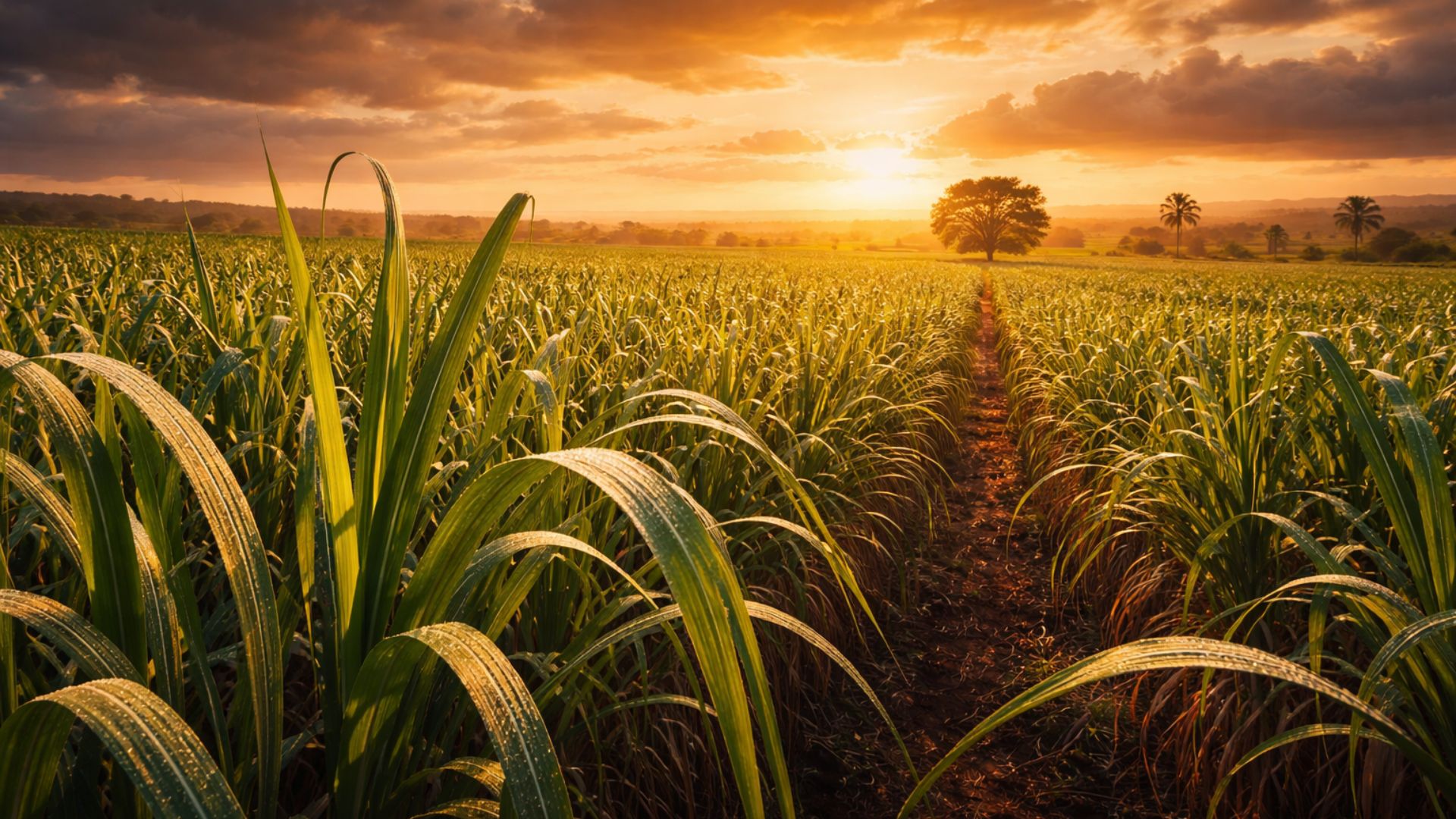
With an estimated production potential of 6.4 million cubic meters per day, biogas can create up to 20,000 direct, indirect, and induced jobs. Additionally, the highest concentration of this potential is in the sugar-energy sector, highlighting subproducts such as vinasse, straw, and bagasse.
The partial replacement of diesel with biogas helps reduce carbon emissions by up to 16%, thereby consolidating the environmental importance of the investment.
The São Paulo government is also studying fiscal incentives and specific credit lines to support small producers and startups in the biogas sector. Thus stimulating innovation and diversification of production.
Consequently, these measures accelerate the market transformation, making production more accessible and competitive, especially for small and medium enterprises in agribusiness.
International Impact and Technological Integration
The presence of Swedish capital reinforces São Paulo’s strategic position in the international scenario. The investment demonstrates that the state follows global trends in energy transition and becomes an example of circular economy and sustainable innovation.
Furthermore, Sweden, recognized for its leadership in renewable energies and environmental policies, strengthens the confidence of other investors in similar projects. Thus creating a multiplier effect that can expand the biogas market throughout Brazil.
In addition to the economic and environmental impact, the partnership generates relevant social benefits. The creation of jobs and the technical training of professionals contributes to regional development, promoting inclusivity and income generation.
Thus, biogas, established as an energy alternative, reinforces the energy security of the state and reduces dependence on fossil fuels. Promoting a more sustainable and resilient future.
The project also plans to implement advanced monitoring and automation technologies in production units. Increasing efficiency, reducing waste, and ensuring greater operational safety.
This technological modernization positions São Paulo as a leader in the sector, attracting academic partnerships, applied research, and joint innovation programs.
Sweden Invests in São Paulo as a Strategic Hub for Innovation and Sustainability
Historically, São Paulo has always stood out as a hub for industry and agribusiness in Brazil. The introduction of foreign investments aimed at sustainability reinforces this position, integrating technology, science, and innovation in traditional sectors.
Therefore, cooperation with Sweden investing in São Paulo shows how public policies aligned with the private sector can transform emerging opportunities into concrete results, consolidating biogas as a central element of the energy matrix in São Paulo and Brazil.
In summary, the R$ 5 million investment from Sweden in São Paulo highlights the maturity of the biogas market and the importance of strategic public policies, efficient regulation, and technological innovation.
Consequently, by strengthening the production and distribution of biogas, the state positions itself at the forefront of the green economy, establishing itself as a reference in sustainability, energy efficiency, and industrial development.
The international partnership demonstrates that the energy transition is not only an environmental goal but also an economic, social, and technological opportunity capable of transforming the future of São Paulo and Brazil.
The constructed scenario shows that the presence of Sweden in biogas investment represents more than a financial contribution. It symbolizes the convergence of global interests, the consolidation of efficient public policies, and the long-term strategic vision necessary to transform the Brazilian energy sector.
With adequate infrastructure and favorable regulation, biogas in São Paulo ceases to be just a sustainable promise and becomes a solid pillar of the state economy, positively influencing the energy matrix, agribusiness, and national industry.










Seja o primeiro a reagir!