





 Portuguese
  English
  Spanish
  5 min of reading
  0 comments


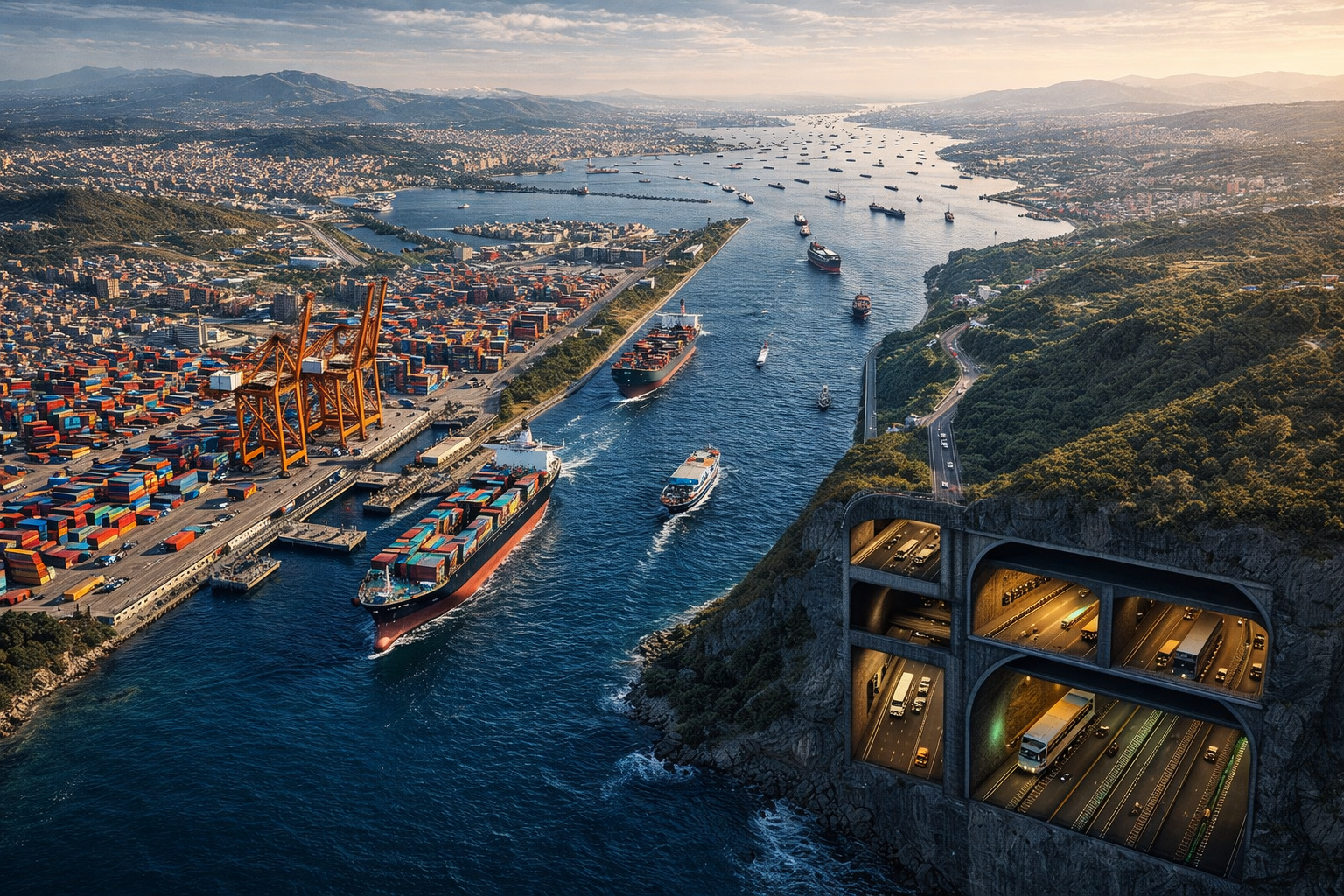
Turkey Invests Billions in Artificial Canal, Tunnels, and Railways to Ease the Bosporus, Connect Europe and Asia via New Corridors, and Compete in Global Trade.
Few countries occupy a geographical position as strategic as Turkey. Situated exactly between Europe and Asia, Turkish territory has always functioned as a natural bridge between continents, empires, and trade routes. Today, this role returns to the center of the global stage with an unprecedented ambition: to reorganize the flow of international trade by land, sea, and rail, reducing dependence on historical bottlenecks and transforming the country into a continental-scale logistics hub.
At the heart of this strategy is a set of megaprojects that includes the Istanbul Canal, underwater tunnels, international railway corridors, and the expansion of strategic ports. Together, these investments aim to relieve pressure on the Bosporus Strait — one of the most congested and sensitive maritime passages on the planet — and capture an ever-increasing share of the trade that currently crosses Eurasia.
The Bosporus Bottleneck and the Limit of the Current Route
The Bosporus Strait is one of the world’s most critical maritime routes. It connects the Black Sea to the Sea of Marmara and, from there, to the Mediterranean. Every year, tens of thousands of ships cross this narrow, winding passage surrounded by densely populated urban areas of Istanbul.
-
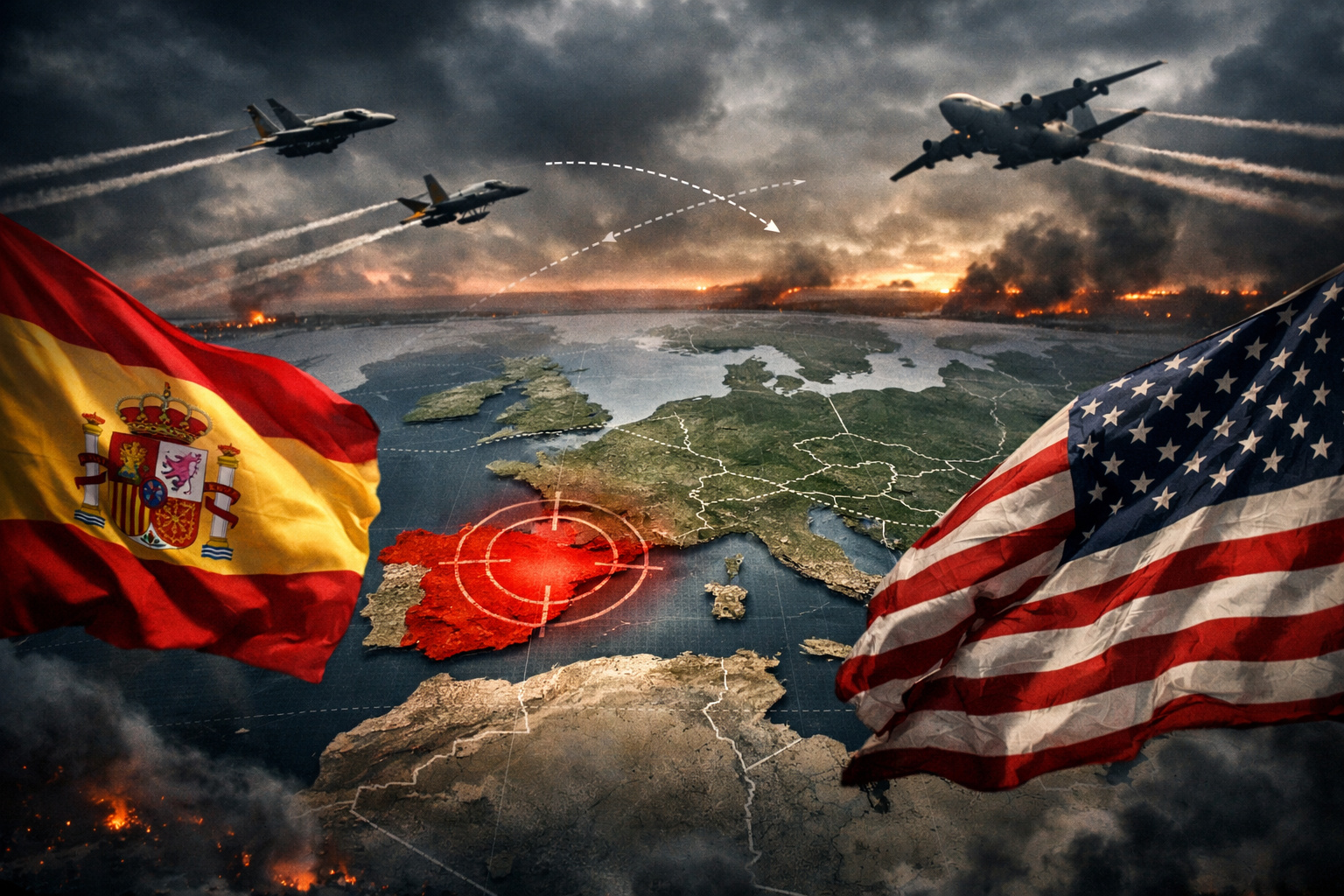
Spain challenges the USA and closes its airspace for operations against Iran, raising global tension and provoking the threat of a trade rupture.
-
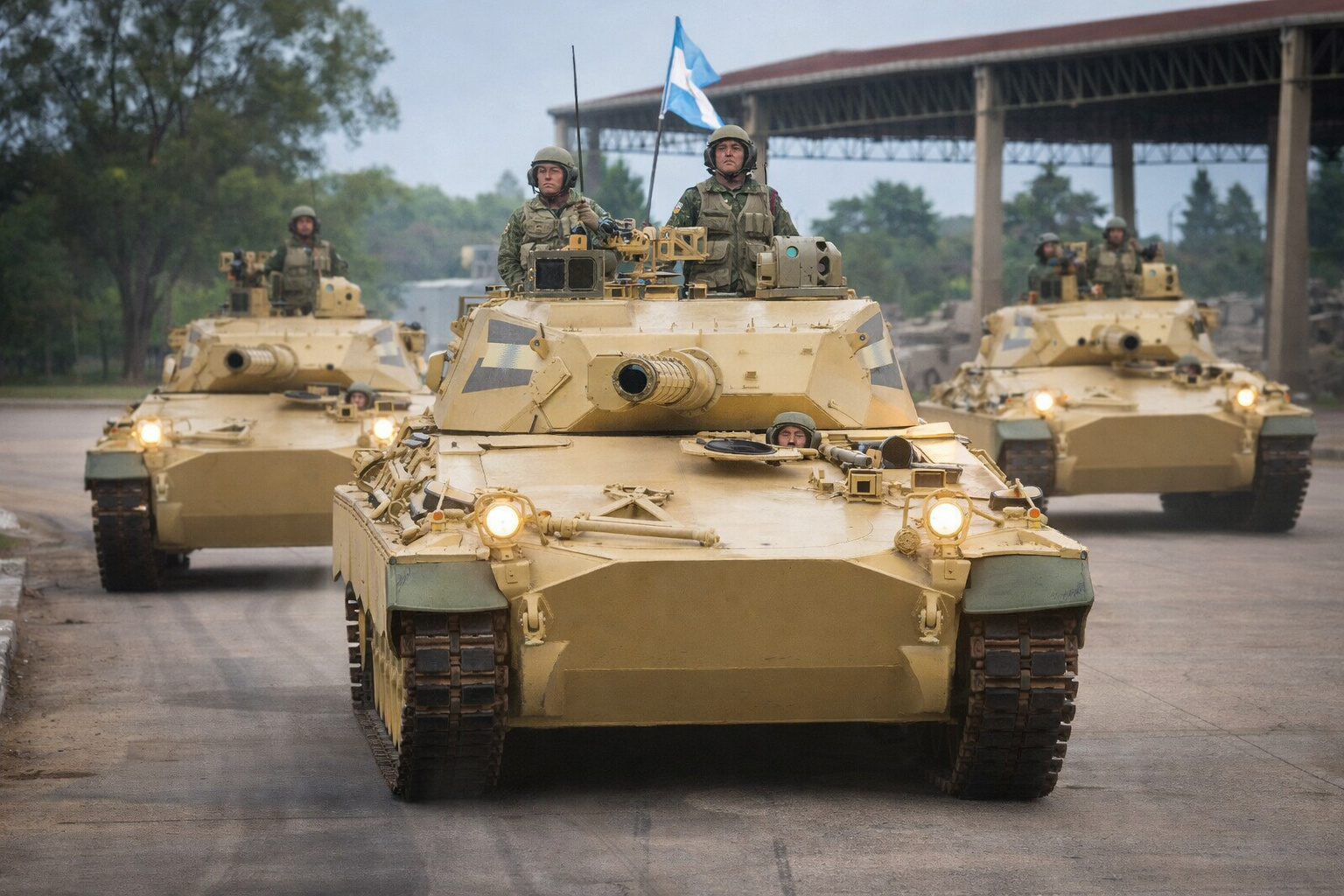
While no other country manufactures tanks in Latin America, Argentina activates the TAM 2C-A2 and raises a curiosity about the technological lag in the region.
-
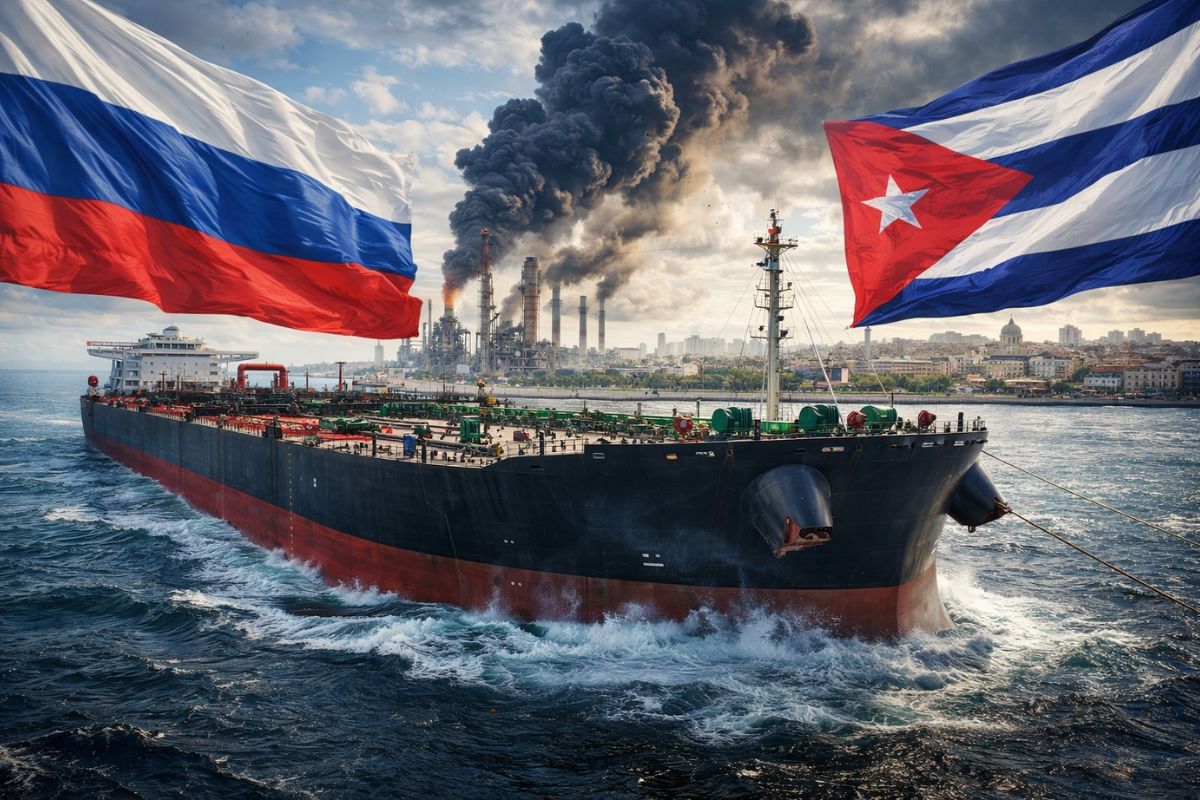
A Russian ship with 730,000 barrels of oil has just arrived in Cuba while Mexico negotiates fuel sales through private companies: the communist island is desperately seeking alternatives after losing its supply from Venezuela due to American military action.
-
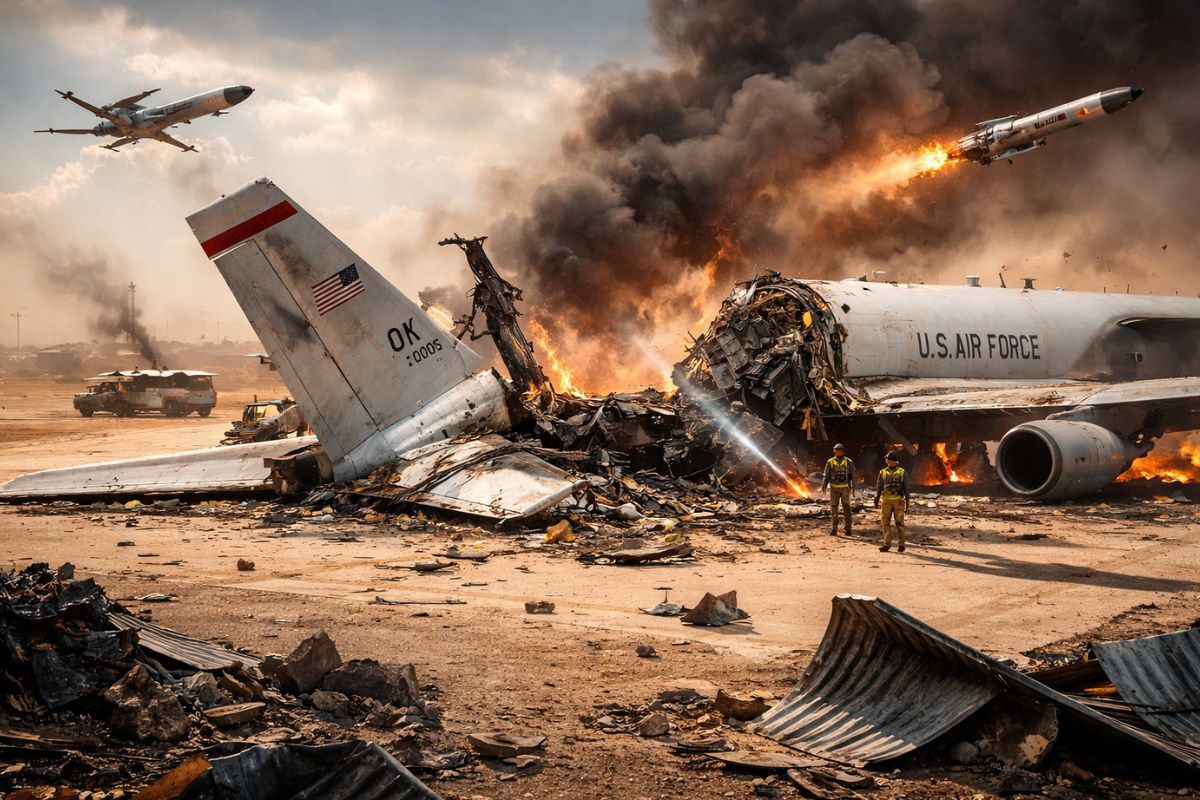
Iranian drones and missiles destroyed a 270 million dollar American spy plane in Saudi Arabia, splitting the E-3 Sentry aircraft in half and injuring 12 military personnel in an attack that exposes the vulnerability of U.S. bases in the Persian Gulf.

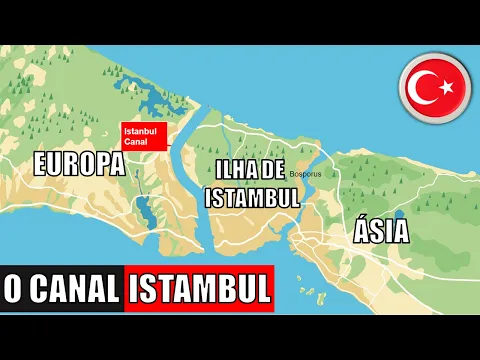

The problem is that the Bosporus is already operating near its limit. Security restrictions, heavy traffic, environmental risks, and recurring accidents make the route slow, unpredictable, and increasingly costly for global trade. A single incident can halt flows that supply Europe, Russia, the Middle East, and Central Asia. It is at this point that Turkey sees a historic opportunity.
Istanbul Canal: A Billion-Dollar Artificial Shortcut
The most controversial and ambitious project is the Istanbul Canal, an artificial waterway that would create a new link between the Black Sea and the Sea of Marmara, parallel to the Bosporus. Spanning dozens of kilometers, the canal is designed to accommodate large ships, reduce traffic in the natural strait, and provide an alternative route under the direct control of the Turkish state.
Besides alleviating environmental and urban risks in Istanbul, the canal would allow Turkey to gain direct influence over one of the main maritime gateways in Eurasia, something that the current international regime limits in the Bosporus.
The estimated investment is in the tens of billions of dollars and involves not only the excavation of the canal but also monumental bridges, new ports, logistics zones, and planned urban areas along its route.
Underwater Tunnels Connecting Continents
While planning a new maritime canal, Turkey is already advancing underground. The country has constructed rail and road tunnels under the Bosporus Strait, directly connecting the European and Asian sides of Istanbul.
These projects have drastically reduced urban travel time and, more importantly, created physical continuity for international railway corridors, something essential for the uninterrupted transport of goods between Europe and Asia.
The logic is clear: if goods can traverse continents by rail without solely relying on ships, Turkey becomes a mandatory passage.
Railways as an Alternative to the Oceans
Turkish railway corridors are designed to integrate Eastern Europe, the Balkans, the Caucasus, Central Asia, and indirectly, China. Cargo trains can cross Turkish territory connecting ports in the Mediterranean and the Black Sea to internal and external markets.
This railway network places the country in a strategic position within the new land routes of Eurasia, competing for prominence with Russian corridors and Chinese projects.
For time-sensitive cargo — such as industrial goods, electronic components, and high-value products — rail represents a competitive alternative to long maritime routes.
Expanded Ports and Logistics Hubs
The Turkish strategy is not limited to canals and tracks. Ports in the Black Sea, the Sea of Marmara, and the Mediterranean are being expanded to operate as integrated logistics hubs, capable of quickly receiving, redistributing, and resending cargo.
These ports function as nodes in a larger network, connecting ships, trains, and roadways within a single system. The goal is to reduce costs, shorten timelines, and enhance the country’s attractiveness as a global passage point.
Geopolitical and Economic Impact
Infrastructure of this scale always has implications beyond engineering. By creating alternative routes to the Bosporus and strengthening land corridors, Turkey enhances its strategic autonomy and relevance in international negotiations.
In a world marked by geopolitical tensions, maritime blockages, and disputes over trade routes, offering alternative pathways is offering power. The ability to transport goods between Europe and Asia without relying on traditional bottlenecks transforms into a political and economic asset.
Criticism, Risks, and Challenges
The plan is not free from controversy. The Istanbul Canal faces environmental criticism, questions about urban impact, water risks, and high costs. There are also legal debates surrounding its relationship with international treaties that regulate traffic in the Bosporus.
Additionally, execution depends on political stability, continuous funding, and complex coordination among different modes of transport.
Turkey’s Bet on the Center of the World
Despite the challenges, Turkey’s message is clear: the country does not want to be just a passive corridor. It wants to be one of the architects of the routes of the 21st century.
By combining an artificial canal, underwater tunnels, international railways, and expanded ports, Turkey seeks to turn its geography into maximum advantage. If the plan materializes, the country will cease to be merely a bridge between continents and become one of the major logistics centers of the planet.
In the game of global trade, those who control the pathways control the flow. And Turkey is determined to open its own.









-

Uma pessoa reagiu a isso.