





 Portuguese
  English
  Spanish
 5 min of reading
  0 comments


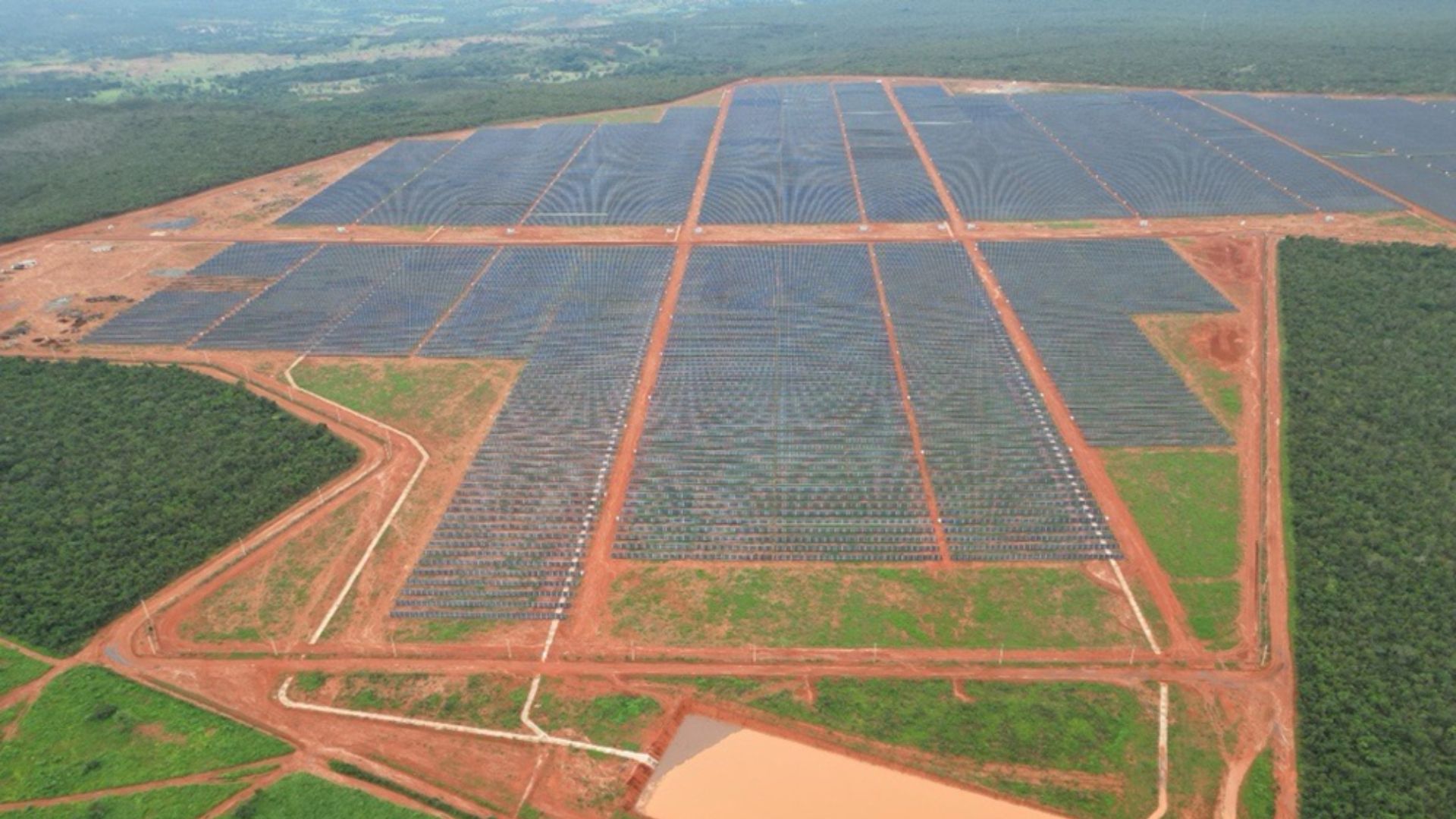
TJ de Minas Reduces Public Spending by Migrating Units to the Free Contracting Environment, Adopts Certified Clean Energy and Advances in Energy Efficiency, Institutional Sustainability, and Modern Management in the Judiciary
In 2025, the Court of Justice of Minas Gerais (TJMG) registered a real accumulated savings of R$ 3.6 million by adopting renewable energy in the free energy market, consolidating a relevant energy efficiency project implemented in the Brazilian Judiciary. According to a report published by TJMG on January 15, the initiative combines public spending reduction, environmental sustainability, and modernization of energy management.
Immediate Savings Position TJMG as a Reference in the Free Energy Market
The result stems from Contract No. 102/2024, signed with the Energy Company of Minas Gerais Generation and Transmission S.A. (Cemig-GT), which allowed TJMG to migrate units served at medium voltage to the Free Contracting Environment (ACL). In addition to financial savings, the model provides budget predictability, management autonomy, and alignment with sustainable public policies.
The savings of R$ 3.6 million achieved by TJMG in 2025 demonstrates, in a concrete way, the potential of the free market as a strategic tool for cost reduction in the public sector. The contract provides for a global discount of 31% on the value of the contracted energy, in addition to a minimum discount of 50% on the Distribution System Usage Tariff (TUSD).
-
A Canadian retiree creates a hydroelectric system on a real river, generating energy continuously throughout the day and demonstrating how the power of water can supply a house with stability even in a simple structure.

-
Petrobras reaffirms its commitment to the market and ensures that it will carry out the energy transition safely to maintain national sovereignty.

-
Researchers discover a possible hydrogen deposit of up to 46 million tons beneath an ancient coal basin, and the volume could exceed half of the entire global production.

-
China bets on the Fishery-PV model and transforms fish farms into giant solar plants, covering ponds with panels that generate energy while utilizing the same space for large-scale aquaculture production.


In practice, this represents a real estimated discount of between 35% and 40% compared to the previous model, in which the Court acquired energy in the Regulated Contracting Environment (ACR). The migration to the free market breaks with the traditional logic of tariff dependence and enhances the public agency’s negotiating power. Thus, the savings achieved are not incidental, but rather the result of a structural change in the energy contracting model.
Certified Renewable Energy Strengthens Institutional Sustainability of TJMG
Another essential pillar of the project is the exclusive use of certified renewable energy through Renewable Energy Certificates (REC). This certification ensures traceability of the energy’s origin and proves that TJMG’s consumption is associated with clean and sustainable sources.
The adoption of renewable energy goes beyond the environmental aspect. It strengthens the institutional image of the Court, aligns with the guidelines of the National Justice Council, and helps reduce the carbon footprint of judicial activities.
The project was developed by the Executive Board of Engineering and Building Management (Dengep), ensuring full compliance with the technical, regulatory, and operational requirements established by the National Electric Energy Agency (Aneel) and the Electric Energy Commercialization Chamber (CCEE).

Free Market Ensures Predictability and Efficiency in Energy Management
The contract between TJMG and Cemig-GT has a term of 60 months, with the possibility of extension for an equal period. The estimated global consumption is 78,501 GWh, with an approximate value of R$ 41.8 million over the contractual term.
This format ensures cost predictability and protection against tariff fluctuations, common in the regulated environment. For public administration, this stability is essential for medium and long-term budget planning.
Furthermore, the free market allows for greater autonomy in consumption management, enabling TJMG to monitor, analyze, and optimize energy use in its buildings.
TJMG Expands Savings and Efficiency with Renewable Energy in the Districts
Currently, the contract serves 27 medium and large buildings, distributed between the capital of Minas Gerais and several districts in the state. All have started to be supplied with certified renewable energy, consolidating a unified environmental standard.
The first unit to migrate to the free market was the Cataguases Forum, in the Zona da Mata, which has already received a bill with a discount in 2024. In January 2025, another 23 units were migrated, followed by two in March and one in May.
The schedule strictly adhered to technical and regulatory requirements, including adjustments in measurement and billing systems, migration deadlines, and termination of previous contracts.
Economy at TJMG Aligned with the Judiciary’s Sustainability Policies
According to the president of TJMG, judge Luiz Carlos Corrêa Junior, the investment in renewable energy ensures not only savings but also efficiency and alignment of the Judiciary of Minas with modern sustainable practices.
The magistrate highlights that the contract ensures significant reductions in distribution costs, making the model more advantageous than contracting in ACR. This change represents a strategic advancement in public energy management.
Meanwhile, the superintendent of Works and Building Management, judge Ronaldo Claret de Moraes, emphasizes that the project provides greater autonomy, cost reduction, and access to clean, sustainable, and cheaper energy.
Free Market Strengthens Governance and Energy Control at TJMG
The contract establishes clear responsibilities for both parties. Cemig-GT is responsible for specialized service, guaranteed clean energy with traceability, technical reports, and regulatory compliance.
It is up to TJMG to provide information, oversee the contract, approve and pay invoices, and strictly monitor the established deadlines and conditions. This model strengthens governance and enhances institutional control over energy consumption.
According to the assistant judge of the Presidency and responsible for Dengep, Luís Fernando de Oliveira Benfatti, the project anticipates the future migration of another 60 units served at medium voltage, especially in new courthouses or renovated buildings.
Renewable Energy and Free Market as a Path to Future Expansion
In addition to units at medium voltage, TJMG has around 500 units served at low voltage that could migrate to the free market when legislation allows. In this scenario, a new bidding process will be conducted for specific supply contracting.
This perspective further expands the potential for savings and sustainability, positioning the Judiciary of Minas Gerais at the forefront of energy modernization in the public sector. The project is aligned with Resolution No. 400/2021 of the National Justice Council and the Sustainable Logistics Plan of the Court, reinforcing its institutional and strategic legitimacy.
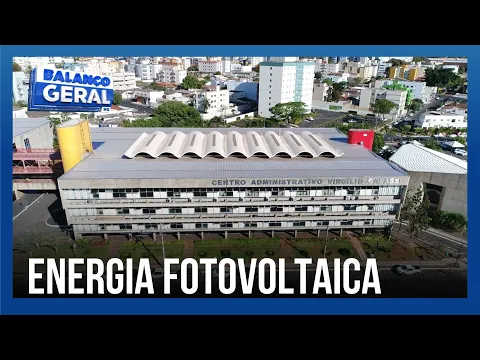

A Model of Economy and Renewable Energy that Projects TJMG into the Future
The TJMG experience in 2025 demonstrates that it is possible to reconcile public resource savings, renewable energy, and administrative efficiency through the free market. The accumulated savings of R$ 3.6 million reflect a solid institutional policy, based on technical planning, governance, and environmental commitment.
By adopting a modern energy contracting model, the Court of Justice of Minas Gerais strengthens its public role, reduces environmental impacts, and contributes to the sustainable transformation of Brazilian public service. The case of TJMG becomes a national reference in energy efficiency, fiscal responsibility, and institutional innovation.








Seja o primeiro a reagir!