





 Portuguese
  English
  Spanish
  3 min of reading
  0 comments


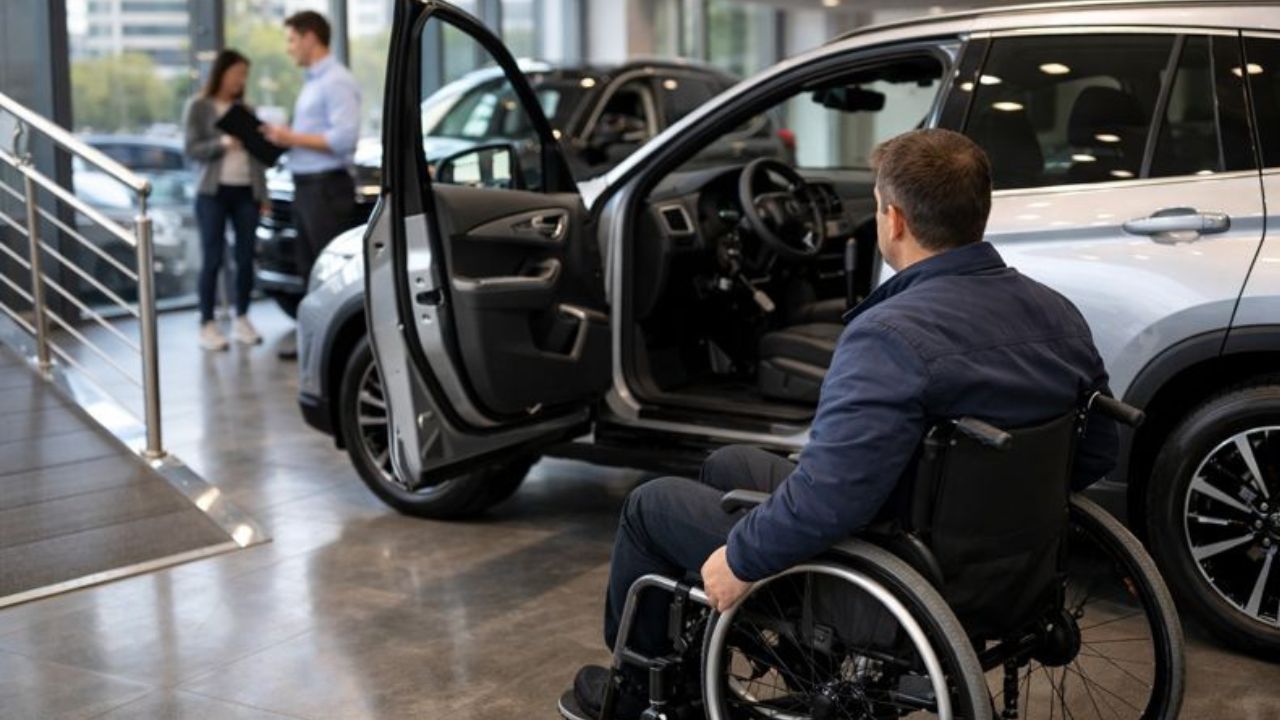
Tax Exemption for PCD Cars Changes in 2026, Raises the Ceiling and Facilitates Vehicle Purchases for People with Disabilities Across Brazil.
The rules for tax exemption when purchasing PCD cars were updated in 2026, directly impacting people with disabilities who plan to acquire a new vehicle in the coming years.
The change, outlined in PLP 108/24, redefines the value limits for tax exemption, broadens the scope of the benefit, and prepares the automotive sector for the transition to the new national tax system scheduled for 2027.
This update affects buyers, manufacturers, and also the states, within a broader economic context involving revenue, consumption, and fiscal adjustments.
-
Less than a Tera TSI, up to 710 km of range and charging in 9 minutes: the new BYD Song Ultra expands the Chinese brand’s bet on increasingly faster, more technological, and competitively priced electric SUVs.

-
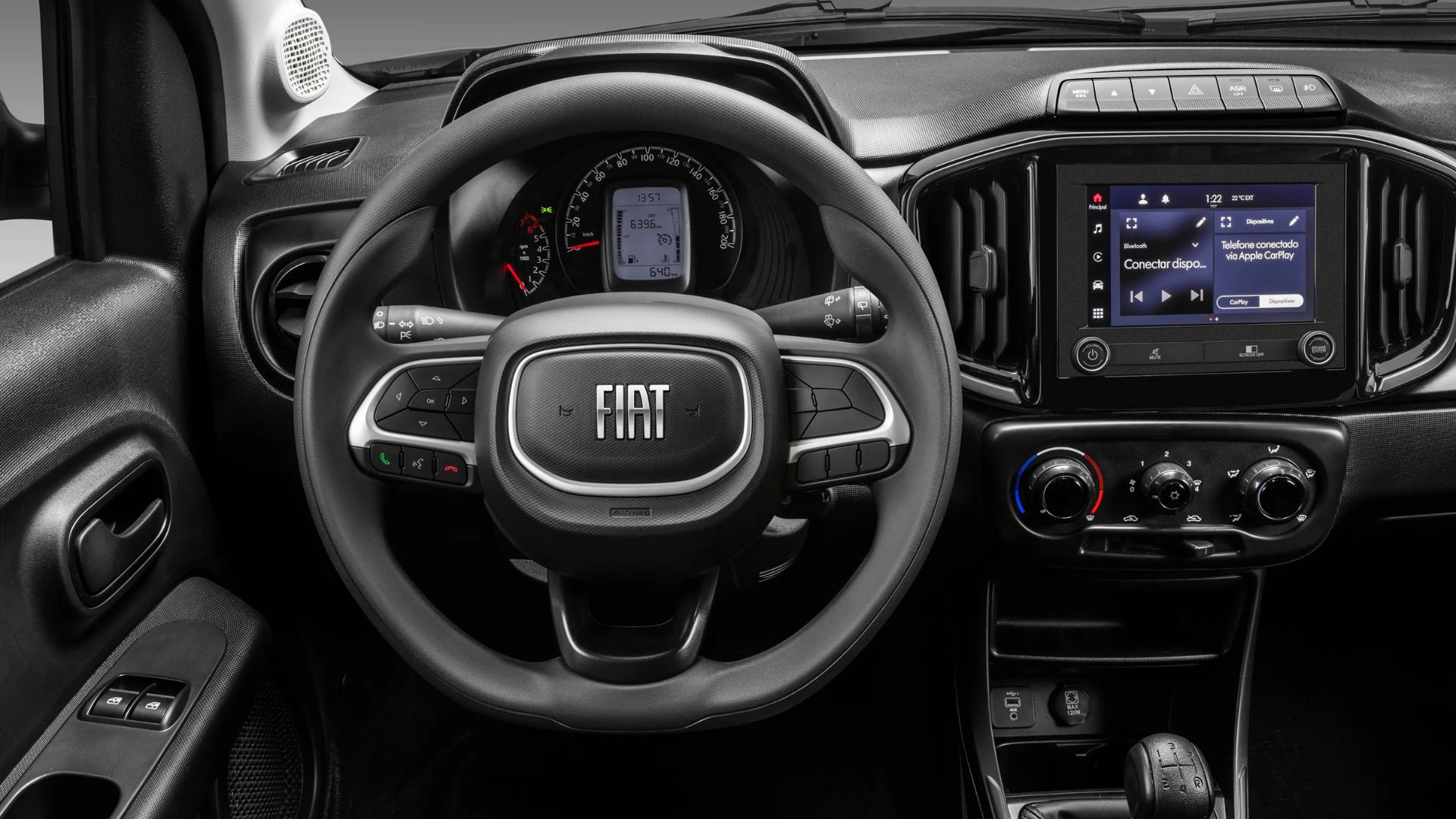
With a 1.0 engine producing 75 hp and costing less than R$ 70,000, Fiat’s car returns to the podium as the cheapest in the country; a temporary promotion for the 2026 Like version reduces the price of the Fiat Mobi.
-
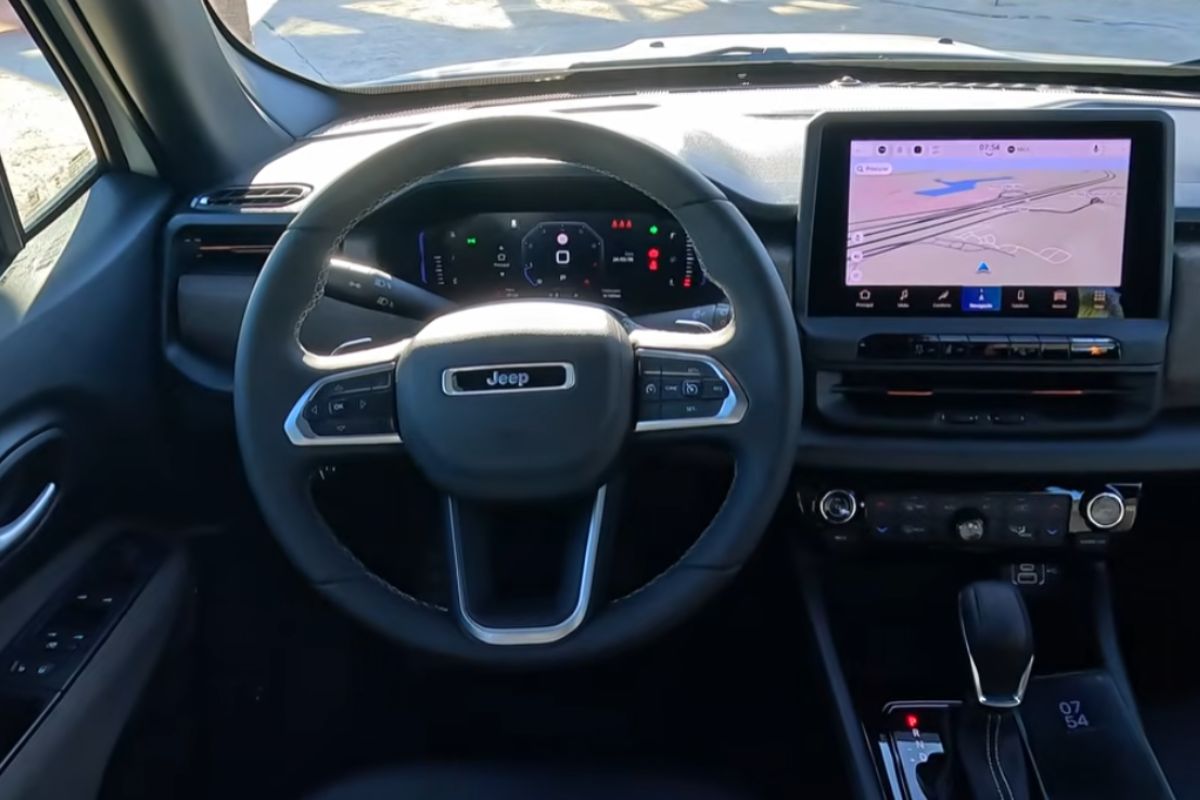
With a mild hybrid system of 48 V, 176 hp and a price of R$ 175,990 in the Sahara version, the new Jeep Renegade changes mostly on the inside, improves slightly in fuel consumption, and remains almost the same car.
-
With a 293.5 cm³ engine and a range of up to 400 km with a 14.1-liter tank, the Honda CB 300F Twister 2026 has up to 24.7 hp, an initial price of R$ 25,150, and already exceeds R$ 29,000 in the Fipe Table.


What Changes in Tax Exemption for PCD Cars in 2026
The main alteration in the tax exemption rules for PCD cars is the increase in the ceiling value for full discount.
The limit rises from R$ 70,000 to R$ 100,000, allowing more modern, safe, and technology-rich models to qualify for the benefit.
Additionally, the new legal framework establishes that vehicles valued up to R$ 200,000 remain eligible for the incentive policy, even if with partial exemption above the main ceiling.
This expands the range of options for people with disabilities, especially in a market pressured by inflation and rising industrial costs.
The changes are part of PLP 108/24, which addresses the tax administrative process and is included in the tax reform package.
However, despite being approved, the new rules do not yet have immediate practical effects.
When the New Rules Come Into Effect
According to experts, 2026 will still follow the current rules. This means that the previous limits of ICMS and IPI remain valid according to the current legislation of each state.
Tax lawyer Pedro França clarifies the timeline:
“In 2026, the current exemption rules remain in effect (with the previous limits established in the current legislation of ICMS/IPI, as per each State).”
According to him, the effective application of the new rules is linked to the implementation of the new tax system, scheduled for 2027. The goal, according to França, is to balance the fiscal benefit with principles of tax justice, without compromising state revenue.
Chamber Maintains Tax Exemption for People with Disabilities
Another central point for vehicle purchases by people with disabilities was the approval of the basic text of the Tax Reform by the Chamber of Deputies.
With 330 favorable votes, the plenary confirmed the maintenance of tax exemptions for PCD cars, a decision considered strategic for thousands of Brazilians.
Initially, the proposal restricted the benefit only to vehicles with external adaptations, which would exclude more than 95% of the PCD audience currently served.
However, the understanding approved by the Senate prevailed, overturning this requirement and ensuring the continuation of the right.
Three Central Decisions Impacting PCD Cars
The approved text brought three fundamental changes for those relying on the tax exemption for vehicle purchases:
End of the External Adaptation Requirement, ensuring the benefit for different types of disabilities;
New Exemption Ceiling, with full discount up to R$ 100,000 and partial between R$ 100,000 and R$ 200,000;
Reduction of the Vehicle Exchange Period, which decreases from four to three years, increasing flexibility for consumers.
According to Mundo do Automóvel para PCD, even with the voting of highlights still pending, none of them address exemptions, removing the immediate risk of withdrawal of the benefit.
After this stage, the project goes to presidential sanction, which may occur with or without vetoes.
Economic Impacts and Broader Context
The changes in tax exemption for PCD cars occur within a sensitive economic landscape, marked by fiscal adjustments, debates on revenue, and attention to global markets.
While sectors monitor fluctuations in silver, gold, and other precious metals that influence industrial costs and investments, the United States remains a key reference in economic and fiscal discussions on taxation models and consumer stimulation.
In this context, the new Brazilian model seeks to reconcile social inclusion, economic stimulation, and fiscal balance, ensuring predictability for consumers and the automotive industry.










Seja o primeiro a reagir!