





 Portuguese
  English
  Spanish
  5 min of reading
  0 comments


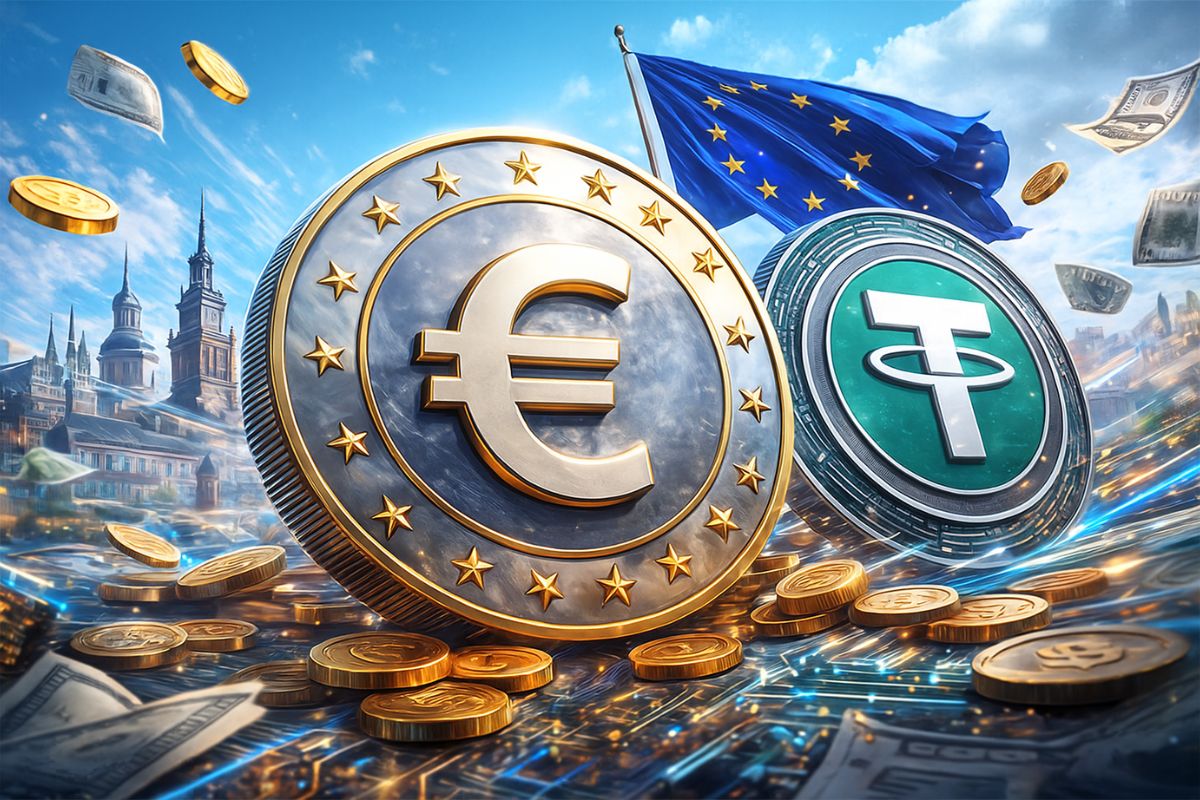
Consortium of Ten European Banks Creates Qivalis in Amsterdam, Seeks Electronic Money Institution License from Dutch Central Bank, and Prepares Euro Stablecoin for the Second Half of 2026, Competing with Tether and US Rivals in Digital Payments for Scale, Trust, and European Regulation
A group of ten European banks has decided to create a stable digital currency pegged to the euro to compete in a market currently dominated by US companies and Tether. The consortium includes institutions such as ING, UniCredit, BNP Paribas, Banca Sella, KBC, DekaBank, Danske Bank, SEB, Caixabank, and Raiffeisen Bank International, which see the initiative as a way to strengthen Europe’s digital payment infrastructure and reduce its dependence on global dollar solutions.
The operation will be concentrated in Qivalis, a company based in Amsterdam, which plans to launch the new euro stablecoin in early the second half of 2026. The project will be led by Jan Oliver Sell, who previously worked at Coinbase in Germany and takes on the role of CEO, by Floris Lugt, head of digital assets at ING and now CFO, and by Howard Davies, former chairman of NatWest, who will serve as chairman, while the group awaits the Electronic Money Institution license from the Dutch central bank.
Why European Banks Want Their Own Stablecoin
For European banks, the creation of Qivalis is an attempt to combat US dominance in digital payments and build an alternative anchored in the bloc’s single currency.
-
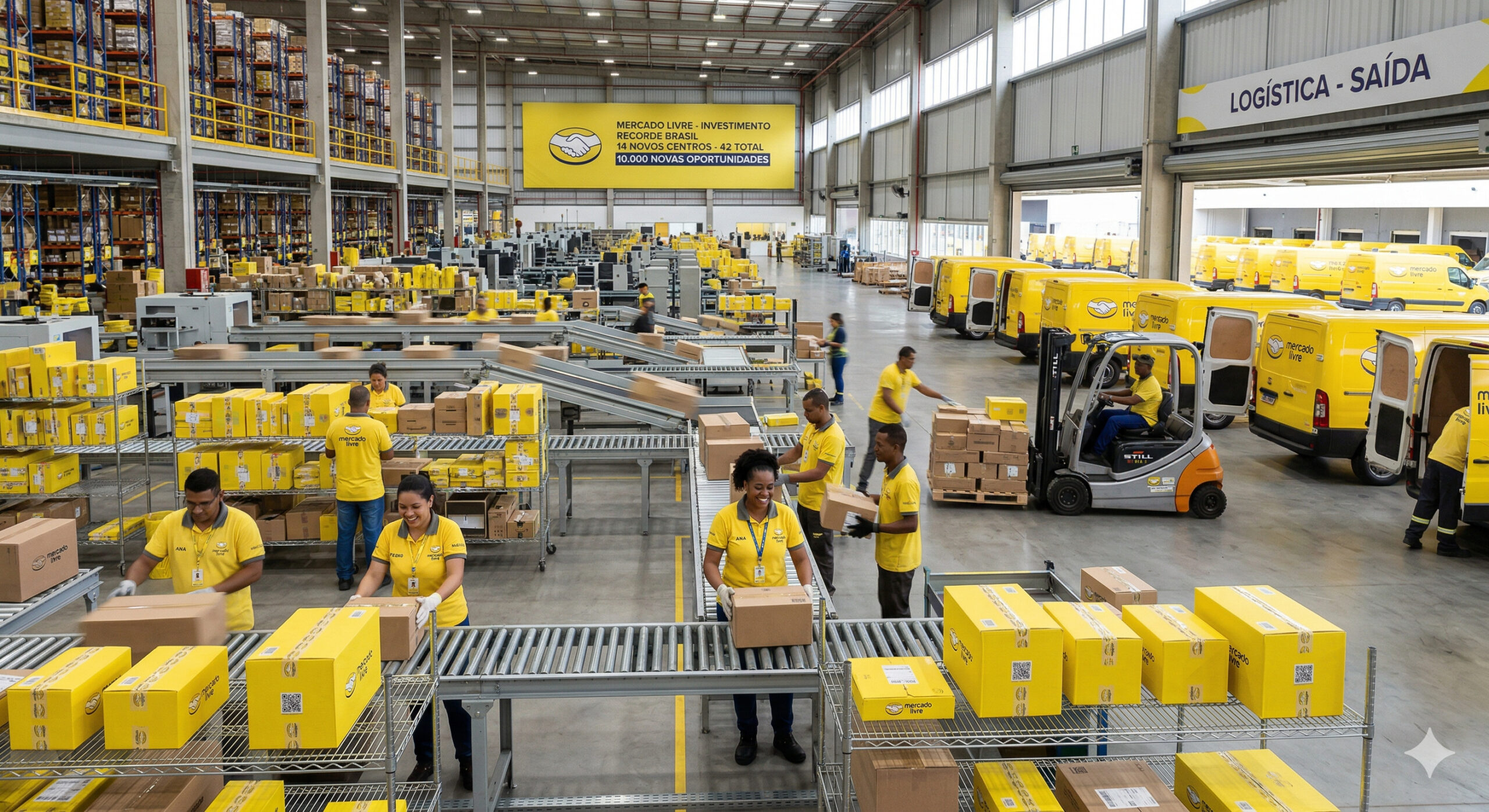
Mercado Livre “opens the vault” and announces a record investment of R$ 57 billion in Brazil in 2026, a value 50% higher than the previous year, with an expansion plan that includes 14 new logistics centers, totaling 42 units in the country and hiring an additional 10,000 employees.
-
How investment in technology can revolutionize the national economy and enhance industrial gains, according to a study that highlights the direct impact on productivity, innovation, and wealth retention within Brazil.

-
The largest food company on the planet, JBS, has just opened a 4,000 square meter laboratory in Florianópolis to develop customized proteins that modulate muscle mass gain, immune response, and metabolic performance.

-
After nearly 30 bids and competition among industry giants, a Spanish company purchases one of the largest airports in Brazil for almost R$ 3 billion and takes over the management of Galeão in a concession that will last until 2039.


Currently, the main stablecoins relevant in the market are linked to the dollar, which concentrates technological, financial, and regulatory power in American companies and institutions.
By launching a euro-backed token, the consortium aims to offer a digital settlement option that follows European rules, facilitates international payments within the region, and provides more predictability to businesses and consumers operating in euros.
The expectation is that the new digital currency could be used in transactions between banks, in financial retail, and in payment solutions for large corporate clients, expanding the reach of the common currency in the crypto environment.
Who is Behind Qivalis
The consortium was initially announced with nine institutions: ING, UniCredit, Banca Sella, KBC, DekaBank, Danske Bank, SEB, Caixabank, and Raiffeisen Bank International.
Subsequently, BNP Paribas joined the group, increasing the project’s weight within the European financial system and reinforcing the strategy of cooperation among major traditional banks in the area of digital assets.
The presence of different types of banks, from large international groups to institutions with strong regional presence, is seen internally as a way to give reach to the future stablecoin and increase the chance of adoption by corporate and retail clients.
The coordination under the Qivalis brand allows these institutions to share technological costs, regulatory efforts, and innovation agendas in crypto assets.
How the Euro Stablecoin Will Work
Qivalis plans to issue a stablecoin pegged to the euro, meaning a digital currency designed to maintain stable value, backed by reserves in traditional currency.
In this model, each unit of the token is linked to an equivalent value in euros, reducing the typical volatility of other cryptocurrencies and making the asset more suitable for payments, transfers, and everyday use.
According to the plan presented by the group, the launch is expected in early the second half of 2026. Before that, the company needs to obtain an EMI license, the classification of Electronic Money Institution from the Dutch central bank.
The licensing process is estimated to take six to nine months, during which regulators will analyze governance, risk controls, reserve management, and user protection mechanisms.
Direct Competition with Tether and US Response
The main market reference today is Tether, a company based in El Salvador that has established itself as a global leader in stablecoins. Its dollar-pegged token amounts to about US$ 185 billion in circulation, giving the company enormous influence over liquidity and capital flow in the crypto universe.
It is this space that European banks are trying to occupy, but with a solution built within the European regulatory framework and backed by euros.
While Europe articulates Qivalis, major financial institutions in the United States are also preparing to launch their own stablecoins backed by dollars, following the signing of a law by Donald Trump defining specific rules for this type of asset.
In practice, the scenario points to a regulated dispute between economic blocs, in which euros and dollars seek to consolidate their presence in the digital environment through stable tokens controlled by authorized banks and companies.
Next Steps and Regulatory Challenges of Qivalis
The first major step for Qivalis is to complete the authorization process as an Electronic Money Institution with the Dutch central bank.
Approval is crucial for the company to operate the euro stablecoin under regulatory supervision, ensuring that the reserves backing the token are managed conservatively and transparently. Without this stamp, the consortium cannot move on to the commercial stage.
If the estimated timeline of six to nine months for the license is met, Qivalis will be in a position to launch its digital currency in early the second half of 2026, as planned.
From there, the challenge will be to convince partner banks, companies, and end customers to test a new solution in a market already dominated by dollar-pegged tokens, demonstrating that an alternative in euros, created by large European banks, can offer security, liquidity, and integration with the traditional financial system.
Do you think this strategy of the European banks will really reduce dependency on dollar stablecoins, or will the global digital payments market remain concentrated on assets backed by the American currency?







-

Uma pessoa reagiu a isso.