





 Portuguese
  English
  Spanish
  3 min of reading
  0 comments


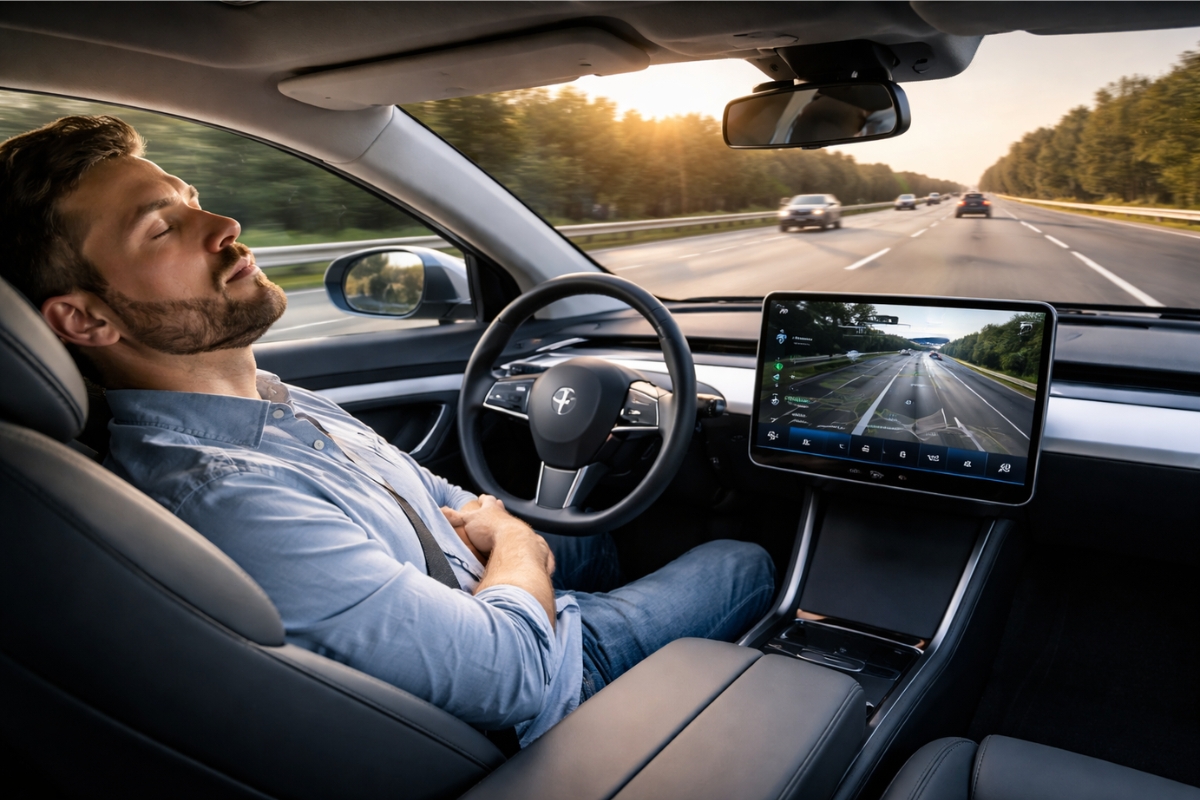
Cross-Country Journey Reignites The Debate About Tesla FSD Maturity And Raises Questions About Legal Limits And Verification Of The Achievement
The cross-country trip made by a Tesla owner has once again put autonomous driving in the spotlight.
The driver claims to have traveled 4,300 kilometers across the United States using the FSD system without touching the steering wheel to take manual control.
The case draws attention because it involves highways, cities, complex stretches, and stops for recharging, a scenario that often exposes flaws in assistance technologies.
-
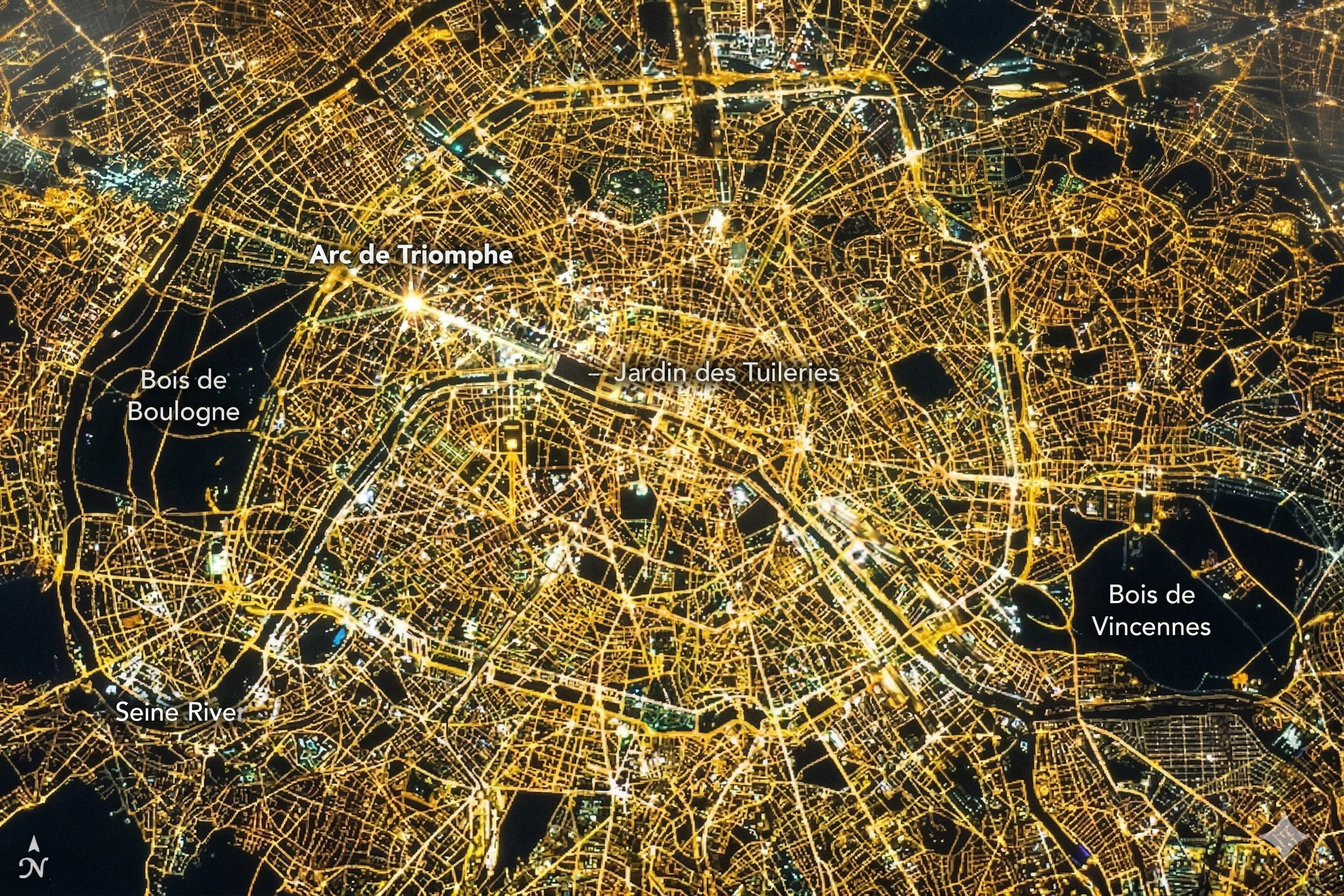
At an altitude of 400 km by astronauts from the International Space Station, Paris transforms at night into a golden mesh so precise that it reveals the outline of the Seine River, avenues, and entire neighborhoods like a luminous map drawn over the Earth.
-
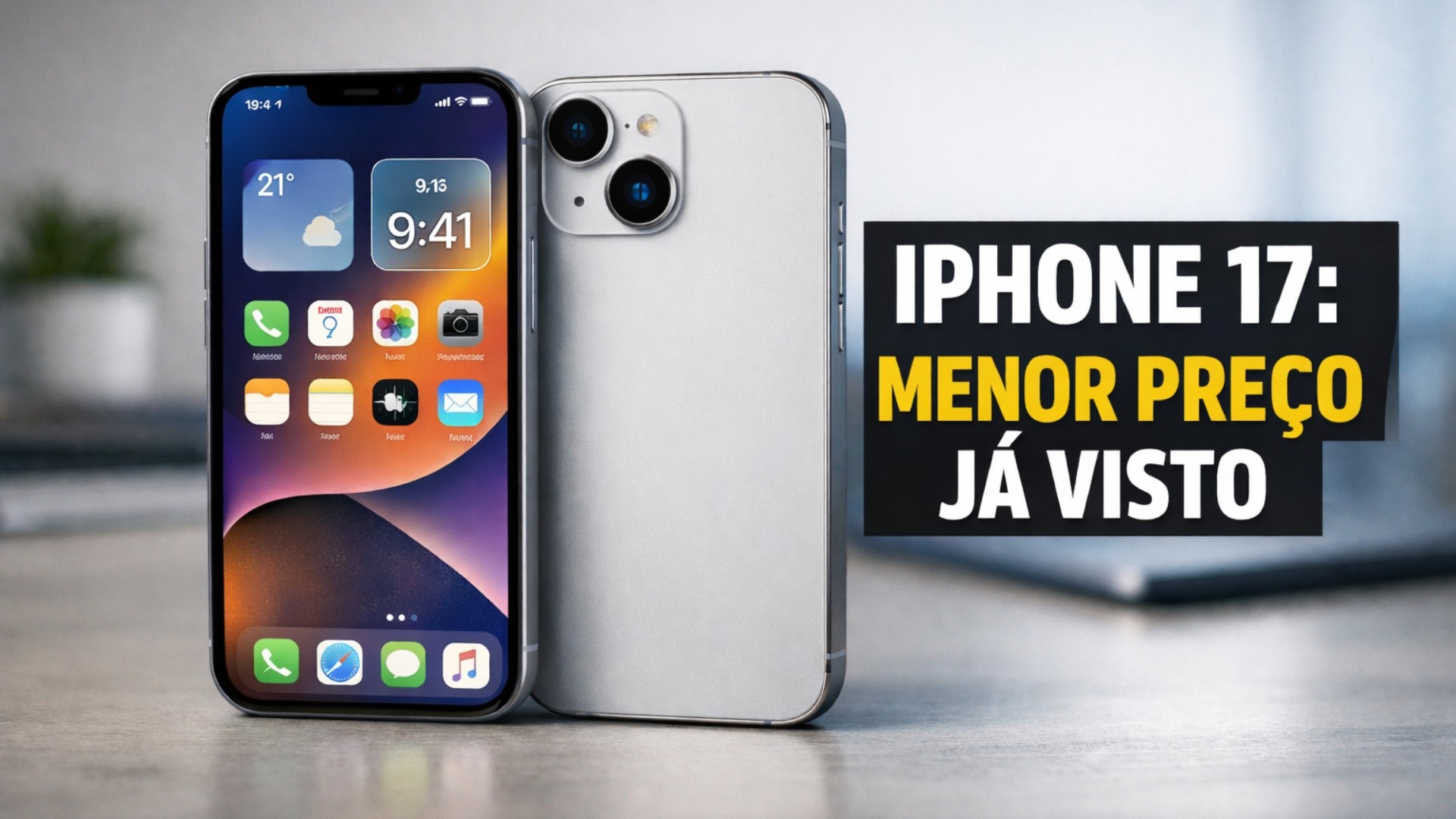
iPhone 17 reaches historic low price with 256 GB, 120 Hz display, and drops to R$ 5,703 on Shopee, featuring A19 chip, dual 48 MP cameras, battery life of up to 30 hours, and advanced AI features.
-
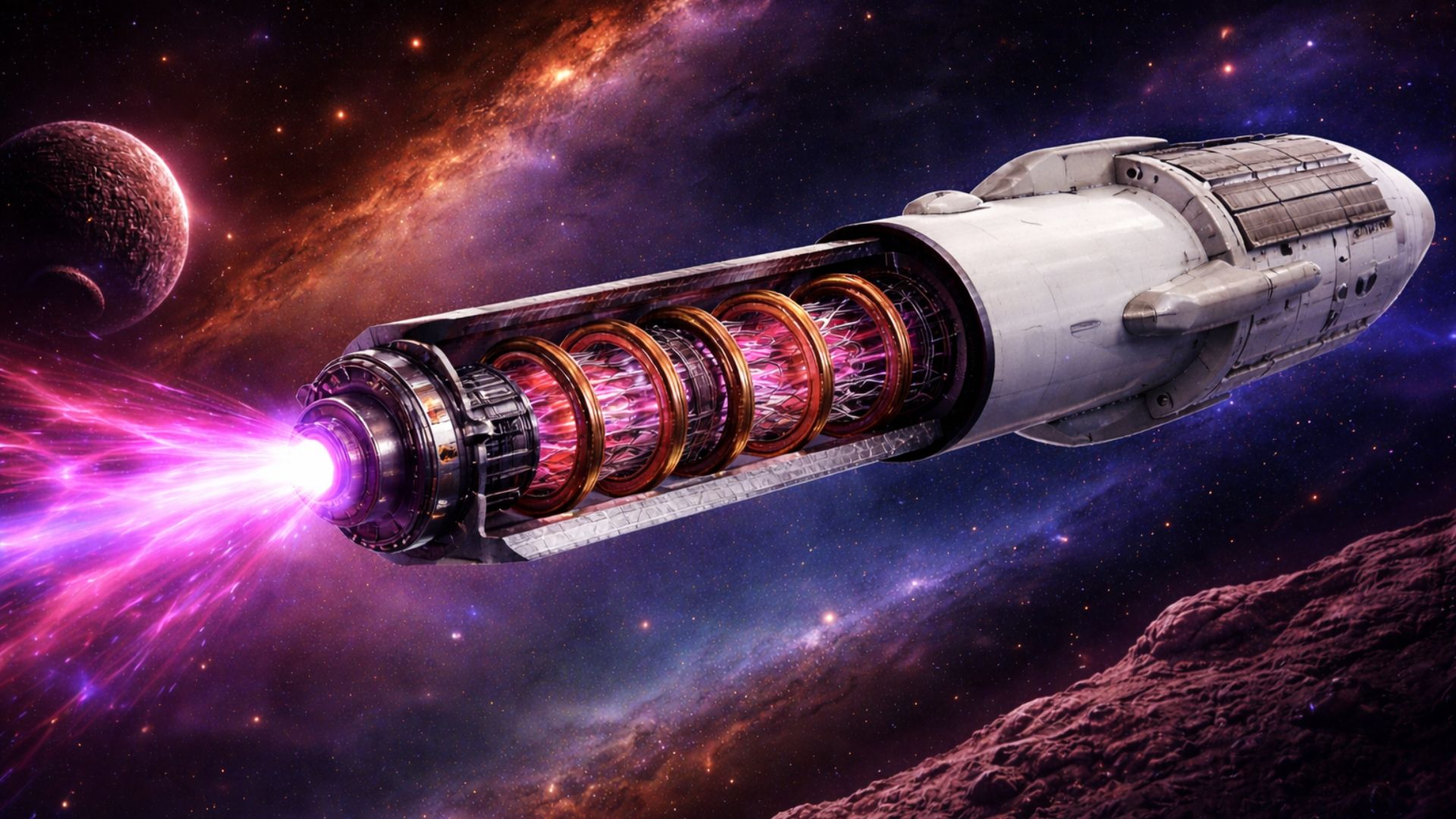
Trip to Mars getting closer: Pulsar Fusion, from the UK, advances with plasma ignition in fusion engine and could drastically reduce space travel time, making crewed missions faster, safer, and economically viable.
-
Made with recycled plastic, a Lego-inspired brick builds a 180 m² house in 15 days, providing thermal comfort, preventing moisture, and turning waste into income, kits, and accelerated construction in the country.


What Happened And Why It Got Attention
David Moss stated that he completed a long-distance route with the Tesla FSD active from start to finish.
The route crossed the country from the West Coast to the East Coast and was completed in just under three days.
The journey included highways, urban streets, complex interchanges, and multiple charging stops, with the car handling a large part of the driving decisions.
How The 4,300-Kilometer Route Went And What The Car Would Have Done

The journey was about 4,300 kilometers, with continuous movement and stops for recharging along the way.
The owner claims that the vehicle managed navigation, lane changes, traffic lights, and merges with minimal human intervention.
The central promise of the demonstration is driving without manual resumption, even in moments usually considered delicate for assisted systems.
This type of real-world use is often seen as a thermometer for software advancement in varied situations.
The Driver’s Statement And The Highlight For FSD V14.2
Moss claimed to have started the trip at Tesla Diner in Los Angeles and concluded it in Myrtle Beach, South Carolina.
He indicated a time of two days and twenty hours to reach the destination, totaling 4370 km.
The version mentioned was Tesla FSD V14.2, with the claim of total absence of interruptions, even while parking and during stops at Tesla Superchargers.
Why The System Is Still Not Considered Fully Autonomous
Even with the name Full Self-Driving, the FSD remains classified as supervised driver assistance technology.
In practice, this requires the driver to remain alert and ready to intervene at any moment.
The vehicle is also not legally recognized as autonomous under the current rules in the United States.
This difference is central to understanding the scope of the achievement and what it really represents in the real world.
Points Of Attention And Common Questions
Earlier this morning December 30th 2025 I crossed 10,000 consecutive miles of non rounded up actual true 100% intervention free FSD 14.2 driving in my 2025 Model 3 Premium Long Range RWD
This journey has taken me to 24 states & has done all my driving for over the last month… pic.twitter.com/X6wgNtzzro
— David Moss (@DavidMoss) December 30, 2025
The discussion about levels of autonomy frequently arises in these cases, especially when comparing supervised assistance with Level 4 and Level 5.
There is also the issue of verification: driving without intervention is presented based on the owner’s report and data shared by him.
Without independent confirmation from regulators or testing organizations, the episode tends to be treated as an individual demonstration, not as a definitive validation of readiness for unsupervised use.
Another recurring point is that an exceptional trip does not guarantee average performance across all regions, drivers, and conditions.
What May Happen From Now On
Even with reservations, the crossing reinforces how software updates can enhance the capabilities of current vehicles.
There is potential to reduce driver fatigue and make long trips safer and more efficient when the technology is used responsibly.
The case also pressures the debate about regulation, responsibility, and public understanding of what these systems actually deliver.
Road demonstrations tend to influence expectations and accelerate discussions around rules, limits, and communication to the driver.
The 2,700-mile trip becomes a symbolic milestone of progress but does not erase the gap between advanced assistance and true autonomy.







Seja o primeiro a reagir!