





 Portuguese
  English
  Spanish
  3 min of reading
  2 comments


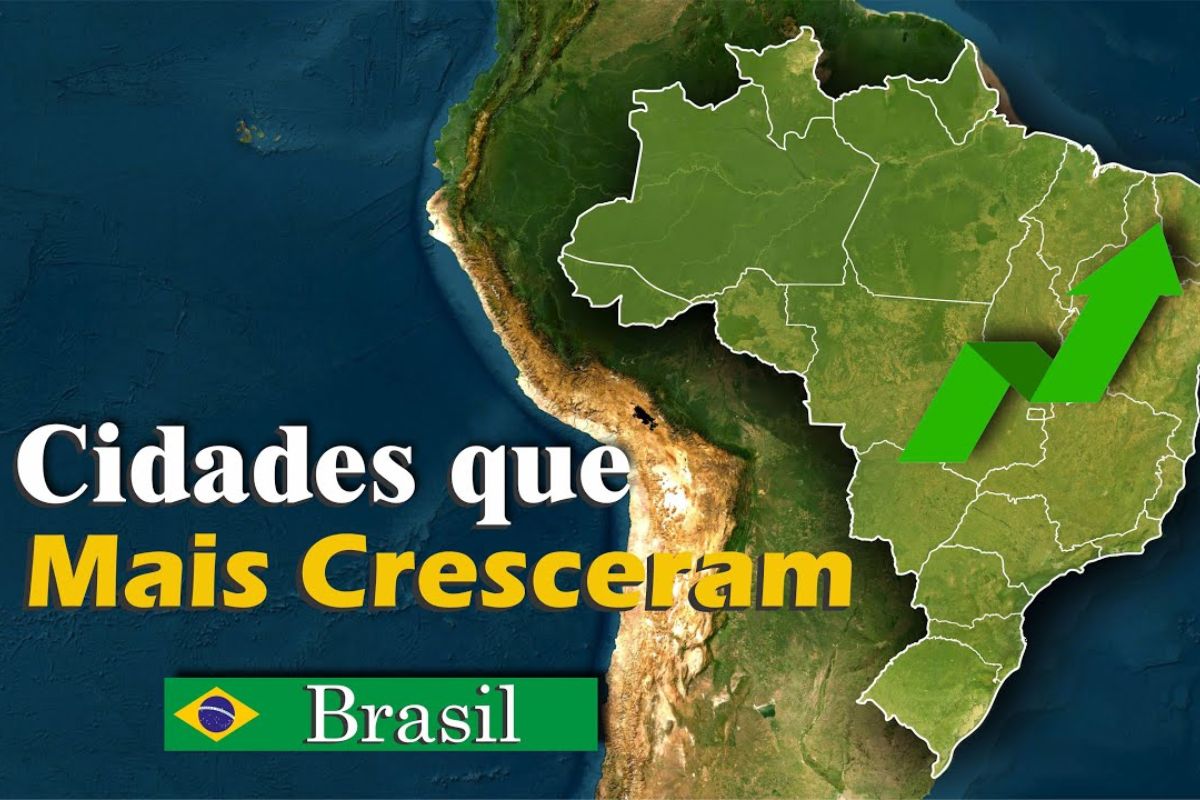


From Industrial Hubs to Tourist Havens, These Cities Accelerated with Logistics, Ports, Agriculture, Mining, and Quality of Life, Changing the Map of Opportunities in the Country.
Brazil is changing quickly, and there are cities growing at a pace that seems from another country. Between 2010 and 2025, the combination of industry, tourism, agribusiness, and large projects spurred internal migrations, new neighborhoods, and booming job markets.
Throughout this text, you will get to know the 10 cities that expanded the most during this period, understand the drivers behind each case, and why so many people decided to start a new life in these places. The numbers and facts follow the provided basis and show how different regions have transformed.
Extrema (MG)
From 28,599 inhabitants in 2010 to 59,336 in 2025, a growth of 107 percent.
-
These living root bridges and ladders are over 700 years old and help indigenous people survive in one of the rainiest regions in the world.

-
From sertanejo star to international investor: Ana Castela invests millions in a mansion in the USA, creates a themed accommodation in Orlando, and shows that the “boiadeira” also wants to grow away from the stage.

-
The 10 most stunning motorhomes in the world: a $3 million trailer with a rooftop nightclub and garage for a Ferrari, “palaces on wheels” with Italian marble, private cinema, and five-star hotel luxury for billionaires.
-
Trump wanted to spend $400 million on the White House, but the courts prohibited the million-dollar construction.


Logistics and industry have made Extrema a magnet for businesses and jobs, thanks to its location between São Paulo, Campinas, and Belo Horizonte, with distribution centers that attracted new residents and investments.
Balneário Gaivota (SC)

From 8,234 inhabitants in 2010 to 17,896 in 2025, an increase of 118 percent. Quality of life and more affordable real estate than in Balneário Camboriú put the city on the radar.
The real estate boom attracted new residents and investors, boosting tourism and services.
Passo de Torres (SC)
From 6,627 residents in 2010 to 14,859 in 2025, a leap of 124 percent. Neighboring Torres, in RS, surfing the urban expansion and regional tourism.
With a lower cost of living and infrastructure and sanitation projects, the city gained appreciation and new residents.
Barra Velha (SC)

From 22,386 inhabitants in 2010 to 52,860 in 2025, a growth of 136 percent.
Between Joinville and Balneário Camboriú, it combines beach, strategic location, and new condominiums. Rising tourism and a booming market helped nearly double its size in 15 years.
Querência (MT)
From 13,303 inhabitants in 2010 to 31,100 in 2025, an increase of 139 percent. Agriculture is the driver with soy, corn, and livestock.
Mechanization, infrastructure, and supply chains generated jobs and opportunities, consolidating the attraction of families and companies.
Goianira (GO)

From 34,600 inhabitants in 2010 to 81,495 in 2025, an expansion of 139 percent. Proximity to Goiânia, cheaper real estate, and good infrastructure explain the growth march.
The footwear and furniture hub strengthened the local economy and attracted residents from the capital.
Itapoá (SC)
From 14,763 inhabitants in 2010 to 36,030 in 2025, a leap of 144 percent. The Itapoá port, inaugurated in 2011, transformed the economy by attracting companies and workers.
Tourism and a laid-back lifestyle continue to attract residents from large cities.
Extremoz (RN)

From 24,567 inhabitants in 2010 to 68,584 in 2025, an increase of 179 percent. Integrated into the Metropolitan Region of Natal, it grew with tourism, real estate, and commerce.
Beaches and easy access to the capital supported new ventures and the arrival of residents.
Abadia de Goiás (GO)
From 6,876 inhabitants in 2010 to 22,052 in 2025, a leap of 221 percent.
Benefited by Goiânia’s expansion and BR-060, improved infrastructure, received developments, and new industries, becoming a new growth hub among the cities of Goiás.
Canaã dos Carajás (PA)

From 26,716 inhabitants in 2010 to 89,524 in 2025, a growth of 235 percent. Iron and copper mining changed the municipality’s status, attracting billions in investments.
Canaã became a development hub and an example of the economic potential of the Amazon.
What These Cities Have in Common
Despite the differences, there are clear common threads among these cities: logistical access, productive anchors like ports, agriculture, industry, and mining, and perceived quality of life.
When these factors align, cities become magnets for investments, jobs, and new residents, reshaping the map of Brazilian growth.
Quick question: among these cities, which one would you choose to live in today and why?









Fui diagnosticada com doença de Parkinson há quatro anos. Por mais de dois anos, dependi da levodopa e de vários outros medicamentos, mas, infelizmente, os sintomas continuaram piorando. Os tremores se tornaram mais perceptíveis e meu equilíbrio e mobilidade começaram a declinar rapidamente. No ano passado, por desespero e esperança, decidi experimentar um programa de tratamento à base de ervas da NaturePath Herbal Clinic.
Sinceramente, eu estava cética no início, mas, poucos meses após o início do tratamento, comecei a notar mudanças reais. Meus movimentos ficaram mais suaves, os tremores diminuíram e me senti mais firme ao caminhar. Incrivelmente, também recuperei grande parte da minha energia e confiança. Tem sido uma experiência transformadora. Me sinto mais eu mesma novamente, melhor do que me sentia há anos. Se você ou um ente querido está lutando contra a doença de Parkinson, recomendo muito que você considere a abordagem natural deles. Você pode visitar o site deles em www. naturepathherbalclinic .com
Alguma cidade litorânea do norte de Santa Catarina, por conta da proximidade com São Paulo e cultura/educação de primeiro mundo.