





 Portuguese
  English
  Spanish
  4 min of reading
  0 comments


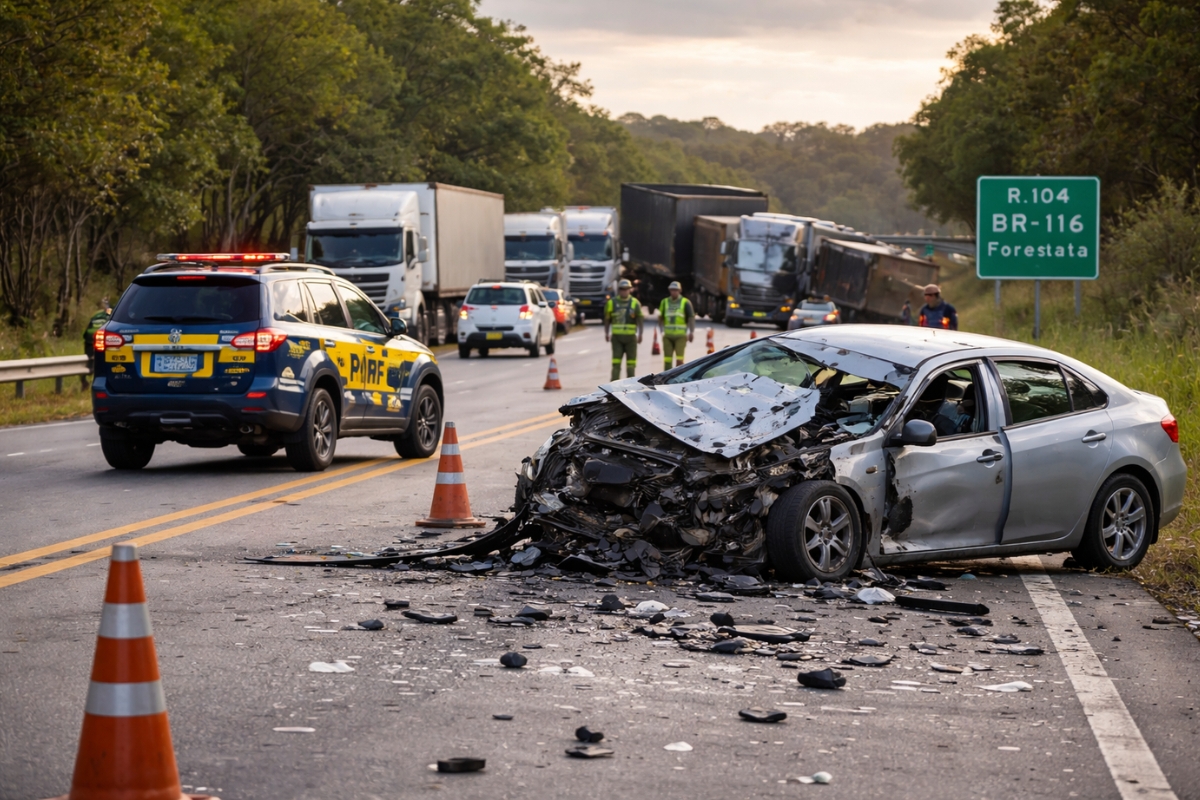
With 56,117 Accidents in 2024, BR 101 Leads with 10,353 Occurrences, and the Ranking Reveals Why Some Segments Become Daily Threats
The highways remain a central piece of transportation in Brazil, both for cargo and passengers, in a scenario of limited railway networks for the size of the country. At the same time, critical segments and poor infrastructure still put thousands of people at risk.
A survey by the Dom Cabral Foundation mapped the 10 federal highways most involved in accidents between 2018 and 2024, based on traffic flow data and occurrence records on segments with at least one thousand vehicles per day.
The scope includes only federal highways managed by the Union, identified by the acronym BR, whether privatized or not. The analysis considers both the volume of accidents and the severity rate, which helps to see the severity in smaller segments.
-
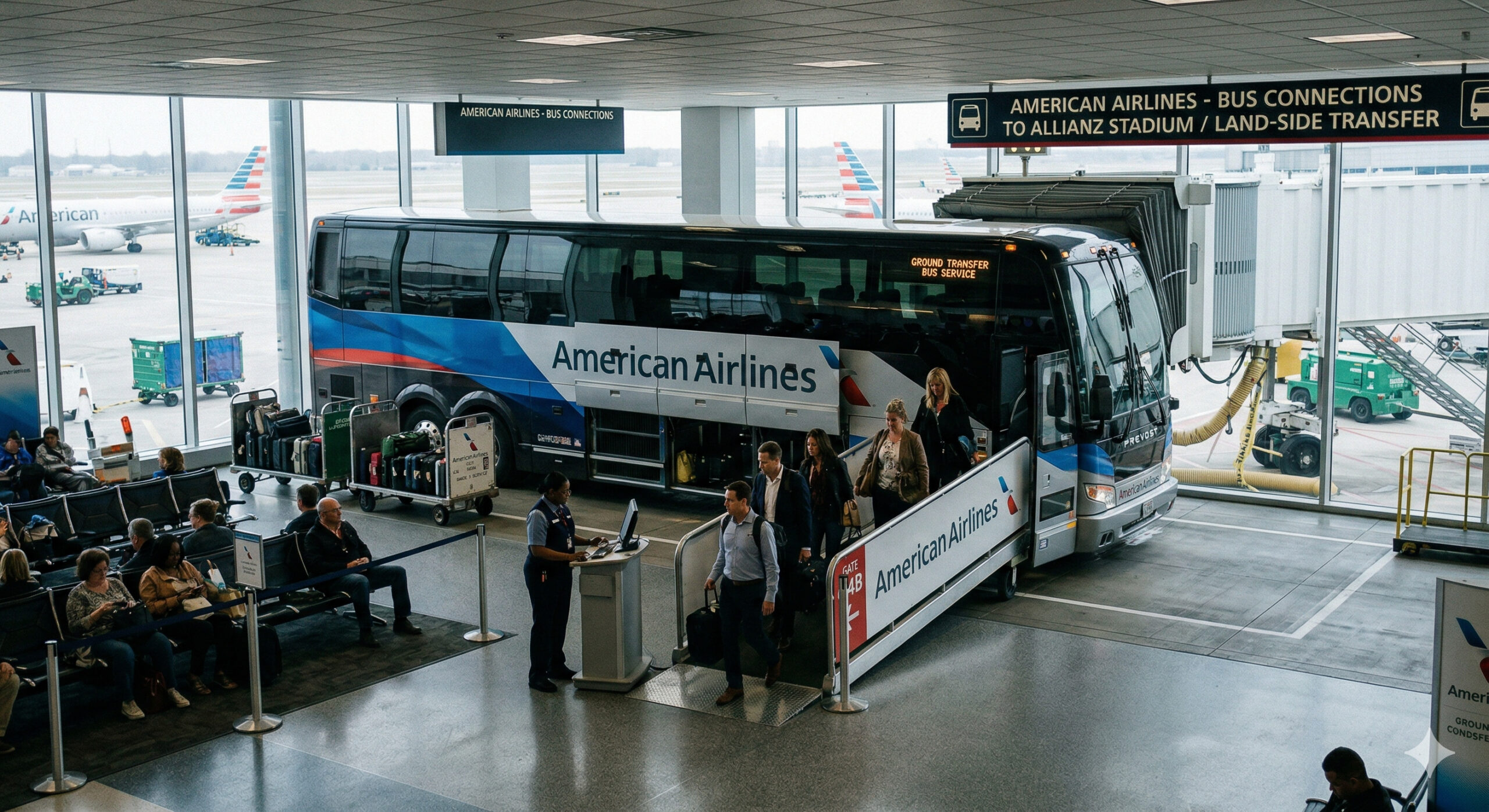
American Airlines starts selling trips as if they were flights, with check-in and baggage check at the airport, but on short routes, passengers board luxury buses connecting cities to major hubs in the U.S.
-
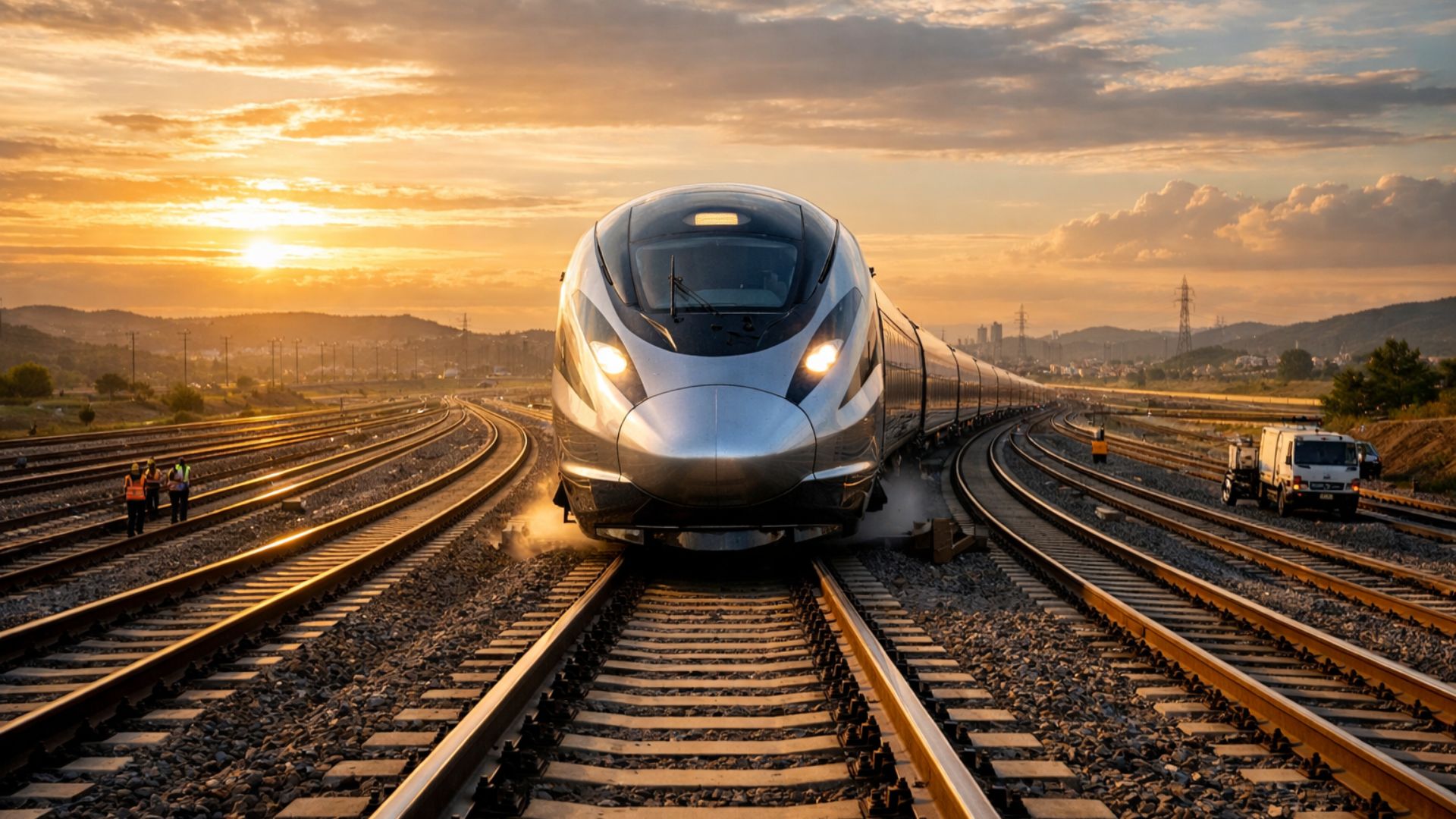
São Paulo surprises the world with a colossal railway network project that promises over 1,000 km of tracks, R$ 194 billion in investments, and 40 projects connecting the capital to the interior with fast and sustainable trains.
-
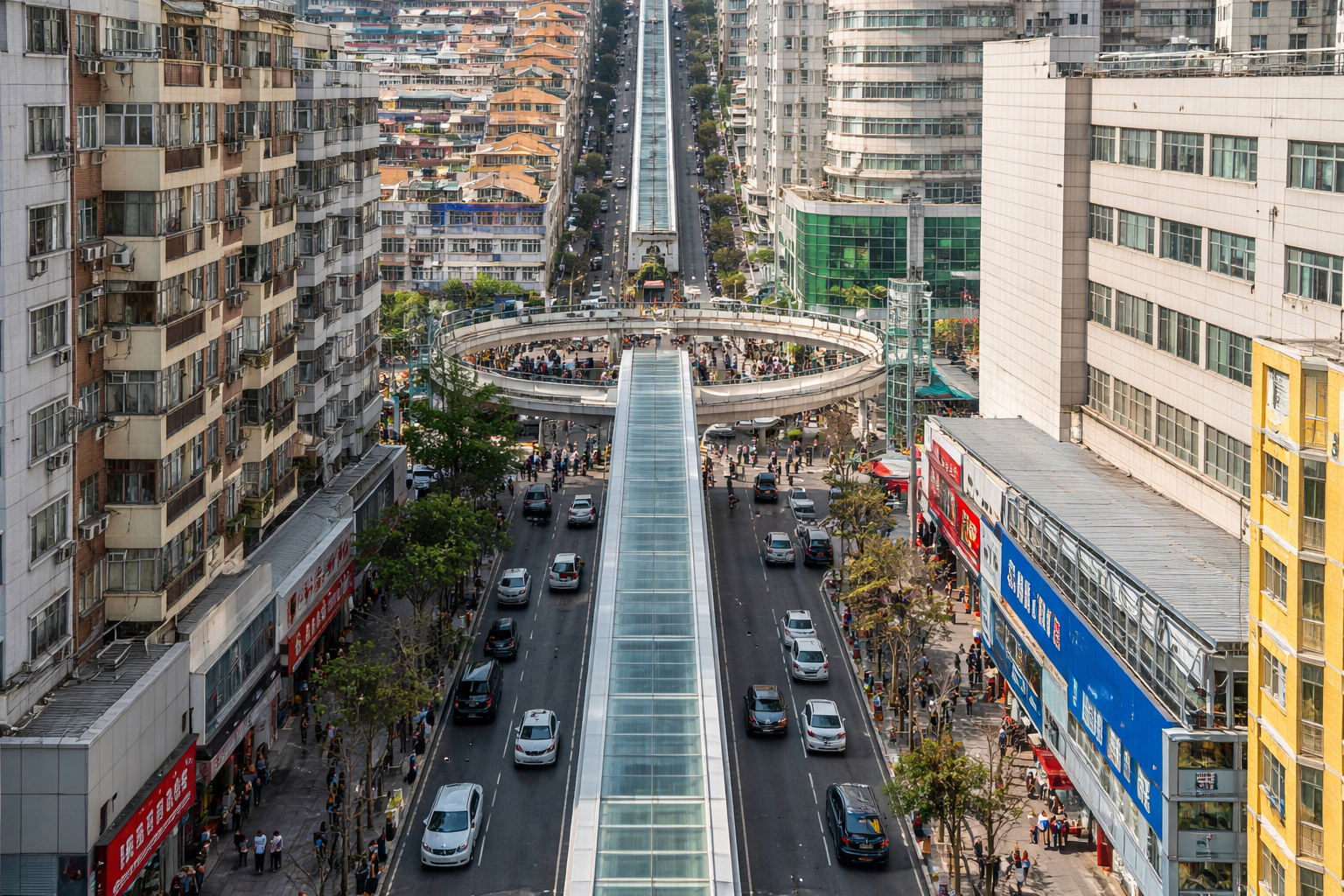
The world’s largest escalator, measuring 905 meters in China, reduces urban travel time from 1 hour to about 20 minutes and transforms mobility in mountainous regions with an engineering solution adapted to the terrain.
-
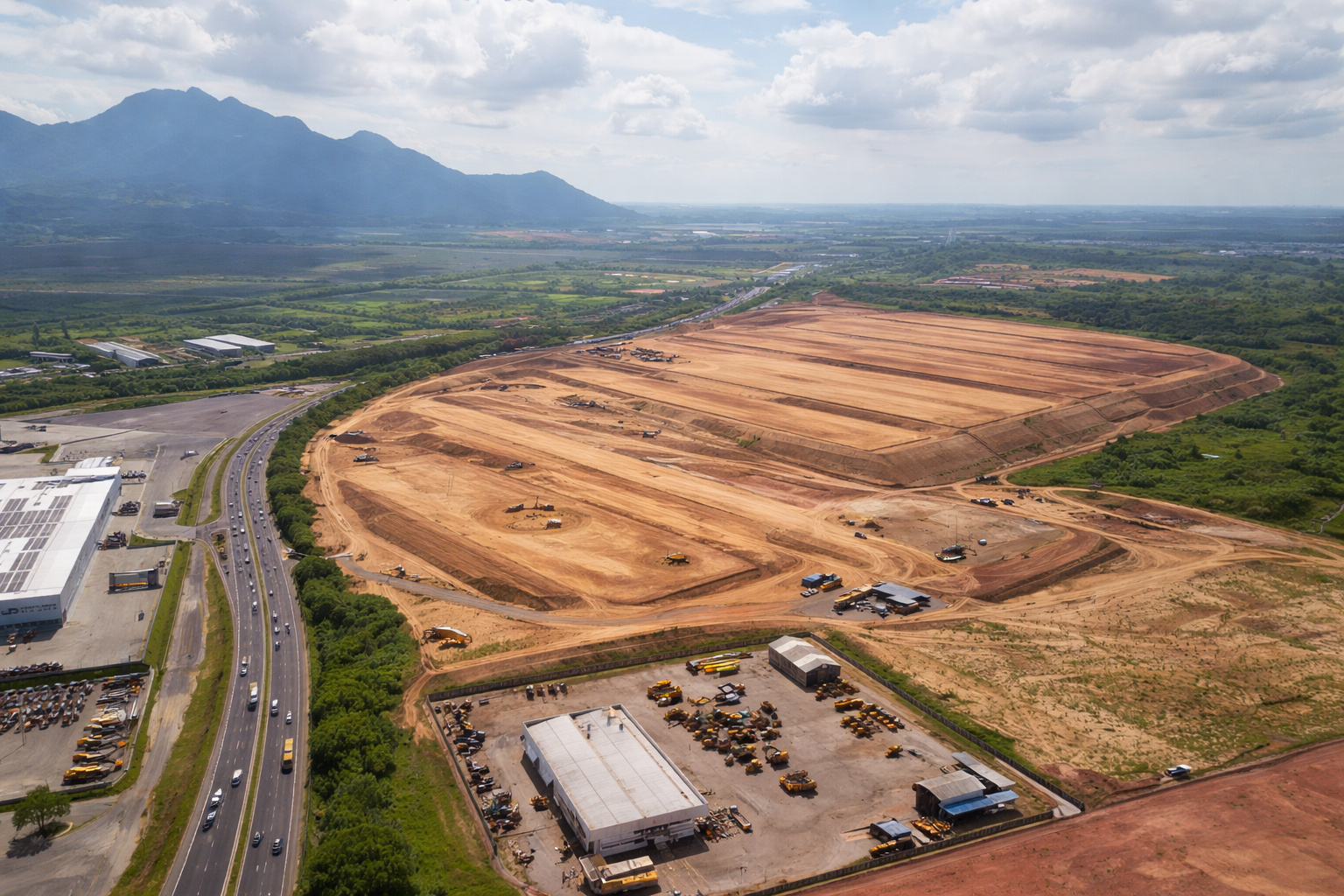
A R$ 300 million logistics giant is taking shape in Serra with over 100,000 m² and raises a question: how can this transform e-commerce and distribution in the state?
What Happened and Why It Caught Attention
The study crosses information on traffic volume and recorded occurrences, and evaluates results by biennium in the period from 2018 to 2024. The selection considers only segments with a minimum flow of one thousand vehicles per day, to avoid distortions in areas with almost no circulation.
Besides the raw number of accidents, the severity rate comes into play, as long and heavily trafficked roads tend to concentrate more occurrences. This perspective also highlights smaller segments that may have degraded road conditions and elevated risks.
The focus is restricted to federal highways, excluding state roads. This helps to compare roads with management standards and operating rules within the same group.
Federal Highways with Most Accidents in 2024
The BR 101 stands out as the leader in the number of occurrences, with 10,353 accidents out of a total of 56,117 recorded in 2024. It is the second-longest federal highway in Brazil and connects the Northeast and South along the coastline.
The BR 116 follows closely behind, with 9,692 occurrences last year. Spanning 4,660 km, it is the longest federal highway in the country, connecting Ceará to Rio Grande do Sul and crossing 10 states.
Among the segments cited as challenging on BR 116 is the route from São Paulo to Curitiba, marked by heavy truck traffic and winding curves that require constant attention.
Segments That Require Attention on BR 381 and BR 364
Following the ranking by volume, the BR 381 appears with 2,850 accidents, a number well below the top two positions. The highway stretches 1,181 km and includes segments with winding curves considered risky.
When the criterion shifts to severity, the list undergoes adjustments. The BR 364 replaces BR 381 and gains prominence for crossing Brazil from Southeast to North, with 3,264 km.
The survey points to poorly maintained segments in Rondônia and Acre as the most dangerous within BR 364, reinforcing the impact of pavement conditions and road geometry on the final risk.
How the Severity Rate Changes the Ranking
When looking at the severity level, BR 116 and BR 101 remain at the top, but with inverted positions. The shift shows that it is not enough to count occurrences; the impact of each accident also matters.
The Accident Severity Rate, known as TSAc, disregards the effect of traffic volume. In practice, this allows for a comparison of the real severity of occurrences, even in short segments.
In this context, highways that do not appear in the ranking by number of accidents, such as BR 070, BR 343, and BR 470, are positioned in seventh, ninth, and tenth places.
BR 070, BR 343, and BR 470 Appear When Severity Comes into Play
The BR 070, known as the Ayrton Senna highway, starts in Brasília and ends in the district of Corixa, on the border with Bolivia, continuing as Ruta 10 after the endpoint.
The BR 343 has 743 km and connects the coastline of Piauí to the south of the state, while BR 470 cuts through Southern Brazil and extends about 472 km.
The presence of these roads in the severity ranking reinforces that smaller segments can concentrate more severe accidents even without reaching absolute volumes as high as the longer highways.
Relationship Between Accidents and Vehicle Type from 2018 to 2024
In the period from 2018 to 2024, the study records 358,217 occurrences on federal highways. Of this total, 145,436 involve cars, equivalent to 40.6%.
Motorcycles account for 83,464 occurrences, or 23.3%, and trucks come in with 58,389, representing 16.3%. Even with cars leading in volume, severity changes the understanding of risk.
In occurrences with injuries, there were 47,897 cases. Cars account for 37.6% and motorcycles closely follow with 33%, signaling greater exposure for motorcyclists when there are victims.
In accidents with fatalities, the total was 14,001 cases, with 28.5% in cars, 21.5% in motorcycles, and 19.5% in trucks. The practical takeaway is direct: the share of motorcycles increases when the focus is on severity.
The combination of high traffic, winding segments, and irregular maintenance remains a relevant risk factor on federal highways. In the end, the difference between a segment with many occurrences and another with more severe cases shifts priorities and demands increased attention from those on the road.








Seja o primeiro a reagir!