





 Portuguese
  English
  Spanish
  5 min of reading
  1 comment


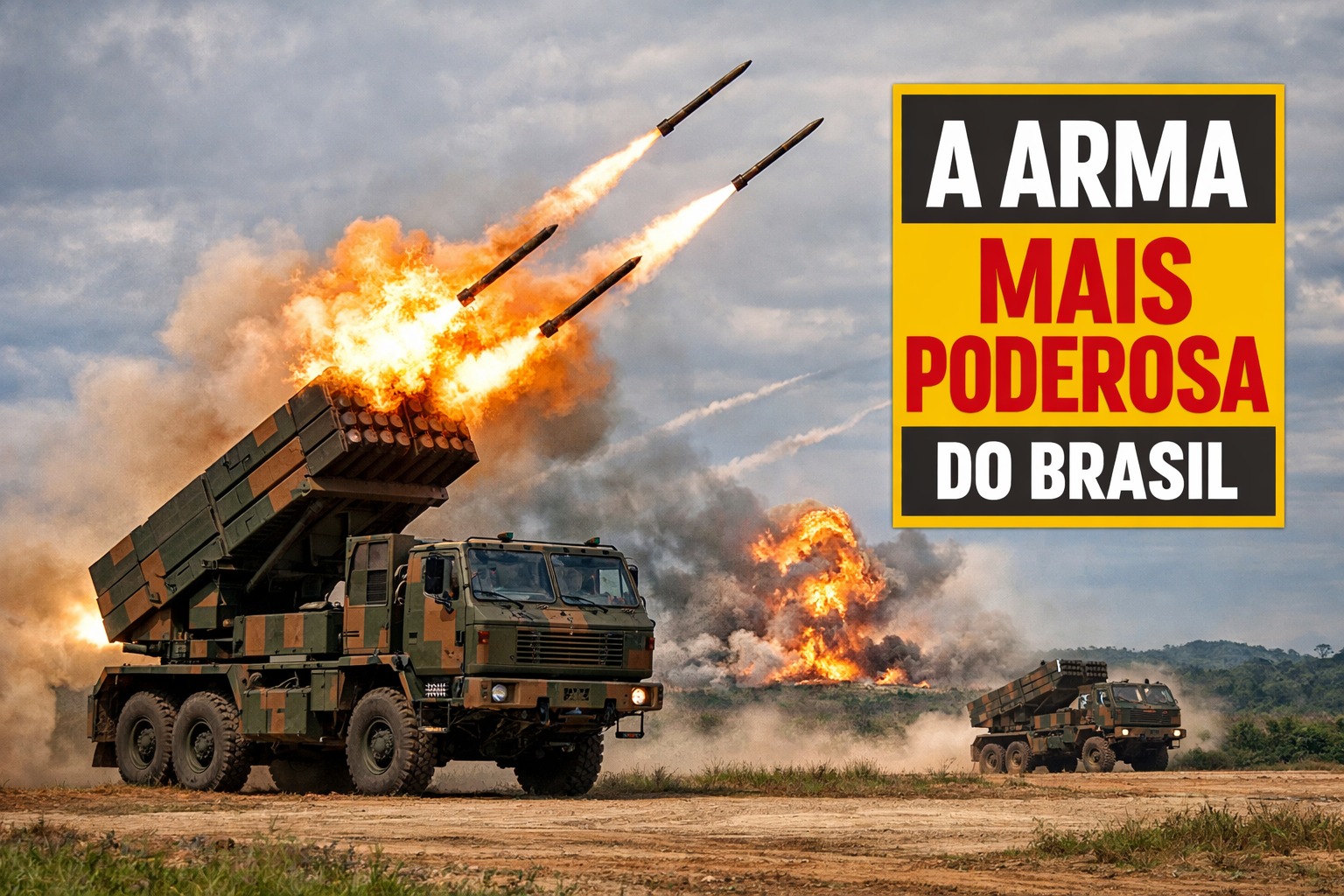


Developed by Avibras, the ASTROS II Combines Versatility, Precision and Range of 300 km, Becoming a Key Piece of the Brazilian Army in Territorial Defense, Military Operations, Strategic Deterrence and Force Projection
The Brazilian Army operates in a territory of continental dimensions and, to fulfill its constitutional mission, depends on systems capable of offering mobility, range and firepower. Among the most emblematic equipment is the ASTROS II, which stands for Artillery SaTuration ROcket System. Developed in Brazil by Avibras Indústria Aeroespacial, the system has consolidated itself as one of the pillars of national artillery and, for many experts, represents the most lethal weapon due to its destructive capability and impact on the battlefield.
More than a multiple rocket launcher, the ASTROS II has become a symbol of Brazilian defense engineering.
Its combination of versatility, precision and rapid response has altered the manner in which fire support is employed in military operations, expanding both the tactical range and strategic potential of ground forces.
-
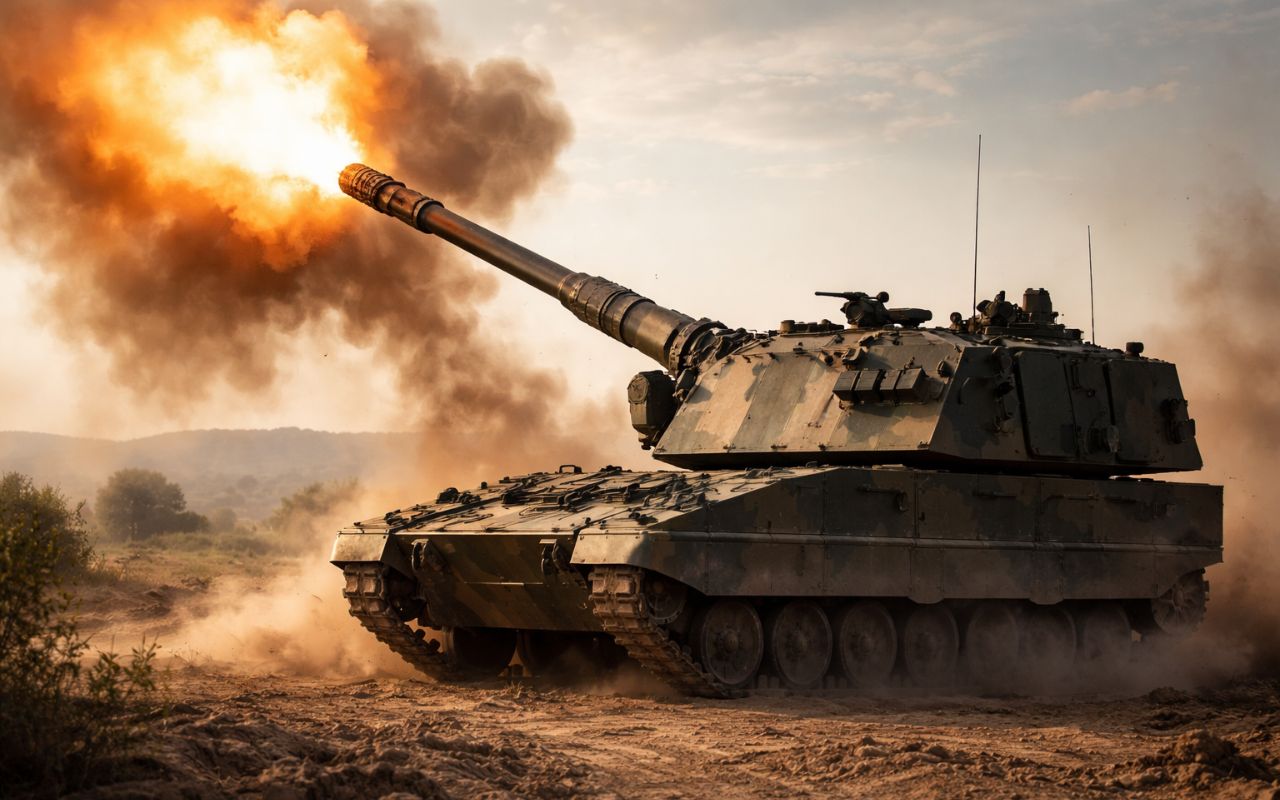
The German “steel monster” weighing 55 tons fires up to 10 projectiles per minute at over 40 km and avoids counterattacks on the battlefield by moving quickly to escape enemy attacks; meet the Panzerhaubitze 2000.
-
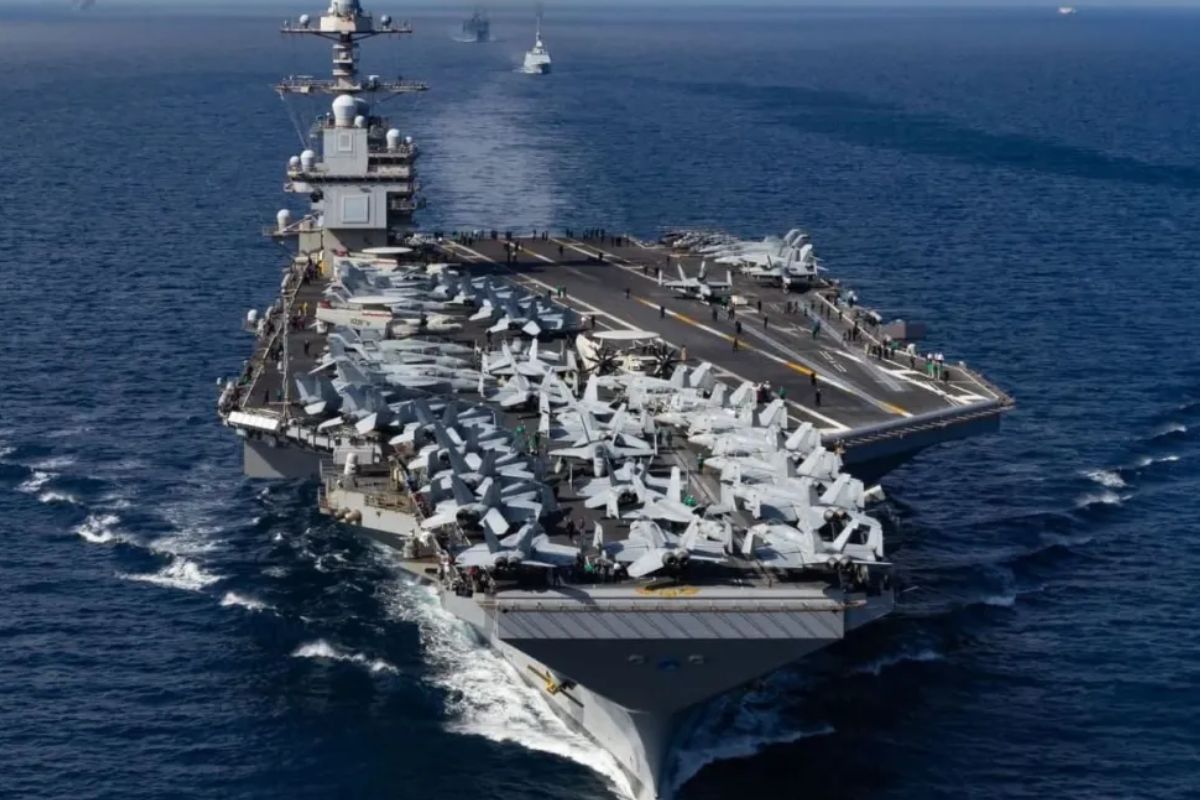
USS Gerald R. Ford, the largest aircraft carrier in the world, returns to sea after a fire in the laundry in the Red Sea; repaired in Crete, it resumes missions of Operation Epic Fury against Iran.
-
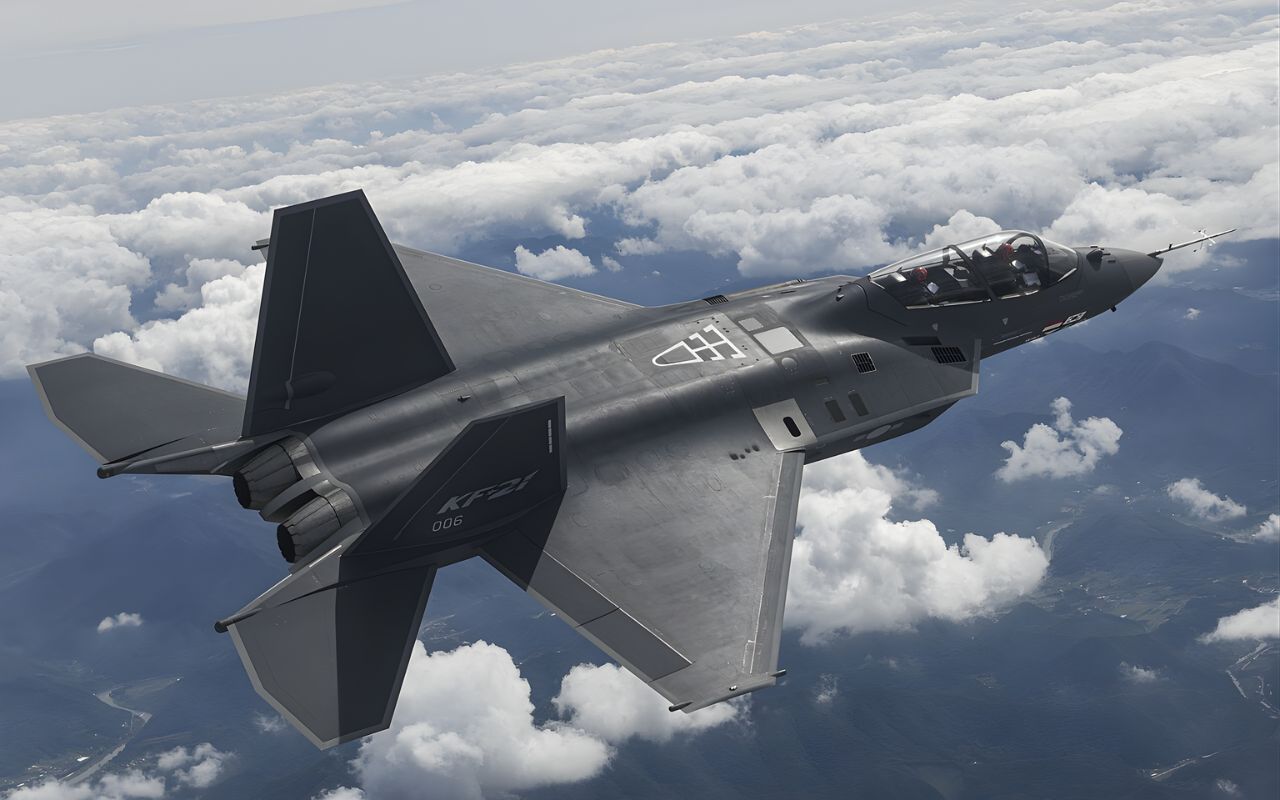
Military power: South Korea’s new KF-21 fighter jet will be a key component in replacing the aging aircraft of the air force, placing the country on the map of air military powers.
-
With 310 meters, 80 thousand tons, and capable of operating for 45 years, the new nuclear aircraft carrier France Libre will be the largest in France and will enter service in 2038.


What Defines the ASTROS II
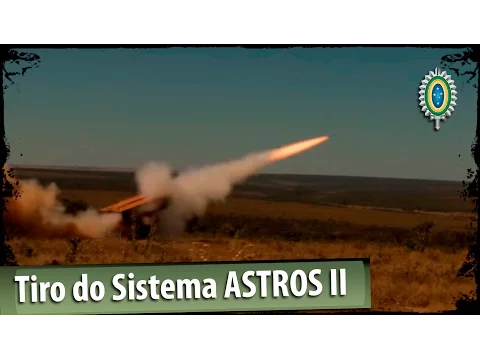
The ASTROS II is a self-propelled rocket artillery system designed to launch rockets and missiles of different calibers.
The central proposal has always been clear: to create a modular platform capable of adapting to multiple operational scenarios.
Since its introduction in the 1980s, the system has undergone successive updates, remaining relevant even in the face of technological transformations that have marked modern conflicts.
This longevity did not occur by chance. Avibras structured the project with a focus on continuous evolution, allowing new electronic systems, navigation improvements and more sophisticated munitions to be incorporated over the years.
The result is equipment that balances operational tradition and innovation.
Development and Trajectory
The development of the ASTROS II began in the 1970s, when Brazil sought to expand its autonomy in artillery systems.
The goal was ambitious: to compete with foreign platforms like the American MLRS and the Soviet BM-21 Grad. The first version was delivered to the Brazilian Army in 1983.
From there, the system quickly attracted international interest. In 1990, exports occurred to countries in the Middle East and Southeast Asia.
In the 2000s, modernization efforts focused on improving accuracy and digital integration. In 2011, the launch of the ASTROS 2020 program marked a new phase, including the development of the AV-TM 300 missile.
By 2020, the system received new enhancements, with the adoption of more modern vehicles and advancements in fire control systems.
Each stage reflected a specific operational need: greater range, more accuracy, better communication between units.
Throughout this trajectory, the ASTROS II ceased to be just a national project and became a competitive product in the global market.
Firepower and Launching Flexibility
One of the main strengths of the ASTROS II lies in the variety of compatible munitions. The system can operate with SS-30 rockets, with a range of up to 30 km, SS-40, range of up to 40 km, SS-60, range of up to 60 km, SS-80, range of up to 80 km, in addition to the AV-TM 300 missile, with a range of up to 300 km.
This diversity significantly expands the possibilities for employment. In short-range operations, the rockets allow area saturation.
In long-range missions, the tactical missile offers the capability to hit strategic targets with a high degree of precision.
The modularity ensures that the same system can be adjusted for different objectives, reducing the need for multiple specialized platforms.
The warheads also vary, including fragmentation, incendiary and penetration options. This increases effectiveness against different targets, from troop concentrations to critical infrastructures.
Mobility as a Decisive Factor
Mounted on Tatra 6×6 or 8×8 trucks, the ASTROS II is designed to operate in varied terrains.
Its maximum speed can reach 100 km/h on paved roads and about 60 km/h on rough terrain. The range is approximately 600 km without the need for refueling.
In the military context, this mobility represents a strategic advantage. The system can fire and reposition quickly, reducing exposure to counterattacks.
In scenarios where detection by enemy radars is a constant threat, the ability to “fire and move” becomes essential.
Precision and Fire Control of the Weapon
Advancements in navigation and fire control have raised the operational standard of the ASTROS II. Equipped with inertial navigation and GPS systems, the equipment achieves high precision even in long-range shots.
The digital integration connects the system to command and control centers, allowing for efficient mission coordination.
Moreover, the rapid engagement capability enables firing and repositioning within minutes.
In modern operations, where time and information are critical factors, this agility makes a difference in the final result.
Coordinated Operational Structure
A battery of the ASTROS II is formed by different specialized vehicles. The Universal Launcher Vehicle, VLS, executes the shots.
The Resupply Vehicle, VRS, ensures rapid reloading. The Command and Control Vehicle, VCC, centralizes ballistic calculations and coordination.
The Meteorological Vehicle, VMT, measures atmospheric conditions to adjust the shots.
This ensemble operates in an integrated manner, ensuring efficiency and continuity of operations. The synchronization between vehicles reduces the time between missions and increases the precision of attacks.
Why It Is Seen as the Most Lethal Weapon
The firepower of the ASTROS II allows for multiple rockets to be launched in a short span of time, creating saturation capable of devastating large areas. The versatility broadens the scope of applications, from territorial defense to precision strikes.
Mobility reduces vulnerabilities. Precision maximizes effectiveness and minimizes collateral damage.
Taken together, these factors explain why the system is often described as one of the most lethal weapons of the Brazilian Army.
International Comparison
On the global stage, the ASTROS II stands out for its caliber flexibility, ranging from 127 mm to 300 mm. Its maximum range reaches 300 km with the AV-TM 300.
The wheeled mobility contrasts with tracked systems like the M270 MLRS and the BM-30 Smerch.
This combination of range, adaptability, and rapid deployment reinforces its position among the most relevant artillery systems.
Strategic Applications
Brazil has 16,886 km of land borders with 10 countries. In this context, the ASTROS II plays an important role in protecting strategic areas, being able to be quickly deployed to sensitive regions.
It also supports military operations, neutralizing targets before troop advances, and in national and international exercises, functioning as an instrument of deterrence and demonstration of strategic capability.
Powerful Weapon: Export and Investment
The ASTROS II has become one of the most exported defense products by Brazil. Countries such as Saudi Arabia, Malaysia, and Indonesia have incorporated the system into their forces.
The estimated value of a complete system is US$ 300 million. Despite the high cost, the investment is justified by operational longevity, versatility, and reduction of dependence on foreign systems.
In closing this overview, it is worth noting that the ASTROS II represents not only military power. It reflects decades of national technological development, cooperation between industry and the armed forces, and the continuous pursuit of strategic autonomy.
In an international scenario marked by rapid changes, the ability to keep systems updated and competitive remains one of the greatest challenges and also one of the greatest achievements of Brazilian defense.
With information from Vida Militar.








Nestes tempos em que paises sofrem bloqueios economicos submetendo suas populações a enormes sofrimentos,outros são invadidos, urge que as forças armadas estejam preparadas para defender suas populações destas arbitrariedades, portanto os governos, independentemente de sua ideologia condutora, necessariamente devem investir pesadamente nas forças armadas.