





 Portuguese
  English
  Spanish
 5 min of reading
  0 comments


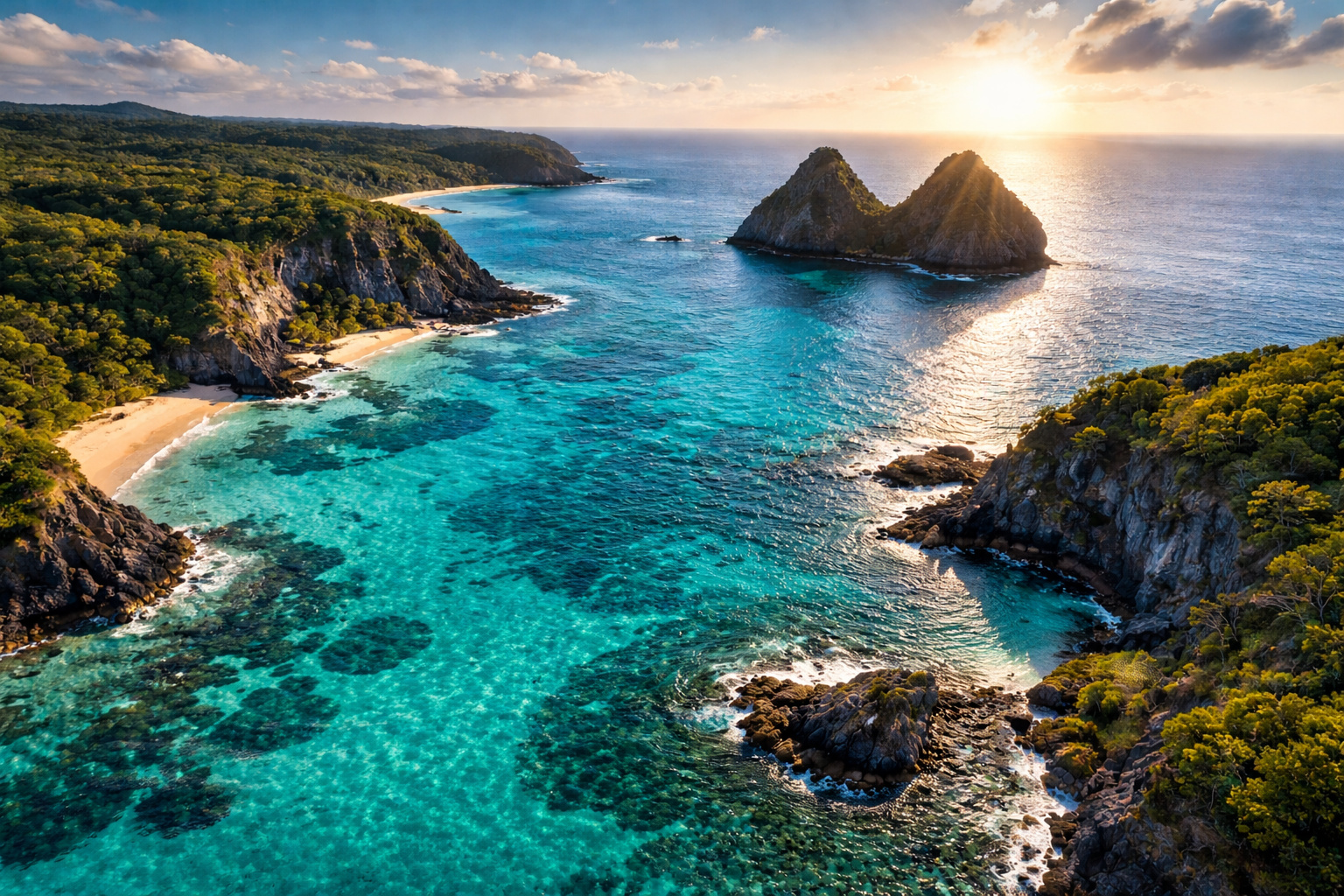
The Brazilian Archipelago Combines Strict Environmental Rules, Controlled Tourism, and Internationally Recognized Landscapes, Gathering High Social Indicators, Specific Logistical Costs, and a Management Model That Influences the Experience of Residents and Visitors in One of the Most Protected Areas of the Country.
Fernando de Noronha, a state district of Pernambuco, features beaches frequently mentioned in international rankings and a set of environmental regulations that govern tourism activities in an archipelago located about 545 kilometers from Recife.
The territory is part of the site “Brazilian Atlantic Islands: Fernando de Noronha and Atol das Rocas,” recognized as World Natural Heritage by UNESCO in 2001.
A large portion of its area is protected by the Marine National Park, established in September 1988, which preserves approximately 70% of the archipelago.
-
He started running at 66 years old, broke records at 82, and is now a subject of study for having a metabolic age comparable to that of a 20-year-old, in a case that is intriguing scientists and inspiring the world.

-
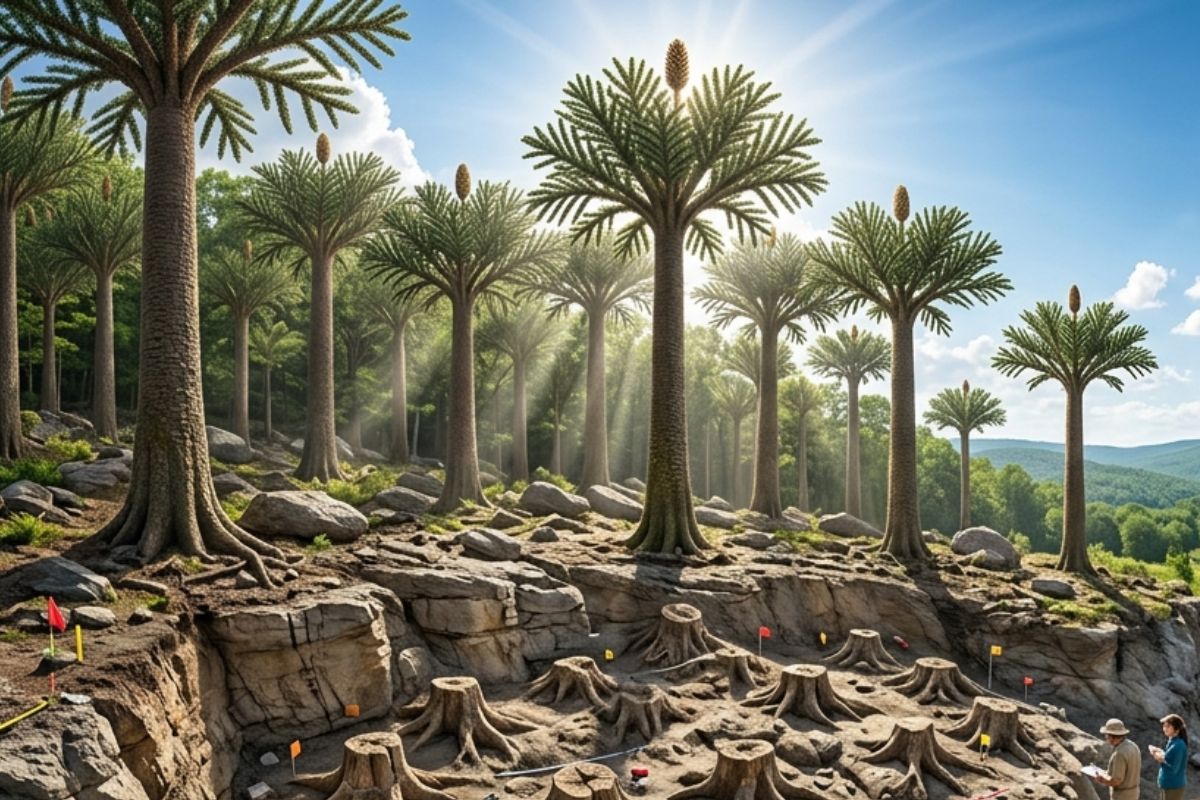
Oldest tree on the planet reappears after 130 years of searches: Wattieza, 385 million years old, was 10 meters tall and had no leaves or seeds; Gilboa fossils in New York solved the mystery in 2007.
-
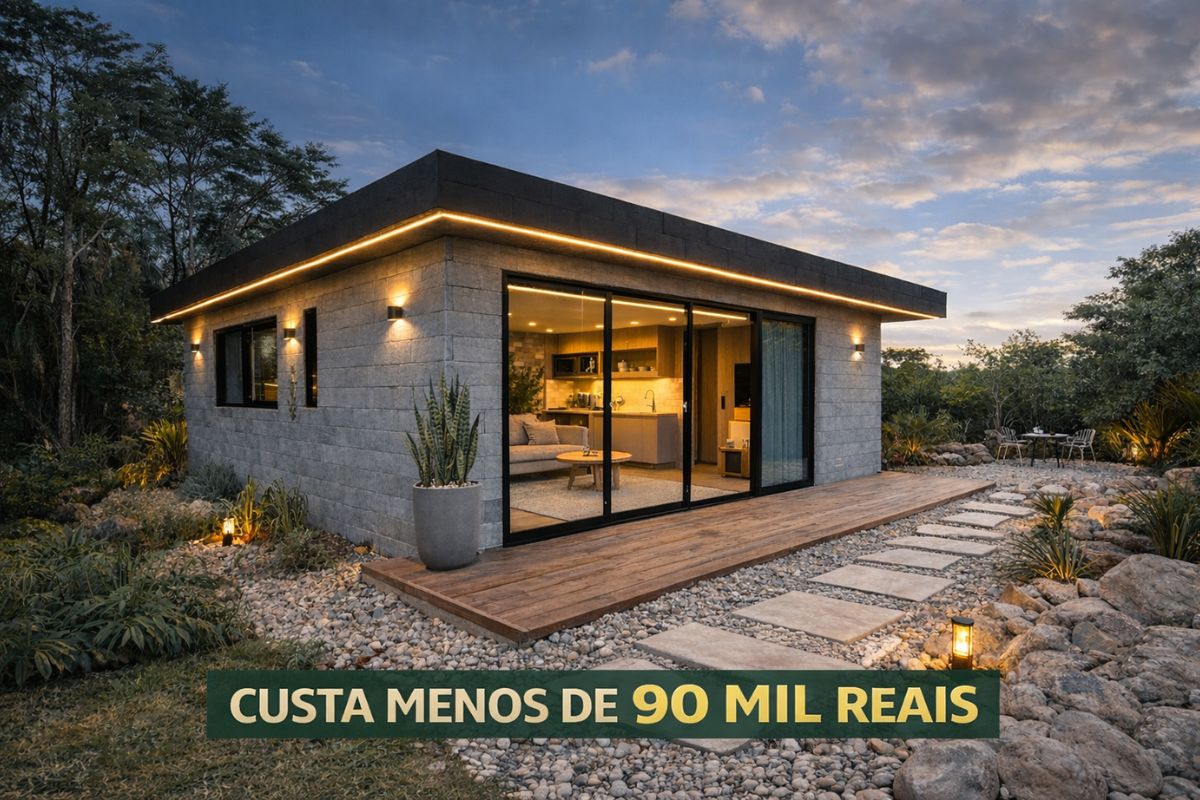
A 48-square-meter house assembled in hours with 4,000 bricks made of recycled plastic that does not absorb moisture, has natural thermal insulation, and costs less than 90,000 reais in a complete kit.
-
Luciano Hang revealed that Havan’s air fleet has already accumulated more than 20,000 landings, 10,000 flight hours, and 6 million kilometers traveled, and he says that without the planes, the company would never have grown so quickly.

This conservation model is directly associated with the natural characteristics that have made the island internationally renowned.
According to information released by environmental agencies and accredited diving operators, water transparency in Fernando de Noronha can reach up to 50 meters of visibility in certain areas.
This condition is related to the low sediment load, protection of the reefs, and control of tourism use.
World Heritage and Environmental Rules in Fernando de Noronha
The title granted by UNESCO imposes permanent commitments to preservation.
In practice, environmental protection is divided between urbanized areas, located within a state conservation unit, and the Marine National Park, managed by the Chico Mendes Institute for Biodiversity Conservation (ICMBio).
The agency establishes rules for access to beaches, trails, and diving spots.
In addition to territorial control, the archipelago adopts administrative mechanisms to regulate the flow of visitors.
The Environmental Preservation Fee (TPA) is charged according to the number of days of stay.
According to the district administration, the collected amount is used as a management tool and for financing public services related to environmental conservation and local infrastructure.
What Is It Like to Live in Fernando de Noronha
Living in Fernando de Noronha implies adapting to a restricted supply system.
The majority of food, fuel, and construction materials arrive by air or sea transport.
This factor directly influences costs and requires constant planning from both residents and public authorities.
The daily routine is also marked by environmental regulations that affect daily habits.
A district decree prohibits the entry, sale, and use of various disposable products, such as plastic bags, cups, and straws.

The measure was adopted with the aim of reducing the generation of solid waste in a territory with limited capacity for treatment and final disposal.
In urban areas, the dynamics are different from those observed in large Brazilian cities.
Traffic is simpler, without traffic lights or heavily trafficked roads.
Public services operate on a smaller scale, compatible with the size of the resident population and the environmental restrictions imposed on the archipelago.
Population, HDI, and Structural Challenges
Data from the 2022 Census of the Brazilian Institute of Geography and Statistics indicate that Fernando de Noronha has 3,167 inhabitants.
The district also presents a Human Development Index of 0.788, calculated based on data from 2010.
This indicator is widely reproduced in official surveys.
Public policy experts often highlight that these numbers reflect progress in areas such as education and access to basic services.
At the same time, they reveal specific challenges of isolated territories.
The dependency on tourism as the main economic activity requires continuous investments in sanitation, energy, and waste management.
These investments need to be compatible with the island’s environmental limitations.
Beaches, Trails, and Historical Heritage of the Archipelago
The archipelago is known for offering experiences related to direct contact with nature.
These include ecological trails, scuba diving, and marine fauna observation.
The landscape is formed by volcanic cliffs, light-colored sandy beaches, and blue-toned waters.
These characteristics are frequently described in tourist materials and environmental studies.
Among the most cited places is the Sancho Bay.


It has been elected several times as the best beach in the world in rankings from the Tripadvisor site, including recent editions reported by the Brazilian press.
Access is via staircases installed in a fissure in the cliff, with entry controlled by the national park.
Nearby, Porcos Bay is associated with the observation of Morro do Pico.
The location also features natural pools that form during low tide.
The Morro do Pico, the highest point of the archipelago, has 323 meters of altitude.
The historical heritage is manifested in structures such as the Fort of Nossa Senhora dos Remédios.
The colonial-era construction is currently used as a lookout point.
The Leão Beach, facing the open sea, is recognized for sea turtle monitoring projects.
The area is used as a nesting site.
In sections closer to Vila dos Remédios, Cachorro Beach concentrates natural pools that form according to sea conditions.
The location receives visitors at specific times.
Climate in Fernando de Noronha and Its Impact on Tourism
The climate in Fernando de Noronha features high temperatures throughout the year.
Variations mainly occur in the rainfall regime.
Information from Climatempo indicates that the period from March to July is when the highest volume of precipitation is recorded.
The months from August to December tend to be drier.
These differences influence the type of activity most sought after by tourists.
In times of calmer seas and clearer waters, demand for diving and snorkeling increases.
During the rainy season, visitors usually prioritize trails, visits to historical sites, and landscape observation.
During this period, vegetation tends to be greener.
Digital Tourism and Visitation Control
The promotion of the archipelago also occurs through digital channels.
Travel content creators, such as the Trip Partiu channel, which gathers over 600 thousand subscribers on YouTube, publish detailed itineraries about tours in Fernando de Noronha.

The videos include tourist circuits known as Island Tours and visits to popular beaches.
At the same time, environmental agencies emphasize that the growing interest in the destination requires strict maintenance of access rules.
ICMBio operates ticketing and trail scheduling systems in the Marine National Park.
According to the agency, the goal is to organize visitation and reduce impacts on sensitive areas.
With a model based on environmental limits, fee collection, and permanent supervision, Fernando de Noronha is frequently cited in discussions about sustainable tourism in Brazil.
The territory also faces the ongoing challenge of balancing tourist demand, public infrastructure, and environmental preservation.







Seja o primeiro a reagir!