





 Portuguese
  English
  Spanish
 5 min of reading
  3 comments


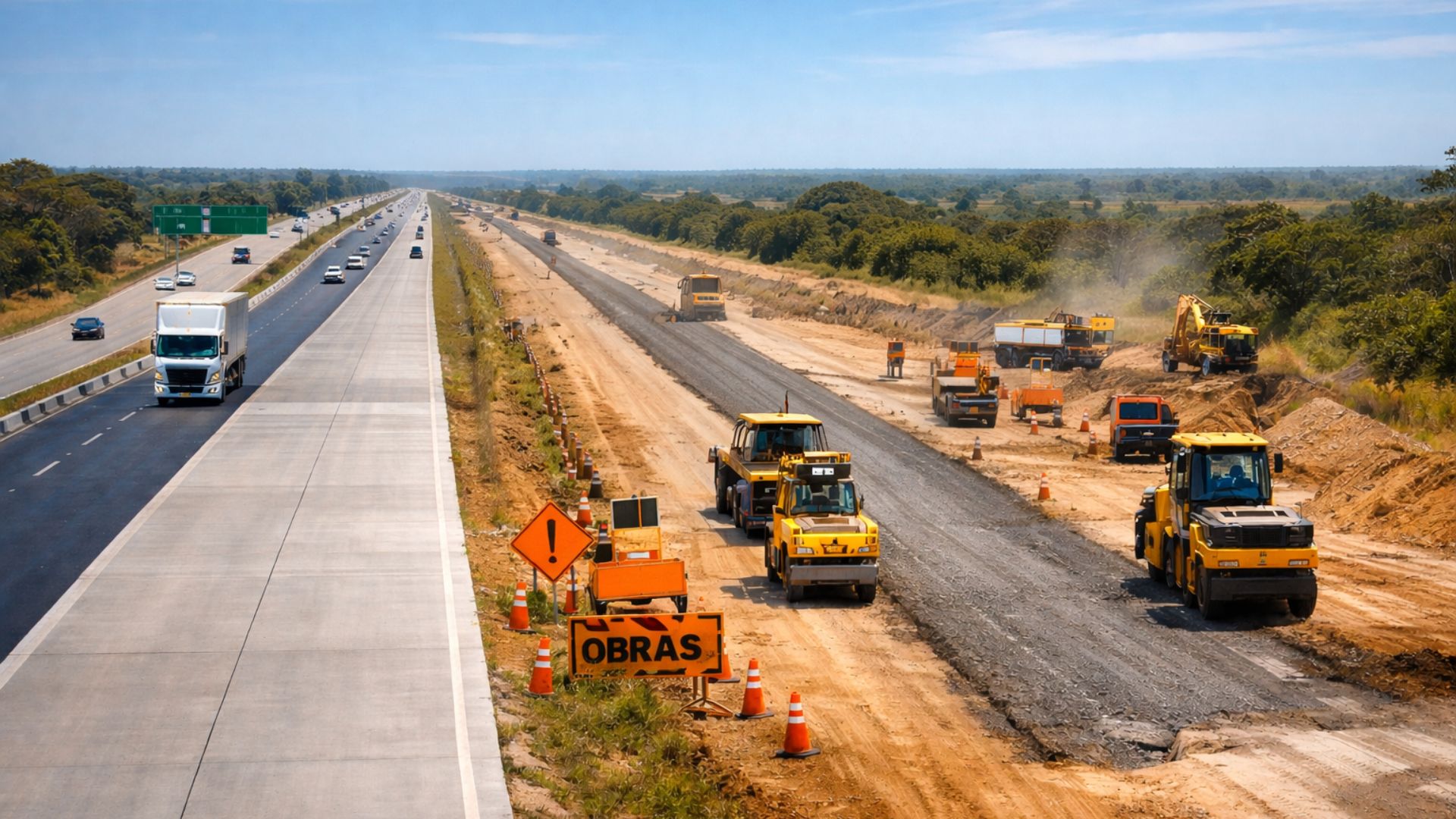


Federal Investments in Ceará Highways Advance with Duplicating Works, Use of Concrete, and Structural Recovery in Two Strategic Corridors, Totaling More than R$ 570 Million and Impacting Logistics, Road Safety, and Regional Integration.
Ceará concentrates, in 2025, a broad set of federal works on highways, with simultaneous fronts on the BRs 222 and 116.
According to information from the National Department of Transport Infrastructure (DNIT), the projects total investments exceeding R$ 570 million and involve duplication, restoration of lanes, and interventions aimed at eliminating critical points.
The actions directly affect cargo transportation, travel between municipalities, and road safety indicators.
-
A slatted wall that looks like it cost thousands of reais was made for just R$ 90, and the secret lies not in expensive materials but in careful planning, correct spacing, and uniform layers of finishing.

-
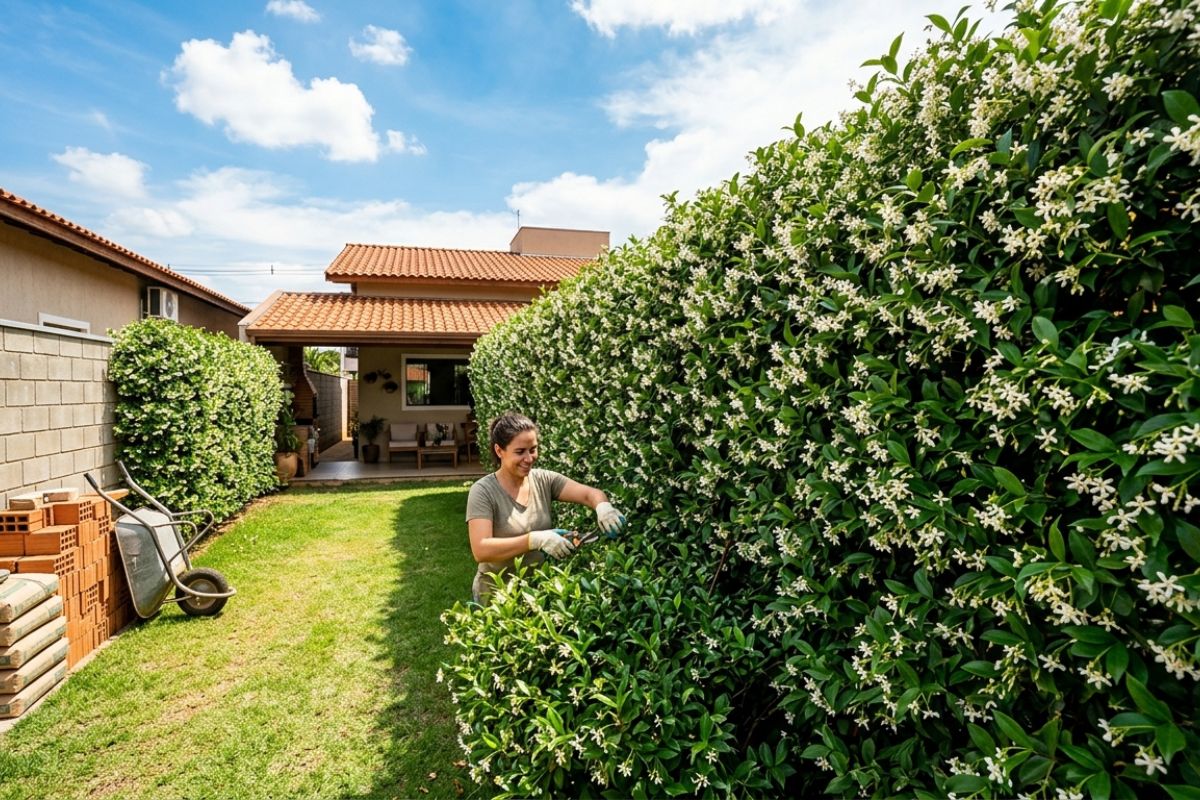
Live fence that saves on construction: Virginia jasmine grows up to 60 cm per year, reaches 10 m, and closes the yard with a dense and fragrant green wall, without aggressive roots and with simple, inexpensive, and quick pruning.
-
This is the cost to build a simple 60 m2 house in 2026, including contingencies, foundation, finishing, labor, and hidden fees.

-
Amphibious houses with a floating dock system gain global attention by revealing technology that allows homes to rise with floods and avoid losses in high-risk areas.


The interventions are part of the New Growth Acceleration Program (Novo PAC) and aim to increase traffic capacity and adapt the structural standards of the highways.
According to DNIT, the package includes construction of new concrete lanes, recovery of the existing pavement, and geometric adjustments in segments considered sensitive, focusing on organizing traffic flow and reducing occurrences associated with traffic conflicts.
The investments reach two corridors with distinct logistical functions.
The BR-222 serves the Metropolitan Region of Fortaleza and continues toward the interior of the state and Piauí.
The BR-116 is the main longitudinal axis of the country, connecting Ceará to other areas in the Northeast and Southeast.
By prioritizing these routes, the federal government aims to improve the fluidity and regularity of journeys, factors associated with the performance of road transport of goods and passengers.
Works on BR-222 in Ceará
On the BR-222/CE, the works cover a stretch of 24 kilometers, between km 11.4 and 35.7.

According to data released by DNIT, the investment exceeds R$ 272 million and involves the duplication of the highway and the restoration of the existing lane.
The services include both the implementation of a new lane and structural interventions on the current pavement.
The new lane is being constructed in concrete, a solution adopted by the agency in segments with a high volume of heavy vehicles.
According to DNIT, the use of this type of pavement is associated with greater structural resistance in logistical corridors.
With the duplication, the stretch will have lanes separated by direction, a measure that, according to sector technicians, helps organize traffic and reduce conflict situations between vehicles with different speeds.
At the same time, the old lane is undergoing recovery, with adjustments to earthworks and elevation of embankments at specific points.
The strategy, according to the agency, is to standardize the riding conditions along the segment under construction.
The goal is to avoid significant performance differences between lanes and preserve the functionality of the highway during and after the intervention.
Application of Whitetopping in the Recovery of BR-222
Part of the rehabilitation of BR-222 uses the technique known as whitetopping.
The method consists of applying a layer of concrete over the existing asphalt pavement, utilizing it as a structural base.
In technical materials from DNIT, this solution is presented as an alternative for reinforcing roads subjected to heavy traffic.

According to road engineers, whitetopping can extend the service life of the pavement and reduce the frequency of maintenance interventions.
The performance is associated, especially, with corridors with constant truck circulation.
DNIT also links the technique to better structural behavior under high load conditions.
The agency emphasizes that the results depend on correct execution and technical monitoring over time.
Duplication of BR-116 between Pacajus and Timbaúba dos Marinheiros
On the BR-116/CE, the works focus on a stretch of 22.1 kilometers, between km 53.4 and 75.5, connecting Pacajus to Timbaúba dos Marinheiros.
According to DNIT, the intervention includes the implementation of a second lane, the recovery of the existing pavement, and the correction of critical points identified in technical studies.
For this segment, the investment reported by the agency is approximately R$ 280 million, also under the New PAC.
This is an axis with continuous traffic and significant participation of cargo transport in interstate trips.
This profile requires that the works be executed while keeping the highway operational during most of the schedule.
The duplication is pointed out by DNIT as a measure to increase the capacity of the road and reduce typical conflicts on single-lane highways.
Sector technicians highlight that the physical separation of directions tends to decrease the risk of head-on collisions.
The flow is also considered more predictable, especially in stretches with a high presence of heavy vehicles.
Monitoring and Technical Oversight of the Works

To monitor the progress and quality of interventions on the BRs 222 and 116, DNIT reports that it conducts periodic technical inspections on the works in progress.
The teams involve professionals from the fields of planning, research, and road construction.
Representatives from regional superintendencies also participate in the inspections.
During the inspections, aspects such as compliance with the projects, the performance of concrete slabs, and the execution of safety devices are evaluated.
According to the agency, the monitoring allows identifying any non-conformities during the work.
This control facilitates corrections before the completion of subsequent stages.
In recent announcements, DNIT indicated an expectation of significant advancement of the work fronts throughout 2025.
The completion of the works is scheduled for 2026.
With the gradual release of duplicated and restored sections, users should observe changes in the operation of the highways.
These changes involve both traffic capacity and the organization of flow in the daily function of the roads.
What effects are likely to be perceived first by those who regularly use these highways?






Enquanto isso aqui em SP o atual governador prioriza pedagios free flow e pedagios.
Uma tragedia se instalou aqui em SP com esse tarcisio aqui, pergunta, por que esse tal bolsonaro nao levou esse homem la pra SC, la eles ficariam mais conformados pois adoram esses seres.
Exatamente. Por isso temos DE LONGE as melhores estradas do país. E vai se acostumando, porque ele ficará mais 4 anos e com Flávio presidente, São Paulo vai crescer muito, ouviu esquerdinha?
Um grande avanço! Construir pistas ou faixa de rodagem, em contato. Ao invés de asfalto. O concreto tem mais durabilidade. Evitando buracos, como é comum em rodovias construídas em asfalto.