





 Portuguese
  English
  Spanish
  4 min of reading
  0 comments


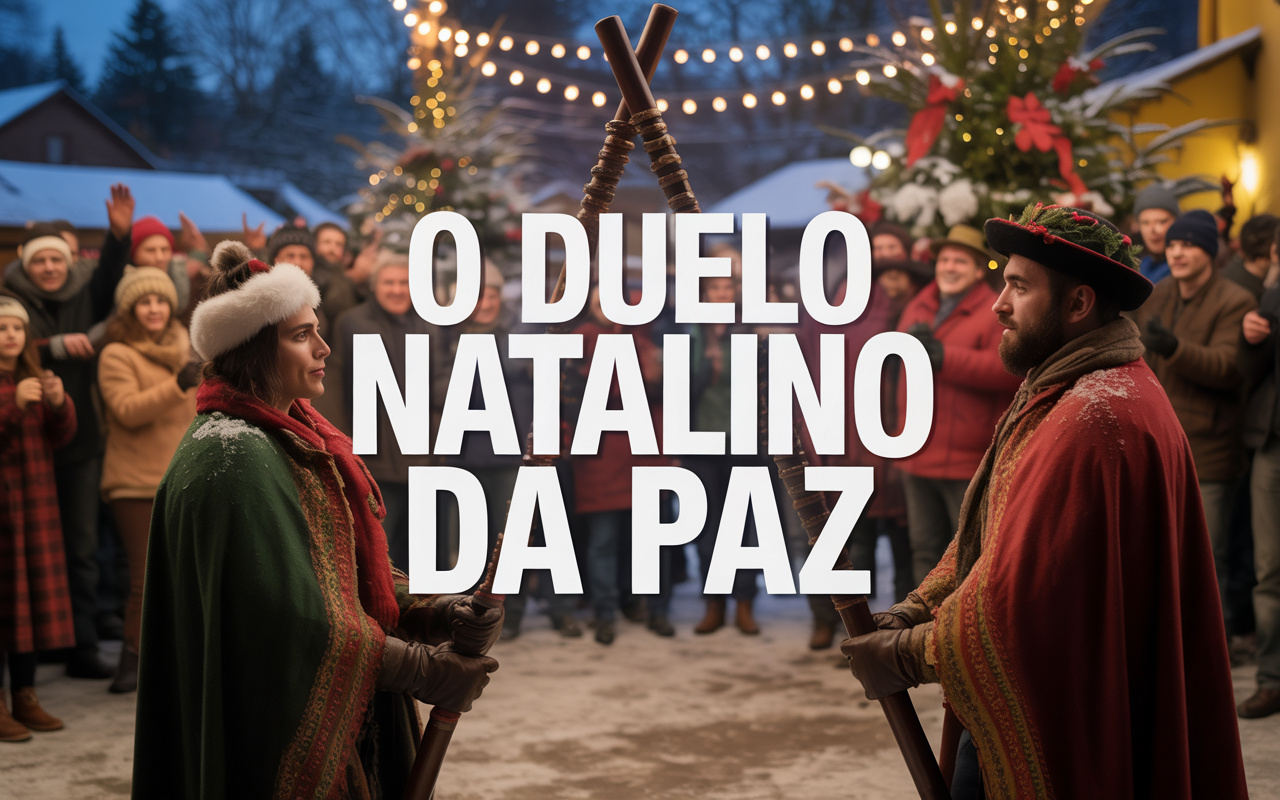
Christmas Tradition Brings Residents Together to Settle Yearlong Feuds in Public Duels and Celebrate Christmas Together in a Unique Ritual Called Takanakuy.
While much of the world associates Christmas with gift-giving, family dinners, and quiet celebrations, in a remote area of the Peruvian Andes, the date takes on a completely different meaning. Every year, in the days leading up to December 25th, residents gather in open fields to participate in a ritual called Takanakuy, a Quechua word meaning “to hit one another”. The practice, documented by anthropologists and featured in international reports, such as those by Vice News, the BBC, and Peruvian outlets, consists of public and consensual duels between people who have had disputes throughout the year. Relatives, neighbors, couples, rivals, and even strangers step into the makeshift arena to resolve any lingering conflicts, from neighborhood quarrels to personal disputes that could take months to settle through traditional means.
The most curious aspect: after the confrontation, participants embrace, forgive each other, and head to Christmas festivities, where the entire community drinks, dances, and celebrates the new cycle. It is a ritual that blends community justice, emotional catharsis, and cultural tradition, deeply rooted in Andean identity.
Where Takanakuy Takes Place and Why It Is So Important for These Communities
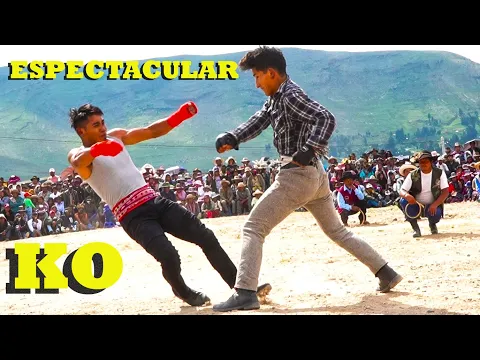

Takanakuy primarily takes place in the province of Chumbivilcas, in southern Peru, an isolated and mountainous region where many communities maintain ancestral customs. The altitude exceeds 3,800 meters, access is difficult, and urban influence is limited—factors that help preserve pre-colonial traditions.
-
With over 14 million baskets of earth moved, an ancient North American metropolis built a monumental pyramid of 30 meters and established a city with 20,000 inhabitants nearly a thousand years ago.
-
A 1,900-year-old treasure emerges from a Roman house destroyed by fire and sealed since antiquity in Romania, with coins and metals fused among the ashes.
-
The Brazilian colonial city that stopped in time and shares territory with a rocket launch base.
-
79-year-old woman challenges limits, visits 193 countries in the world after 56 years of planning and reveals the behind-the-scenes of a global journey that few have managed to accomplish.

For many residents, Takanakuy serves as a tool for social equity: without the cost and delays of the formal legal system, conflicts are resolved swiftly and clearly. Each fight has rules, a judge, and prior agreement among the participants.
The logic is straightforward:
- two disagreeing people sign up;
- they confirm in front of the community that they wish to fight;
- they enter the ring, accompanied by traditional chants;
- they fight for a few minutes;
- and end with a mandatory gesture of reconciliation.
This gesture symbolizes that the dispute is over, with no hard feelings and no “future revenge.” For the Andean people, resolving conflict publicly is part of a social purification process.
How the Fights Work and Why There Are Such Specific Rules
Contrary to what the expression may suggest, Takanakuy is not a festival of random violence. There are strict rules, aimed at preventing serious injuries:
- participants must wear protective gear;
- fights have a limited time;
- prohibited strikes result in immediate interruption;
- judges observe every move;
- only those who agree can participate;
- external interference is prohibited.
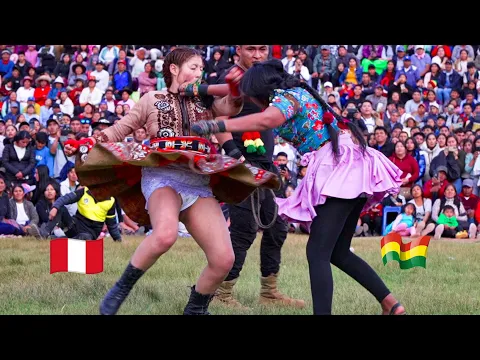
Men, women, and youths can participate. In some villages, there are distinct categories based on age and strength.
Traditional clothing also plays a part in the ritual: it includes masks, colorful capes, and sashes that represent each community. The attire is not only aesthetic but symbolic—it refers to indigenous traditions and the blending of Andean culture with customs brought by Spanish colonizers.
The Origin of the Tradition: The Blend of Indigenous Culture and Social Resistance
The origin of Takanakuy dates back to a combination of pre-colonial indigenous practices with influences from colonizers. Researchers from the Ministry of Culture of Peru explain that the ritual may have been created as a way to:
- resolve land disputes in rural areas;
- maintain community order in very isolated regions;
- prevent conflicts from dragging on for years;
- promote equality, as everyone has the same right to fight—rich or poor.
Over time, the event was incorporated into the Christmas calendar and came to mark a social reset: a new year free of old quarrels.
Why the World Became Intrigued with This Practice
International reports classify Takanakuy as one of the most unusual traditions on the planet. Vice News describes the scene as “one of the most intense and unexpected social rituals in South America,” while anthropologists consider the event an example of community restorative justice.
What stands out the most:
- people who fought just minutes before toast together shortly after;
- years-long rivals settle conflicts in a single day;
- the entire community participates, sings, and accompanies;
- curious tourists visit the region to see the tradition up close;
- the ritual helps reduce hostility accumulated throughout the year.
Takanakuy has become an object of study and debate precisely because it challenges traditional models of conflict resolution and operates within its own socio-cultural context.
The Aftermath: Music, Drink, Dance, and Reconciliation
After the fights, the community gathers to drink chicha (a traditional Andean beverage), play regional violins, dance, and celebrate. There are typical foods, cultural performances, and moments of collective interaction.
Even those who lose the fight usually participate in the celebration. The rule is clear: the conflict has been resolved. From then on, everyone starts the year with a “clean slate.”
Takanakuy may seem strange to outsiders observing from a distance, but for thousands of residents living in the Peruvian mountains, it represents social order, reconciliation, and collective catharsis. Instead of prolonging conflicts or resorting to bureaucratic mechanisms, the community resolves disputes directly and then celebrates, marking a new beginning right afterward.
It is one of the most surprising and talked-about examples of contemporary Andean culture: a Christmas ritual where fists, music, and forgiveness blend so that the whole village can start the new year in peace.






Seja o primeiro a reagir!