





 Portuguese
  English
  Spanish
  5 min of reading
  1 comment


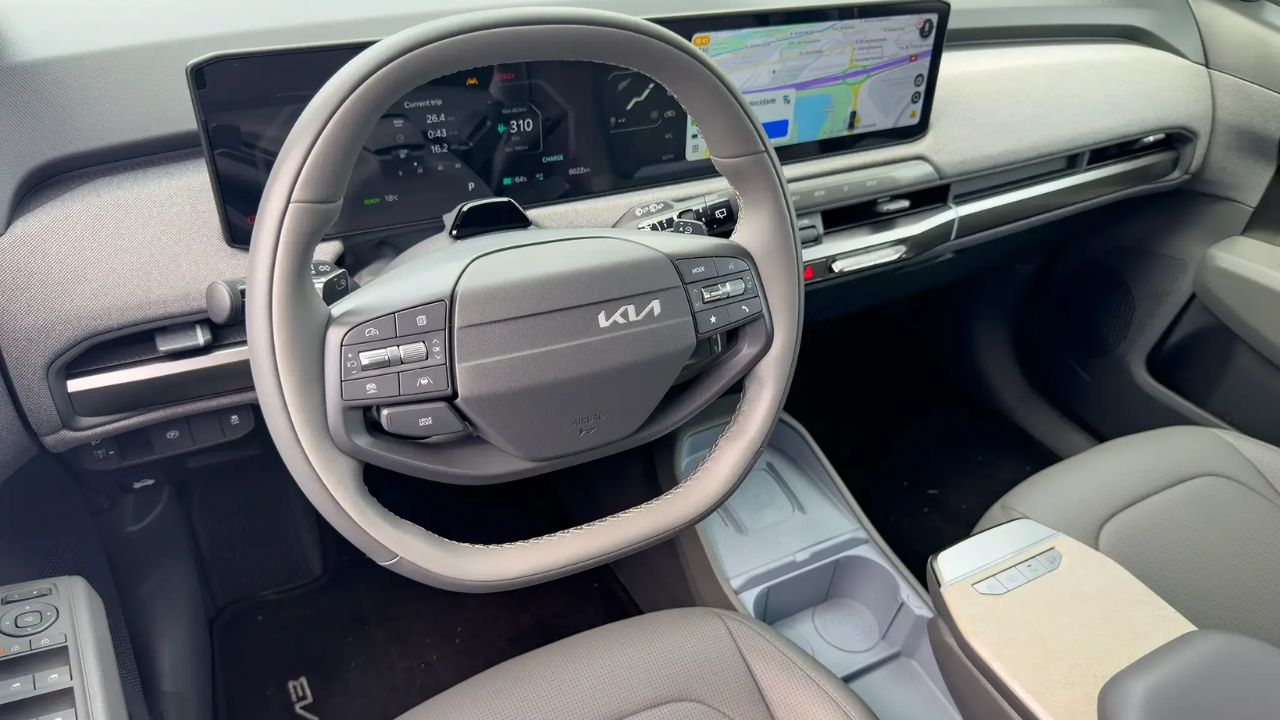

Compact SUV Kia EV3 Combines 81.4 kWh Battery, Up to 600 km of Autonomy in the WLTP Standard, 204 hp, 0 to 100 km/h in About 7 Seconds, and Production in Mexico That Escapes the 35 Percent Tax on Imported Electrics
The compact SUV Kia EV3 arrives to firmly place the brand in the fight for the electric vehicle market in Brazil. With the size of a small sports utility vehicle, but a mid-size car battery, it delivers around 81.4 kWh of capacity and can exceed 600 km of autonomy in the WLTP cycle, a rare feat in this price and size segment.
In practice, this means a compact SUV that should comfortably cover more than 450 km in Brazilian measurements, designed to be efficient without sacrificing performance. At the same time, production in Mexico allows the model to bypass the 35 percent import tax on electrics, paving the way for more competitive prices upon arrival in the country.
Compact SUV with Large Car Battery

The great innovation of the Kia EV3 is simple to understand. It has typical dimensions of a compact SUV, measuring around 4.3 meters in length with a wheelbase close to 2.68 meters, but carries a battery of approximately 81.4 kWh, a level common in medium SUVs and even larger models.
-
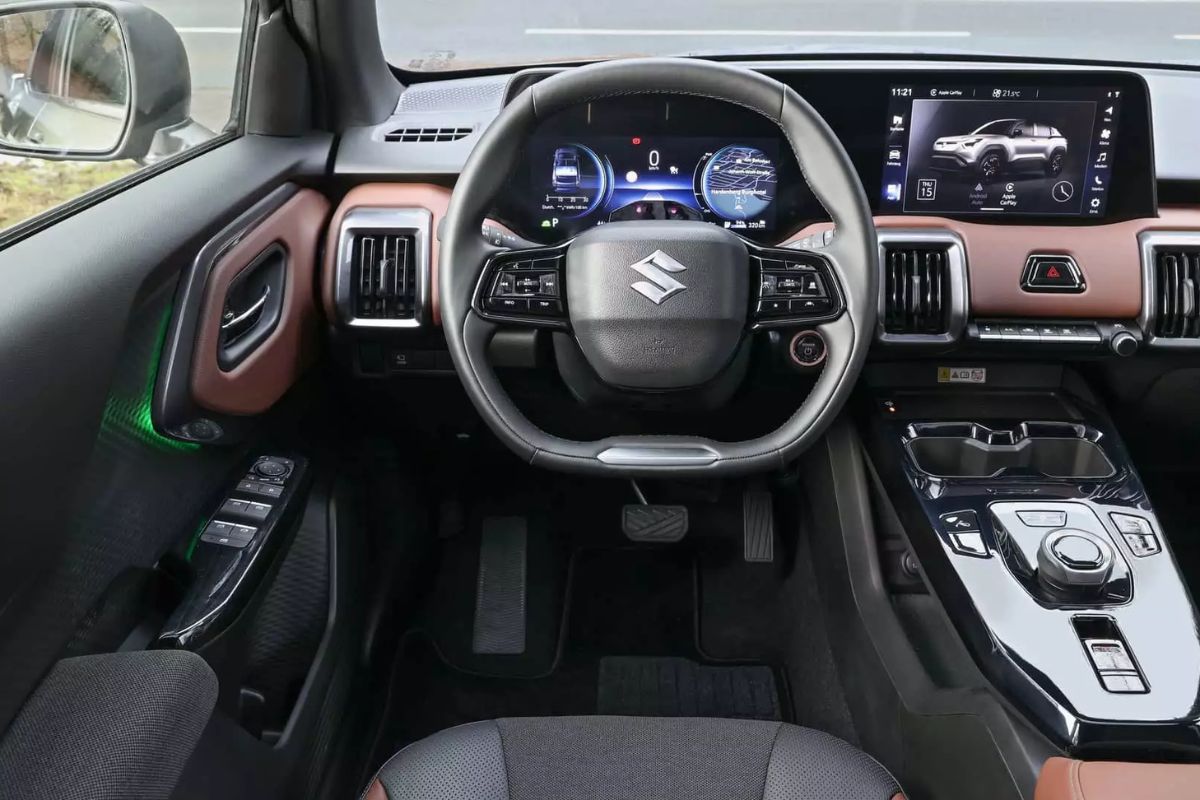
The 2026 electric Vitara arrives in Brazil and proves that Suzuki is not leaving: 4×4 traction, 184 hp, 61 kWh LFP battery, 293 km range, R$ 259,000, and a trunk capacity of 224 L.
-
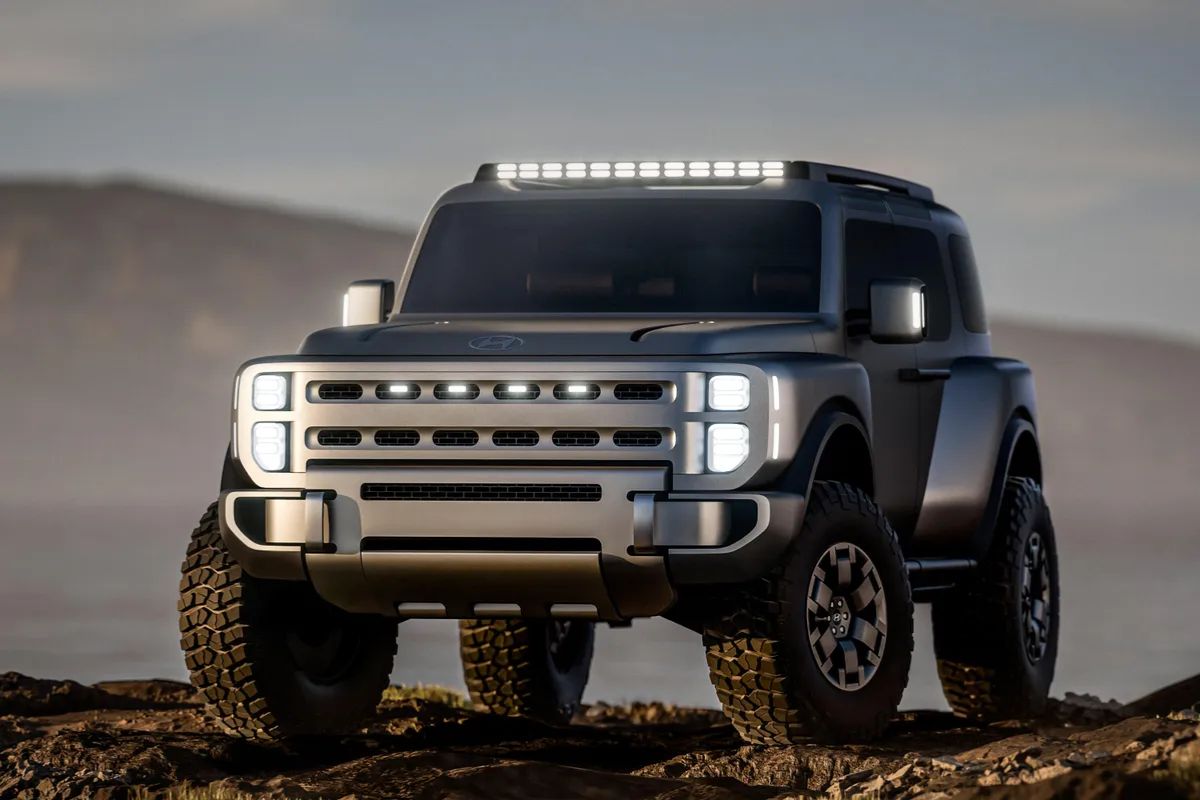
Hyundai has unveiled the Boulder, a square SUV with a body-on-frame design, 37-inch mud tires, and carriage-style doors that seems to be made to take on the Ford Bronco and the Scout Traveller in the United States.
-
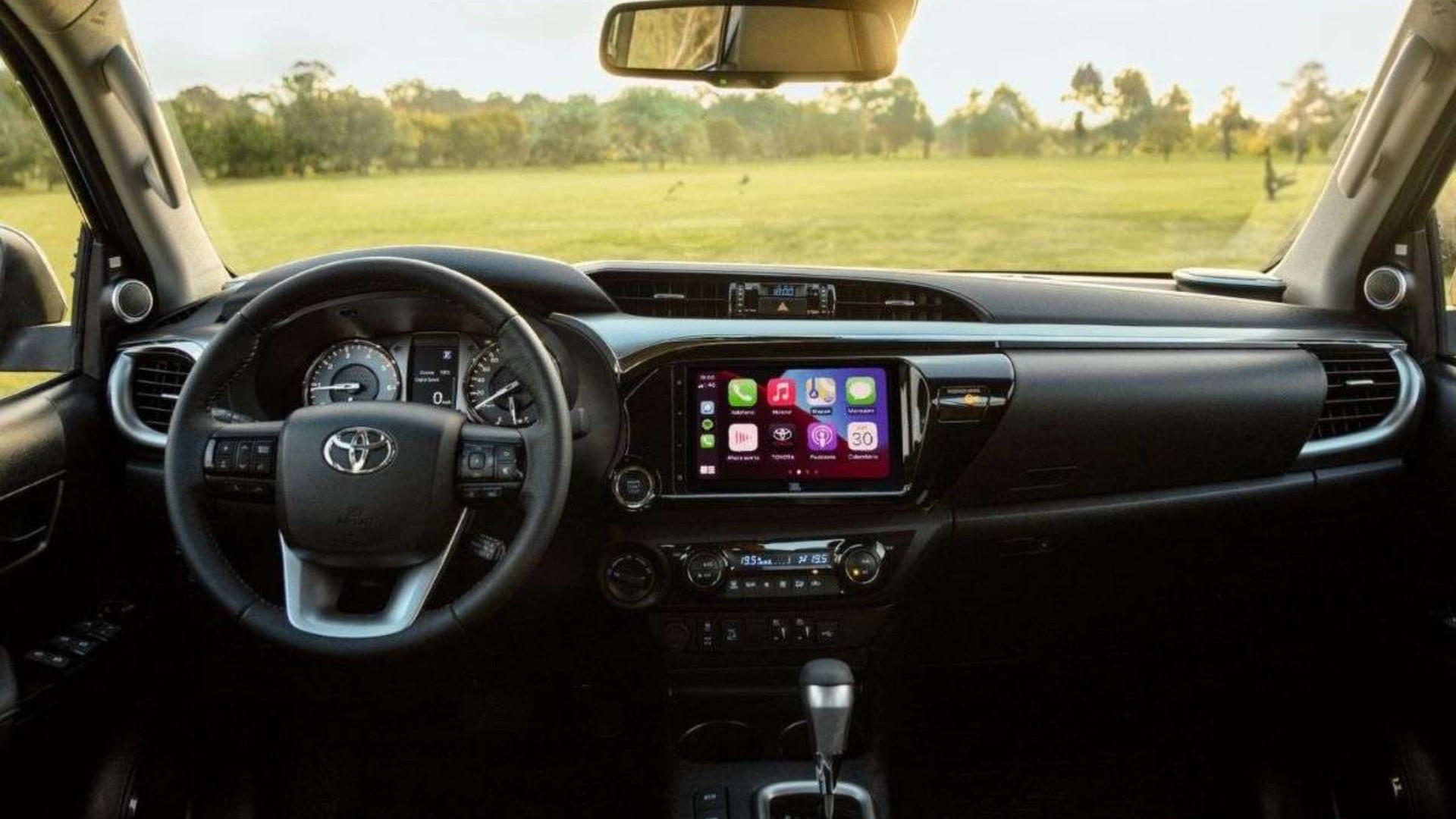
The Toyota Hilux is R$ 75.5 thousand cheaper and bets on the 2.8 turbodiesel engine with up to 204 hp and 50.9 kgfm to catch up with the VW Saveiro, which leads with 4,472 sales.
-
The new Renault Koleos has a screen exclusively for the passenger that is invisible to the driver, heated rear seats, and 29 assistance systems, but its Chinese competitors cost R$ 40,000 less and deliver more power.
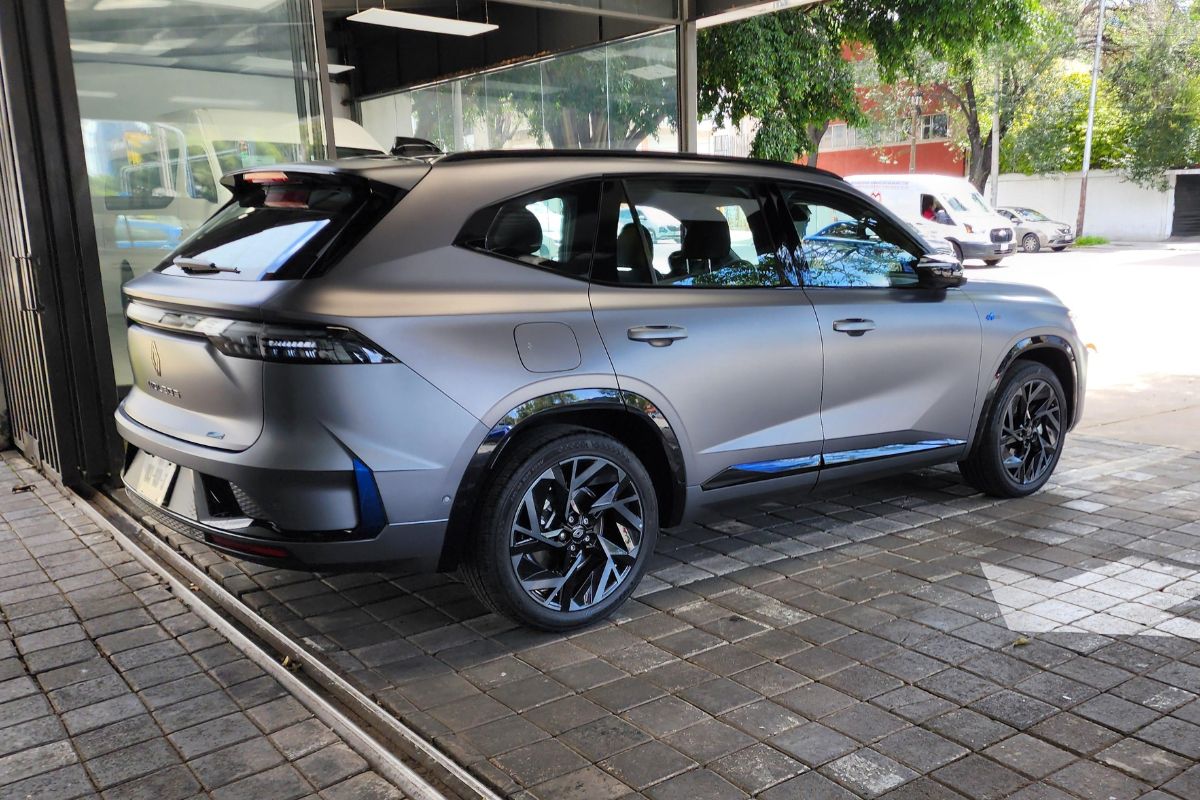

The result is a compact SUV with over 600 km of autonomy in the WLTP standard, which is usually found only in much more expensive electric cars. Adjusting for the Brazilian reality, the expectation is that it will deliver something in the range of 450 to 500 km per charge in real use, allowing for trips between major capitals without the need for recharging along the way.
Design of Electric Compact SUV Focused on Efficiency
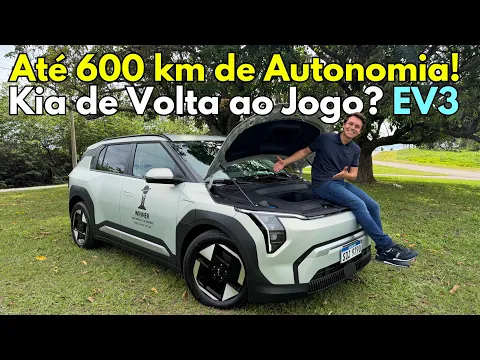

Visually, the Kia EV3 takes on the role of a next-generation electric compact SUV. The front is quite closed, without the traditional cooling grille of combustion engines, as there is no longer a radiator and there is minimal air flow to the engine compartment. The opening is concentrated at the bottom, dedicated to cooling the battery.
The futuristic-style headlights and the lighting signature connected by the piano black detail enhance the modern look, in line with its larger siblings, the EV5 and EV9. On the sides, the more enclosed wheels and the tall body help balance aerodynamics, autonomy, and compact SUV stance, with good ground clearance and urban proportions, without excessive size.
At the rear, the set of taillights in concept car style and the clean bumper, without exhaust, make it clear that the proposal is 100 percent electric, with a focus on efficiency and a technological look.
Minimalist Interior and Well-Utilized Space of Compact SUV
Inside, the EV3 follows the trend of recent electric vehicles from Kia. The dashboard has a minimalist style, with two large integrated screens that house the instrument cluster and multimedia center, alongside dedicated physical controls for air conditioning, media, and navigation, avoiding confusing menus.
The brand highlights the use of recycled and recyclable materials in the fabrics and finishes, reinforcing the sustainability discourse. Even as a compact SUV, the interior space is well utilized thanks to the battery installed in the floor, allowing for a nearly flat floor at the rear and good space for passengers’ legs and heads.
The trunk follows the same logic. There are over 400 liters in the rear and a small front compartment of about 25 liters, ideal for storing the portable charger or charging cables.
Performance of 204 hp Focused on Efficiency

Under the hood, the Kia EV3 features a front electric motor with 204 hp of power and about 28 kgfm of torque, allowing a 0 to 100 km/h in around 7 seconds and a maximum speed close to 170 km/h. For an urban and road compact SUV, that is more than sufficient.
Kia’s choice was clear. Instead of betting on 300 or 400 hp, the EV3 focuses on 204 hp to balance performance and consumption, keeping the car agile in daily use without sacrificing battery autonomy. The battery technology is of the NCM type, the same used in many Western electrics, known for good energy density.
Fast Charging and Practical Use in Daily Life
For charging, the EV3 offers both AC and DC charging. With alternating current, home charging with a good 7 kW wall charger should take around 7 to 8 hours to comfortably replenish the charge. For fast charging with direct current, the compact SUV can go from 10 to 80 percent in about 30 minutes, according to the technical specifications presented.
The car also features paddles behind the steering wheel to adjust the energy regeneration level, allowing for almost driving with only the accelerator in some modes. In urban sections, this helps recover autonomy and makes driving smoother and more economical.
Assistance Technology and Driving Experience
Among the electronic features, the Kia EV3 includes semi-autonomous driving assistance systems, such as lane reading, adaptive cruise control, and automatic braking, depending on the version. The two-spoke steering wheel consolidates controls for driving modes, media, and assistants.
The driver can switch between normal, sport, and other modes, adjusting accelerator response, steering, and regeneration. For a compact SUV, the onboard technology package is robust, with updated multimedia, smartphone integration, and fine adjustments for those entering the world of electrics.
Production in Mexico and Escape from the 35 Percent Tax

A decisive point lies in the industrial strategy. The EV3 will be produced in Mexico, allowing the compact SUV to be imported to Brazil without the 35 percent import tax that applies to many electric cars coming from other countries.
In practice, this places the model in an advantageous position in pricing. While several electric rivals enter the country carrying this tax burden, Kia’s compact SUV arrives with a lighter cost structure, which could lead to more competitive pricing at dealerships, depending on the brand’s strategy and the equipment chosen for the Brazilian package.
Compact Electric SUV with Great Potential in the Brazilian Market

All things considered, the Kia EV3 presents itself as a compact electric SUV with a large battery, high autonomy, balanced performance, and a good dose of technology, in addition to the tax advantage stemming from production in Mexico. It directly targets consumers looking for a taller car, easy to park, primarily for urban use, but also allowing for intercity travel without recharge anxiety.
If it arrives with a well-equipped configuration and a reasonable price, Kia’s compact SUV has everything to be one of the most talked-about electrics on the market, especially among those taking their first step into the world of battery-powered cars.
Would you buy a compact electric SUV with over 600 km of autonomy or would you prefer to wait longer to invest in a 100 percent electric model?









Was this particular vehicle produced in Mexico or imported to Uruguay from Europe?