





 Portuguese
  English
  Spanish
  6 min of reading
  1 comment


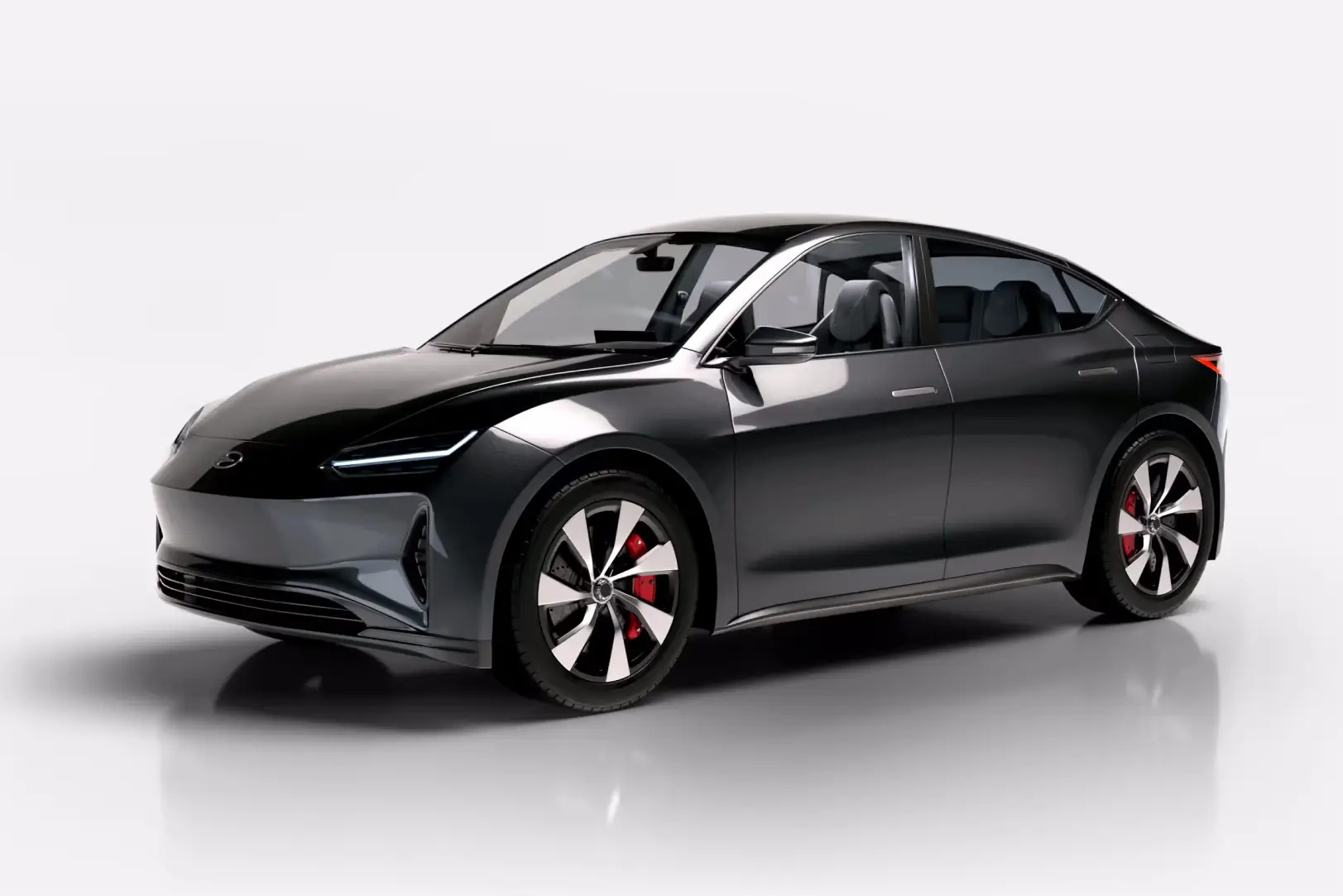


Lecar 459, Innovative Brazilian Car That Promises to Be the Most Fuel-Efficient in the Country with Consumption of 33 km/L with Ethanol. Meet the Renault Engine That Powers This Vehicle and Understand the Automotive Controversy Involving Its Efficiency and Design
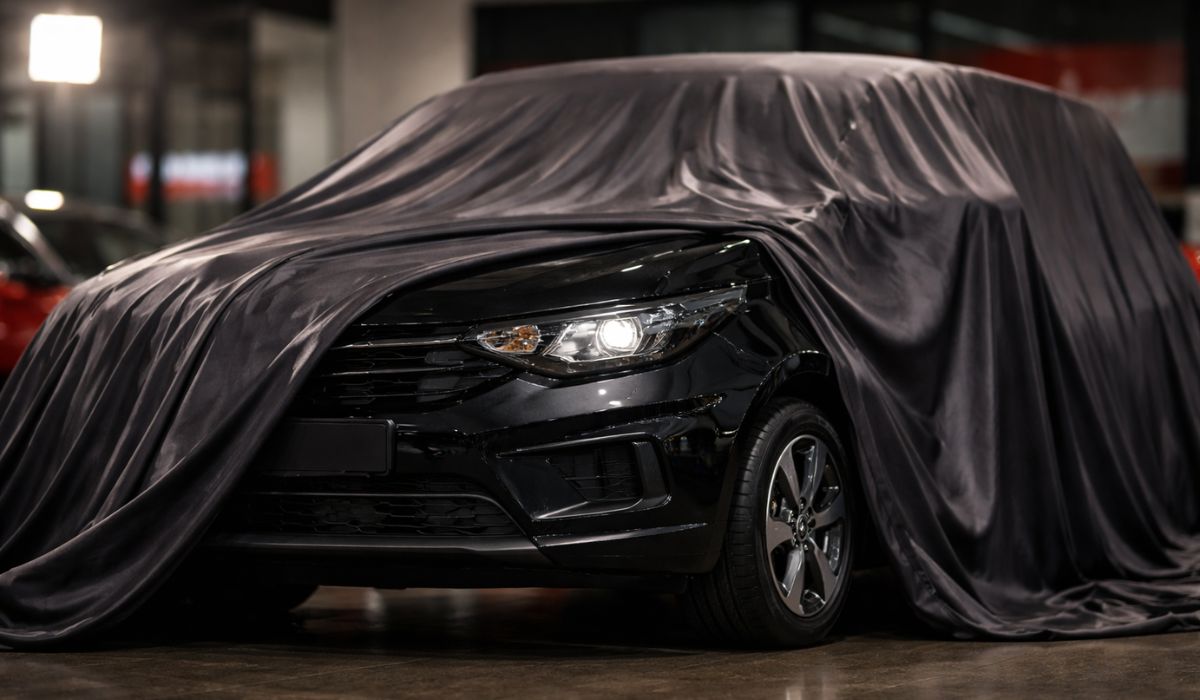
A new national vehicle has been attracting attention in the automotive scene: the Lecar 459, a Brazilian car that promises a record consumption of 33 km/L with ethanol, using a Renault engine. With an ambitious proposal and a total focus on efficiency, the model has become one of the most discussed topics in the automotive industry in recent weeks. Still without official homologation, the project raises technical debates and high expectations—especially for combining nationalization, fuel economy, and low maintenance costs.
Brazilian Car with a Promise of Super Efficiency
The Lecar 459 is the result of a project from Lecar Automóveis, a company based in Caxias do Sul (RS). The model has not yet been officially launched in the market, but it is already shaking up the industry by presenting an extremely promising proposal: a range of up to 33 km per liter with ethanol, using a 1.0 engine from Renault, without electric assistance.

If the numbers are confirmed, the 459 could become the most fuel-efficient car in Brazil powered by fossil fuels or biofuels, surpassing rivals like the Renault Kwid and the Fiat Mobi, which currently range around 15 to 16 km/L with ethanol in the city, according to data from Inmetro (PBEV 2024).
-
The Toyota Hilux is R$ 75.5 thousand cheaper and bets on the 2.8 turbodiesel engine with up to 204 hp and 50.9 kgfm to catch up with the VW Saveiro, which leads with 4,472 sales.
-
The new Renault Koleos has a screen exclusively for the passenger that is invisible to the driver, heated rear seats, and 29 assistance systems, but its Chinese competitors cost R$ 40,000 less and deliver more power.
-
The car stored for 38 years: when opening the barn door, what appears is breathtaking and looks like a scene from a movie!

-
Fiat works miracles in the Brazilian market, lowers the price of its 0 km hatch to R$ 69,990, reestablishes the model as the cheapest car in the country, and reignites the battle against Kwid and C3.

Light Structure and Total Focus on Economy
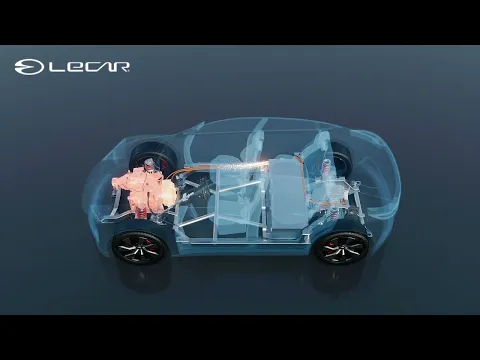
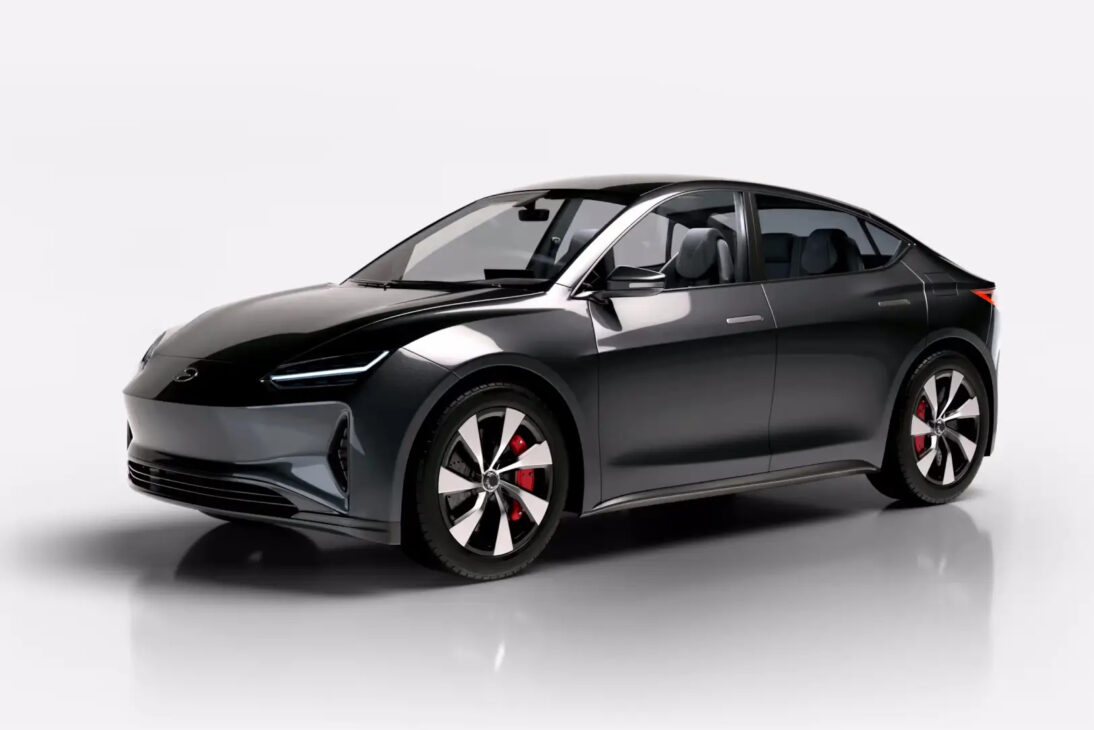
The secret behind the performance of the Lecar 459 lies in its construction. Lecar claims it intends to significantly reduce the weight of the 459 model through the use of lightweight materials, such as SMC (Sheet Moulding Compound), following a strategy similar to Gurgel in the 1980s.
The goal is to achieve a vehicle lighter than traditional subcompacts, which can contribute to greater energy efficiency.
This lightness allows the car to deliver good consumption results even with a Renault engine 1.0 aspirated three-cylinder—the same used in the Kwid. According to the project’s creators, the Lecar 459 accelerates from 0 to 100 km/h in about 10 seconds, prioritizing energy efficiency and economy.
The model features a body with minimalist lines, a compact interior space, and optimized suspension for reduced weight. There is only the essential: seats, a simple dashboard, and a functional structure. All this aims to reduce consumption and make the car accessible to the public seeking real savings in urban and highway use.
Consumption of 33 km/L with Ethanol Still Raises Doubts
Despite the eye-catching promise of consumption of 33 km/L with ethanol, industry experts have received the information with caution. So far, there is no official measurement registered by the Brazilian Vehicle Labeling Program (PBEV) of Inmetro, which certifies the real consumption of models sold in the country.
Part of the performance data reported by the company comes from virtual simulations, but so far there are no results certified by agencies like Inmetro or records of tests in controlled environments. This means that the result may not be replicated in real urban traffic situations, inclines, air conditioning on, and temperature variations.
Even so, the project presents valid technical foundations for achieving above-average consumption, especially considering the reduced weight and the use of an already proven efficient engine.
The Automotive Controversy Behind the Lecar 459
With so much attention focused on the project, the Lecar 459 has also become the center of an automotive controversy. Various experts, engineers, and consumers have questioned the technical viability of the consumption promise, pointing to the lack of transparency in testing and the absence of public certification.
Another point of debate is the vehicle’s safety. Since the model has not yet undergone crash tests (like those conducted by Latin NCAP), there are doubts about the resistance of the ultralight body in real accident situations. The manufacturer claims to be investing in structural studies but admits that the initial focus was solely on energy performance.
Furthermore, the Lecar 459 still does not have an official forecast for large-scale commercialization. Current production is artisanal and limited, which complicates the analysis of the commercial impact of the model in the national market.
Renault Engine Ensures Mechanical Reliability
Even with the controversies, one aspect that reinforces the reliability of the Lecar 459 is the use of the Renault engine. The 1.0 SCe three-cylinder engine, which equips several models of the French brand in Brazil, is already known for its good balance between power, simple maintenance, and low consumption.
This engine delivers about 71 hp with ethanol and 10 kgfm of torque, and is widely available in the national market, which reduces maintenance costs and expands the technical support network for the vehicle. The integration with a five-speed manual transmission also favors efficiency, especially in urban use.
According to Lecar, the tuning of the electronic injection and the weight-to-power ratio of the model have been optimized to extract the maximum performance with minimal fuel consumption.
Brazilian Car with Its Own Identity
One of the merits of the project is to bet on a Brazilian car with its own identity, aimed at meeting local usage conditions, infrastructure, and demand for accessible and economical vehicles. Unlike many automakers that simply adapt global models to Brazil, Lecar starts from a national project from conception, prioritizing efficiency and simplicity.
Additionally, the idea of producing a light car, with low pollutant emissions and high energy yield, aligns with the sustainability goals championed by various countries, including Brazil. The expectation is that the model will be used in urban areas, small cities, and even in public service fleets or vehicle sharing.
Lecar 459 Could Open the Way for a New Category of Vehicles
If it gets approval from Inmetro and clearance for larger-scale sales, the Lecar 459 could inaugurate a new category in Brazil: ultra-compact cars, aimed at minimal consumption, national production, and affordable prices. It is estimated that the model could cost between R$ 50,000 and R$ 60,000, depending on the configuration and production volume.
This would position it as a real alternative to individual urban transport during times of rising fuel prices and increasing environmental concerns. Furthermore, it could encourage other automakers to invest in lighter, simpler, and more functional cars, breaking the current paradigm of ever-larger, more expensive models packed with rarely used features.
Lecar 459 Represents Innovation with Challenges
The Lecar 459 represents a bold proposal for an economical car, completely geared towards the audience seeking low usage and maintenance costs.
With its consumption of 33 km/L with ethanol (yet to be homologated) and use of a Renault engine, the model stands out for its lightness, simplicity, and focus on efficiency—characteristics increasingly valued in a scenario of climate crisis and rising urban mobility costs.
However, the project still needs to overcome significant obstacles: official approvals, safety tests, and transparency in technical data. The automotive controversy surrounding the real viability of the proposal also demands clearer responses from the manufacturer.
If all these points are resolved, the Lecar 459 has the potential to mark a new era in the Brazilian automotive sector, focusing on extreme efficiency, sustainability, and the nationalization of mobility solutions.
For consumers prioritizing real savings and simplicity, this could be one of the most promising launches in recent years.








Tem muitas informações erradas na matéria. A começar pela fábrica que será em Sooretama-ES, o preço do carro que é R$159.000. O motor em questão é só para gerar propulsão, o carro funciona como um sistema híbrido, na qual o motor à combustão alimenta o pack de baterias.