





 Portuguese
  English
  Spanish
  5 min of reading
  0 comments



Moved By An Open Nuclear Reactor, Capable Of Flying At Mach 3 And Contaminating Everything Below Its Path, The SLAM Missile Of Project Pluto Was Considered Too Destructive Even For The Cold War.
At The Height Of The Cold War, When Strategic Logic Accepted Almost Anything In The Name Of Deterrence, The United States Funded A Project That Today Seems Incredible To Believe. The Project Pluto, Responsible For The Development Of The SLAM (Supersonic Low Altitude Missile), Proposed A Weapon That Not Only Carried Nuclear Warheads, But Was Itself A Continuous Source Of Radioactive Contamination. There Was No Shielding. There Was No Environmental Concern. There Was No Going Back. The Mission Was Simple And Terrifying: Fly Fast, Low, And Indefinitely, Spreading Physical And Radiological Destruction Along The Way.
Unlike Any Conventional Missile, The SLAM Did Not Rely On Chemical Fuel After Launch. It Would Be Powered By An Open-Flow Nuclear Reactor, Using The Air Itself As A Means Of Energy Transfer. As It Flew At Mach 3 At Low Altitude, The Air Passed Through The Reactor Core, Was Heated To Extreme Temperatures, And Expelled Backward, Generating Thrust — Along With Radioactive Particles Released Directly Into The Atmosphere.
A Concept That Ignored All Limits
The SLAM Stemmed From A Simple And Dangerous Question: What If A Missile Could Fly Forever?
The Answer Was A Nuclear Ramjet Engine, Where There Is No Traditional Combustion. Instead, An Unshielded Nuclear Reactor Heats The Air Directly.
-
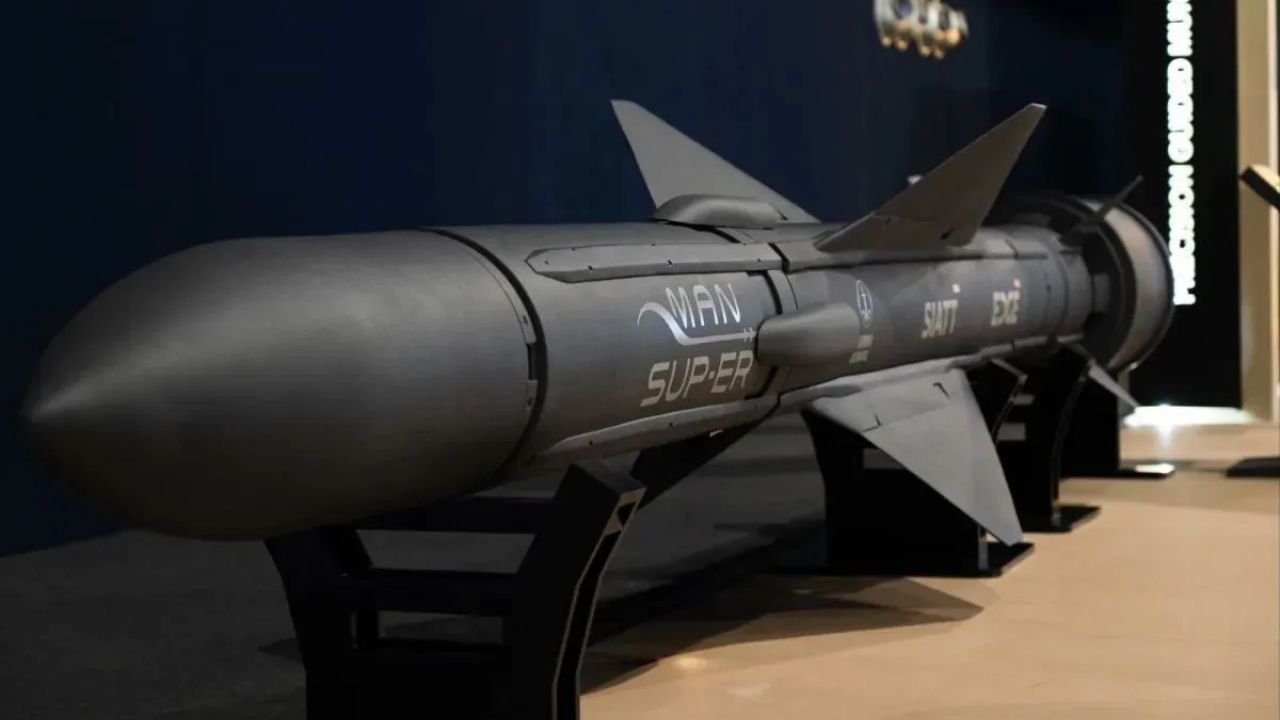
Brazil accelerates the evolution of the MANSUP missile, designing an air-surface version with a range exceeding 200 km, advanced guidance, and precision strike capability against land and naval targets, paving the way for a new generation of national armaments with global potential.
-
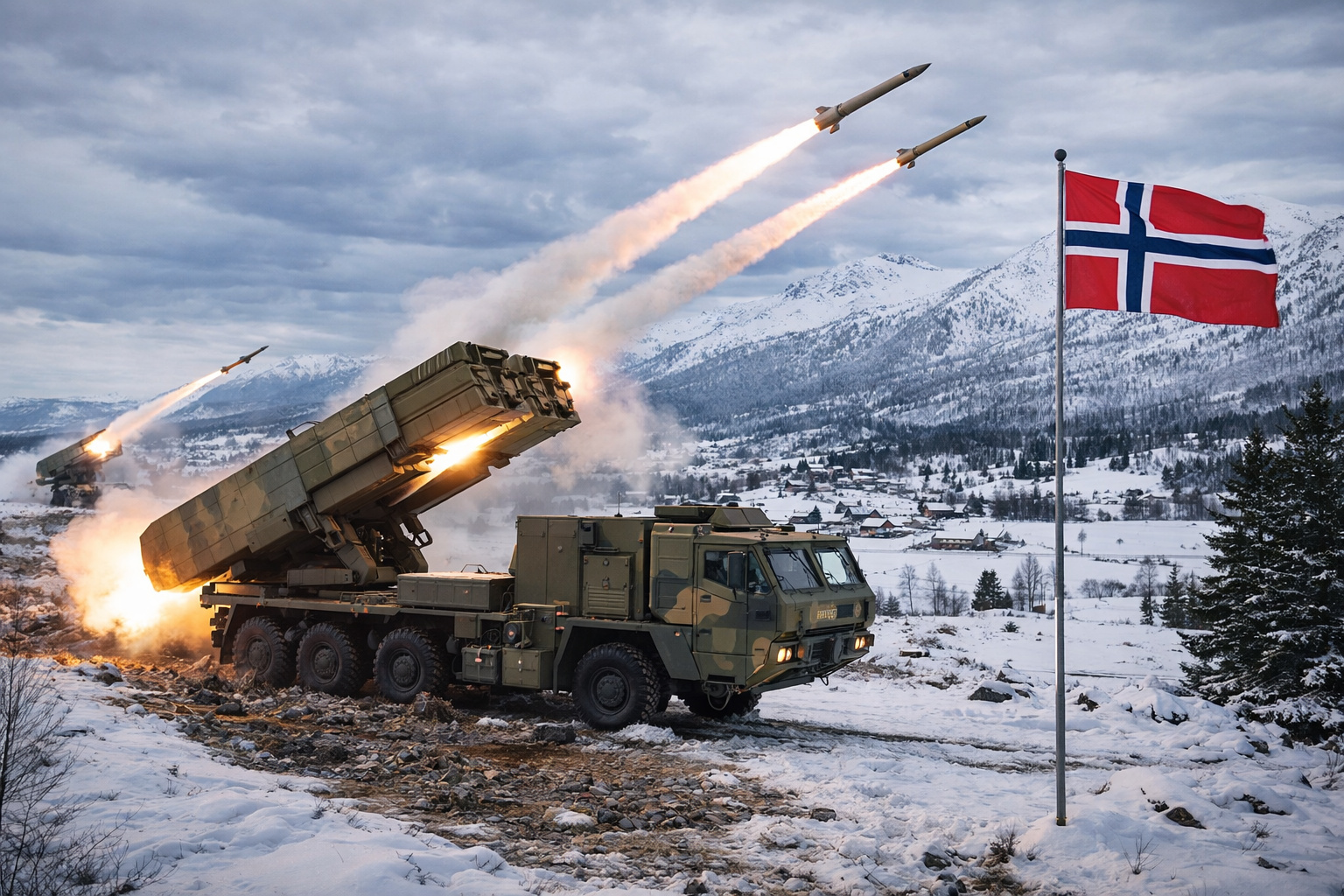
South Korea signs a $922 million deal with Norway, bringing Chunmoo launchers capable of firing guided missiles up to 290 km with an accuracy of 15 meters to Europe and turning the system into a key component of the new global race for precision artillery.
-
Brazil advances with decisive tests until June, the 6×6 Guarani armored vehicle with engineering equipment enters the most important phase and can enhance the operational capability of the Army.

-
Furnas Airport is handed over to the Navy and becomes a strategic base with complete military operations, attack drones, and international mobilization at Furnas Lake.



The Result Is A System With Practically Unlimited Range, Restrained Only By The Structural Integrity Of The Missile And The Reactor Itself.
In Practice, This Would Allow The SLAM:
- To Fly For Tens Of Thousands Of Kilometers
- To Bypass Entire Continents
- To Attack Multiple Targets In A Single Mission
- To Stay In The Air For Hours Or Days, If Necessary
All This While Leaving A Continuous Radioactive Trail.
Low Flying, Supersonic, And Impossible To Intercept
The SLAM’s Flight Profile Was As Aggressive As Its Engine. The Missile Was Designed To Fly At Low Altitude, Following The Terrain, At Speeds Near Mach 3. This Behavior Would Make:
- Radars Practically Useless Until The Final Seconds
- Air Defense Systems Incapable Of Responding In Time
- Aerial Interception Nearly Impossible
While Ballistic Missiles Follow Predictable Trajectories, The SLAM Would Meander Over The Terrain, Passing Through Cities, Military Bases, And Strategic Areas Even Before Releasing Its Warheads.
A Weapon That Killed Even Without Exploding
Here Is The Point That Makes Project Pluto Unique And Disturbing. The SLAM Did Not Need To Hit A Target To Cause Damage. The Simple Act Of Flying Was Already Destructive.
During Operation:
- The Air Passed Through The Reactor Core
- Radioactive Particles Were Released Directly Into The Environment
- Areas Beneath The Flight Path Would Be Permanently Contaminated
In Other Words, Even If It Never Detonated Its Warheads, The Missile Would Spread Radiation Over Cities, Fields, Rivers, And Oceans. It Was A Weapon Designed To Render Entire Territories Uninhibited, Not Just Destroy Them.
Nuclear Warheads As The “Final” Bonus
To Make Everything Even More Extreme, The SLAM Was Designed To Carry Multiple Nuclear Warheads, Which Would Be Released Along The Way.
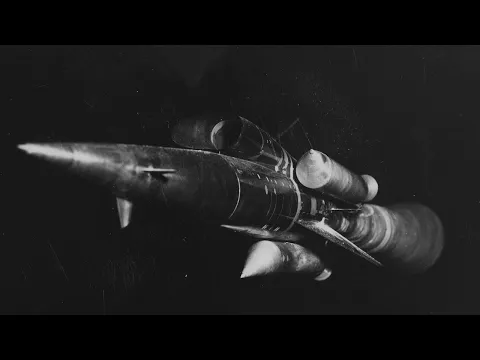
The Concept Was Simple: After Bypassing Defenses And Contaminating The Path, The Missile Would Drop Nuclear Bombs On Strategic Targets Before Possibly Falling Into The Ocean Or Deliberately Colliding With A Final City.
In Strategic Terms, It Was The Equivalent Of A Layered Attack, Combining:
- Radiological Contamination
- Psycho-Logical Shock
- Direct Nuclear Destruction
The Tory Reactor: When The Absurd Became Metal
The Project Pluto Was Not Left On Paper. Engineers From The Los Alamos National Laboratory Developed And Tested Real Nuclear Reactors, Known As Tory-IIA And Tory-IIC. These Reactors:
- Successfully Operated
- Reached Extreme Temperatures
- Demonstrated Enough Thrust To Sustain Supersonic Flight
The Tests Were Conducted In Remote Facilities In The Nevada Desert Precisely Because There Was No Way To Contain The Radiation Generated. Even The Scientists Themselves Acknowledged That The System Was Too Dangerous For Any Controlled Environment.
Why It Was Never Used
Curiously, The Project Pluto Was Not Canceled Due To Technical Failure. The Engine Worked. The Concept Was Viable. The Problem Was Different: The Missile Was Too Dangerous Even For Those Who Owned It.
Among The Decisive Factors For Cancellation, In 1964, Were:
- The Impossibility Of Testing The System In Flight Without Contaminating Vast Areas
- Extreme Risk In Case Of Failure Or Accidental Crash
- Absence Of Any Scenario For “Controlled” Use
- The Evolution Of Intercontinental Ballistic Missiles, Cleaner And More Predictable
The SLAM Could Not Be Recovered, Disabled, Or Safely Aborted. Once Launched, It Had To Complete Its Mission Or Fall, Radiating Everything Around.
The Weapon That Broke Even The Logic Of Deterrence

The Nuclear Doctrine Always Operated Under The Concept Of Mutually Assured Destruction. The SLAM Extrapolated This. It Not Only Threatened The Enemy, But Created A Permanent Existential Risk, Including For Allies, Neutral Countries, And The Planet Itself. In Practice, It Was A Weapon That:
- Violated Any Notion Of Proportionality
- Made The Distinction Between Combatants And Civilians Irrelevant
- Left Effects That Would Last For Generations
Even By Cold War Standards, This Was Going Too Far.
After The Cancellation Of Project Pluto, No Country Returned To Seriously Develop Open-Flow Nuclear Reactor-Powered Cruise Missiles. The Concept Remains A Historical Limit: The Point At Which Engineering Showed It Could Do Something, But Politics And Ethics Decided It Should Not.
Today, The SLAM Is Studied Not As A Viable Weapon, But As A Extreme Example Of How Far The Arms Race Was Willing To Go.
When Technology Won Over Prudence, For A Short Time
The SLAM Missile Represents A Rare Moment When Engineering Outpaced Any Strategic Brake. It Did Not Fail Because It Was Impossible, But Because It Was Too Good At Destruction. Its Simple Existence Proves That, During The Cold War, The World Came Dangerously Close To Accepting Weapons That Would Not Leave Winners Or Habitable Territory.
Project Pluto Was Buried, But It Remains A Silent Warning: Not All Technology That Works Should Exist.










-

-

-

-

-

11 pessoas reagiram a isso.