





 Portuguese
  English
  Spanish
  4 min of reading
  1 comment


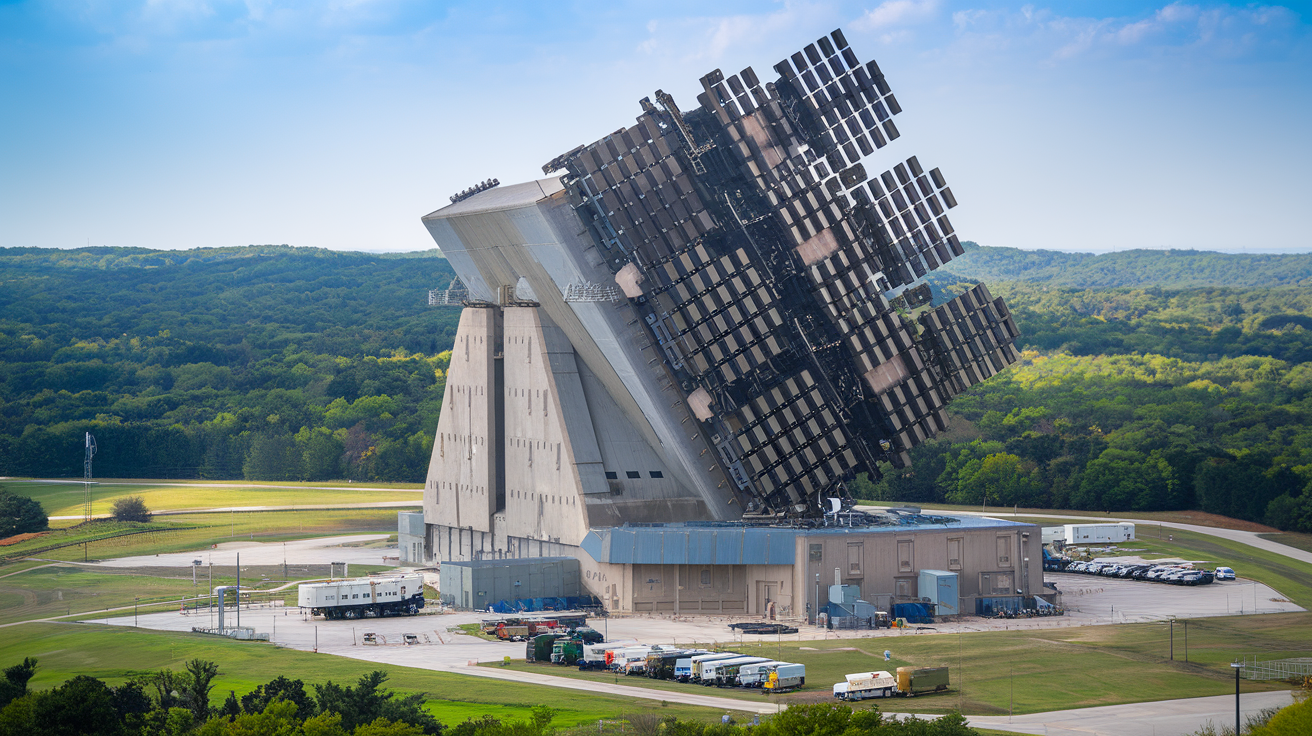


US Military Construction From The Cold War Is A Concrete And Steel Shield Designed To Withstand Nuclear Attacks. Discover The Secret Project That Received Billion-Dollar Investments!
A US military construction was erected in the middle of a remote field. It is a futuristic pyramid, the secret military construction, which cost investments of 30 billion dollars, equivalent to about R$ 186 billion at current exchange rates, and was intended to be the concrete shield of the US against Soviet missiles during the Cold War. Although little known, this concrete and steel shield in North Dakota not only encapsulates the nuclear paranoia of the time but also stands as a testament to an era where the arms race dictated the fate of nations.
The Safeguard Missile Defense Radar Building, located in Nekoma, North Dakota, is one of the most peculiar military constructions in the United States. Built during the Cold War, the complex, which includes a futuristic pyramid, was designed to act as a concrete and steel shield against Soviet missiles. According to information from Smithsonian Magazine, the project was part of the Safeguard Ballistic Missile Defense Program and received billion-dollar investments to house advanced radar and interception systems. Although the installation operated for a short period, its existence encapsulates the nuclear paranoia of the time and remains one of the most enigmatic symbols of the arms race between the US and the Soviet Union.
The Secret Military Construction of The US
During the Cold War, both the US military and the Soviet Union made significant investments in infrastructures that now seem excessive. The Stanley R. Mickelsen Safeguard Complex (SRMSC) is a relic from that time, representing a heavy investment by the US in a secret military construction.
-
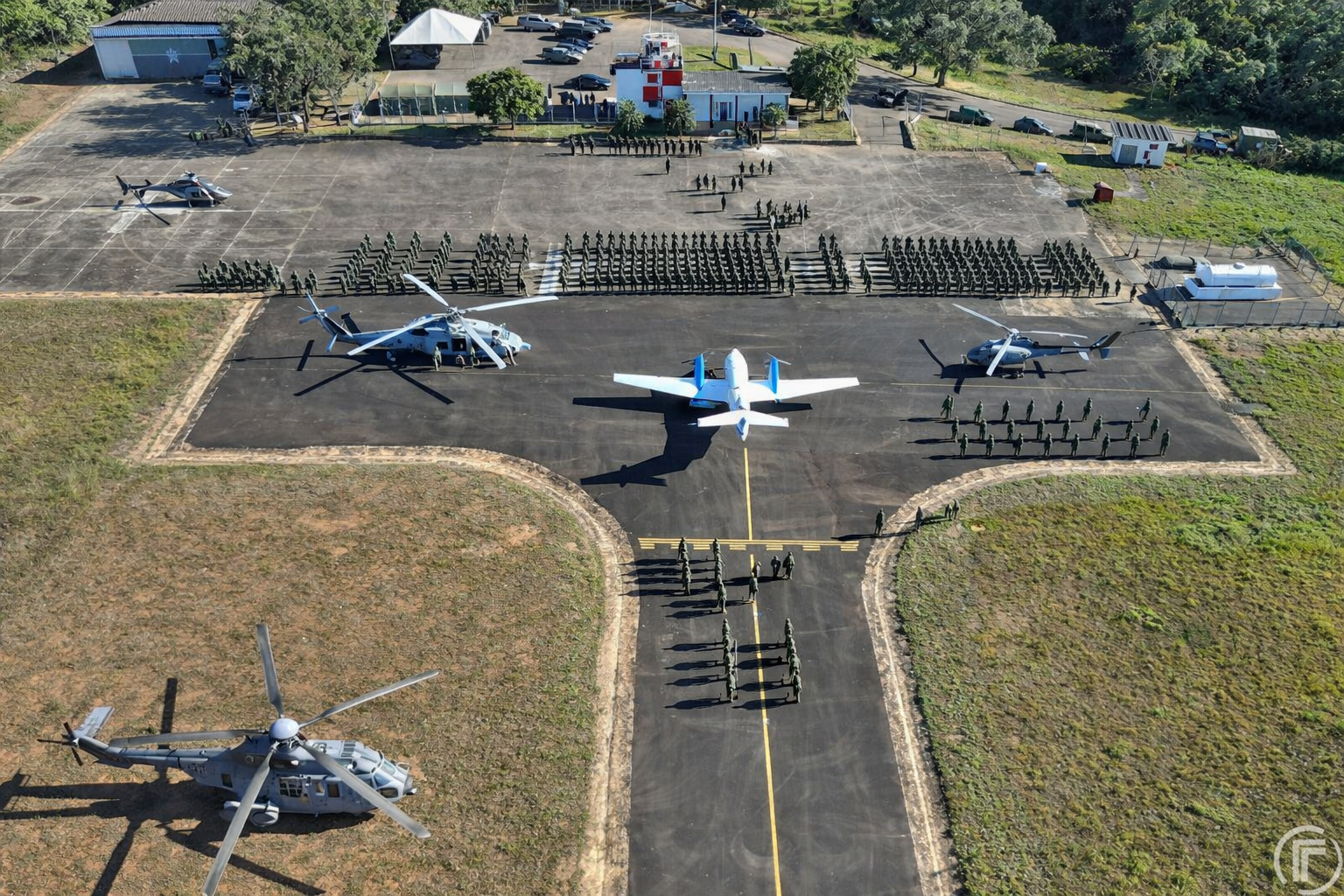
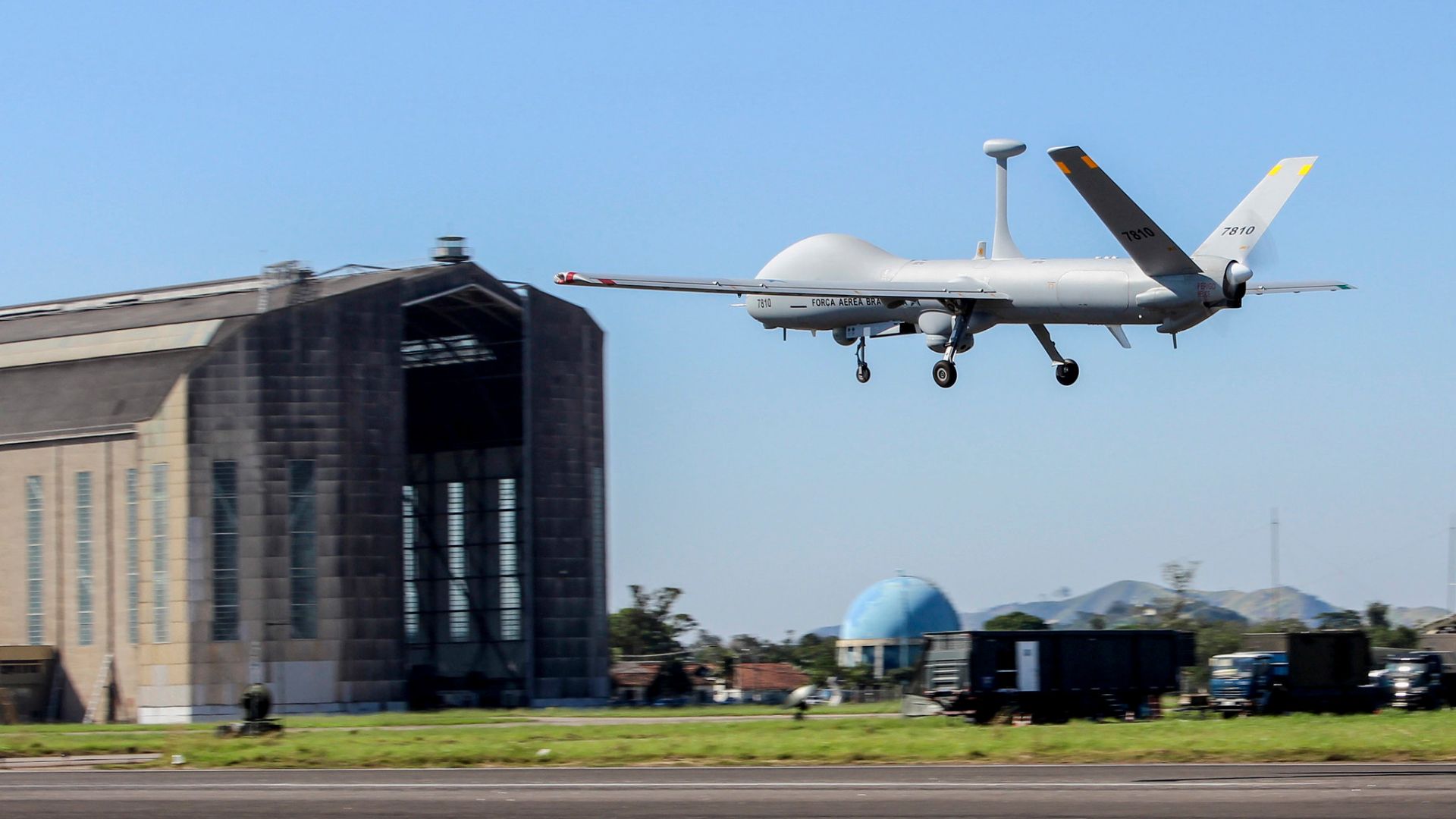
Furnas Airport is handed over to the Navy and becomes a strategic base with complete military operations, attack drones, and international mobilization at Furnas Lake.
-
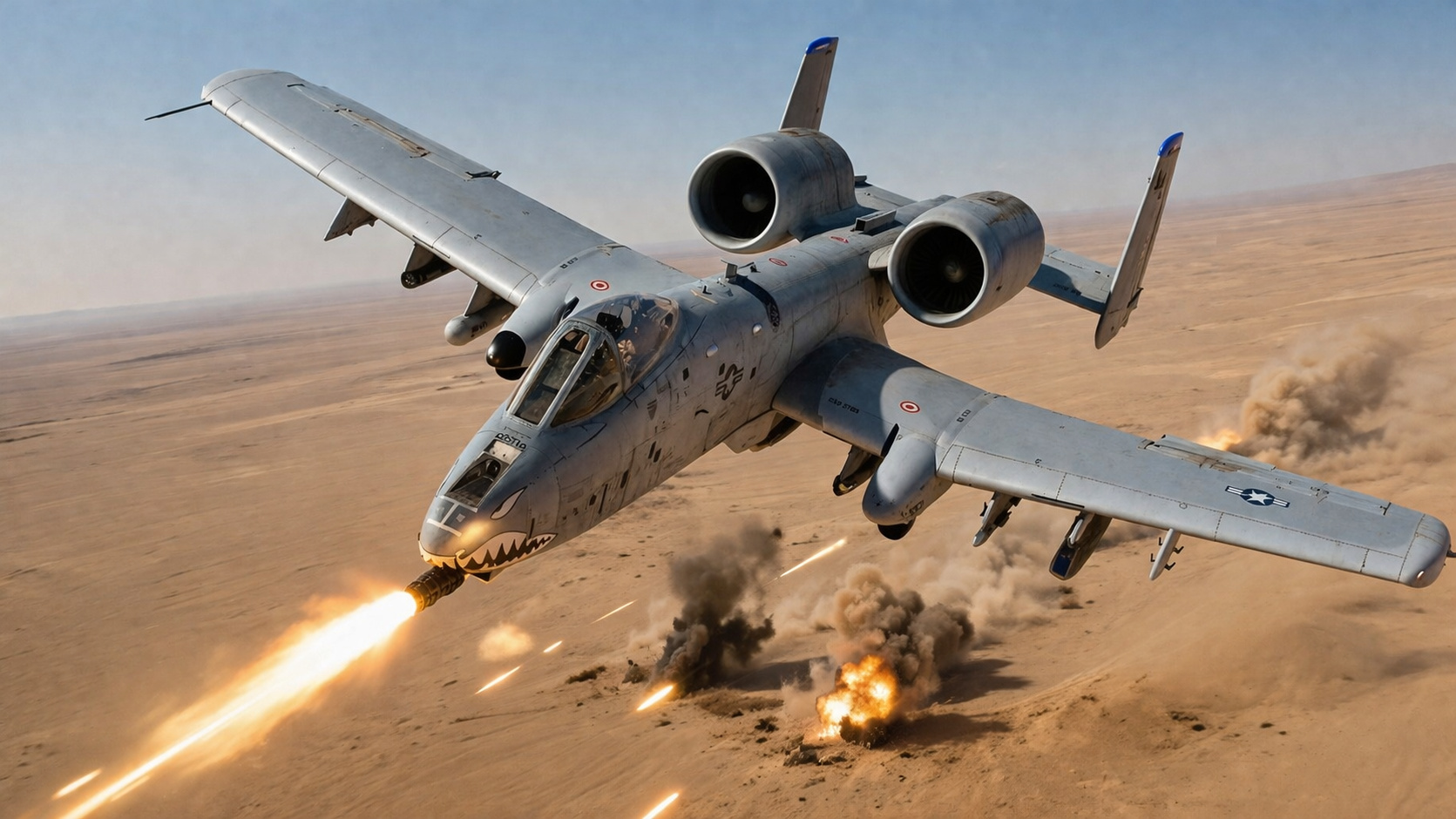
Few people know, but “mega burst” attacks from the A-10 in the Middle East are intriguing analysts and even experienced former pilots of the U.S. Air Force.
-
Manufactured in Brazil and exported to Saudi Arabia and Malaysia, the ASTROS system is renamed as Fogos in 2026, gaining AI, cruise missiles with a range of 300 km, and air defense costing R$ 3.4 billion, transforming a launcher from the 1980s into the most ambitious multidomain platform in Latin America.
-
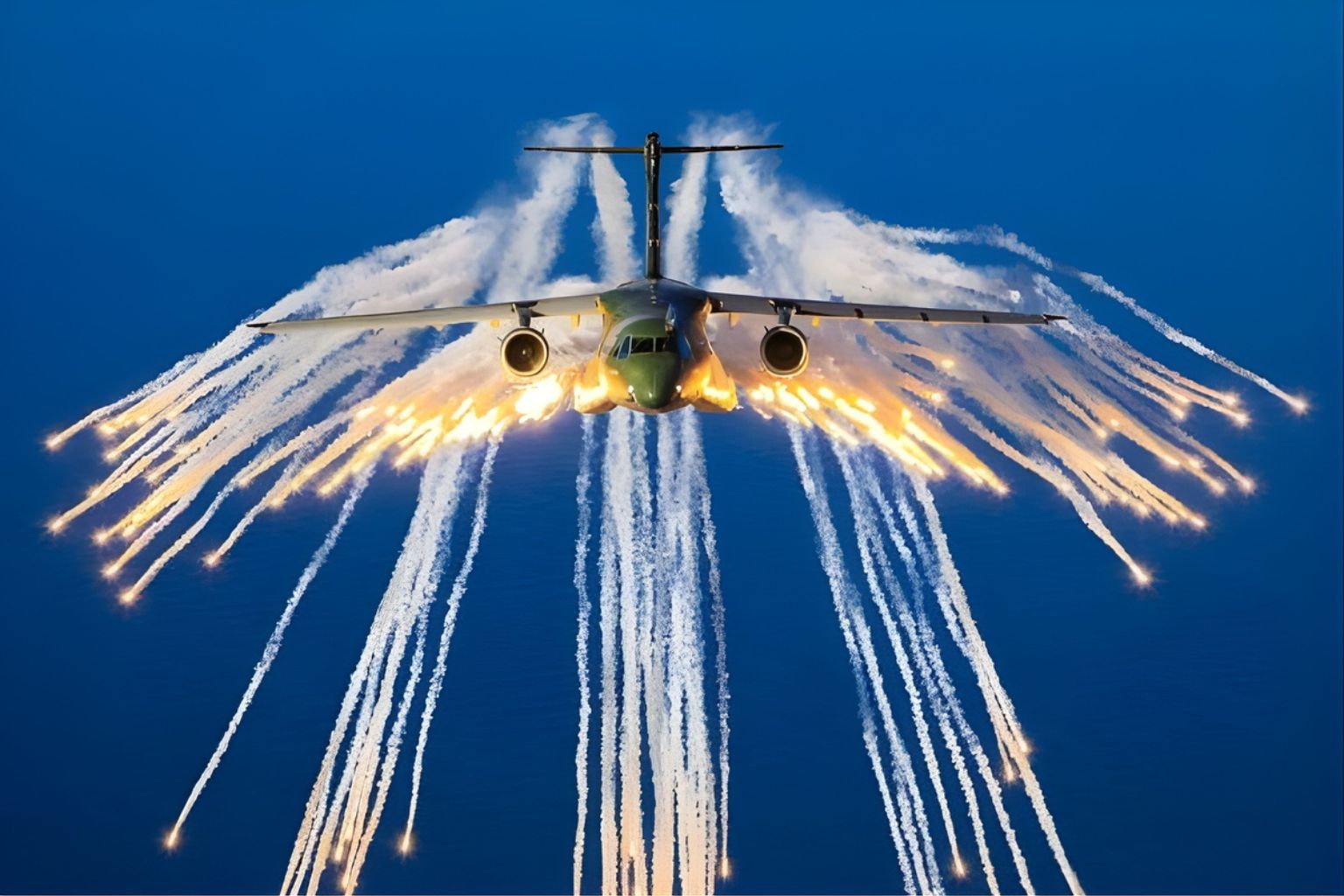
The largest military aircraft ever produced in Brazil, the KC-390 Millennium can carry up to 26 tons, refuel fighter jets in flight, and has already been exported to Europe and Asia, placing the country in the select group that designs and sells large military aircraft worldwide.

The purpose of the US concrete shield was to protect the country from Soviet intercontinental missiles. Although it never intercepted any missiles, the existence of this US military construction may have served as a powerful deterrent against Soviet attacks. Alternatively, it can also be seen as a colossal failure.
The investment in the concrete and steel shield consists of several buildings, with the pyramid being the centerpiece. In addition to its imposing presence, the pyramid conceals a complex underground network of corridors and rooms, including offices, the central computer, and the power source of the complex. Furthermore, there was a vast field of missile silos.
Secret Military Construction Had A Powerful Radar To Identify Missiles
Built with concrete, iron, and steel, the US military construction was developed to withstand nuclear and electromagnetic attacks. Construction began in the late 1960s, with an initial investment of 6 billion dollars, which today amounts to about 33.97 billion.
The radar was the most crucial feature of the US concrete shield. On the four sides of the pyramid (MSR), phase radars could quickly focus in multiple directions without moving antennas. This US technology represented the peak of American innovation and aimed to detect missiles at long range.
Equipped with 20,000 antenna elements and controlled by a central computer built by IBM, Bell System, and Lockheed, the MSR, along with the PAR system, could find Soviet intercontinental missiles and discriminate between warheads and other objects, providing interception trajectories and launching defense missiles.
End Of The Concrete And Steel Shield
Under the secret military construction, there were many rooms, including offices, computer rooms, and arsenals. Additionally, there was fuel storage, a heat exchanger, and a power plant that supplied the entire complex.
The US concrete shield also included a community center, officers’ quarters, a dining hall, chapel, gymnasium, and recreational facilities. The country’s investment aimed to direct multiple missiles at the same time in case of multiple attacks.
Despite the huge investment, the secret military construction operated for only six months. On April 1, 1975, it reached initial operational capability (IOC), and on October 1 of the same year, it reached full capacity with 100 operational missiles. However, on October 2, 1975, Congress voted for the deactivation of the system. Even operating at a simulated effectiveness of 99.5%, the US military construction was deactivated one day after reaching its full capacity.
Source: IGN









Um simples e minúsculo vírus foi responsável por milhares de vidas perdidas no mundo com a Covid19, se fosse uma bactérias teriam morridos 5 ou 7 vezes mais. E os gênios preocupado com mísseis nuclear. Para que destruir se não poderão usufruir, jamais essa arma será usada, se matam para roubarem e não para destruírem tudo sem poder se apoderar o que é do outro. Já viram os EUA invadirem países pobre? E só os que tem petróleo, ouro e riquezas de maneira em geral.