





 Portuguese
  English
  Spanish
 3 min of reading
  0 comments


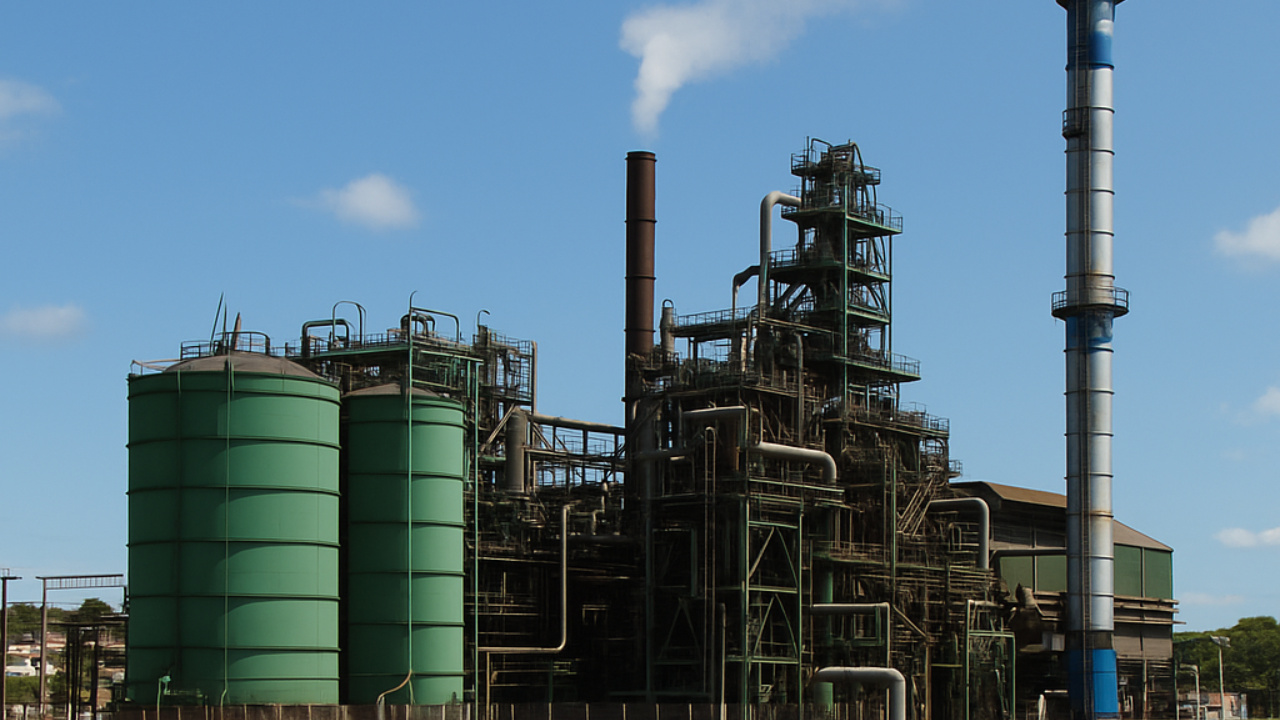
Utinga Plant Was Considered the Most Modern in Latin America and Continues Advancing with Technologies.
The preparation for the start of the 2025/2026 harvest mobilized the Utinga Plant, in Rio Largo (AL), which received, on September 19, the visit from the Technical Tour of CanaOnline.
What caught attention right from the beginning was the emphasis on its manufacturing structure: still in the 1970s, engineers classified the industrial plant of the Utinga Plant as the most modern in Latin America.
Thus, the plant was organizing to begin the grinding delayed by a few days due to atypical rains in the region while presenting its advancements, investments, and challenges for the new production cycle.
-
Historic bankruptcy of Centauro shocks the market, and the century-old company puts more than 500,000 products, machines, and complete infrastructure up for online auction.

-
New shoe factory in Ceará is expected to create 400 jobs and strengthen the local economy.
-
No one imagined it, but a mixture of sawdust with a mineral that fights fires surprises scientists with a result that changes the course of fire-resistant construction.
-
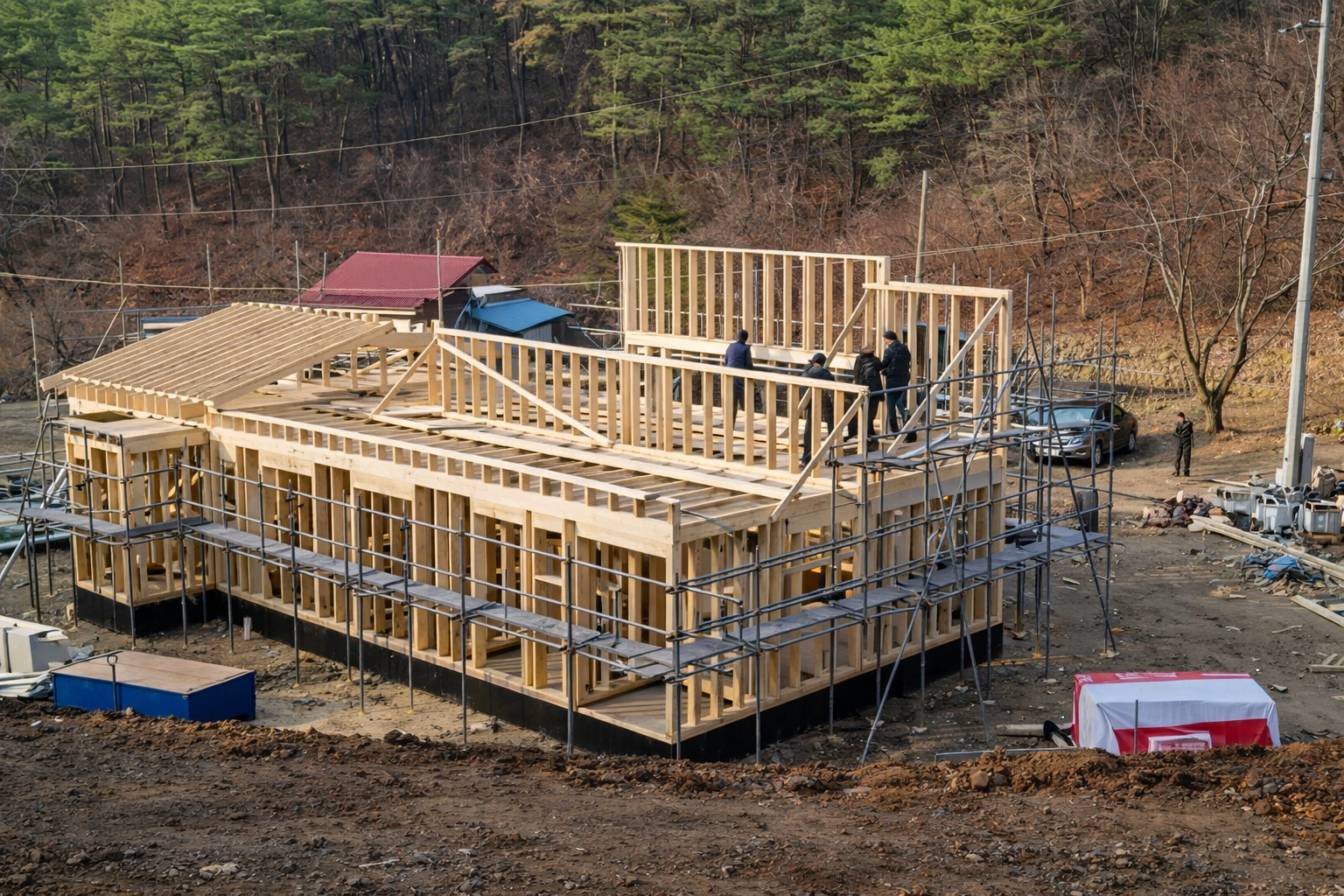
From empty land to a high-end house, wooden construction uses a lightweight system, metal structure for the foundation, ventilated ceramic cladding, and special windows to create an efficient and comfortable living space throughout the year.

Historical Structure and Continuous Modernization of the Utinga Plant
During the visit, Alexandre Medeiros, Industrial Manager of the Utinga Plant, guided the team through the strategic sectors and recalled the centennial trajectory of the company.
He emphasized that the current unit represents the third phase of development of the industry.
“The history of Utinga is 131 years old, but it has had three different industrial plants. This is the third. A more modern plant, especially from a construction standpoint.
When conceived, it was considered the most modern in Latin America, in terms of automation and instrumentation.”
This mention reinforces both the historical weight and the innovative character of the structure, which remains, to this day, a reference in the Northeast sugarcane region.
Thus, the industrial plant of Utinga Plant was considered the most modern in Latin America not only for technological reasons but for the leap it represented in the sector’s automation during its implementation.
Strategic Investments by the EQM Group to Increase Efficiency
The Utinga Plant is part of the EQM Group, which also manages the Cucaú Plant (PE) and Estivas (RN). Since its arrival, the group has made targeted investments to improve efficiency, reduce losses, and expand operational capacities.
According to Medeiros, several areas have undergone fundamental modernizations.
Among the most relevant investments is the implementation of the dry cane cleaning project, which eliminated the use of water in washing the raw material.
“Since the EQM Group came here, it has made precise and effective investments to improve our process.
Among the main and most recent is the dry cane cleaning project. We removed all the washing water from the cane, as there was a significant loss in the process.”
Thus, the change not only improves the quality of the cane but also strengthens sustainability practices and reduces operational costs, something increasingly relevant in the bioenergy sector.
Modern Industrial Plant Drives Increase in Production
Another significant advancement occurred with the expansion of the evaporation area, a historically considered bottleneck for increasing sugar production.
Thus, the improvement significantly increased the daily processing capacity.
“Our limiting factor for sugar production was evaporation. We could only process 7,000 to 7,500 tons of cane per day for sugar manufacturing.
And now we can process 8,500 tons.”
Thus, this leap allowed the plant to operate fully aimed at sugar, should market demand arise.
Therefore, the Utinga Plant reaffirmed its position as the most modern industrial plant in Latin America and continues reaching new levels of productive performance.
Current Capacities: Sugar, Refining, and Ethanol
Thus, with the expansion, the industry reaches a daily capacity of:
21,000 bags of sugar
8,000 bags in the refinery
400,000 liters of hydrated ethanol
200,000 liters of anhydrous ethanol
Thus, these numbers consolidate Utinga as one of the most representative industries in the region, ensuring flexibility to meet different market demands.








Seja o primeiro a reagir!