





 Portuguese
  English
  Spanish
  4 min of reading
  10 comments


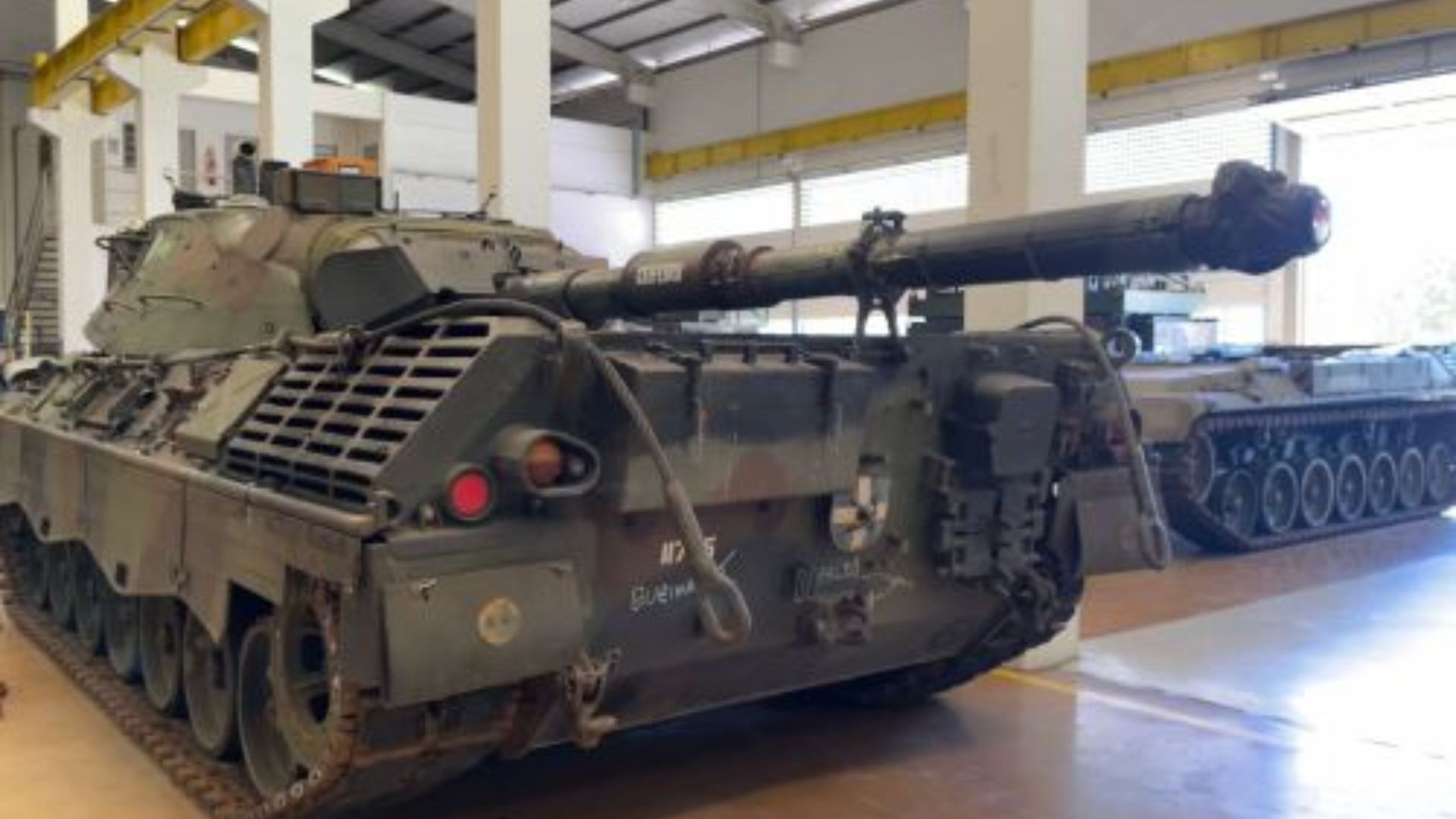


Strategic Program Allows Brazil to Prolong Operationality of Leopard 1 A5, Modernize Critical Components and Maintain Firepower of Armored Troops in the South of the Country for More Than a Decade and a Half
Prolonging the lifespan of the tank fleet and ensuring the operational capacity of armored troops is today one of the main strategic priorities of the Armed Forces. In this context, the Brazilian Army took a decisive step by advancing with the Revitalization Project for Leopard 1 A5 Tanks, an initiative that enhances firepower, preserves mobility, and guarantees the operationality of these armored vehicles until at least 2040.
The information was released by the Military Command of the South and details that by January 2026, the revitalization work on the first two vehicles of the project was completed. The initiative is part of the Strategic Program for Armored Forces, launched in the second half of 2025, and represents a direct response to the need to maintain fully operational armored means in increasingly complex scenarios.
Moreover, the project is managed by the Army General Staff, coordinated by the Military Command of the South and the Logistics Command, and executed by the Regional Maintenance Park of the 3rd Military Region (Pq R Mnt/3), located in Santa Maria, Rio Grande do Sul.
-
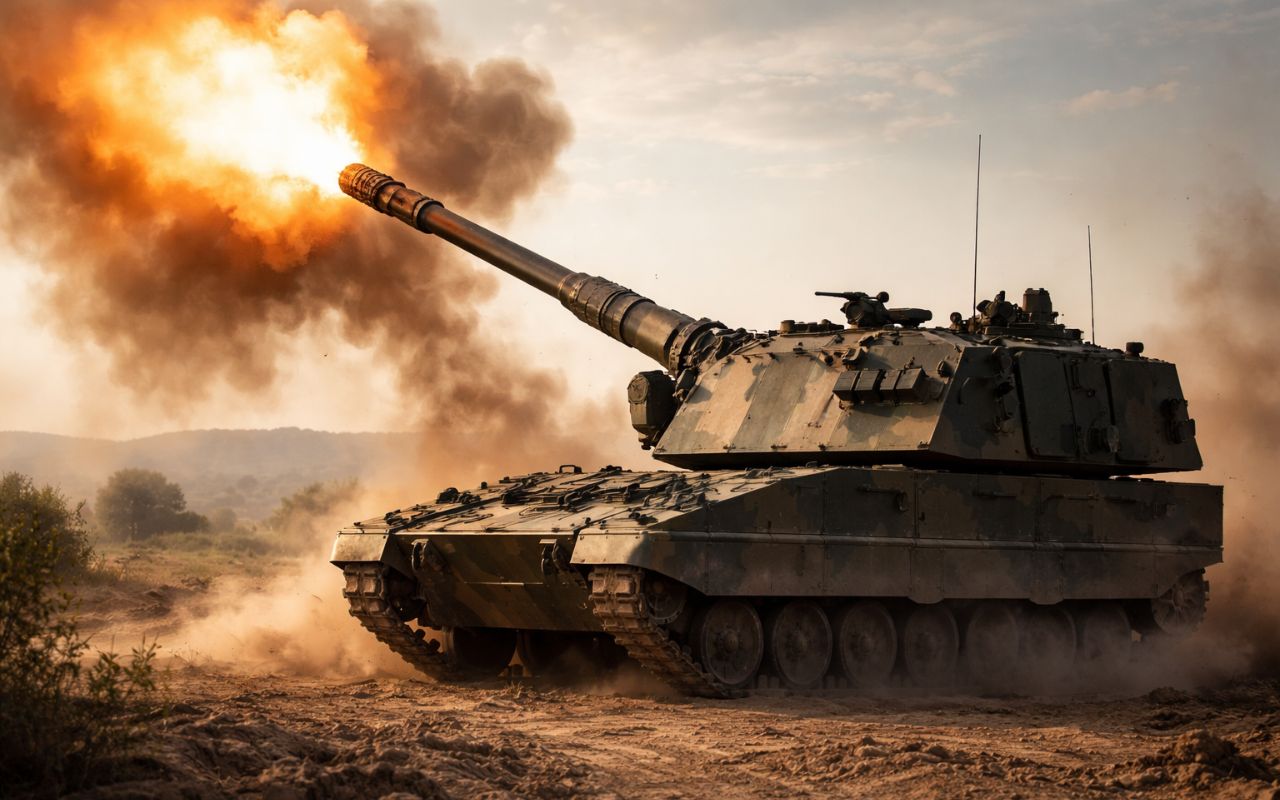
The German “steel monster” weighing 55 tons fires up to 10 projectiles per minute at over 40 km and avoids counterattacks on the battlefield by moving quickly to escape enemy attacks; meet the Panzerhaubitze 2000.
-
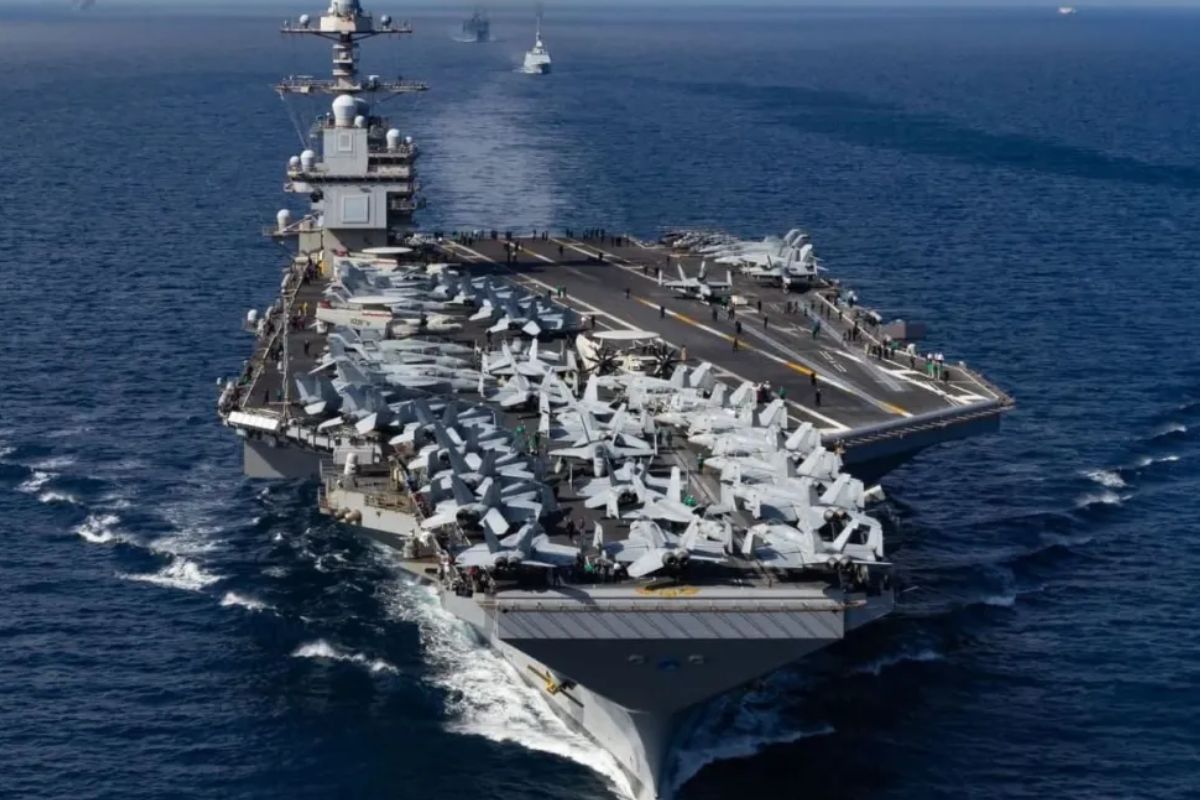
USS Gerald R. Ford, the largest aircraft carrier in the world, returns to sea after a fire in the laundry in the Red Sea; repaired in Crete, it resumes missions of Operation Epic Fury against Iran.
-
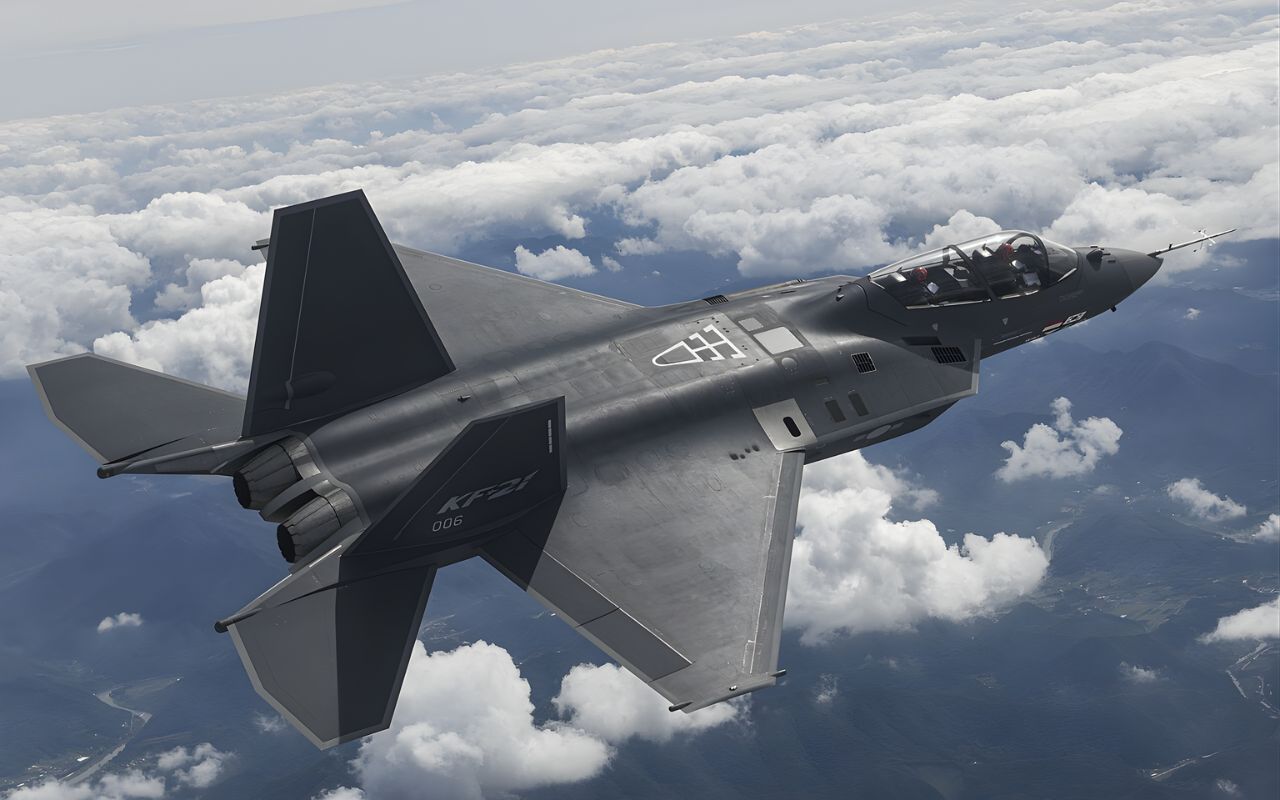
Military power: South Korea’s new KF-21 fighter jet will be a key component in replacing the aging aircraft of the air force, placing the country on the map of air military powers.
-
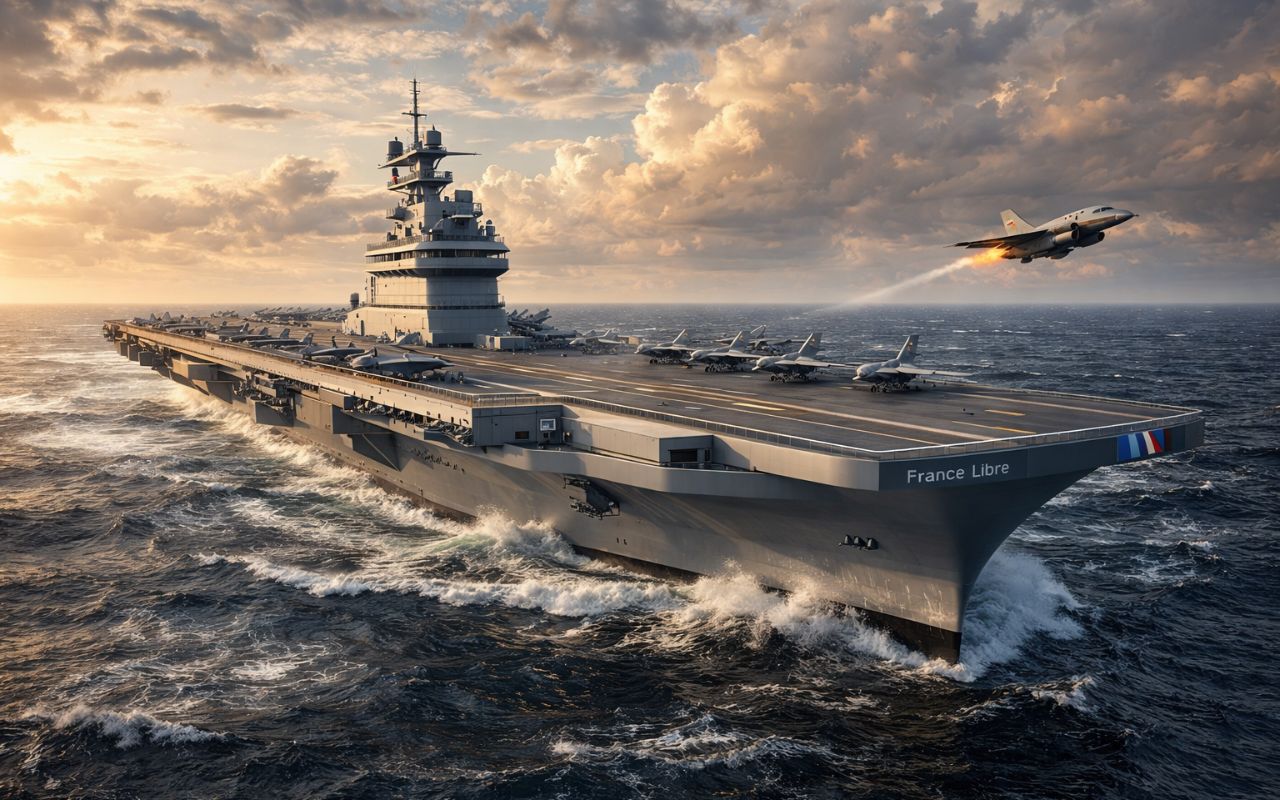
With 310 meters, 80 thousand tons, and capable of operating for 45 years, the new nuclear aircraft carrier France Libre will be the largest in France and will enter service in 2038.

Technical Revitalization Ensures Full Performance of Armored Vehicles for More Than 15 Years

According to the director of the Regional Maintenance Park of the 3rd Military Region, Colonel Idunalvo Mariano, the revitalization process goes far beyond conventional maintenance. As the officer explains, the initiative ensures that the Leopard 1 A5 can continue to be employed in full operational performance for at least another 15 years, extending its lifespan until 2040.
According to the commander, this extension of operational life represents a significant survival of the combat power of the Army, directly benefiting the projection of power and the deterrent capability of the Brazilian ground force. In other words, the project prevents the premature loss of a strategic asset and reduces the immediate need for replacement with more expensive platforms.
In the maintenance facilities, the work is conducted in a meticulous and highly specialized manner. As reported by Sergeant Major Luciano Rauber, a member of the technical team, revitalization is completely different from the routine preventive or corrective maintenance. While maintenance seeks to keep the vehicle operational, revitalization aims to restore and prolong the structural, mechanical, and electronic longevity of the tank.
Process Involves Complete Diagnosis, Nationalization of Parts, and Rigorous Testing

The revitalized Leopard 1 A5 tanks originate from the Armored Cavalry Regiments subordinate to the Military Command of the South. Upon arriving at the Park, the vehicles initially undergo a detailed technical diagnosis, in which wear, failures, and components that need replacement are identified.
Based on this assessment, the work is divided into two main areas: chassis and turret. 2nd Lieutenant Letícia Moreira, head of the Maintenance Pavilion, explains that initial tests are conducted to identify critical parts. Following this, component replacement, the actual revitalization, and finally the final tests are performed before the vehicle is returned to its unit of origin.
One of the unique aspects of the project lies in the work of the Studies and Projects Section of the Maintenance Park. In this area, engineers trained at the Military Institute of Engineering (IME) develop exclusive parts, allowing for the nationalization of components, cost reduction, and decreased external dependency. According to Colonel Mariano, this technical capability provides tailored solutions for the challenges of maintaining the armored vehicles.
The schedule plans that, only in 2026, five Leopard 1 A5 vehicles will be revitalized. Over the course of ten years, the project is expected to reach 52 units, with each armored vehicle undergoing at least two months of intense work. After the replacement of parts and electronic components, rigorous tests of starting, acceleration, braking, as well as turret stabilization and armament are conducted. Only after approval on all criteria is the vehicle deemed ready for return to operational service, as explained by 1st Sergeant Volnei Della Flora.
Leopard 1 A5 Maintains Mobility, Protection, and High Firepower
Employed in both real operations and training exercises, the Leopard 1 A5 remains one of the main armored assets of the Brazilian Army. Of German origin, the tank is utilized in various countries and defense contexts, being in operation in Brazil since 2009.
Weighing 42 tons, the Leopard 1 A5 is equipped with an 830 horsepower engine, a range of up to 600 kilometers, and an advanced fire control system, which includes thermal vision, allowing precise engagement of targets even in night operations. Its 105-millimeter cannon, combined with the capability to mount anti-aircraft machine guns and MG3, ensures high firepower on the battlefield.
Thus, the Revitalization Project not only prolongs the lifespan of the armored vehicles but preserves a critical strategic capability for the Brazilian Army, ensuring readiness, efficiency, and deterrent power in the medium and long term.








Seria melhor desenvolver um modelo nacional, de 120 mm. Acho que a revitalização cara e lenta.
Lixo, joga o dinheiro no lixo
Tanques da década de 60, tudo lata de sardinha sucateada.😂😂😂