





 Portuguese
  English
  Spanish
  5 min of reading
  0 comments


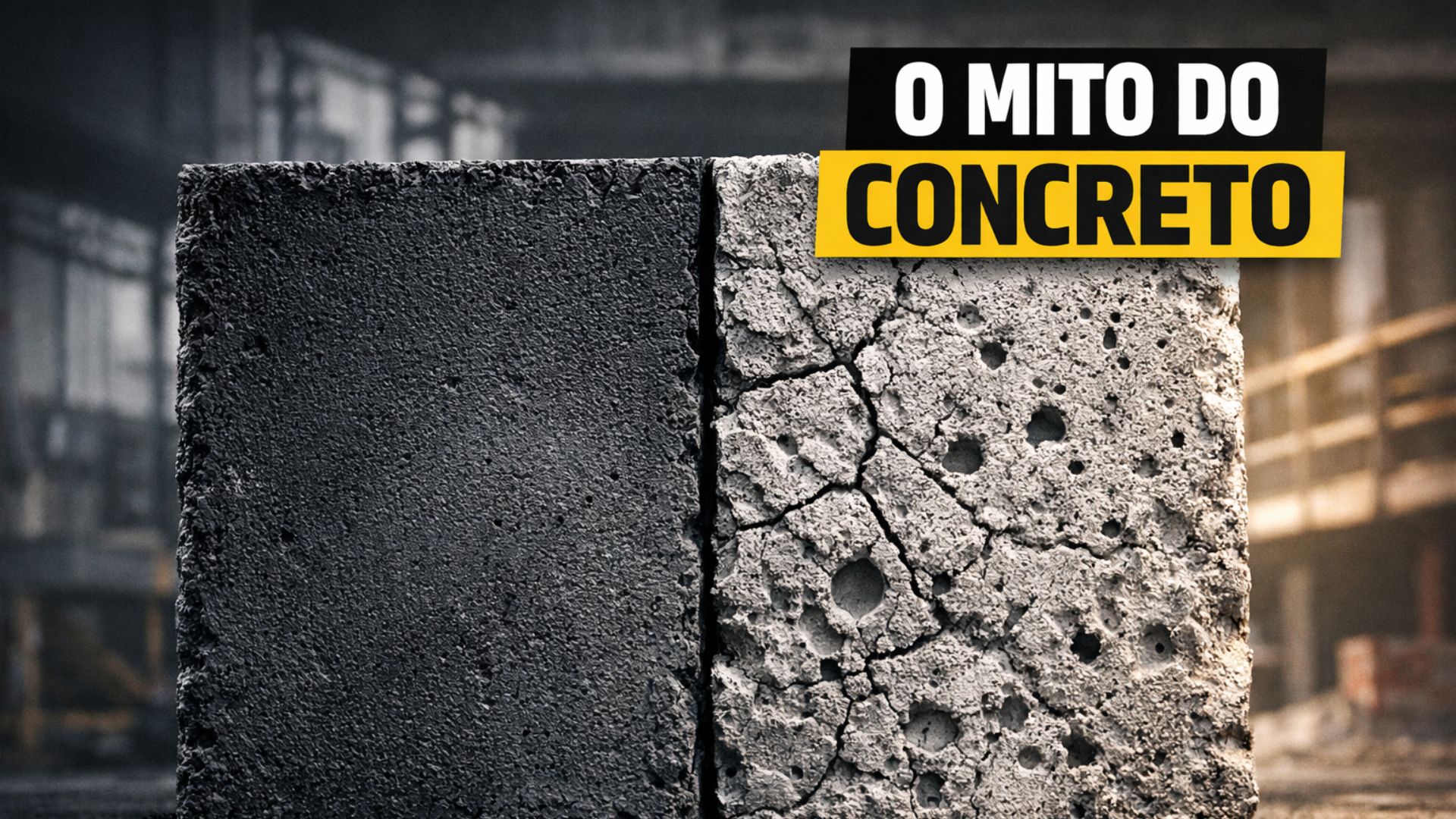
The 28-Day Myth Simplifies What Happens in Concrete and Hides Execution Risks, Because Strength Depends on Hydration and Moisture in the First Days.
The idea that concrete “is ready” in 28 days remains one of the most repeated beliefs in construction, conversations with clients, and risk assessments.
The milestone exists, is useful, and is supported by standards and technological control routines, but does not mean that the material has stopped evolving.
In practice, concrete does not harden by drying: it gains strength through cement hydration, a chemical reaction that begins in the mix and can continue for long periods, as long as conditions allow it.
-
With 55 km over the sea, a cost of US$ 20 billion, and enough steel to build 60 Eiffel Towers, China’s largest project has connected Hong Kong, Zhuhai, and Macau in a colossal bridge that defies the logic of engineering.

-
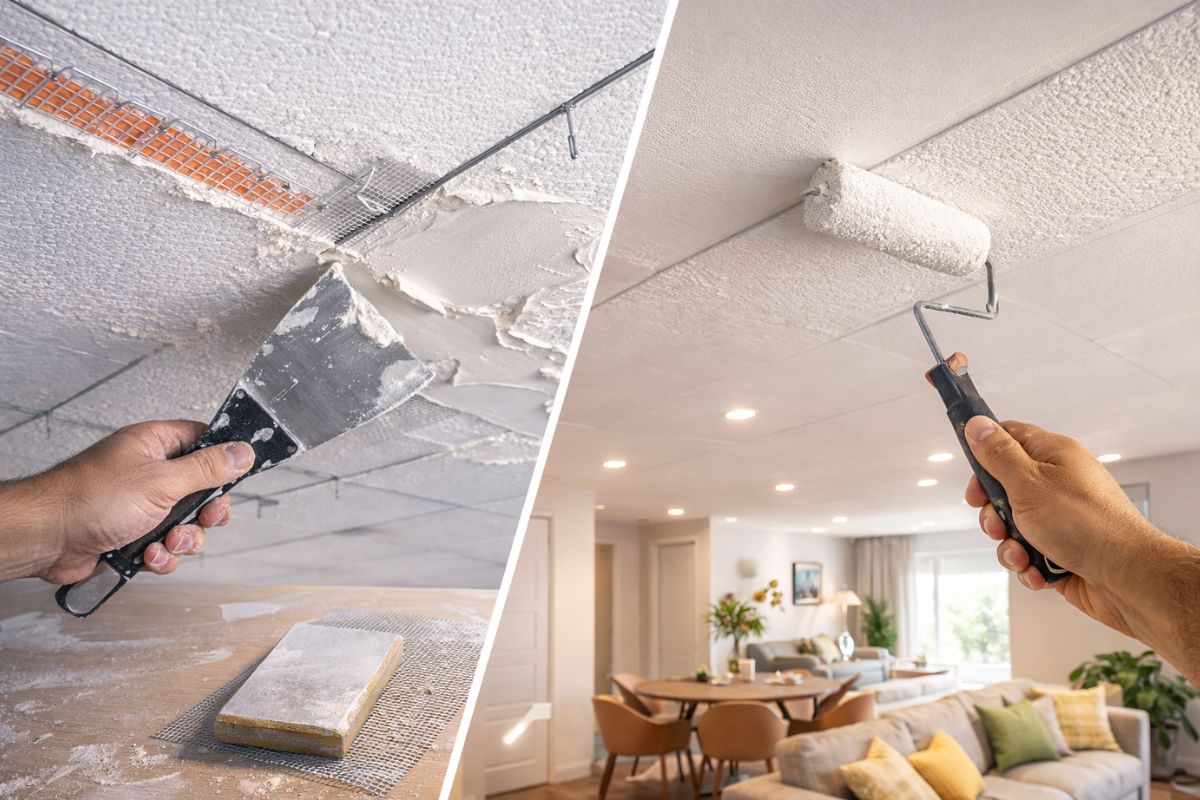
A trick with joint compound transforms a Styrofoam ceiling into a plaster-like ceiling: leveled panels, wires and mesh at the joints, sand, paint, and change the environment while spending little today.
-
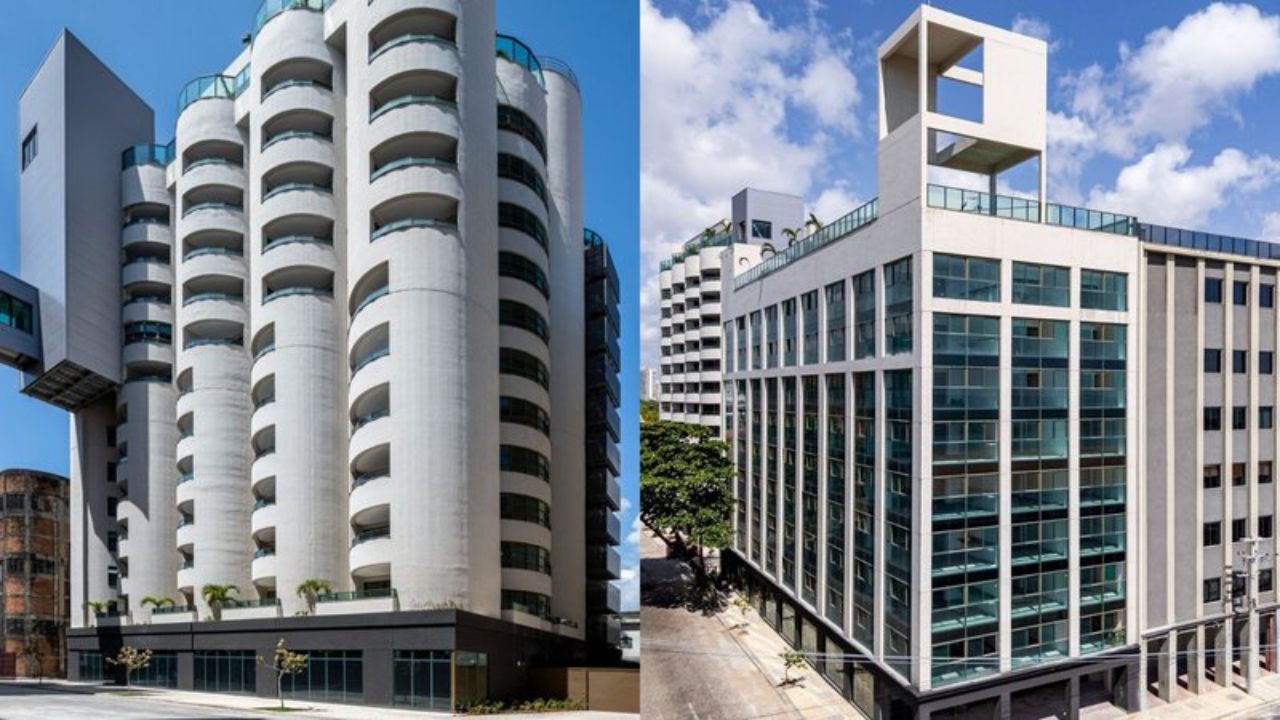
Abandoned for over a decade, century-old silos in the state of Recife have been transformed into 251 apartments with curved walls in one of the most complex retrofits ever done in Brazil.
-
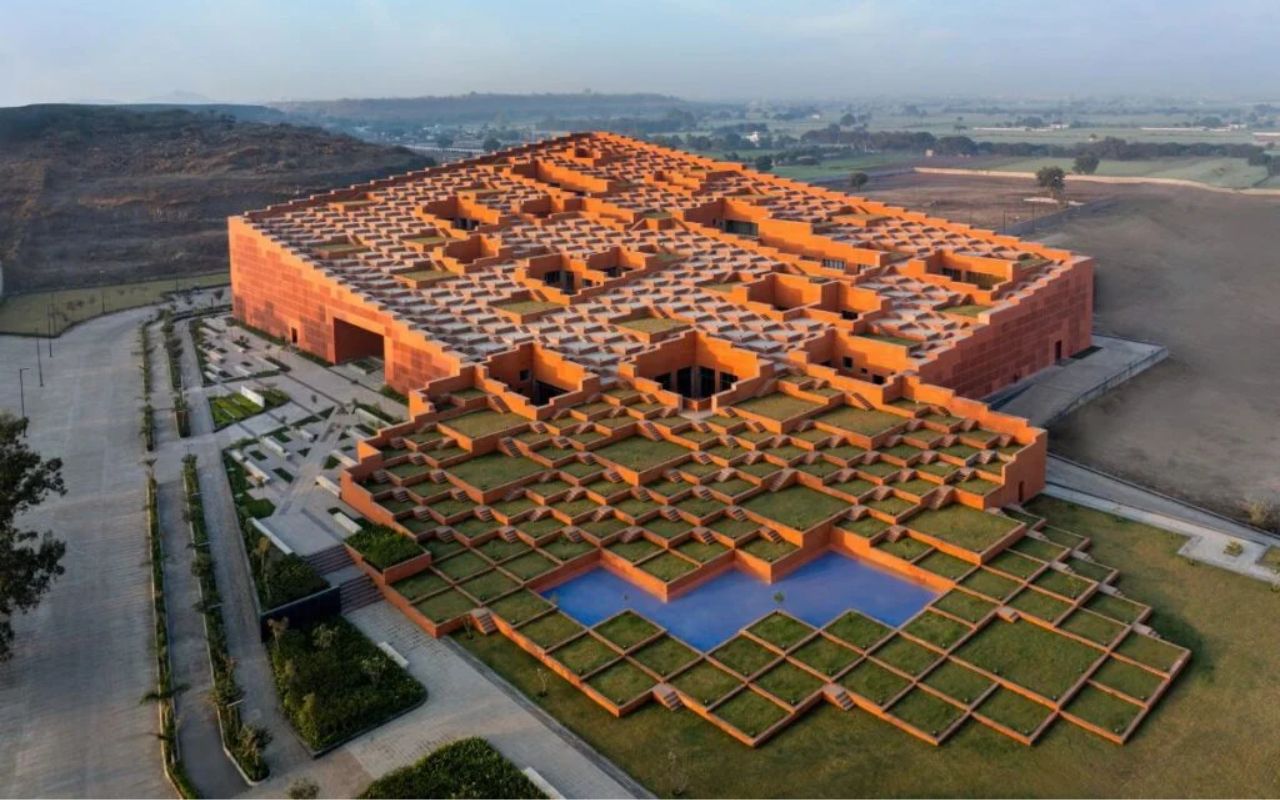
Inspired by millennia-old structures, a “differentiated” roof with 463 levels and a capacity for 9,000 people was built on top of a building in India; the tiered roof is almost a kind of giant garden of 9,000 m², reducing energy consumption and promoting interaction among students of Prestige University.

This detail changes what is understood as quality of execution and explains why a structure may emerge with compromised performance without immediate signs.
The difference appears over time, in durability, permeability, the occurrence of cracks, and maintenance costs.
Cement Hydration and Strength Gain

Many people associate the hardening of concrete with water loss to the environment, as if the material “dried” until it became rigid.
However, what supports the strength gain is the reaction between cement and water.
While that hydration occurs, products form that fill internal spaces, reduce voids, and make the microstructure denser.
On the other hand, when the water disappears too soon, the reaction does not progress as it should.
The concrete may even appear “hard”, but the strength and quality of the internal matrix do not evolve at the same level.
The result is a material with inferior performance than expected, especially in the layers closest to the surface, which are more exposed to the environment and are sensitive to rapid moisture loss.
Why 28 Days Became a Reference in Civil Construction
The number did not arise by chance.
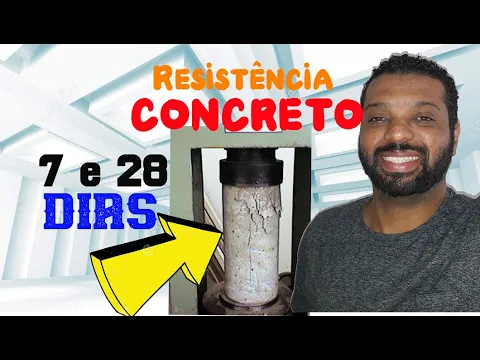
Testing and engineering practices adopted the age of 28 days as a reference point to measure compressive strength and compare results between works and suppliers.
It is an operational milestone that facilitates decisions regarding construction, stage releases, and verification of compliance with the specified fck in the project, within a standard widely used in the sector.
Still, treating this period as if it were a physical limit of the material is the central mistake.
At 28 days, concrete usually has reached a significant portion of the strength it will develop, but the proportion varies according to the type of cement, the mix, the water/cement ratio, additives, temperature, and, primarily, curing conditions.
In favorable scenarios, hydration continues, and strength may continue to increase more slowly.
Meanwhile, aggressive environments, intense heat, wind, and low humidity tend to accelerate water loss in the first days.
In these cases, the “28-day clock” does not save a poorly conducted execution: concrete may reach the testing date with below-potential performance, or even pass the initial control and exhibit weaknesses that only manifest later.

Concrete Curing and Structural Durability
This is where the discussion shifts from technical curiosity to risk management.
Concrete curing is the set of measures to maintain adequate moisture and temperature in the first days after pouring, allowing hydration to proceed without interruptions.
In simple terms, it is taking care not to let the concrete lose water too quickly before it “forms” its internal structure.
When curing fails, concrete may experience shrinkage, initial cracking, and increased porosity.
Even when there is no obvious visual problem, the microstructure tends to become less dense, which favors the entry of aggressive agents over time.
In a common building, this can mean greater vulnerability to infiltrations and accelerated deterioration.
In structures exposed to salt spray, industrial environments, or severe thermal variations, the impact may be even more significant.
A well-executed curing process improves strength development, reduces permeability, and contributes to volumetric stability.
Thus, the material tends to perform better against wetting and drying cycles, temperature variations, and typical chemical aggressions of actual use.
Silent Pathologies and Technological Control on Site
The belief in 28 days, when used as a mental shortcut, usually generates two distortions.
The first is the idea that if concrete has reached the reference strength in testing, everything else is guaranteed.
The second is the assumption that curing is a detail, a care that is optional when “there’s time” on site.
However, strength measured in test specimens and performance of the structural element are not the same in all situations.
Test specimens may have been molded and cured under better conditions than those of the piece on site.
Moreover, water loss on the surface of slabs, beams, and columns can occur faster than inside, creating a more fragile and permeable outer layer, precisely where environmental aggression tends to act first.
This helps to understand why some structures exhibit pathological manifestations without identifying a “single obvious error”.
The problem may have started early, in the combination of execution, insufficient curing, and exposure environment, only becoming visible months or years later.

Impact on Builders, Developers, and Investors
For those who decide on specifications, schedules, and costs, the topic has a direct effect on asset value.
A project with consistent technological control and curing treated as a production phase, and not as a secondary task, tends to reduce the likelihood of early pathologies and corrective interventions.
This means predictability, less rework, and lower risk of technical disputes after construction.
Moreover, the understanding that concrete can continue to evolve reinforces the importance of aligning mix design and exposure environment.
There is no one-size-fits-all recipe: choices of cement, water/cement ratio, and additives need to align with expected performance, feasible curing regimes, and actual site conditions.
A poor decision does not only manifest in testing but in the behavior of the structure throughout its lifespan.
In terms of responsibility, traceability, and documentation also weigh heavily.
Control records, curing procedures, and execution monitoring are not just for internal auditing.
In case of inquiries, this trail is what separates a well-defined problem from a liability that is difficult to prove and resolve.
Why the 28-Day Myth Persists
The “magical deadline” of 28 days remains popular because it is easy to communicate and fits into the construction rhythm.
However, the technique does not fit into slogans.
Concrete does not “complete” in 28 days, and durability does not stem solely from the result of a test.
It begins with water control, respecting the hydration process, and curing treated with the same importance as any critical phase.
If concrete continues to react and curing decides a significant part of performance, why is it still accepted, in so many projects, that this care be treated as a secondary obligation, rather than a basic condition for the structure to endure?






-

-

-

-

-

-

51 pessoas reagiram a isso.