





 Portuguese
  English
  Spanish
 4 min of reading
  1 comment


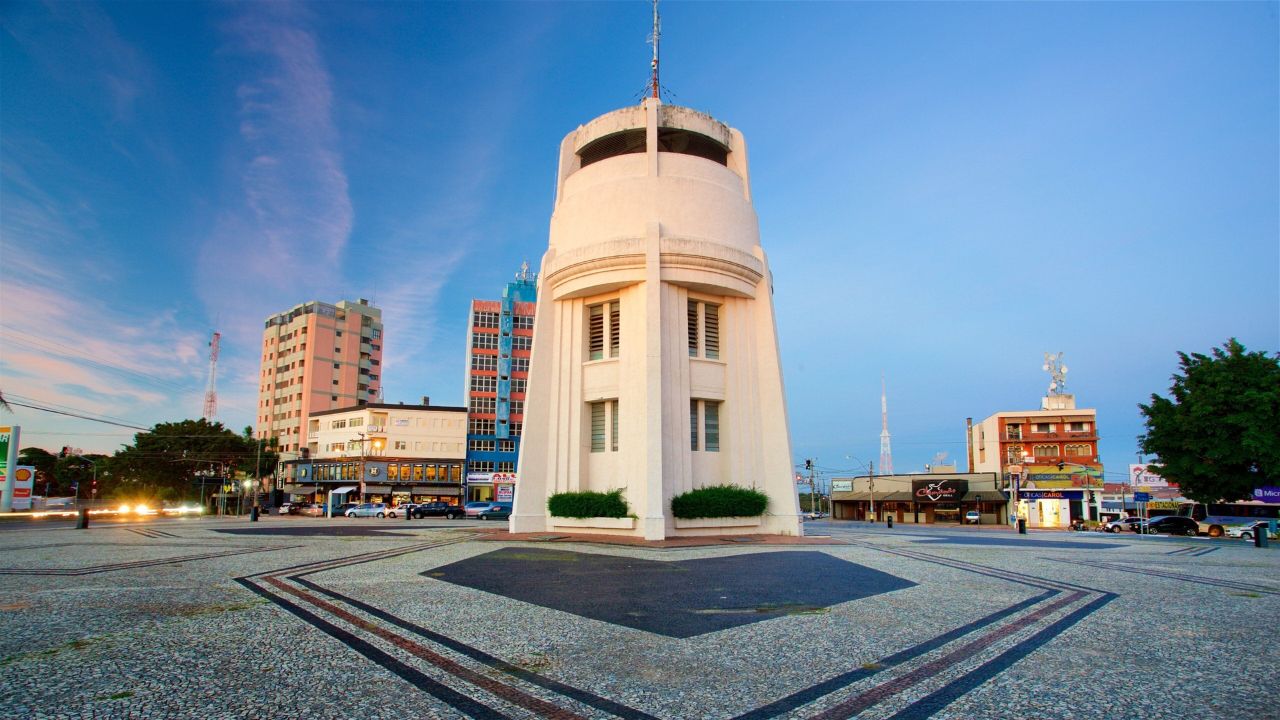


Know The Castle Tower, Historical Heritage of Campinas That Became an Urban Viewpoint, Brings Architecture, History, and One of the Most Beautiful Views of The City.
Those who observe the landscape of Campinas quickly notice an imposing structure that stands out among avenues and residential neighborhoods: the Castle Tower. Today recognized as a historical heritage and tourist attraction, the structure did not always serve this purpose.
Before becoming one of the city’s postcards, it was essential in ensuring the urban growth of the region.
Located in one of the highest areas of the municipality, the Castle Tower went through a transformation process that follows the evolution of Campinas itself.
-
He started running at 66 years old, broke records at 82, and is now a subject of study for having a metabolic age comparable to that of a 20-year-old, in a case that is intriguing scientists and inspiring the world.

-
Oldest tree on the planet reappears after 130 years of searches: Wattieza, 385 million years old, was 10 meters tall and had no leaves or seeds; Gilboa fossils in New York solved the mystery in 2007.

-
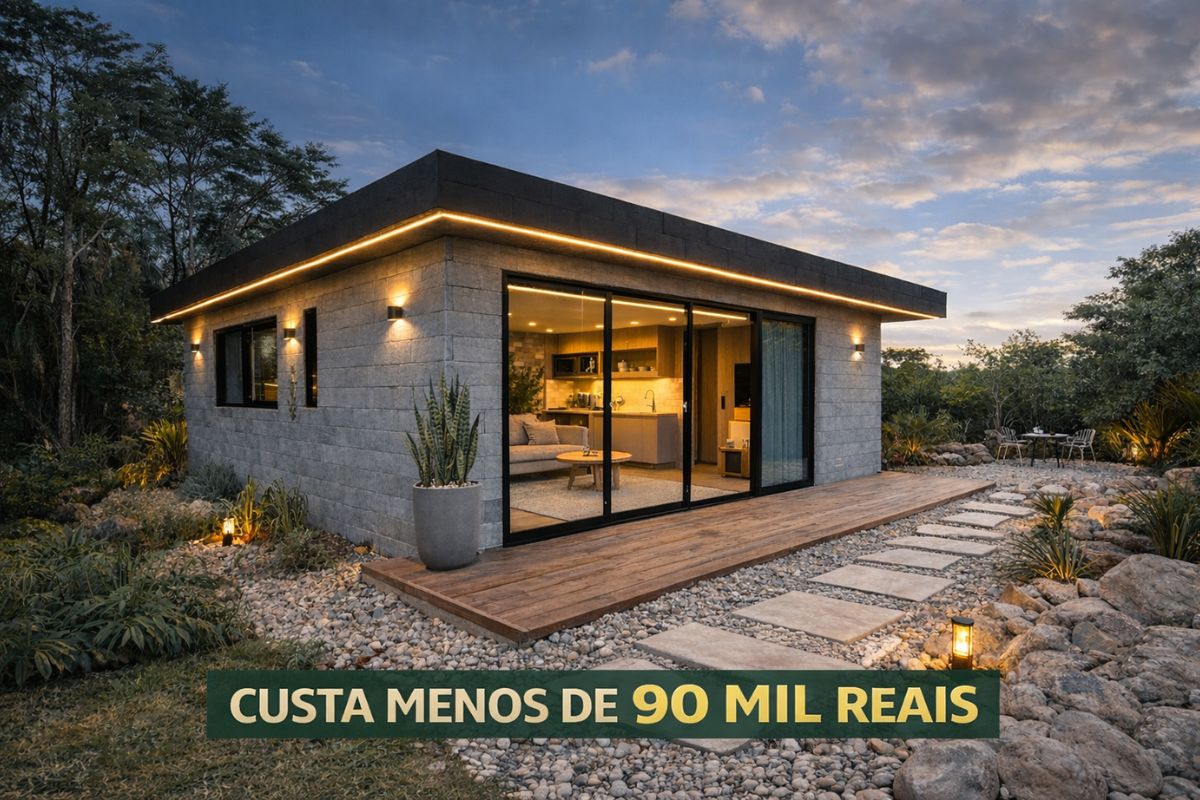
A 48-square-meter house assembled in hours with 4,000 bricks made of recycled plastic that does not absorb moisture, has natural thermal insulation, and costs less than 90,000 reais in a complete kit.
-
Luciano Hang revealed that Havan’s air fleet has already accumulated more than 20,000 landings, 10,000 flight hours, and 6 million kilometers traveled, and he says that without the planes, the company would never have grown so quickly.


From an engineering work to a cultural space, the site preserves memories and offers one of the widest views of the city.
The Strategic Role of The Castle Tower in The Growth of Campinas
The history of the Castle Tower begins in 1940, a time when Campinas faced the challenge of expanding its urban infrastructure.
With new neighborhoods emerging to the north of the city, it became necessary to create a system capable of ensuring efficient water supply.
It was in this context that what was then called the Water Castle came about. Standing approximately 27 meters tall, the structure was designed to store and distribute water to expanding residential areas, playing a fundamental role in the city’s development during that time.
Striking Architecture and Privileged Location
In addition to its practical function, the Castle Tower attracts attention for its architectural style.
The project follows art deco lines, a common trend in public works in the first half of the 20th century, contributing to its aesthetic and historical value.
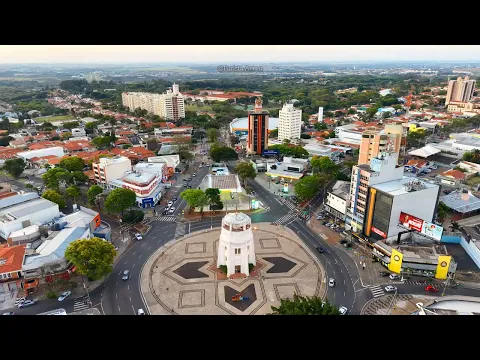
Another distinguishing feature is its location. Situated in the Jardim Chapadão neighborhood, at an elevated point in Campinas, the tower has become a visual reference.
Its presence is noticeable from afar and helps explain why, later on, the space began to be utilized as an urban viewpoint.
From Urban Infrastructure to Cultural Heritage
As the decades passed, the Castle Tower ceased to be used as a water reservoir.
However, instead of being abandoned, the structure underwent a process of re-signification.
In the 1970s, the space was adapted to welcome visitors, gaining an observation deck at the top. Years later, in 2008, the official recognition came with its listing by the Campinas Cultural Heritage Defense Council (Condepacc), ensuring its preservation as historical and architectural heritage.
What Exists Today Inside The Castle Tower?
Currently, the Castle Tower houses the Sanasa Historical Museum, which collects records about water supply and basic sanitation in Campinas.

Photographs, documents, and objects help tell how the city has structured itself over time.
Despite this, the internal space functions as a complement to the visit. The main attraction remains the experience of climbing to the top and observing Campinas from an unusual viewpoint.
Observation Deck with 360 Degree View
At the top of the Castle Tower, visitors find an observation deck surrounded by windows that allow for a complete panoramic view.
From there, it is possible to identify different neighborhoods, green areas, and important roads in the city.
On days with good visibility, the sight extends beyond the urban limits of Campinas.
The most sought-after time is at the end of the afternoon, when the sunset transforms the landscape and makes the tower one of the most sought-after spots for photos and contemplation.
Access to The Observation Deck and Visitor Experience
The climb to the observation deck is done via internal stairs, requiring physical fitness, but it does not prevent a visit.
Entry is free, making the Castle Tower an accessible option for leisure and culture.
To ensure safety, the number of visitors may be controlled at certain times. Still, the flow tends to be constant, especially on weekends.
Where Is The Castle Tower Located?
The Castle Tower is located at Praça Vinte e Três de Outubro, in the Jardim Chapadão neighborhood. The space is situated in a roundabout that connects important avenues, facilitating access from different regions of the city.
The surroundings are predominantly residential, with tree-lined streets and good infrastructure.
The proximity to other leisure points allows for including the visit to the tower in broader itineraries in the area.
How to Get to The Castle Tower
Those who choose to go by car or ride-hailing services find easy access via João Erbolato and Alberto Sarmento avenues. There is parking available on nearby streets.
Public transport also serves the area well, with bus lines passing through Jardim Chapadão and dropping visitors just a few meters from the tower.

Opening Hours
Location: Praça Vinte e Três de Outubro, in the Jardim Chapadão neighborhood, in Campinas.
Visiting Hours:
From Tuesday to Friday, the Castle Tower welcomes the public from 10 AM to 12 PM and from 1 PM to 5 PM.
On Saturdays and Sundays, the hours are extended, from 10 AM to 12 PM and from 1 PM to 9 PM, a perfect period for those who want to enjoy the sunset from the viewpoint.
Why Is The Castle Tower a Heritage of Campinas?
The Castle Tower represents more than just an old building. It symbolizes Campinas’ ability to preserve its history while reinventing its urban spaces.
By combining heritage, memory, and leisure, the place remains relevant for residents and visitors alike.
Thus, the Castle Tower continues to be one of the clearest examples of how the past can remain present in the life of the city.
With information from the website Quinto Andar








Esse mirante no bairro aonde havia o Instituto Agronômico de Campinas dava nome ao bairro de Castelo ou não ?