





 Portuguese
  English
  Spanish
  6 min of reading
  3 comments


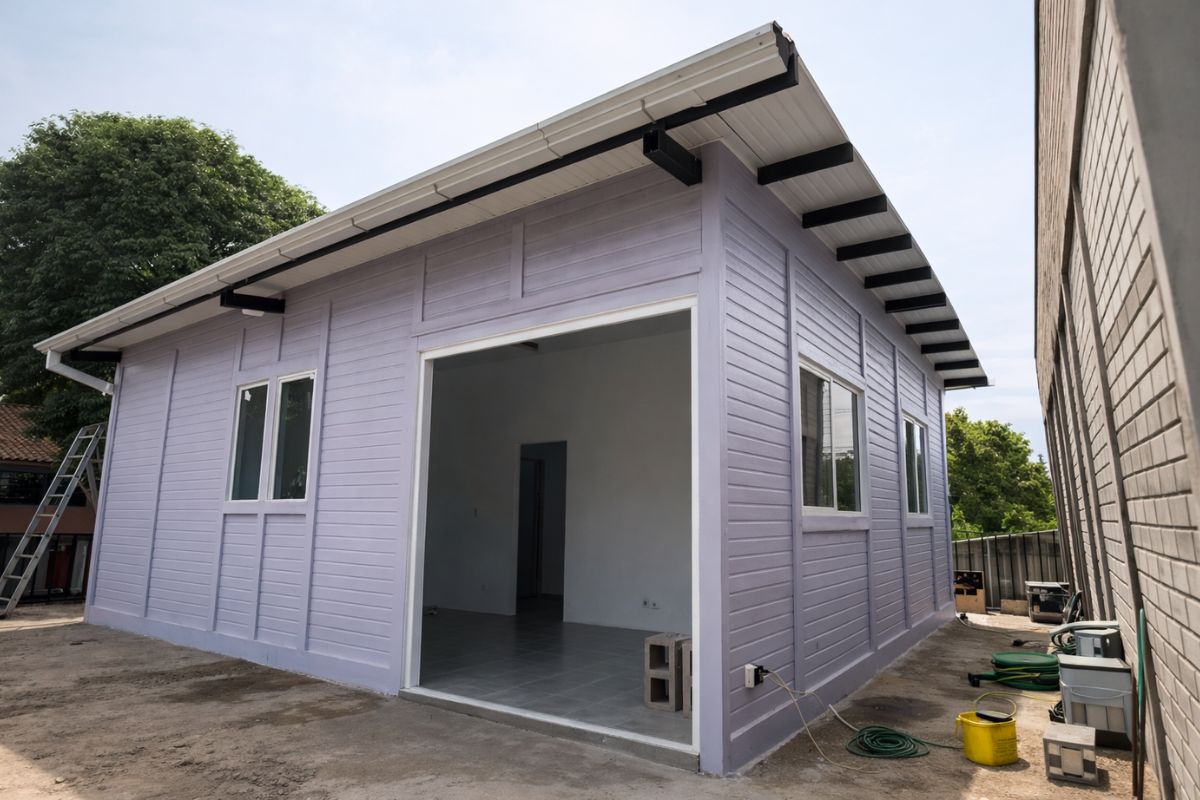


In The Viral Video, Zenir from Channel ZN Brique Says That The Cheapest House in Brazil Costs R$ 7,000 Using Pre-Fabricated Slabs and Pillars Found Through Facebook Marketplace, Betting on Passive Income with Temporary Rental Until Selling for More, Highlighting Quick Deadlines and Technical Limits in The Shown Work
The cheapest house in Brazil appears as a simple promise: pay little and build quickly, but the numbers mentioned in the video already require caution. R$ 7,000 makes headlines, but the speech also mentions a kit of pre-fabricated slabs and pillars for R$ 7,900, suggesting that the value may vary depending on what is included in the account.
The scenario shown is a construction in progress with an integrated living room and kitchen, two bedrooms, a bathroom, and a laundry room, assembled by fitting concrete pieces together. In the script, the author advocates for passive income in the gap between finishing and reselling, and points to Facebook Marketplace as a way to find suppliers, without hiding that there is a risk of scams.
The Number That Goes Viral and What It Actually Covers

The video opens with the claim that the cheapest house in Brazil cost R$ 7,000, an idea that makes sense for the logic of grabbing attention, but the same narrative puts another figure on the table.
-
The lack of welders, electricians, and operators becomes a structural threat in 2025, with the construction industry and manufacturing already suffering from delays, cost pressures, and labor shortages in Brazil.
-
Brazil and Paraguay are just 46 meters away from a historic union on the bioceanic bridge that promises to revolutionize trade between the Atlantic and the Pacific.

-
With 55 km over the sea, a cost of US$ 20 billion, and enough steel to build 60 Eiffel Towers, China’s largest project has connected Hong Kong, Zhuhai, and Macau in a colossal bridge that defies the logic of engineering.

-
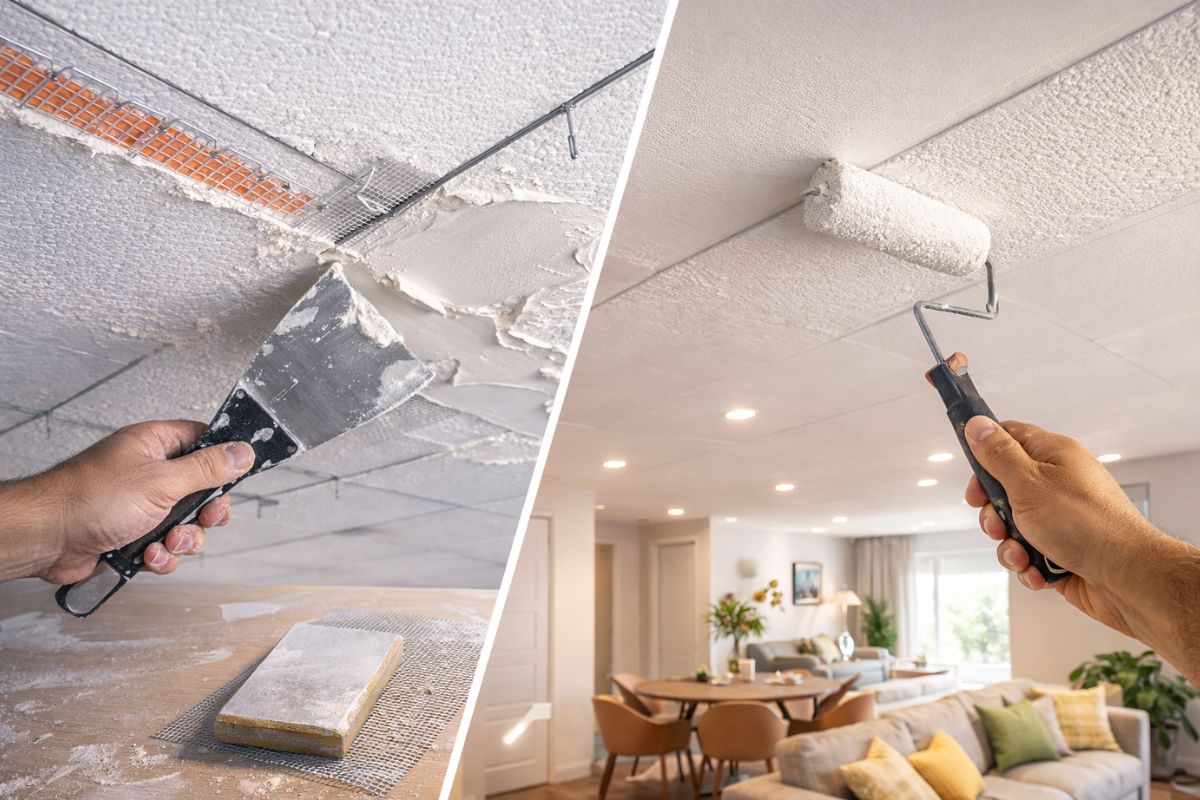
A trick with joint compound transforms a Styrofoam ceiling into a plaster-like ceiling: leveled panels, wires and mesh at the joints, sand, paint, and change the environment while spending little today.

At another point, the author states that the pre-fabricated slabs and pillars of the house cost R$ 7,900, with items such as electrical boxes included to run the wiring.
This difference does not invalidate the experience, but changes the audience’s reading.
One calculation may be referring only to the structural kit, while another may be addressing the complete set, and the material does not account for finishing, covering, flooring, and openings.
For those thinking about passive income, the central point is to understand what constitutes material cost, what is labor, and what is the final stage.
Pre-Fabricated Slabs and Pillars in The Fitting That Speeds Up Construction

The described logic is typical of industrialized systems: pillars are fixed at level and the pre-fabricated slabs fit together, forming walls and partitions.
The author compares the method to quick constructions seen in warehouses, pharmacies, and buildings, and claims that this adaptation for housing is still new in some states.
In the interior, he argues that the finishing can disguise the origin of the system because, inside, the house can look conventional after painting, texturing, and installing openings.
The bet is that the speed of fitting reduces the construction site time, and this, in his view, opens up space for temporary rental and resale, with passive income in between.
Facebook Marketplace, Supplier, and The Direct Alert About Scams
When explaining where he found the kit, the author says he learned about the solution in Paraná, upon seeing a condominium being built with pre-fabricated slabs and pillars.
He recounts that he was contacted by a factory, bought the material, and had it delivered, but states that this factory closed later, which led him to seek alternatives.
From then on, Facebook Marketplace appears as the main source to locate suppliers of pre-fabricated slabs and concrete.
The video itself includes a warning: only pay after receiving the material, check the work already executed by the seller, and whenever possible, buy only the pre-fabricated slabs and outsource the installation.
This recommendation makes practical sense for those aiming for passive income who do not want to lose capital before renting or reselling.
Who Installs, How Long It Takes, and Why This Attracts Those Who Want to Scale
When the topic turns to labor, the author insists that anyone can install, but the scene describes a more realistic path.
He recounts that he had trouble finding familiar professionals, sought out a mason, and heard that he could give it a try, and the job got done, with the observation that after the first, the process seems basic.
The estimated timeframe is 30 days to have the house assembled, with progress on painting and installation of openings.
He also mentions that he installs some of the openings himself due to previous experience in glazing, which reduces costs in a specific stage.
The argument of speed and repetition emerges as a scaling engine, as he is not only talking about living off a few rentals, but rather about increasing the number of units before locking in passive income.
Comfort, 5 cm Wall, and What Changes in Daily Use
The video admits the typical disadvantages of light or thin construction.
The author states that the slab is 5 cm and that thermal acoustics may be a problem, with noise passing more easily from one side to the other, especially if there is a close neighbor or if the house is elongated with partitions also made of pre-fabricated slabs.
In terms of fastening, he says it is possible to hang a picture with a plug but acknowledges that very heavy items may require going through the slab and securing it with a nut on the other side.
This detail weighs for those assessing the cheapest house in Brazil as a residence, not just as a passive income asset, because daily adaptations can imply indirect costs or cause tenant complaints.
Roof, Finishing, and The Line Between Saving and Reselling
To keep the price low, the author suggests not doing internal plastering and using texture to hide the ugly part of the slab, along with simple flooring and more common openings.
He cites alternatives like a brasilite roof and also shows a specific choice: sandwich tiles, described as metal with a layer of styrofoam and a ceiling underneath, sold as a thermal-acoustic solution.
This is where the most important tension for those eyeing resale comes in.
The simpler the finish, the greater the chance to keep costs low and speed up the path to renting, but resale depends on perceived value, and the author himself suggests that selling for more may take time.
He bets on passive income during the interim period, but the strategy requires that the cheapest house in Brazil, even assembled with pre-fabricated slabs and pillars, appears normal to buyers.
Temporary Rental, Resale, and Passive Income as a Declared Strategy


The video’s discourse does not treat the cheapest house in Brazil as an end, but rather as a means.
He claims that his main business is buying, renovating, and selling for more, and uses numerical examples of smaller margins to sell quickly, keeping the price below the local average, without mentioning the city where he operates.
In his logic, the house made of pre-fabricated slabs and pillars acts as a test that allows for quick production, putting it up for rent and trying to resell for profit later.
He states that three rentals would be little to change the game, mentions the goal of reaching 30 houses, and calls this passive income because it would be money that comes in even without daily presence.
Facebook Marketplace appears again as a buying and selling tool, reinforcing that the strategy is less about miracles and more about operational repetition.
The video about the cheapest house in Brazil mixes work demonstration, entrepreneurship narrative, and a showcase of construction methods with pre-fabricated slabs and pillars.
What grabs attention is not just the price, but the shock between the promise of R$ 7,000 and the details that show where the account can change, from the kit to the finish, from acoustic comfort to the risk of scams on Facebook Marketplace.
If the idea is to turn construction into passive income, the case highlights two basic requirements: to understand exactly what is being paid and to accept that the cheap option entails adaptations, both technical and market-wise, at the time of resale. Would you consider living in or renting a house made with pre-fabricated slabs and pillars without internal plastering to save costs, or would the uncertainty of comfort and resale weigh more for you, especially when the supplier comes from Facebook Marketplace?










Quero uma ! Estou interessada.
Estou interessada
O que.faço para comprar uma. 84 981144398