





 Portuguese
  English
  Spanish
 5 min of reading
  0 comments


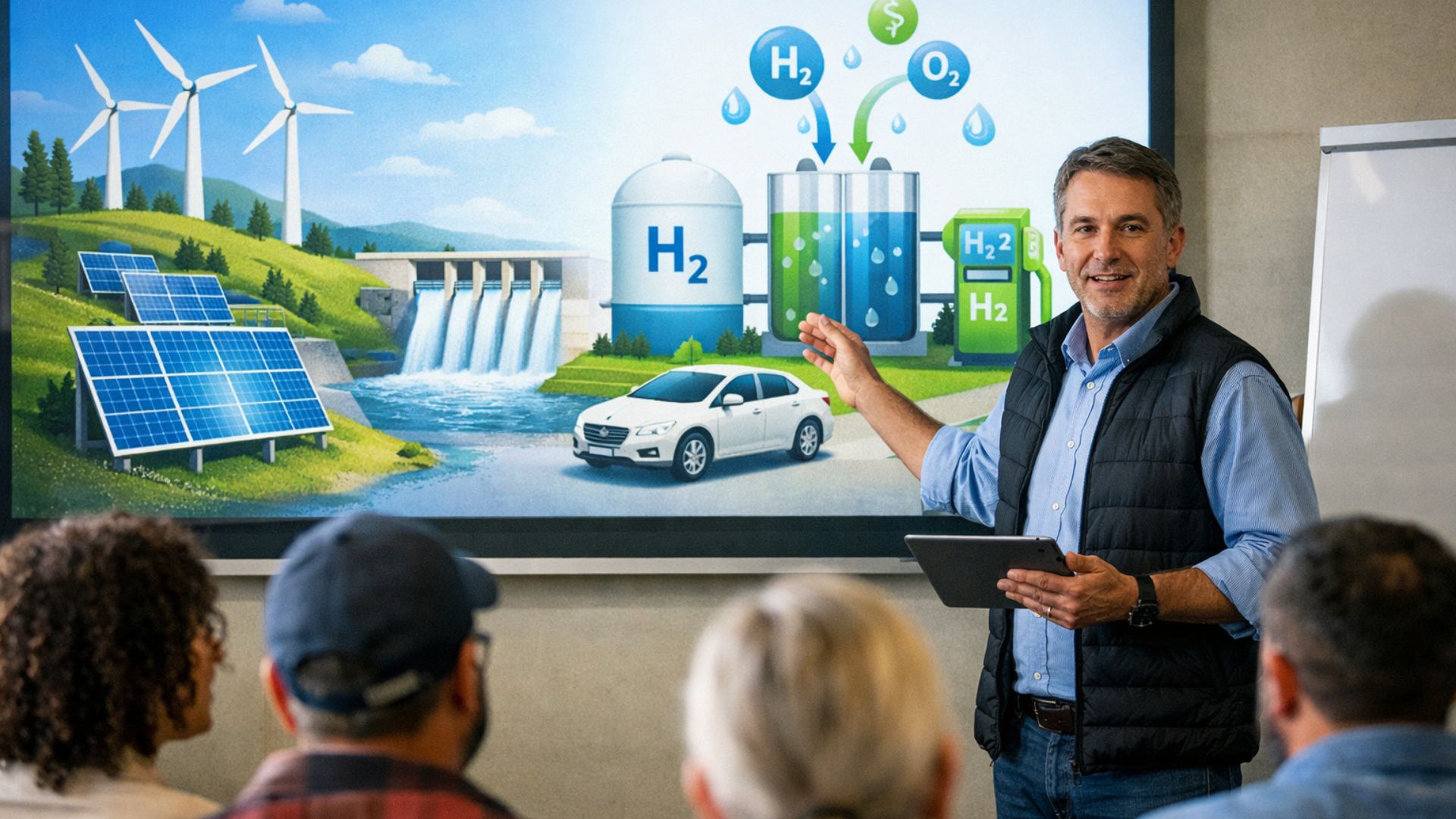
The Municipality of São Paulo, in partnership with UMAPAZ, opens spots for a free in-person course. Initiative strengthens qualification in renewable energy starting March 2026.
The Municipality of São Paulo, in partnership with UMAPAZ, announced the opening of 100 spots for a free course aimed at qualification in the renewable energy sector. Classes begin on March 2, 2026, and are intended for public servants and the general public interested in understanding the Brazilian electricity matrix and new low-carbon technologies, particularly focusing on green hydrogen.
Right at the announcement, made through the Municipality of São Paulo’s website, the municipal administration highlighted that the initiative integrates the public policies of environmental education and energy transition of the capital. The central goal is to expand access to technical and strategic knowledge about clean energy, preparing citizens for the economic, environmental, and social challenges associated with decarbonization.
The Municipality of São Paulo and UMAPAZ expand spots in free renewable energy course
The initiative by the Municipality of São Paulo in partnership with UMAPAZ reinforces the role of the municipality as an active agent in promoting urban sustainability. The offering of spots in a free course focused on renewable energy speaks to the growing demand for qualified professionals and citizens in issues related to energy transition.
-
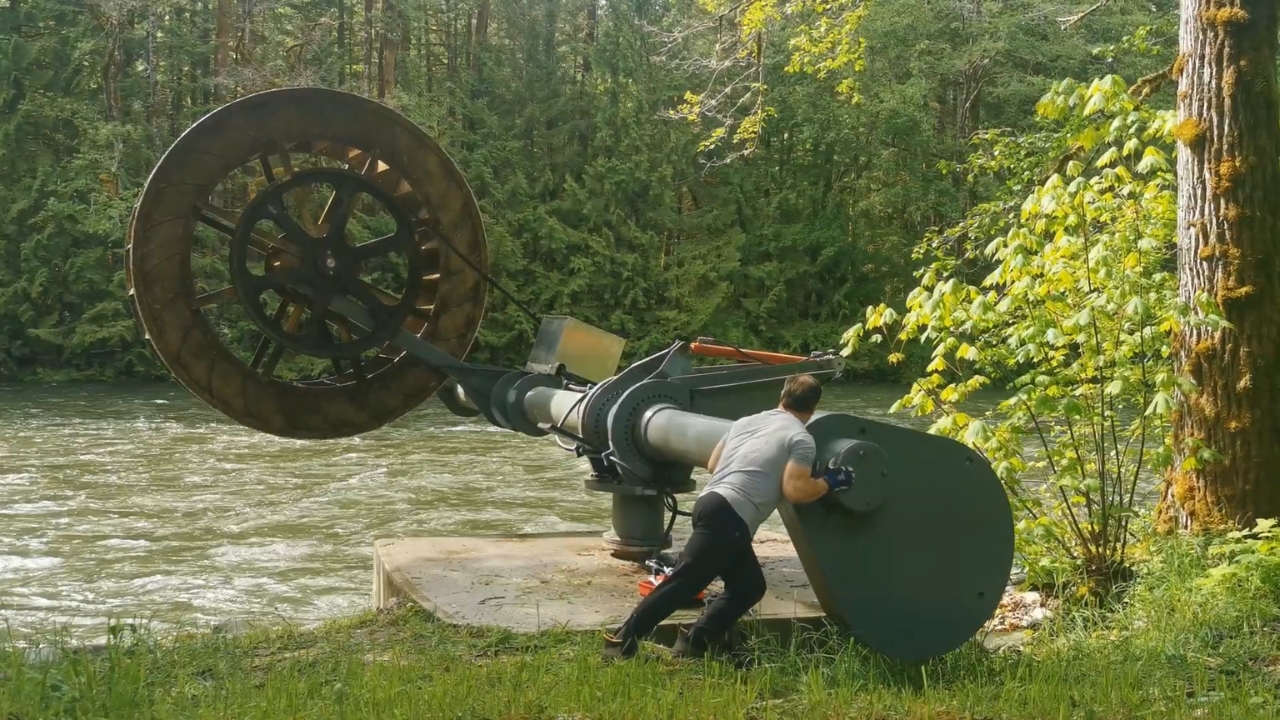
A Canadian retiree creates a hydroelectric system on a real river, generating energy continuously throughout the day and demonstrating how the power of water can supply a house with stability even in a simple structure.
-
Petrobras reaffirms its commitment to the market and ensures that it will carry out the energy transition safely to maintain national sovereignty.

-
Researchers discover a possible hydrogen deposit of up to 46 million tons beneath an ancient coal basin, and the volume could exceed half of the entire global production.

-
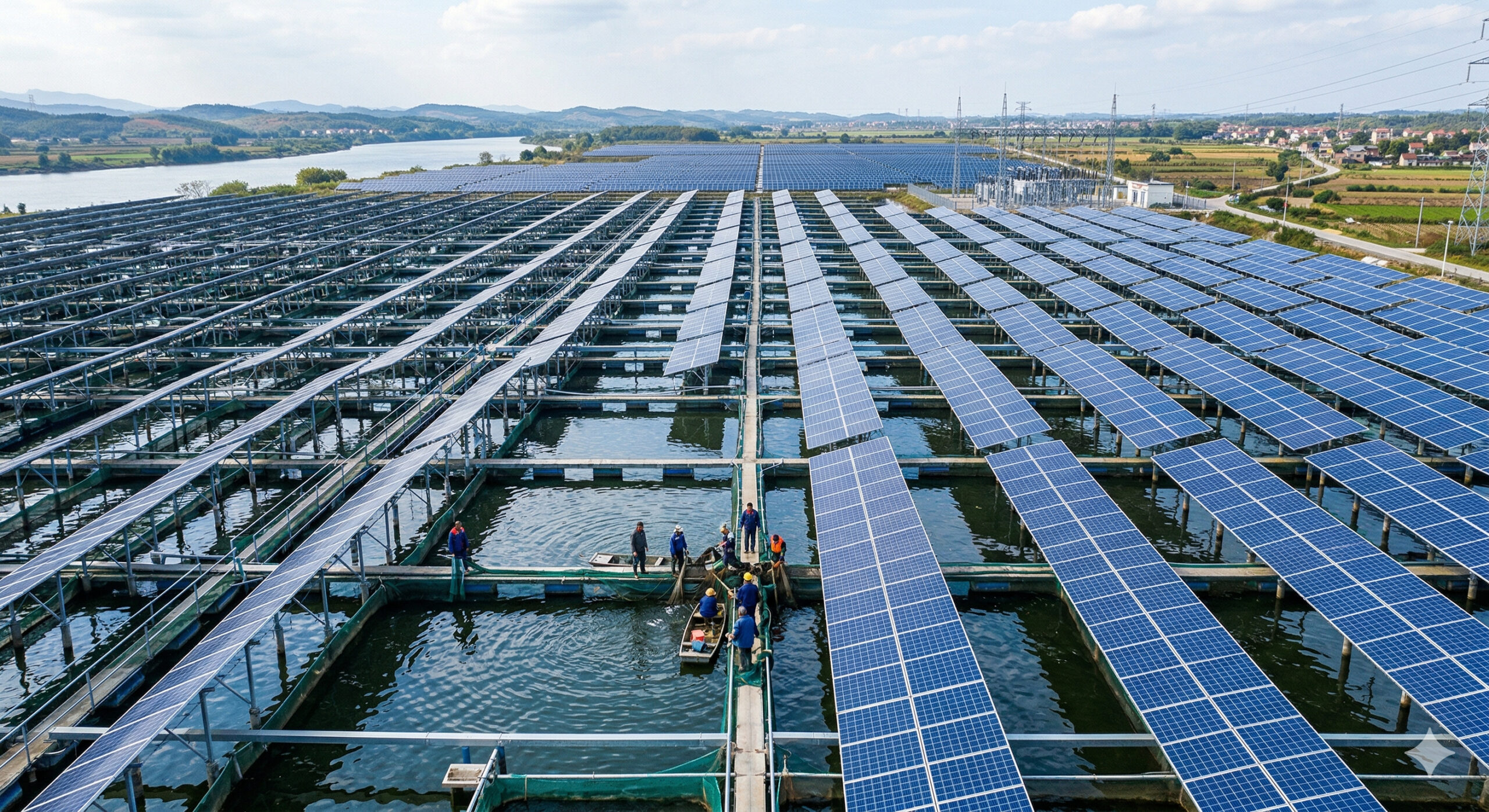
China bets on the Fishery-PV model and transforms fish farms into giant solar plants, covering ponds with panels that generate energy while utilizing the same space for large-scale aquaculture production.
São Paulo, as the largest urban center in the country, faces complex challenges related to energy consumption, mobility, emissions, and urban planning. Empowering the population is an essential strategy to build long-term sustainable solutions, especially in a global scenario marked by the advancement of climate change.
Free Course Addresses Brazilian Electricity Matrix and Green Hydrogen
The offered course is titled “Electricity Matrix and Renewable Sources: The Case of Green Hydrogen” and was structured to provide a comprehensive view of the national electricity sector. Participants will come into contact with fundamental concepts about how electricity is generated in Brazil, which renewable sources predominate, and how new technologies have been gaining space.
Renewable energy occupies a central position in the content, with explanations about low-carbon sources and the strategic role of green hydrogen in the global scenario. The course also contextualizes the global need to migrate to a low-carbon economy, a theme widely discussed by international bodies and regulatory institutions in the energy sector.
Renewable Energy as a Pillar of the Transition to Low Carbon
Brazil has one of the cleanest electricity matrices in the world, with a predominance of renewable sources. Nevertheless, diversification and technological innovation are essential to ensure energy security and reduce emissions in the long term. In this context, renewable energy ceases to be merely an alternative and becomes a pillar of sustainable development.
The course promoted by the Municipality of São Paulo and UMAPAZ presents this panorama in an educational manner, allowing students to understand both the advances already consolidated and the future challenges. The approach connects technical, economic, and environmental aspects, facilitating the assimilation of content by diverse audiences.
Green Hydrogen and Its Applications in the Energy Sector
One of the course’s differentiators is the focus on green hydrogen as an energy vector. Produced from the electrolysis of water using electricity from renewable energy, green hydrogen is considered one of the most promising solutions to reduce emissions in hard-to-electrify sectors.
During the course, participants analyze hydrogen not only as a theoretical concept but also as a practical alternative for energy storage and transportation. The case study presented involves a car electric motor that uses green hydrogen as a fuel source, bringing the content closer to current technological reality.
Structure of the Classes and Details of the In-Person Course
The classes will take place in person at the UMAPAZ headquarters, located at Avenida Quarto Centenário, 1268, in the Vila Mariana neighborhood of São Paulo. The course period runs from March 2 to March 9, 2026, always on Mondays and Wednesdays, from 10 AM to 12 PM.
A total of 100 spots are being offered, and obtaining the certificate is contingent upon full attendance in the classes. The requirement of 100% attendance reinforces the commitment to the quality of the training and to the full utilization of the content offered.
Spots, Target Audience, and Need for Prior Registration
The spots are intended for both public servants and the general public, expanding the social reach of the initiative. Registration is mandatory and can be made through the article published on the Municipality of São Paulo’s website.
The limitation on the number of participants allows for greater interaction in the classroom and better monitoring of learning. This strategy strengthens the educational experience and contributes to the effectiveness of the free course, especially in technical topics such as energy and sustainability.
Technical Team and References Used in the Course
The course coordination is led by Miriam Helena Bueno Falótico, with facilitation by engineer Eduardo Aulicino. The professional has a degree in Civil Engineering and specialization in Sustainable Construction, Energy Efficiency in Buildings, Rational Water Use, and Public Policies focused on sustainability.
The references mentioned include recognized institutions in the energy sector, such as ABSOLAR, ABEEólica, IEE-USP, ANEEL, Enel Green Power, Neoenergia, Raízen, and the Brazil-Germany Chamber, among others. These sources ensure that the content presented is aligned with reliable data and established practices.
Connection with the Sustainable Development Goals
The educational proposal is aligned with various United Nations Sustainable Development Goals, including affordable and clean energy, decent work, innovation, reduction of inequalities, sustainable cities, and combating climate change.
By offering a free course focused on renewable energy, the Municipality of São Paulo strengthens integrated public policies, which unite education, sustainability, and social inclusion. The initiative contributes to forming more conscious citizens, prepared to act in a market increasingly driven by environmental criteria.
Expected Impact of the Initiative for the City and the Participants
The offering of spots in a free course on renewable energy represents more than a one-time educational action. It is a strategic investment in the human capital of the city of São Paulo, with the potential to generate positive impacts on urban planning, public management, and technological innovation.
For the participants, the course broadens the technical repertoire and understanding of the future of energy, while for the municipality, it reinforces the commitment to sustainability and continuous education. The partnership between Municipality of São Paulo and UMAPAZ thus consolidates itself as an example of public policy aimed at sustainable development and energy transition.







Seja o primeiro a reagir!