





 Portuguese
  English
  Spanish
 6 min of reading
  35 comments


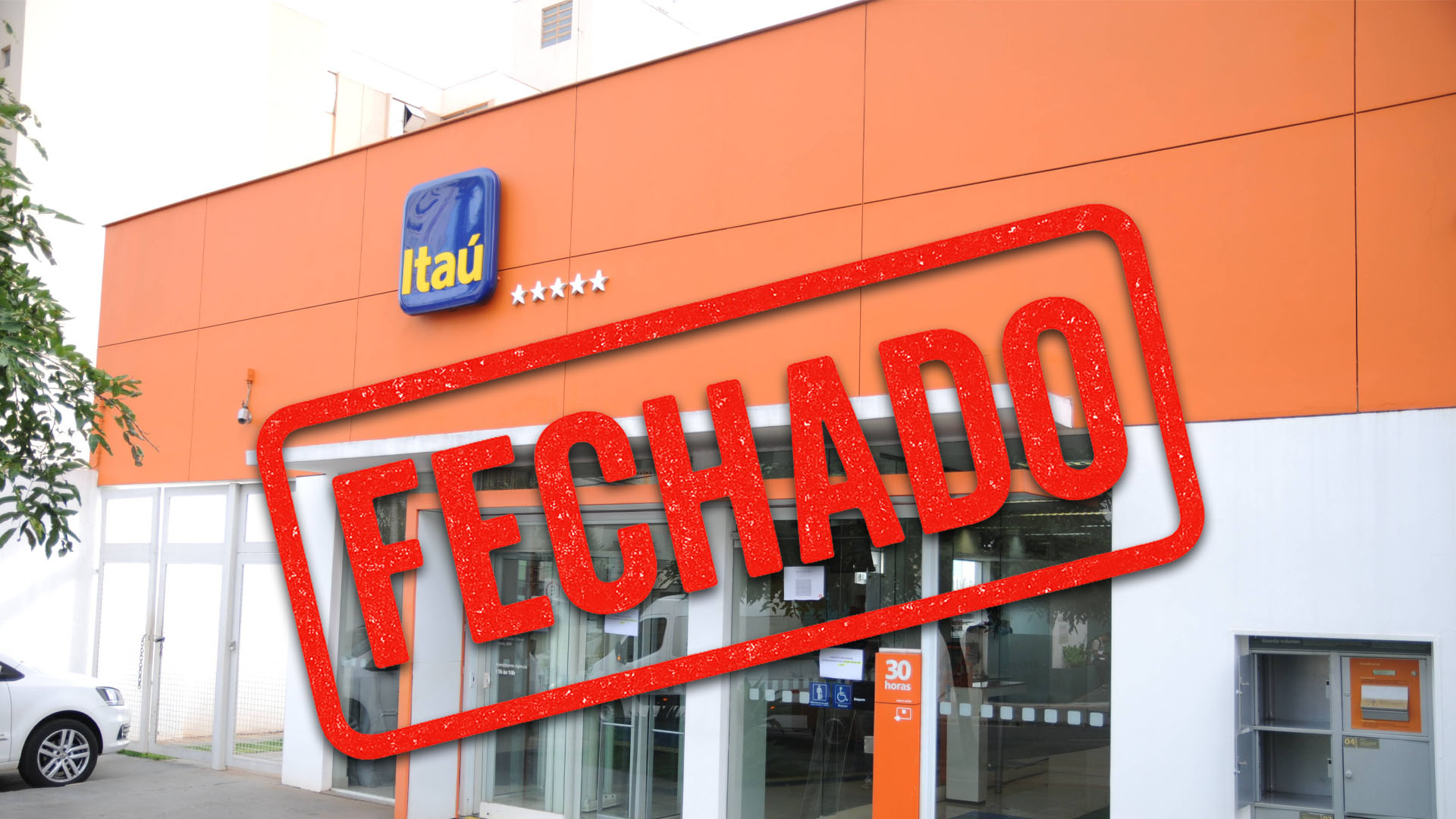


End of the Traditional Itaú Agency in the Caminho das Árvores Neighborhood in Salvador Reallocates More Than 20 Thousand Account Holders and Reinforces the Migration to Digital Services. While the Bank Talks About Modernization, Unions Warn of the Risk of Exclusion of the Elderly and Those Who Still Depend on In-Person Services.
The Itaú Unibanco closed, on November 5, 2025, the activities of the branch located on Avenida Tancredo Neves, in the Caminho das Árvores neighborhood in Salvador, one of the most traditional in the Bahian capital. Approximately 20 thousand clients and at least 28 employees were directly impacted by the measure, according to information from local media and the Banking Union.
According to a statement from the bank itself, the account holders from the Caminho das Árvores branch were transferred to the Iguatemi branch, also in Salvador, which had already been prepared to absorb the increased demand. At the same time, Itaú stresses that everyday operations can and should be conducted through digital channels, such as the app, internet banking, and ATMs.
The closure of the branch is not an isolated case. In 2024 alone, Itaú announced the closure of 227 branches nationwide, as part of a national restructuring plan that accompanies the rise of digital banks and the change in consumer behavior.
-
These living root bridges and ladders are over 700 years old and help indigenous people survive in one of the rainiest regions in the world.

-
From sertanejo star to international investor: Ana Castela invests millions in a mansion in the USA, creates a themed accommodation in Orlando, and shows that the “boiadeira” also wants to grow away from the stage.

-
The 10 most stunning motorhomes in the world: a $3 million trailer with a rooftop nightclub and garage for a Ferrari, “palaces on wheels” with Italian marble, private cinema, and five-star hotel luxury for billionaires.

-
Trump wanted to spend $400 million on the White House, but the courts prohibited the million-dollar construction.


The movement, however, does not happen without resistance. Banking unions express concern about layoffs, the deterioration of service quality, and the exclusion of individuals who still do not master technology, especially the elderly and residents of low-income areas. For many clients, the physical branch is not just a service point but a space of trust and in-person financial guidance.
Where Do the Clients of the Caminho das Árvores Branch Go and How Does the Service Work
With the closure of the branch in Caminho das Árvores, Itaú advised its clients to seek assistance at the Iguatemi branch, which remains the main physical reference in the region for opening accounts, renegotiating debts, making investments, and more complex services. According to the bank, the new branch has enhanced infrastructure to accommodate the increased flow and maintain service standards.
In addition to the relocation to Iguatemi, Itaú highlights that most daily services can be performed via the Itaú app, internet banking, and self-service terminals. The institution assures that customers’ banking data, cards, limits, and contracts remain unchanged; only the connection to the account is updated to the new responsible branch.
Digital Transformation at Itaú and in the Brazilian Banking System
The decision by Itaú occurs within a context of a digital revolution in the Brazilian financial system. According to the Brazilian Federation of Banks (Febraban), approximately 82% of banking transactions in 2024 were conducted through digital channels, such as mobile phones and internet banking, with 75% of them being done exclusively via mobile, highlighting the strength of mobile banking in the country.
Data from the Central Bank of Brazil indicates that the use of physical channels, such as branches and in-person teller services, represents an increasingly smaller portion of total transactions, dropping to around 2% of payment transactions in some recent periods.
Meanwhile, official reports show that the number of bank branches in Brazil plummeted from over 23 thousand in 2015 to about 15.5 thousand in 2025, a direct reflection of the advance of digitalization and competition with 100% digital banks.
In the case of Itaú, the bank claims that 97% of transactions from individuals already occur through digital channels and that the physical network will increasingly take on a consultative role, serving specific niches and situations that require more in-depth in-person guidance.
The institution argues that digital transformation allows for more agility, cost reduction, and the expansion of personalized services for clients.
At the same time, Febraban argues that the modernization of service channels reduces queues, increases the availability of services 24 hours a day, and promotes financial inclusion, especially in areas where physical service is limited.
Who Else Suffers from the End of Physical Branches and What Are the Risks
Despite the gains in efficiency, experts and consumer advocacy organizations warn that the rapid closure of branches may deepen access inequalities. The elderly, individuals with low educational attainment, account holders without stable internet access, and residents of peripheral areas are the groups that suffer the most from the forced migration to digital.
Banking unions in Bahia emphasize that a significant part of the population served by branches like Caminho das Árvores and other recently closed units still relies on in-person service, whether due to difficulty using apps or fear of errors and online scams. For these individuals, talking to the branch manager “face to face” continues to be a form of security.
Another sensitive issue is the rise of digital scams, particularly against the elderly and individuals with limited familiarity with technology. As more clients are pushed towards mobile and internet banking, there is an increasing need for more robust financial and digital education programs, at the risk of increasing the number of fraud victims.
There is also the impact on workers in the sector. Reports from industry organizations suggest that, while banks report billion-dollar profits, they are cutting thousands of jobs and reducing physical service structures.
In the case of Itaú, over 3 thousand positions were closed in the last 12 months, according to union data, which fuels criticism regarding the contradiction between high profitability and workforce reductions.
For the Brazilian consumer, the lingering question is whether the “modernization” of banking services is occurring at a pace that respects the population’s adaptation period. When a branch closes without a clear and accessible transition plan, the risk is turning a technological advancement into yet another barrier in the daily lives of those who need the bank.
How Customers Can Adapt to Digital Banking Without Giving Up Their Rights
In light of the new scenario, experts recommend that clients affected by branch closures seek information and support before fully transitioning to digital. Itaú itself claims to offer in-person training, tutorial videos, phone support, and assistance at remaining branches to guide the use of the app and internet banking.
Clients facing more challenges can look for free digital inclusion courses offered by municipalities, public institutions, and entities within the S System, as well as seek help from family members or trusted individuals who are already proficient in using banking apps. It is essential, however, that any guidance is always based on official channels of the bank, avoiding suspicious links, unknown intermediaries, or “miraculous” offers of assistance.
In case of problems with service, undue charges, or extreme difficulties accessing services, the account holder can still reach out to organizations such as Procon, Central Bank (via the Registrato channel and ombudsman), and the consumidor.gov.br platform. These mechanisms are crucial for pressuring financial institutions to ensure that digitalization does not come with a loss of rights or abandonment of the most vulnerable populations.
In the end, the closure of the Itaú branch in Caminho das Árvores is yet another chapter in a structural change in the Brazilian banking system that promises practicality but also tests the limits of patience and adaptability of clients.
In your opinion, are banks modernizing their services to benefit the customer or merely cutting costs at the expense of those who most need in-person service? The discussion about how far this digitalization should go, and who is left behind in this process, is still far from over.








Só querem lucrar com está medida,não pensa nas dificuldades do correntista
Envelhecer não é fácil! Demanda tempo, resiliência, paciência, renúncia e compreensão. Tudo em relação a si mesmo e ao outro, principalmente. Muitos nos conheceram hoje, qdo já “estamos “, não nos viram ontem quando eramos iguais!
Banco ****! ****! Desde quando o Itaú se preocupa com idosos? Comigo não se preocupou quando roubou todo o meu dinheiro e nunca devolveu, mesmo tendo perdido na Justiça. **** é o que mais falta a esse tamburete.