





 Portuguese
  English
  Spanish
 5 min of reading
  0 comments


Located in Santa Catarina, the coldest city in Brazil transforms waterfalls into ice sculptures, records negative temperatures for over 30 days a year, and sustains its economy with apples and trout adapted to the extreme climate.
In a country world-renowned for its tropical climate, the existence of a municipality where intense cold is the main attraction may seem like a paradox. However, Urupema, in the highlands of Serra Catarinense, not only confirms this exception but transforms it into its identity. Officially recognized as the coldest city in Brazil, it has built its reputation and economy around low temperatures, offering a rare spectacle and attracting visitors seeking a unique experience in the national landscape.
The biggest symbol of this phenomenon is its famous waterfall that freezes during the harshest winters, an event that, according to Exame magazine, piques the interest of tourists and scientists. However, the cold in Urupema goes beyond tourism: it is the foundation of a specialized economy. Its apple orchards depend on cold hours to blossom, and its cold waters provide the perfect habitat for trout farming, consolidating the climate as an invaluable resource.
Anatomy of Cold: Altitude and Climatic Phenomena
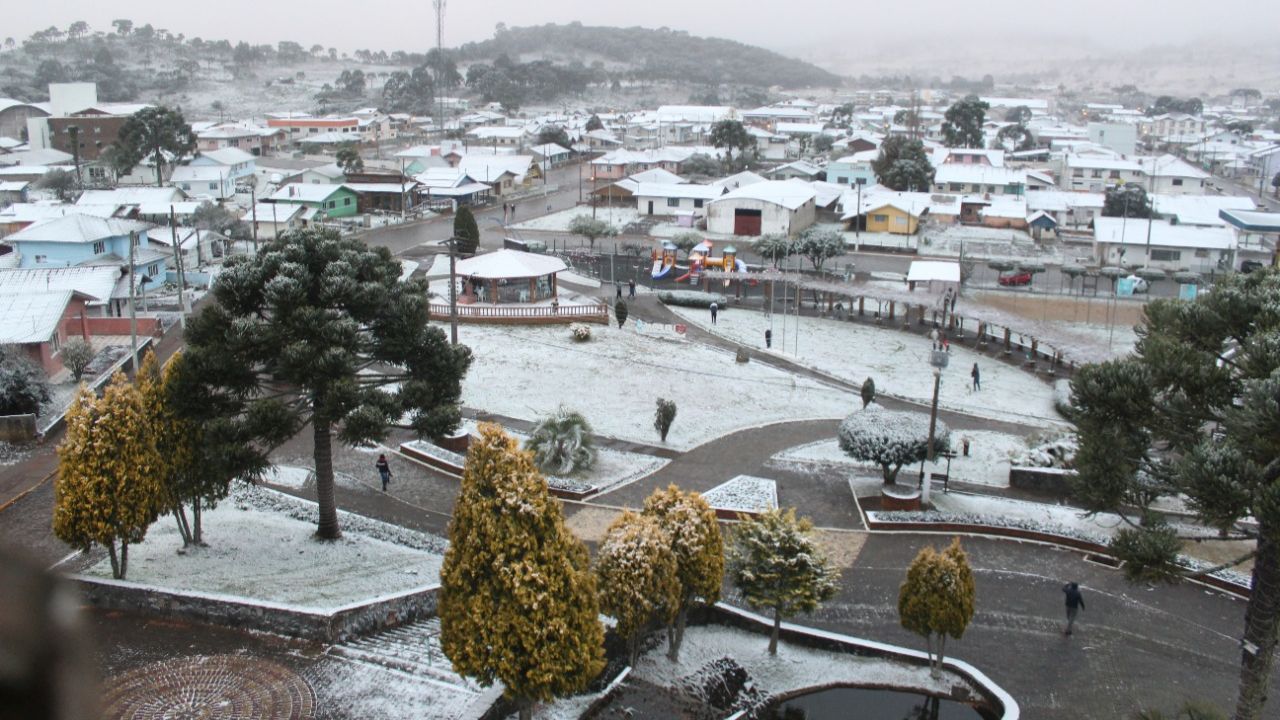
Urupema’s fame as the epicenter of cold in Brazil is a meteorological reality based on a precise combination of factors. The main one is its high altitude, with the urban center situated at an average of 1,425 meters above sea level. Its highest point, Morro das Torres, reaches an impressive 1,750 meters, serving as a pole for polar air masses arriving in the region, which often guarantees the municipality records for the lowest temperatures in the country.
-
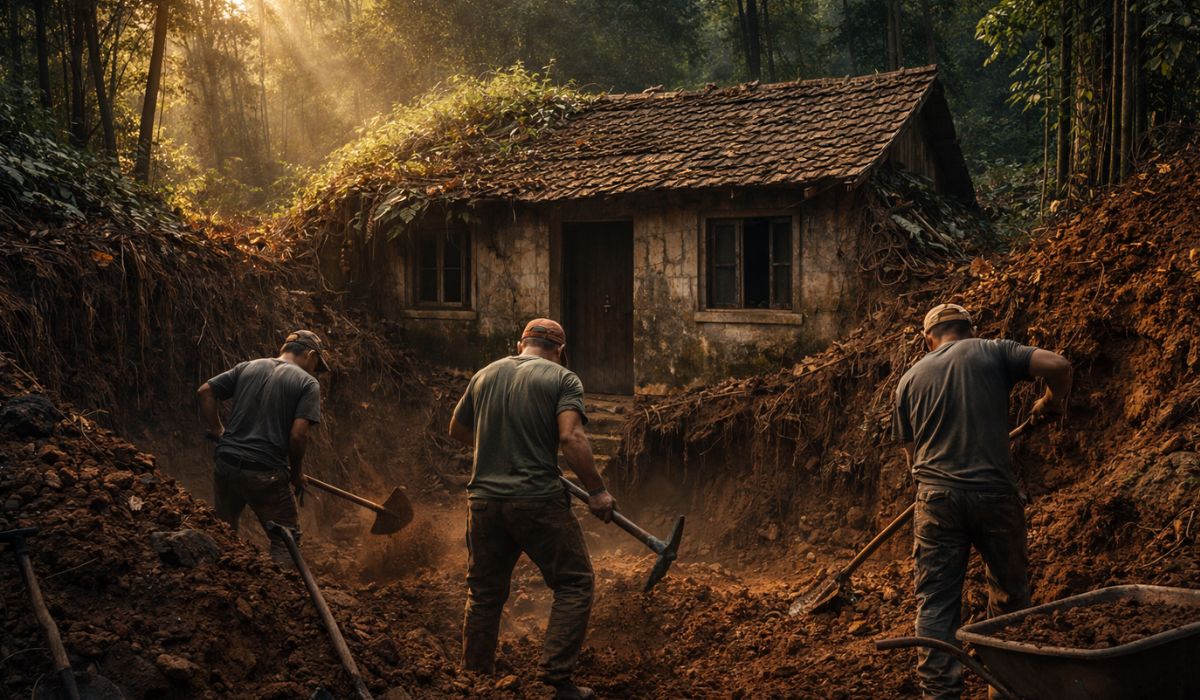
A promise made to their father led three men to unearth a forgotten house that had been swallowed by time for over 70 years, in a story of memory, abandonment, and reconstruction that seems straight out of a movie.
-
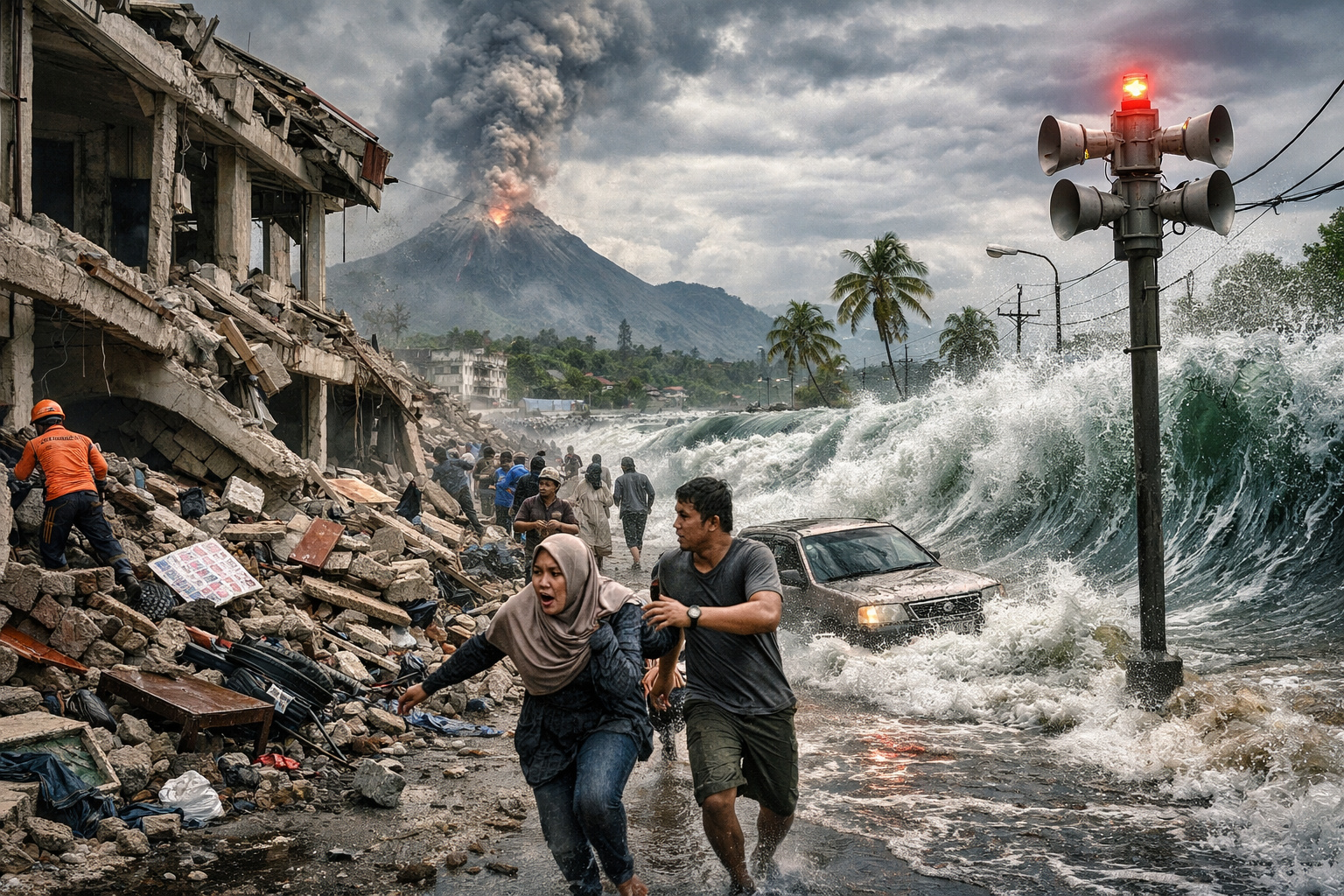
A strong earthquake in Indonesia affects houses and schools, causes panic, triggers a tsunami alert, and records a rise in sea level of up to 30 centimeters in some areas.
-
The Argentine government celebrates the lowest poverty rate in 7 years, but experts warn that the methodology has changed, real wages have fallen, unemployment has risen, and the number of people on the streets of Buenos Aires has increased by 57% since Milei took office.

-
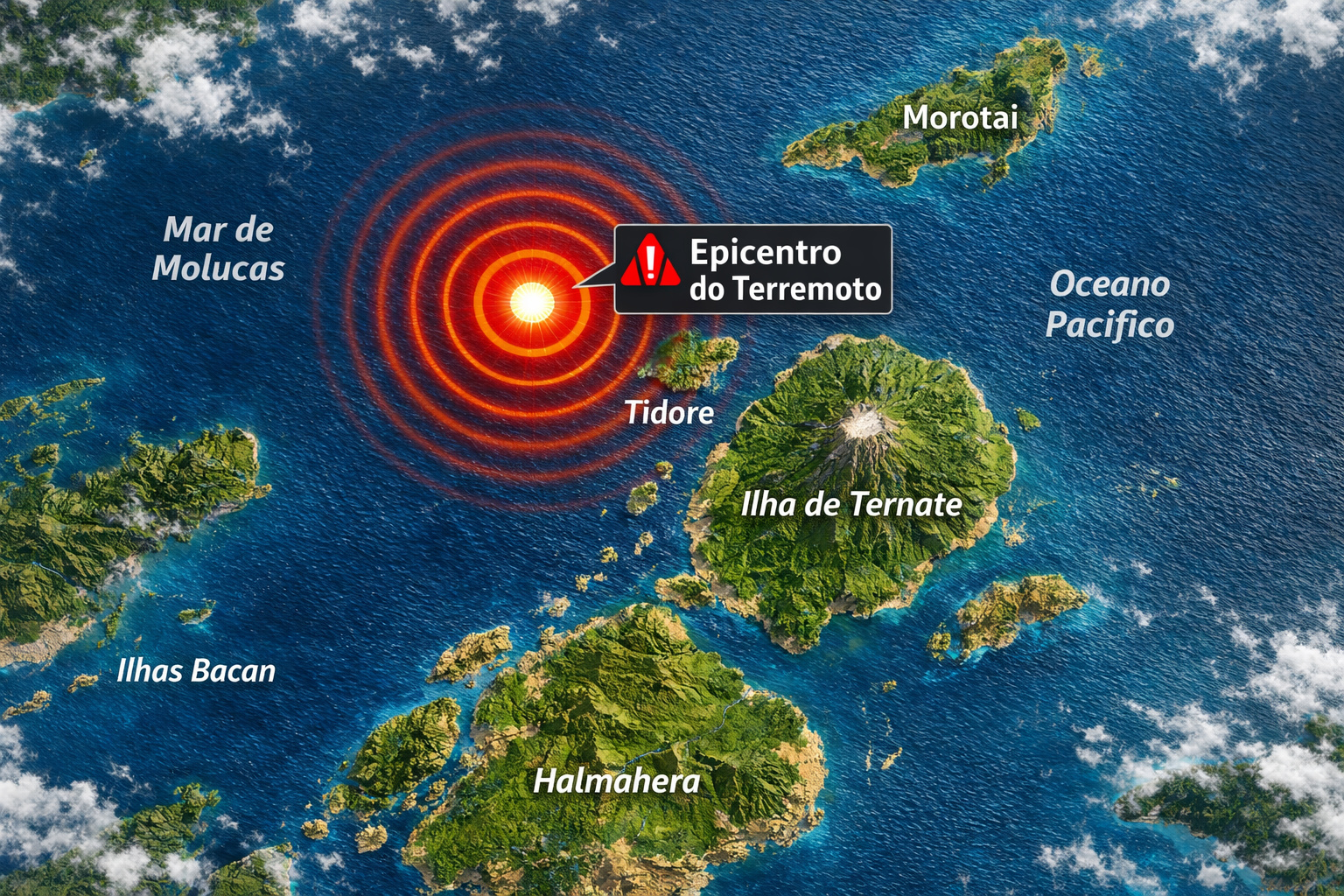
7.8 magnitude earthquake in Indonesia frightens the population, triggers tsunami alert, and hits an island with over 200,000 inhabitants this Thursday.

This geography results in an exceptional climate by Brazilian standards. The average annual temperature is only 14°C, and during winter, thermometers often plummet to negative marks. One of the criteria that define its identity is frequency: Urupema consistently exceeds 30 days with temperatures below 0°C per year. This regularity permits the occurrence of rare phenomena, such as sincelo, the freezing of fog on surfaces, which covers vegetation with a thin layer of ice crystals, as well as nearly daily frosts and occasional snowfall.
The Waterfall That Freezes: Brazil’s Ice Postcard
At the heart of Urupema’s identity lies a phenomenon that defies expectations: the “Waterfall That Freezes.” As detailed by Exame, this natural event has become the emblem of the city, a powerful image that communicates the climatic exceptionalism of the location. Situated on the slopes of Morro das Torres, the waterfall, which is 13 meters high, turns into a “true ice sculpture” during the coldest days of winter, with icicles forming on the surrounding cliffs, creating a scene worthy of northern hemisphere landscapes.
The freezing is not an arbitrary event but the result of a persistent cold, with temperatures remaining negative for several consecutive days. The location of the waterfall, in a shaded area with dense vegetation, prevents the sun from warming the water and rocks, hastening the process. The tourism impact of this phenomenon is immense, attracting a constant flow of visitors and ensuring recurring media coverage. The rarity of the event on a global scale has also sparked the interest of scientists, curious to study the extreme conditions that allow it to occur at a subtropical latitude.
An Economy Forged in Ice: The Power of Apples and Trout
The economy of Urupema is a remarkable example of how agriculture can adapt to the climate. Instead of battling against the harsh conditions, local producers have used the cold as an essential resource, specializing in high-value crops that not only tolerate but require it to thrive. Agriculture is the backbone of the local economy, accounting for more than half of the municipality’s Gross Domestic Product (GDP).
Apple orchards are one of the main economic engines. Apple trees require a specific number of “cold hours” to break dormancy and ensure abundant flowering in spring. With around 560 hectares dedicated to cultivation, the annual production is estimated at 24,000 tons, being a vital activity for family farming. Simultaneously, the clear, cold waters of the rivers sustain another pillar: trout farming. As highlighted by Exame, the city is a hub for breeding Rainbow Trout, a sensitive species that thrives in cold, well-oxygenated waters, conditions that Urupema naturally offers, also establishing itself as a gastronomic destination.
Beyond Winter: Urupema in All Seasons
Although winter defines the public image of the city, Urupema has developed a tourist calendar that extends throughout the year, based on unique natural spectacles. This strategy, detailed in guides such as the one from NSC Total, ensures the sustainability of the sector and attracts different profiles of visitors. In spring, the frozen landscape gives way to the Apple Blossom, when the orchards are covered with white and pink flowers, creating a scene of rare beauty.
Summer, in turn, transforms Urupema into a mild climate refuge, ideal for ecotourism and for those looking to escape the intense heat of the coast. Meanwhile, autumn brings one of the most impressive wildlife events in southern Brazil: the Parrot Flight. As described by NSC Total, a flock of more than 20,000 parrots, including endangered species, migrates to the region in search of pine nuts, coloring the skies of the city at dawn and dusk and attracting birdwatchers from all over the world.
Urupema vs. Neighbors: The Specialist in Extreme Cold
To understand Urupema’s positioning, it is necessary to contextualize it alongside its famous neighbors, São Joaquim and Urubici, forming the “trio of giants of cold” in the Serra Catarinense. A comparative analysis, based on information from portals like Guia da Semana, shows that each city has developed a distinct niche. São Joaquim is the “City of Snow,” with consolidated infrastructure and a focus on altitude wines. Urubici has established itself as the capital of ecotourism, with canyons, waterfalls, and charming lodgings.
In this landscape, Urupema stands out as the destination for the “purist of cold.” Its infrastructure may be more rustic, but its appeal lies in the authenticity and the guarantee of experiencing cold in its most extreme form in Brazil. While a tourist goes to São Joaquim hoping to see snow or to Urubici to explore a trail, the visitor to Urupema has a clear goal: to witness the unique spectacle of the frozen waterfall and feel the nation’s lowest temperatures on their skin. Urupema does not compete on scale but rather in specialization, consolidating its brand as the true capital of cold.
And you, what do you find most fascinating about Urupema? Would you dare to face the extreme cold to see the frozen waterfall, or do you prefer to visit the city in another season, like during the Apple Blossom? Leave your opinion in the comments, we want to know which of these experiences attracts you the most!







-

-

-

-

-

28 pessoas reagiram a isso.