





 Portuguese
  English
  Spanish
  3 min of reading
  6 comments


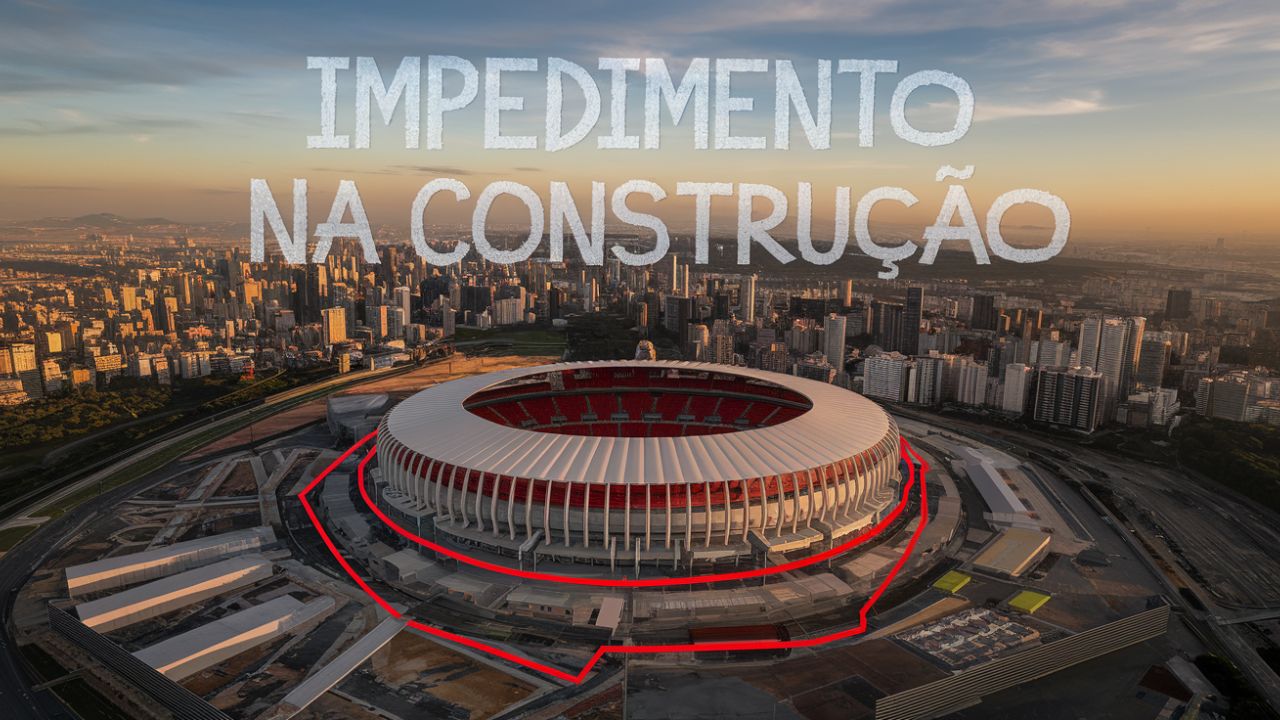


Impasse With Gas Pipeline on Gasômetro Land Generates Cost of R$ 50 Million and Intensifies Disputes Among Flamengo, City Hall, and State Government, Putting Construction Schedule at Risk.
When Flamengo announced its desire to build its own stadium, the fans cheered. After all, nothing is more symbolic than an exclusive home for one of Brazil’s biggest clubs. But, like any major project, challenges quickly arose, turning the dream into a complex puzzle. And the main “out-of-place piece”? A gas pipeline.
Flamengo’s Dream: A Stadium to Call Its Own
Those who follow Flamengo know that the idea of having its own stadium is not new. Since the club began dreaming of independence from Maracanã, the search for a suitable piece of land became a priority. An own stadium is not just concrete and stands; it is a symbol of identity, autonomy, and, of course, exclusive revenue.
But, as the saying goes, “dreaming big takes work”. In Flamengo’s case, the work involves millions of reais, political negotiations, and many feasibility studies. The Gasômetro land in Rio de Janeiro seemed like the ideal place, but soon a problem literally buried itself.
-
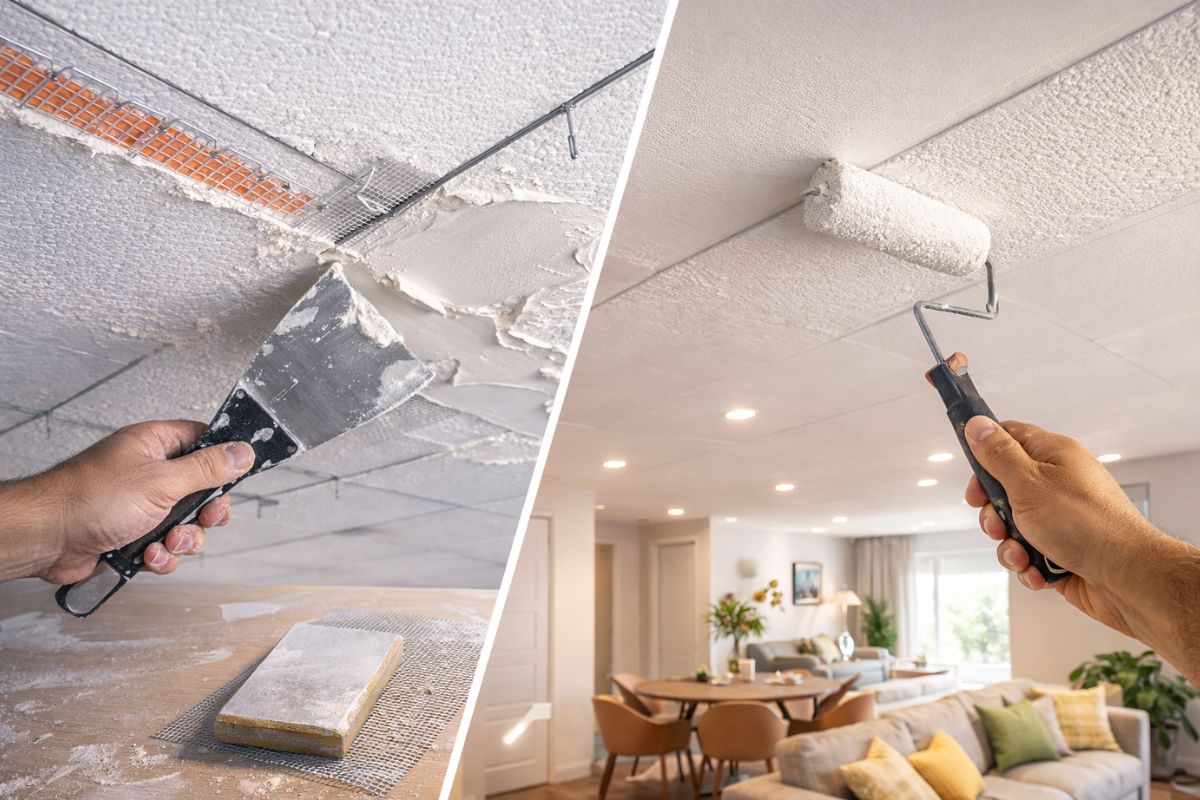
A trick with joint compound transforms a Styrofoam ceiling into a plaster-like ceiling: leveled panels, wires and mesh at the joints, sand, paint, and change the environment while spending little today.
-
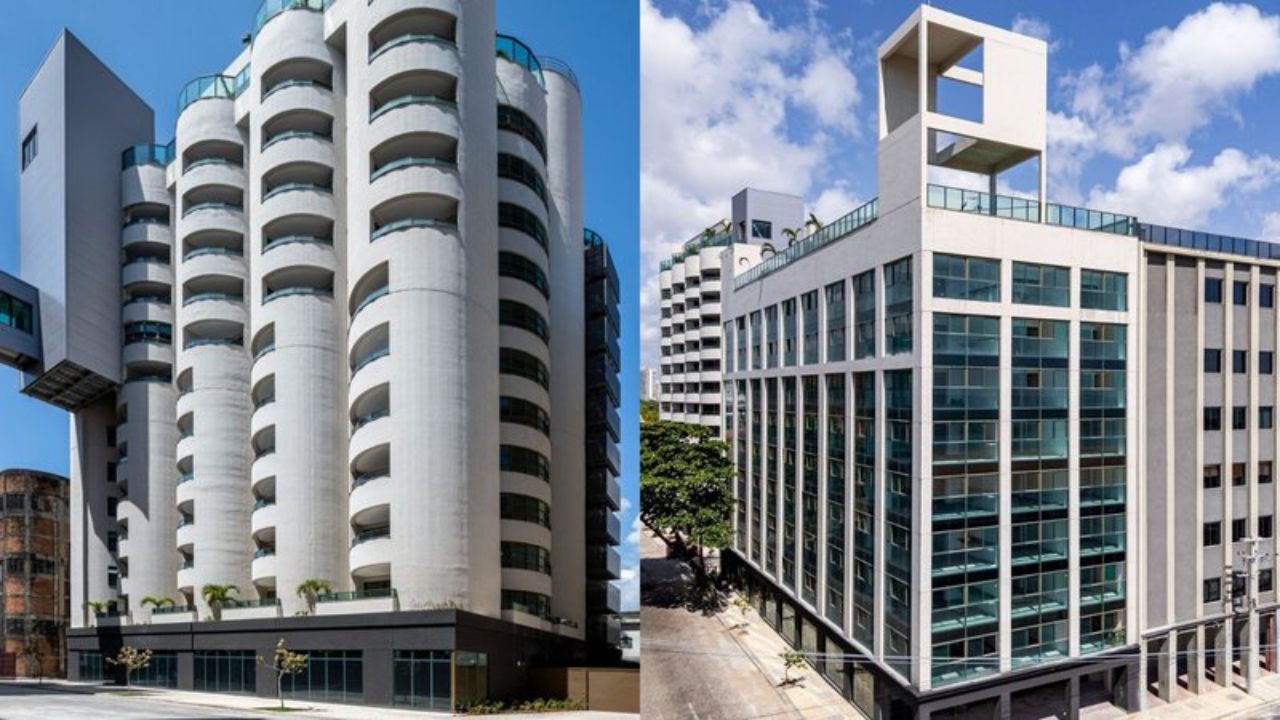
Abandoned for over a decade, century-old silos in the state of Recife have been transformed into 251 apartments with curved walls in one of the most complex retrofits ever done in Brazil.
-
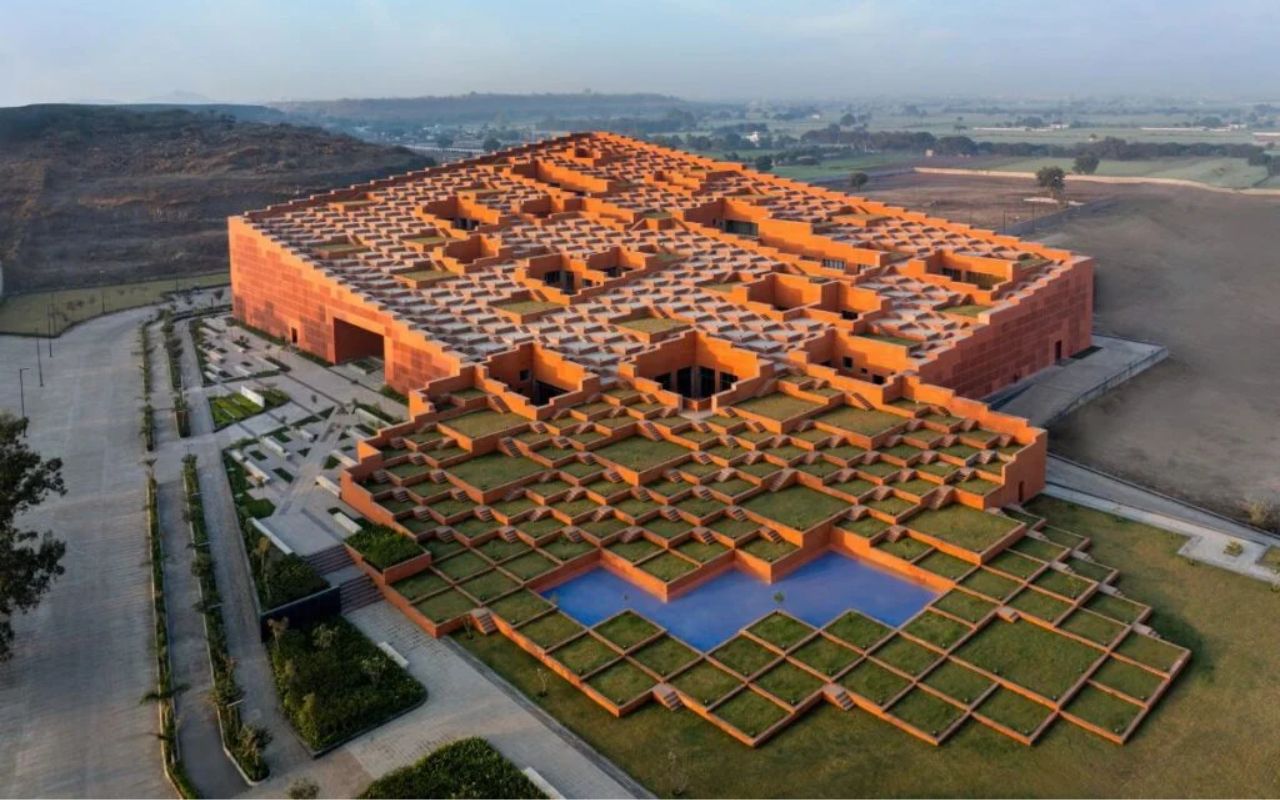
Inspired by millennia-old structures, a “differentiated” roof with 463 levels and a capacity for 9,000 people was built on top of a building in India; the tiered roof is almost a kind of giant garden of 9,000 m², reducing energy consumption and promoting interaction among students of Prestige University.
-
Architects are burying plastic pipes 2 meters deep and using ducts up to 30 meters long to cool homes without electricity, with low-consumption fans and natural heat exchange that drastically cuts the electricity bill.
Gasômetro Land and Gas Pipeline: The Main Obstacle
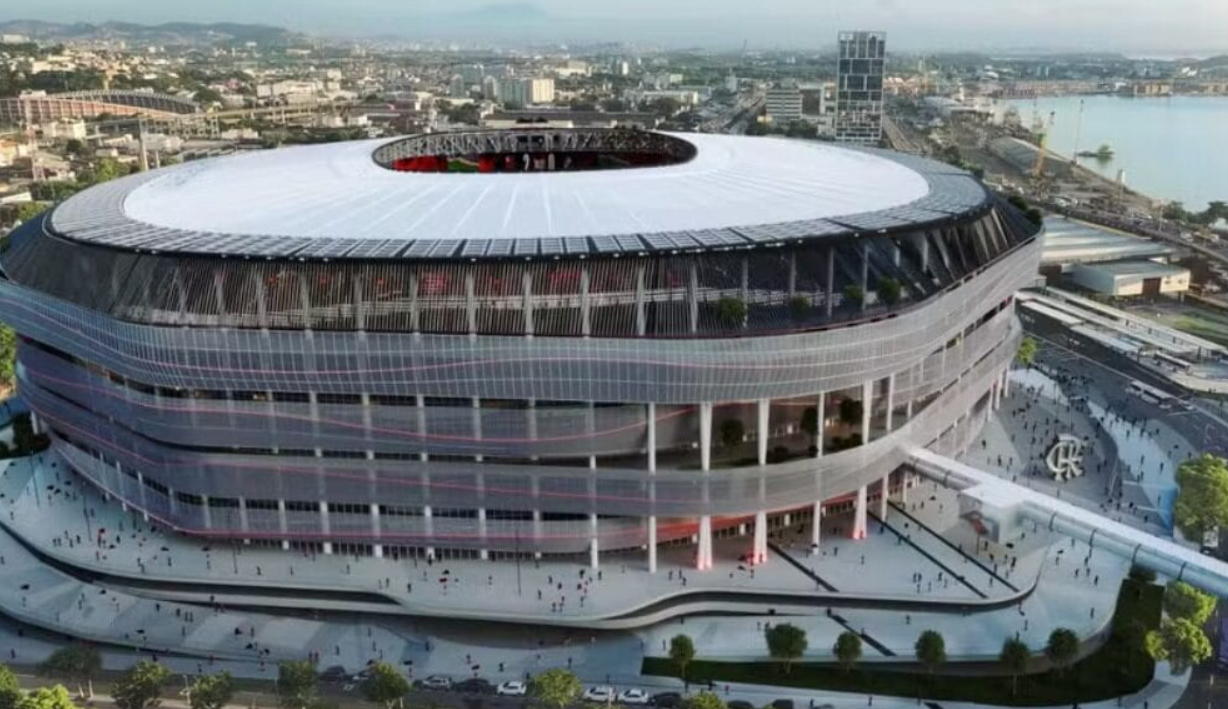
Can you imagine a gas pipeline of 3,000 square meters as the villain of a project? Well, that’s exactly what’s happening. The land chosen by Flamengo houses a structure from the State Gas Company (CEG), which needs to be removed for construction to proceed. And that’s where the problems begin.
The relocation of the pipeline has an estimated cost of R$ 50 million, in addition to being a technical challenge that could delay the schedule. While some argue that the removal is feasible and will not harm the project, others warn of the financial and logistical impact. Amid all this, the big question arises: who will pay this bill?
Who Pays the Bill? Discussions on R$ 50 Million
Here comes the classic game of pushback. Flamengo argues that the cost should be shared among the club, the city hall, and the state government. On the other side, public figures like Mayor Eduardo Paes and Deputy Pedro Paulo assure that the removal of the pipeline will not be an obstacle for the schedule or the budget.
Meanwhile, the fans are following the saga, hoping that politics will not hinder progress. What seems like a technical problem quickly turned into a dispute of narratives, where each side tries to convince the public that it is doing its part.
Studies, Deadlines, and the Role of Flamengo’s New Management
With so many factors at play, Flamengo’s new management decided to take a cautious approach. An economic feasibility study was commissioned to the Getúlio Vargas Foundation (FGV) to assess the financial impact of the project. The expectation is that, in April, the club will present new figures on costs, deadlines, and planning.
For now, the signing of the final purchase agreement for the land has been postponed. The strategy is clear: to avoid hasty commitments until all variables are mapped. It’s a step that could delay the project, but also ensure safer decisions in the future.
What to Expect from the Future of the Project
According to NSC Total, Flamengo’s new stadium remains a possible dream, but still surrounded by uncertainties. Resolving the impasse of the gas pipeline will be a watershed moment, and success will depend on the club’s ability to negotiate and overcome technical challenges.
Either way, Flamengo’s supporters can be sure of one thing: when the first goal is scored in the new stadium, all this effort will have been worth it. After all, great achievements require courage and perseverance, two qualities that Flamengo has in abundance.




Tudo isso aí mentira, tubulação de gás entre outras coisas que estão falando, a verdade é que esse **** que virou presidente do Flamengo junto com **** dele, já tinha falado que não iria fazer o estádio ele vai ajudar o Flamengo, tem mas fica falando que não quer safe e vai fazer safe no Maracanã e esquece estádio com esse presidente nunca vai sair.
Melhor ampliar o puleiro da Gávea e assim não complicar mais aquela área do gasômetro.
O problema não se resume na retirada ou transferência da tubulação. O grande problema é a localização totalmente inadequada. Há um gigantesco entroncamento rodoviário no local. A Rodoviária Novo Rio , o Terminal Gentileza (Gente Leza), O acesso para a Ponte Rio Niterói tudo isso junto inviabiliza qualquer Estádio 🏟️ nas proximidades. A mobilidade sofrerá um colapso total. E mais , para receber patrocínio não poderá ser apenas um Estádio, será uma Arena multiuso o que torna a área inviável. Nada disso está sendo observando. Ainda há tempo de evitar o fracasso.