





 Portuguese
  English
  Spanish
  5 min of reading
  0 comments


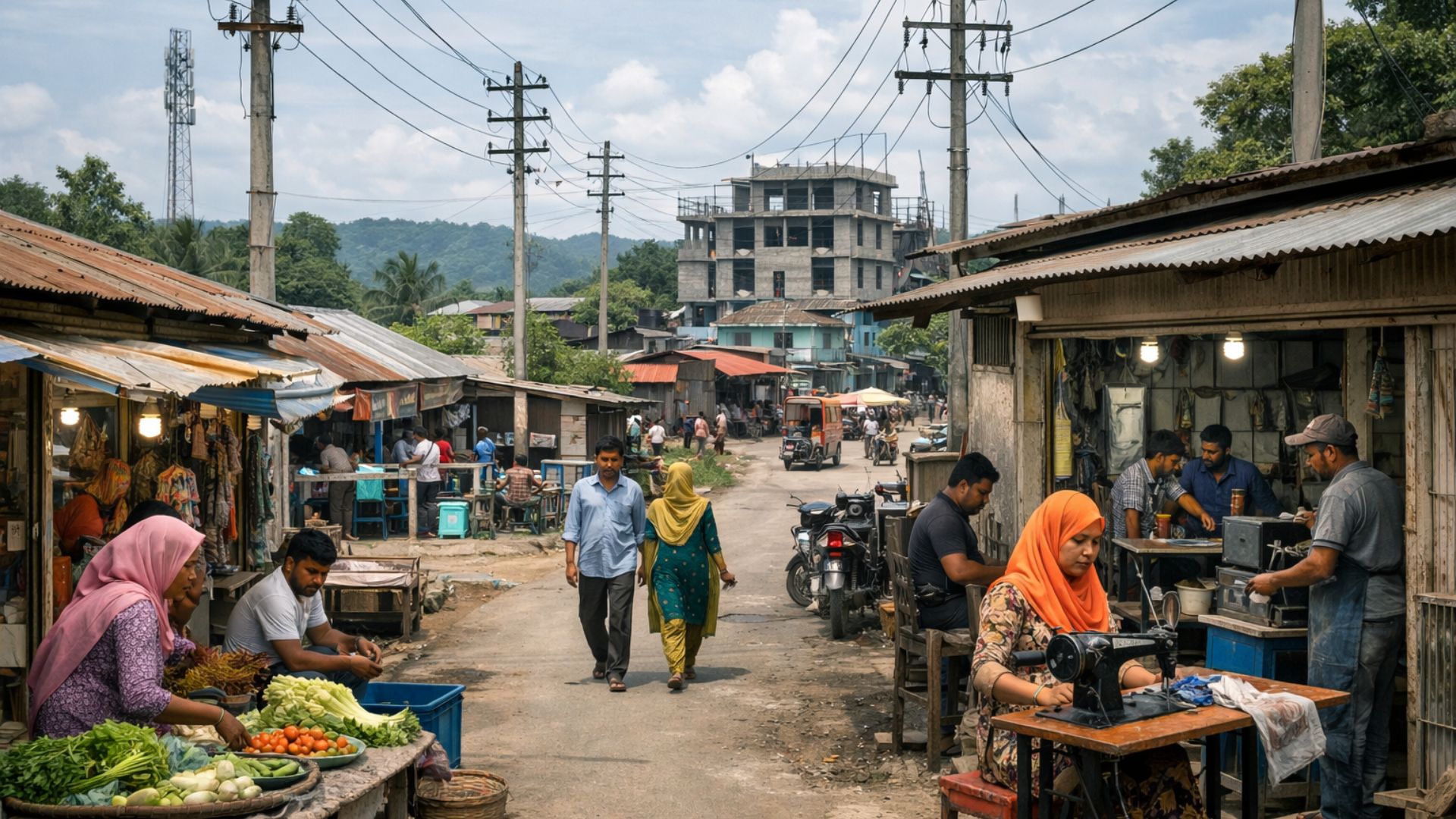
World Bank Data Points to Accelerated Poverty Decline in Bangladesh Since 2010, with Expansion of Basic Services and Electrification. Advancement Coexists with Recent Slowdown and Increased Vulnerability, Keeping the Debate on Jobs and Social Protection at the Center.
Bangladesh lifted 34 million people out of poverty between 2010 and 2022, according to information from the World Bank, in a cycle of improved social indicators and expansion of basic services that caught the attention of international organizations.
In the same period, extreme poverty fell from 12.2% to 5.6% and moderate poverty decreased from 37.1% to 18.7% according to the World Bank’s own assessment based on national poverty lines.
However, this progress came with a warning: since 2016, the pace of poverty reduction has slowed, while a significant portion of the population remains vulnerable to falling back into deprivation due to shocks like illness, natural disasters, or income losses.
-
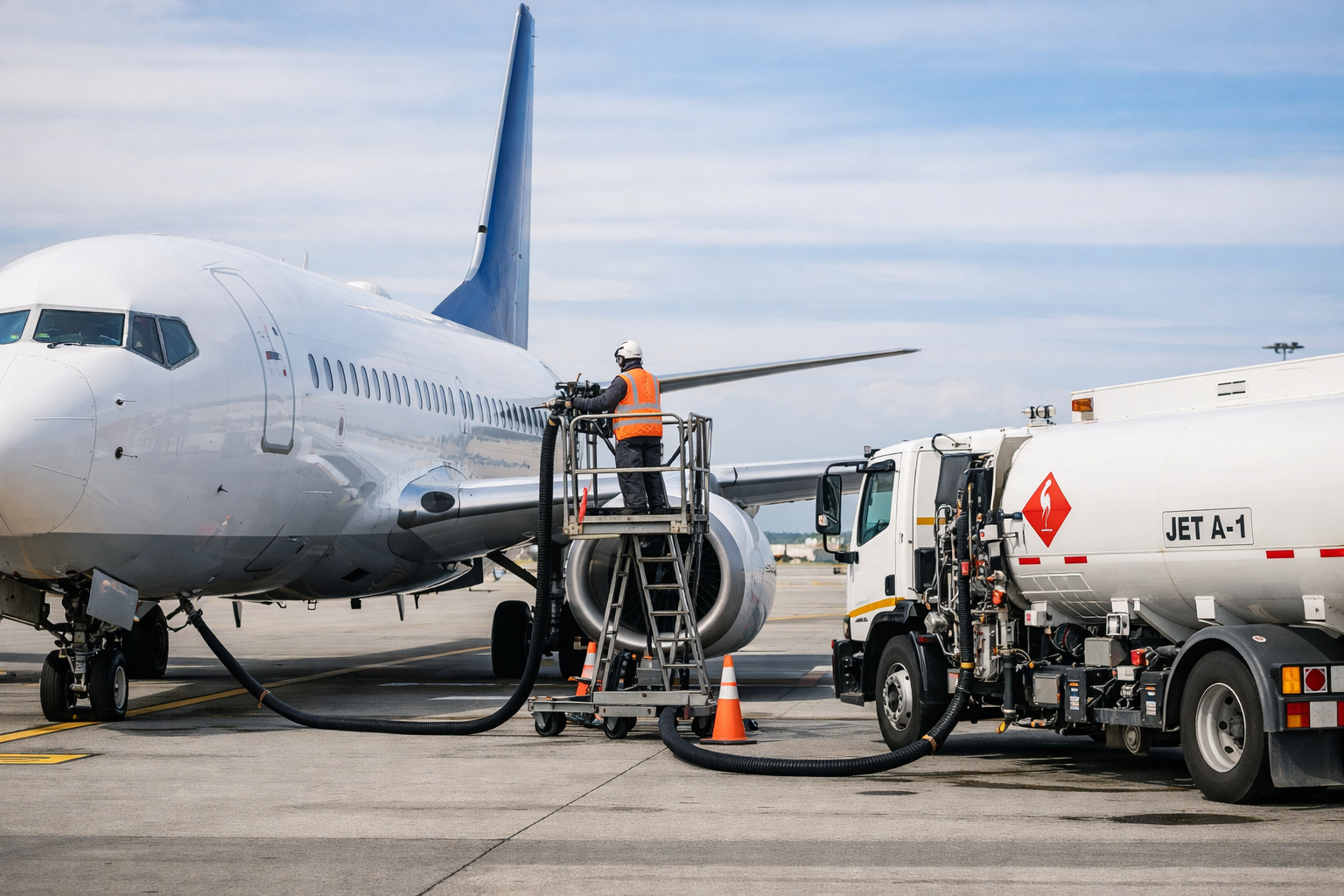
Airfare prices may rise with increasing fuel costs, and the government is considering urgent measures to avoid a direct impact on the wallets of Brazilians.
-
Chocolate prices soar nearly 15% and become a luxury item for Easter 2026, with increases surpassing inflation and changes in Brazilian consumption habits.

-
The Federal Revenue issues a good alert for Brazilian taxpayers: 60.9% are already using the pre-filled tax return, automatic refunds via Pix reach millions, and the government plans for a fully automated income tax in the coming years.

-
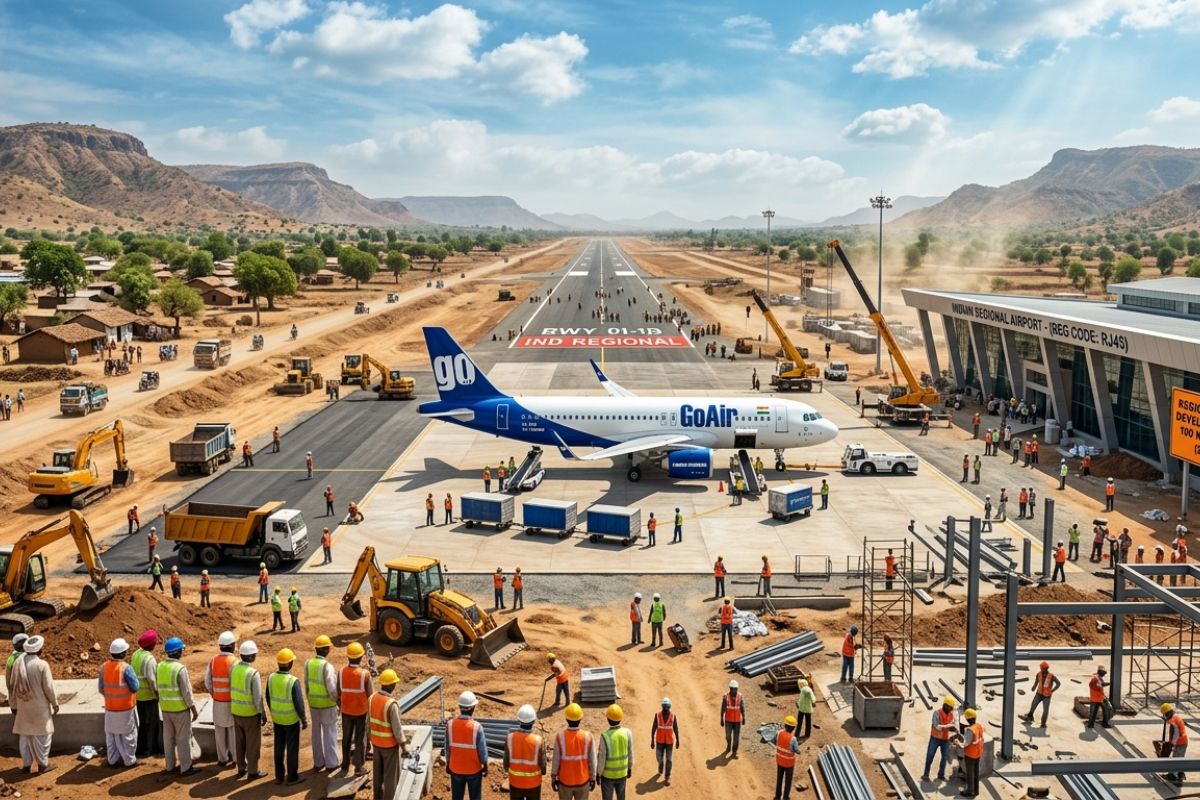
India announces a plan of $3.06 billion to bring aviation to forgotten regions: 100 new airports, $1.07 billion in subsidies, and regional routes guaranteed for 10 years, from 2026 to 2036, away from the centers.

Social Indicators and Expansion of Basic Services
The decline in the number of people living in poverty in Bangladesh occurred alongside structural transformations in a country that, at the beginning of the last decade, was still facing basic infrastructure and service access bottlenecks.

The World Bank associates the improvement in living standards, among other factors, with increased access to electricity, education, and sanitation, elements often treated as prerequisites for increased productivity, social mobility, and income generation.
The outcome was presented as one of the most relevant development landmarks for the country in the 12-year span analyzed, with economic growth sufficient to sustain social gains on a national scale.
Decline of Extreme and Moderate Poverty
Among the indicators used to describe the period, the World Bank highlights that 9 million people exited extreme poverty and 25 million left moderate poverty, in the timeframe from 2010 to 2022.
These figures help explain why Bangladesh has frequently been cited in international comparisons of development: the reduction was not marginal and involved tens of millions of people in a populous country.
At the same time, the bank notes that the trajectory lost momentum starting in 2016, even with continued economic growth, indicating that the progress became less inclusive.
Vulnerability: Risk of Returning to Poverty
This perspective appears explicitly in recent World Bank materials on Bangladesh, which compile data and public policy assessments.
In a summary published on the country’s page, the institution states that Bangladesh “has pulled 34 million people out of poverty since 2010,” but emphasizes that slower and less inclusive growth has left about one-third of the population vulnerable.
In documents and statements regarding poverty and equity assessments, the institution also notes that approximately 62 million people are considered vulnerable to falling back into poverty if they face unexpected shocks, shifting the focus of the debate: beyond lifting people out of poverty, it becomes central to prevent their return.
Mass Electrification and Daily Impact
The role of electrification frequently appears among the factors linked to the improvement in living standards.
The World Bank indicates that the expansion of essential services has gone hand in hand with poverty reduction in the analyzed period.
The logic behind this connection is direct and measurable: electricity facilitates nighttime study, operation of small businesses, access to information and connectivity, as well as allowing for the storage and refrigeration of food and medicine.
The same applies to sanitation and education, which reduce health risks and elevate qualification, with potential effects on income.

In journalistic practice, this type of combination of policies is often described as a “package” of development, but the institution addresses the issue objectively by listing service expansion as part of the improvement scenario.
Jobs and Less Inclusive Growth Since 2016
If the progress was broad, the warning is also.
The World Bank describes that, despite the gains, the country has faced slowdown in poverty reduction since 2016, with increased inequality and weakening of labor incomes in specific segments, such as women and youth, in reports highlighted by local media that echoed the assessment.
In the same vein, the institution points out the need for job creation as a condition to return to a faster pace of poverty reduction and to reduce vulnerabilities.
The recurring message in recent materials is that labor income and the capacity to generate jobs in sufficient quantity and quality are decisive variables to sustain the results.
International Financing and Social Protection
In 2025, this focus on jobs and social protection also appears in publicly announced financing agreements, such as the package of 850 million dollars reported by Reuters, aimed at trade, job creation, and strengthening social protection networks.
In the announcement, the World Bank division that finances low-income countries, the IDA, is cited as the source of the funds, with projects including direct support to vulnerable people and improvements in logistical infrastructure.
This type of initiative reinforces that the agenda for combating poverty is treated as an ongoing policy, with social protection instruments and structural investments coexisting in the same design.
Unexpected Shocks and the Challenge of Maintaining Gains
The data presented by the World Bank also help delineate what has changed and what remains a challenge.
Even with extreme poverty declining between 2010 and 2022, the assessment indicates that there is still a significant number of people in the vulnerable range, not necessarily classified as poor according to national lines, but susceptible to falling back into poverty if they face interruptions in income.
This layer is a sensitive point in countries exposed to natural disasters and climate shocks, a characteristic often cited in analyses of South Asia.
The institution itself associates vulnerability with unexpected events, such as illnesses and natural disasters, without quantifying specific causes as unique determinants.
Phase Change and Slowdown After 2016
Another point highlighted by the World Bank is that the performance has not been homogeneous throughout the entire period.
The assertion that the reduction “has slowed since 2016” delineates a phase change, suggesting that the factors that propelled gains in the early part of the decade may not have remained at the same intensity.
The institution does not describe this inflection as a reversal of the advance recorded between 2010 and 2022, but as a loss of speed and of the inclusive character of growth, which, in practice, increases the relevance of employment policies and social protection mechanisms.
What the Numbers Show About Bangladesh Today
Bangladesh’s recent history, therefore, is narrated by two sets of numbers that coexist: on one hand, the lifting of 34 million people out of poverty since 2010 and the substantial decline of both extreme and moderate poverty rates until 2022; on the other, the slowdown in pace since 2016 and the existence of tens of millions of vulnerable people at risk of falling back into poverty.
For the Brazilian reader, interest often arises when these data connect to concrete elements of daily life, such as access to energy, school, sanitation, work, and protection networks, which appear as conditions described in public assessments by multilateral organizations.
In light of this proven progress and equally documented risks, what measures can a country prioritize when it needs to simultaneously create jobs and prevent millions of people from falling back into poverty?








-

-

2 pessoas reagiram a isso.