





 Portuguese
  English
  Spanish
  5 min of reading
  1 comment


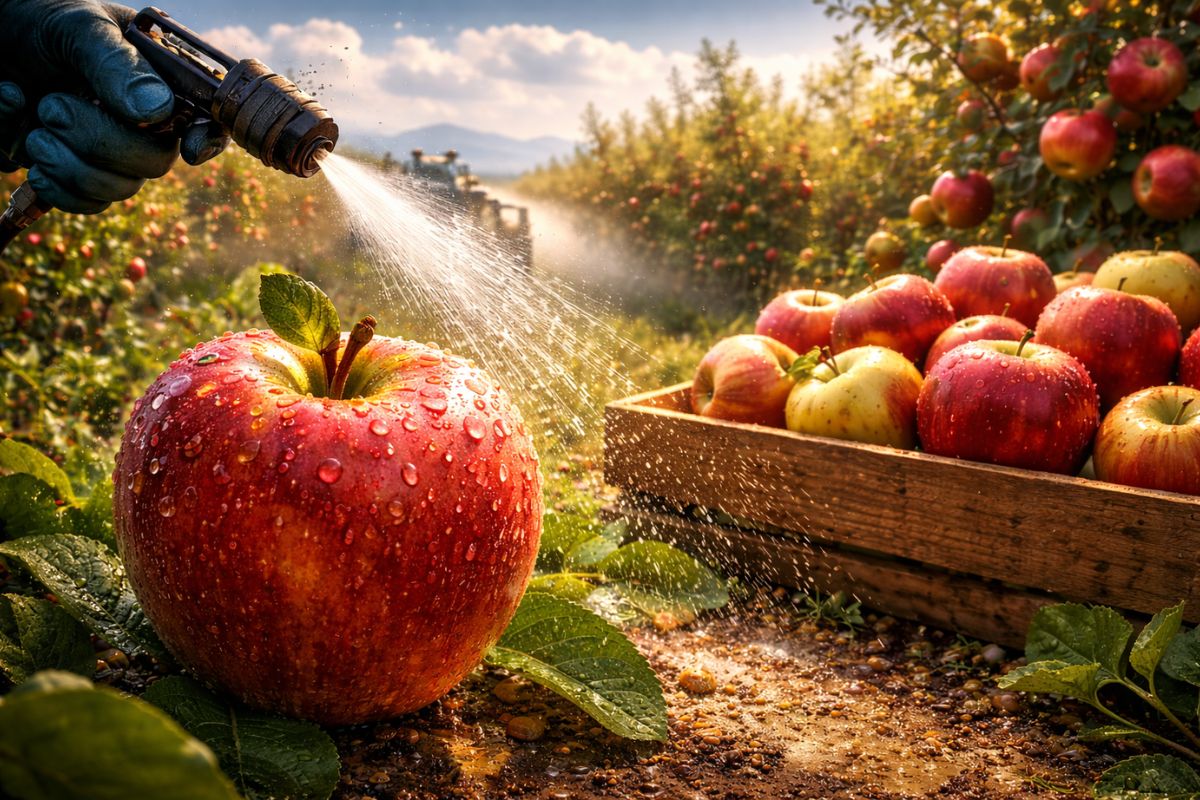


Report Shows That Most Conventional Apples in Europe Hide Mixtures of Up to Seven Chemicals on the Skin, Including Pesticides and PFAS, While Current Regulations Ignore the Cocktail Effect on Health.
When we think about healthy eating, it is common to imagine fresh apples in the fruit bowl, a classic symbol of health care. But a recent report from the NGO Pesticide Action Network Europe, in partnership with 13 other organizations, brings a troubling alert: the vast majority of conventional apples sold in Europe reach supermarkets contaminated by multiple pesticides, some of which are classified as extremely toxic.
By analyzing dozens of apple samples in 13 European countries, the study found residues in almost all of them and revealed a silent practice of intense spraying throughout the year. The result is a true “chemical cocktail” that raises concerns among doctors, parents, and regulators, especially due to the potential impact on children and the fact that current legislation assesses these products almost always in isolation, not in combination.
When Apples Stop Being a Symbol of Health
The report was based on 59 fresh samples of local products collected in September 2025 in 13 European countries, including Spain. National organizations, such as Ecologistas en Acción, helped confirm the results.
-
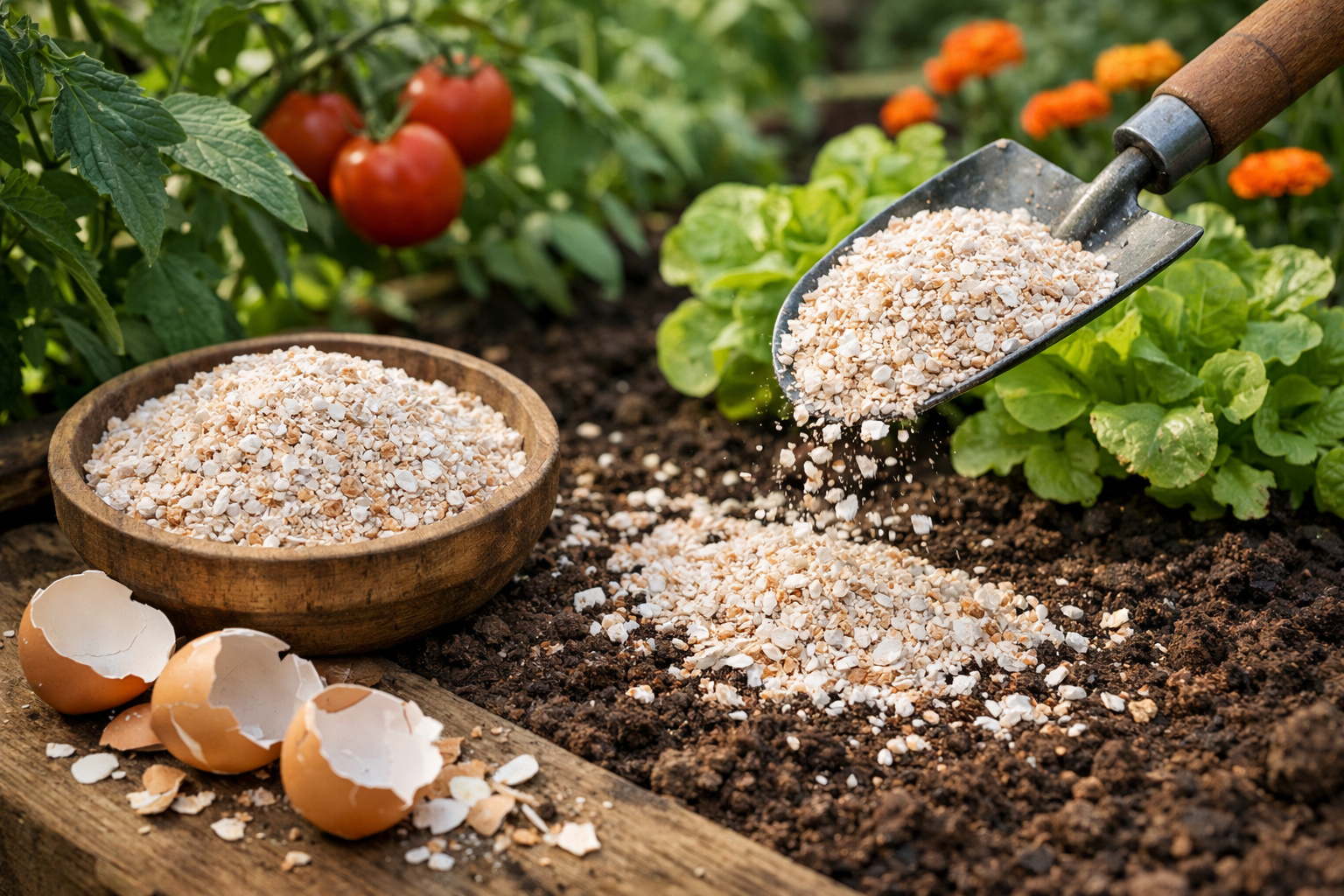
The eggshell that almost everyone throws away is made up of about 95% calcium carbonate and can help enrich the soil when crushed, slowly releasing nutrients and being reused in home gardens and vegetable patches.
-
This farm in the United States does not use sunlight, does not use soil, and produces 500 times more food per square meter than traditional agriculture: the secret lies in 42,000 LEDs, hydroponics, and a system that recycles even the heat from the lamps.

-
The water that almost everyone throws away after cooking potatoes carries nutrients released during the preparation and can be reused to help in the development of plants when used correctly at the base of gardens and pots, at no additional cost and without changing the routine.

-
The sea water temperature rose from 28 to 34 degrees in Santa Catarina and killed up to 90% of the oysters: producers who planted over 1 million seeds lost practically everything and say that if it happens again, production is doomed to end.


The numbers are clear: 93% of the analyzed apples had at least one detectable chemical residue, which means that only 7% were completely free of pesticides.
And the problem does not stop there. In 85% of the apples, more than one pesticide was found, with an average of three different substances per fruit and reaching seven chemicals in the most extreme cases.
By country, the scenario also varies. In Denmark, only about 20% of the samples showed multiple residues. In countries such as Spain, France, and Italy, this number rose to alarming 80%.
The origin of this cocktail in many apples seems to lie in the frequency of application: in some cases, it is estimated that they are sprayed with pesticides up to 30 times a year.
Pesticides and PFAS: What Is Hidden in the Skin of Apples
It is not just the amount of residues that concerns, but also the type of substances present in the apples. According to the report, 71% of the samples contained pesticides listed by the European Union itself as “substances of very high concern”, that is, chemicals considered among the most toxic, which should be gradually removed from the market and replaced with safer alternatives.
Moreover, 64% of the apples had residues of PFAS, the so-called “forever chemicals,” known for their persistence in the environment and in the body. The most frequent was fludioxonil, found in 40% of the samples, a compound identified as an endocrine disruptor.
In practice, this means that a large portion of conventional apples carries a mixture of substances intended to protect the crop, but that remain on the skin and enter the everyday diet, often without the consumer having any clear information about what compounds they are ingesting.
Children at the Center of Concern
A sensitive point of the report is the impact of these mixtures on the child population. The data indicates that 93% of the assessed apples would not meet the stricter legal limits required for the production of processed baby foods.
Children are especially vulnerable because their bodies are still developing, including the liver, which is responsible for metabolizing toxic substances.
This makes the fact that apples, often seen as “harmless” snacks and recommended in children’s diets, are loaded with residues that, in other contexts, would be restricted much more rigorously, even more concerning.
The Cocktail Effect That Legislation Ignores
In the face of this situation, an inevitable question arises: if there are so many substances in the apples, why are they still legally sold? The answer lies in how the European Food Safety Authority (EFSA) assesses risks.
Today, the EFSA analyzes each pesticide individually, checking if the concentration of each compound, in isolation, is below legal limits.
The Annual Report on Pesticide Residues in the European Union itself points out that exceedances of standards are rare when looking at substances individually.
The problem is the “cocktail effect.” When three, four, or more toxic chemicals appear together on the same fruit, their effects can add up or even multiply, even if each one, alone, is within the norm.
Current regulations still do not fully incorporate this cumulative risk logic, despite the European Union having, for about two decades, a legal mandate to assess the combined impact of residues.
To worsen the situation, the report points out that, by the end of 2025, the European Commission proposed measures that may further weaken the assessment of these cumulative effects, instead of making it more rigorous.
Contaminated Apples Are Not an Isolated Fact
The study by the Pesticide Action Network Europe is not an outlier. Other entities, such as the Consumers and Users Organization of Spain (OCU), had already released analyses showing high levels of toxic residues in certain foods, including commonly consumed fruits.
The EFSA itself, in its databases, records year after year the presence of combinations of pesticides in monitored samples.
In practice, the multiple contamination of apples and other foods is well known, but this rarely translates into disapproval of the samples, because the checks continue to be focused on compliance with the individual limits of each substance.
What Consumers Can Do Today
While the regulatory debate does not keep pace with scientific discoveries, environmental organizations and experts point out an immediate path for those who want to reduce exposure: prioritize organic apples whenever possible.
Studies cited by the report indicate that these fruits, when grown in organic systems, are often free from the residues found in conventional versions.
This does not mean that all conventional apples are automatically “dangerous,” but that there is a mismatch between the image of healthy food and the chemical reality of the skin of these fruits.
Between relying only on the individual limits of each pesticide and considering the combined impact of several chemicals, science and public health tend to value the latter approach.
While regulators discuss how to deal with the cocktail effect in the coming years, the choice between conventional apples and organic apples ends up in the hands of the consumer, who needs to balance price, access, and perceived risk level.
After learning about this dark side of European apples, do you think you’ll prioritize organic apples more or still trust the conventional apples from supermarkets?








E no Brasil e América do Sul como estão os níveis de pesticidas nas maçãs?