





 Portuguese
  English
  Spanish
  5 min of reading
  0 comments


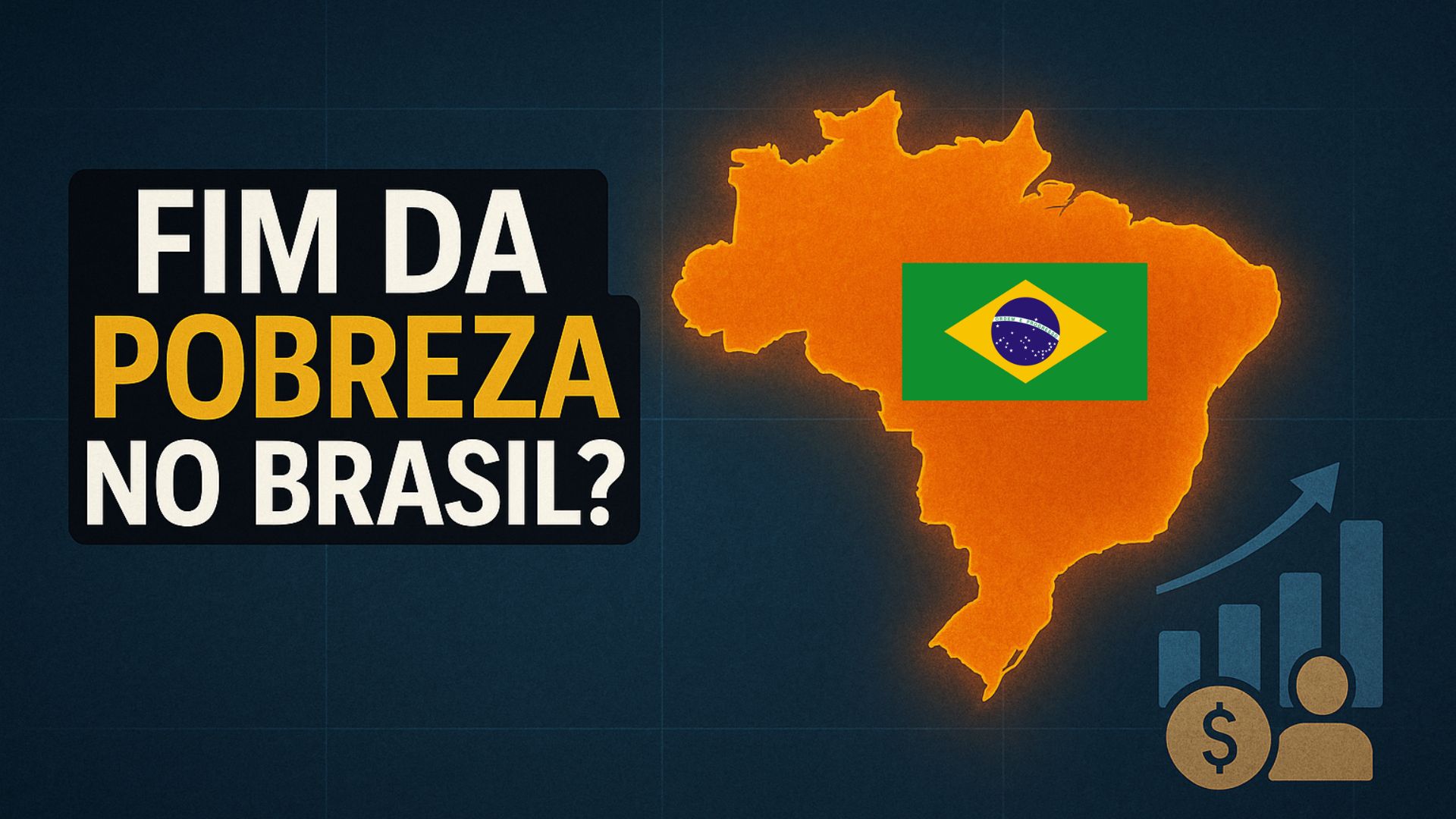
Advances In The Fight Against Poverty Mark 2024 With Sustained Income Growth, Historic Decline In Inequality, And Direct Impact Of Social Programs And Recovery Of The Labor Market.
More Than 8.6 Million Brazilians Left The Poverty Line Between 2023 And 2024, According To The Synthesis Of Social Indicators From IBGE.
As A Result, The Proportion Of The Population In Poverty Fell From 27.3% To 23.1%, The Lowest Level Since The Beginning Of The Historical Series In 2012.
During The Same Period, About 1.9 Million People Exited Extreme Poverty, And The Country Recorded The Lowest Income Inequality Index In The Series, With The Gini Index At 0.504.
-
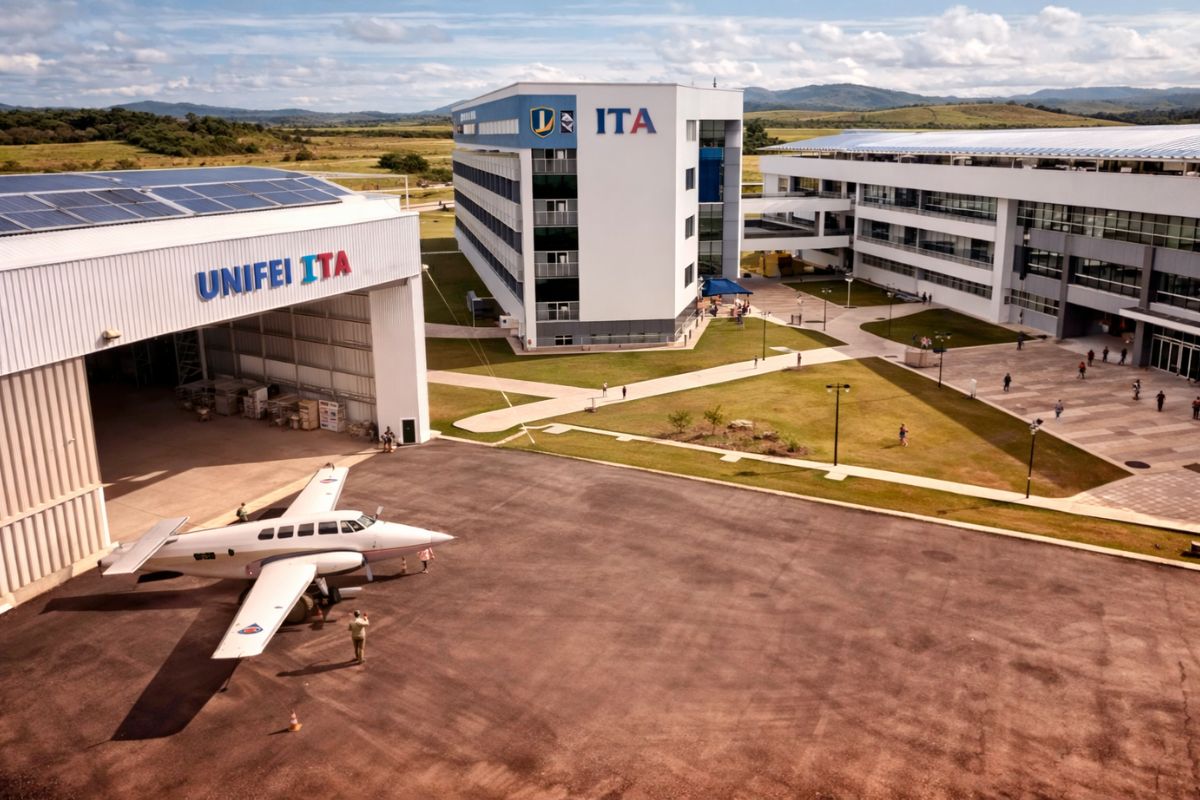
The institute that trained the greatest aerospace engineers in Brazil has just opened its first campus outside São Paulo after 75 years: ITA Ceará will have R$ 445 million, new courses in energy and systems, and classes are expected to start in 2027.
-
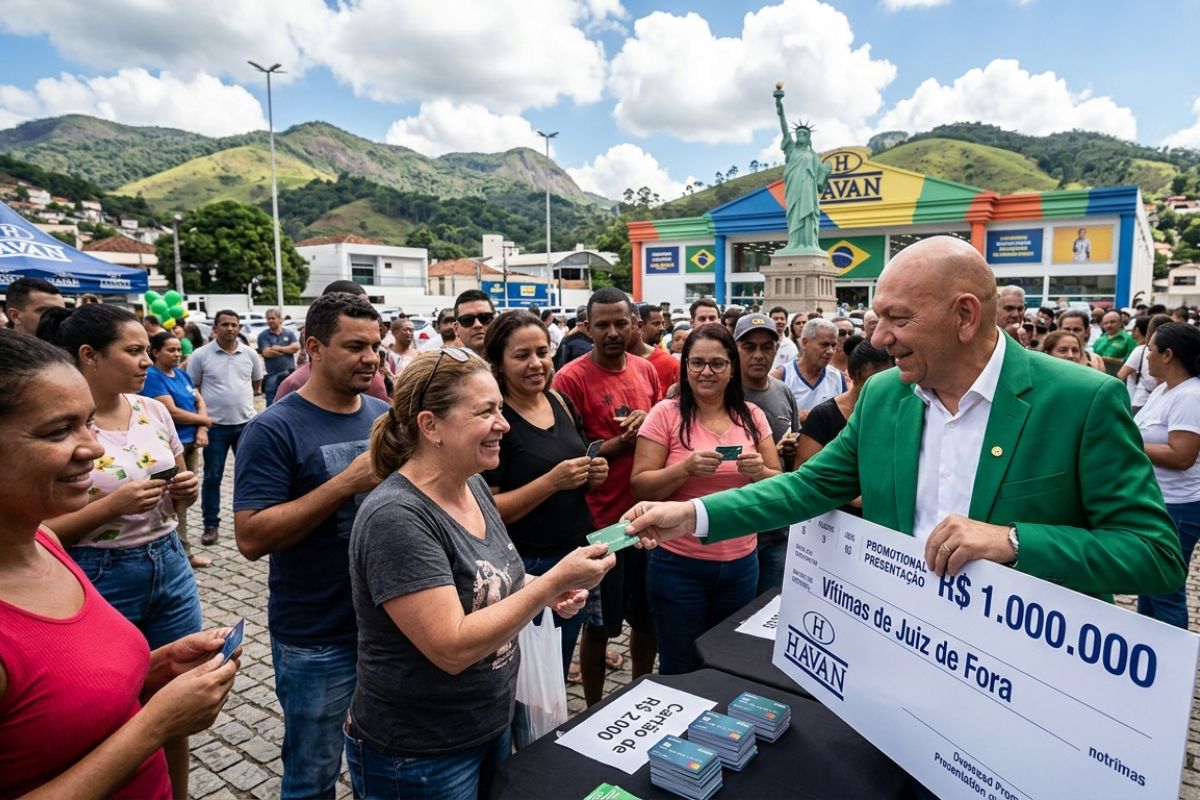
Luciano Hang, owner of Havan, goes to Juiz de Fora after the tragedy in February, brings R$ 1 million, hands out R$ 2,000 cards, and donates up to R$ 15,000 to victims in the region.
-
The Brazilian passport allows legal residence in dozens of countries without the need for a prior visa, and most Brazilians are unaware that they can apply for residency directly upon arriving in nations in South America, Africa, and even Europe.

-
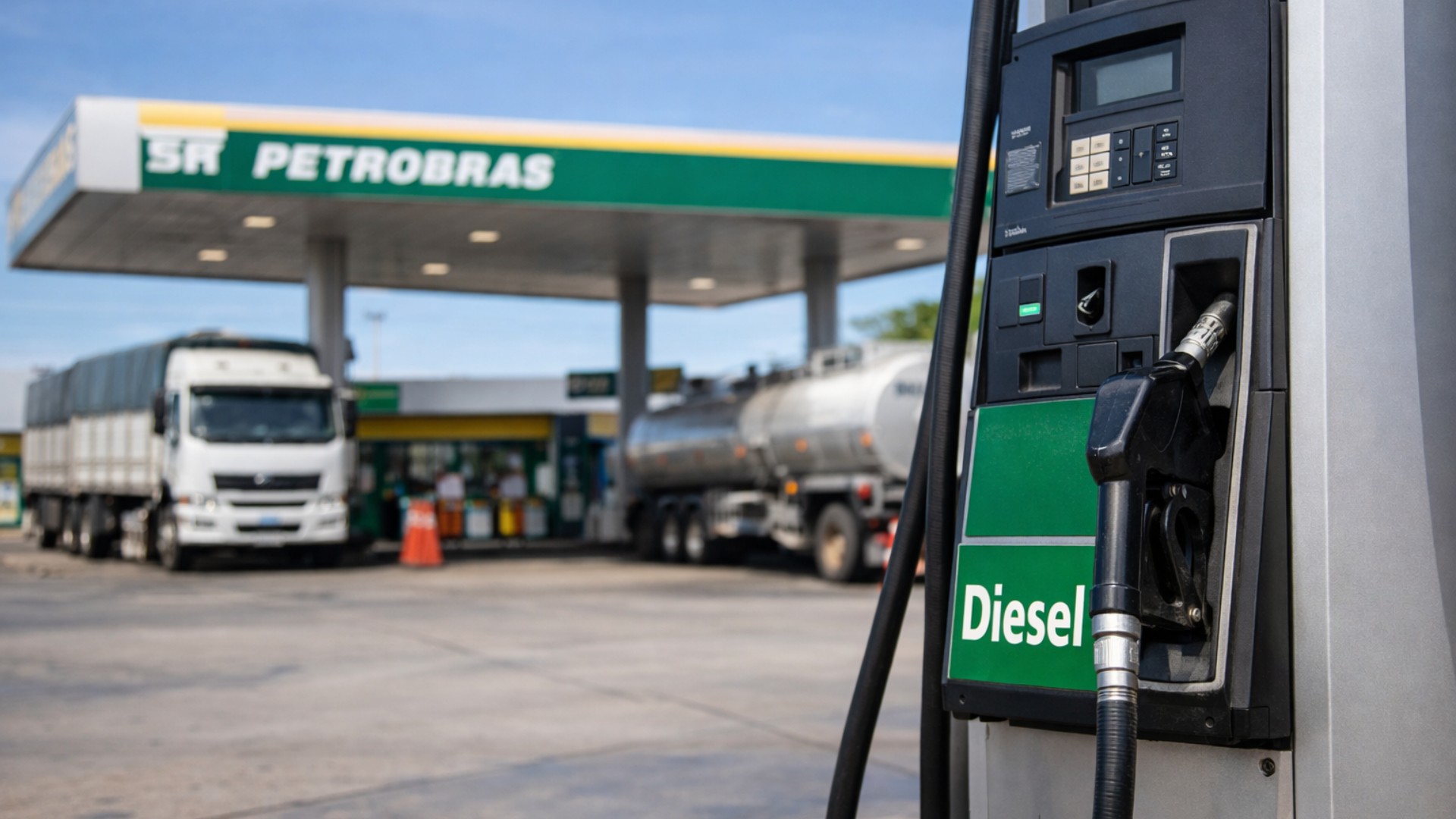
Petrobras sends a message to Brazilian truck drivers after fuel collapse and reveals plan to have 100% domestic diesel.

According To The Survey, Brazil Had In 2024 About 48.9 Million People Considered Poor, That Is, With Disposable Income Below US$ 6.85 Per Day, Which Is About R$ 694 Monthly Per Person, Adjusted For Values.
A Year Earlier, The Number Of People In This Condition Was 57.6 Million Brazilians.
In Extreme Poverty, Defined As Income Of Up To US$ 2.15 Per Day (Approximately R$ 218 Per Month), The Total Fell From 9.3 Million In 2023 To 7.4 Million In 2024.
Decline Of Poverty In Brazil
The New Edition Of The Research Confirms A Social Recovery Movement Following The Strongest Impact Of The COVID-19 Pandemic.
The Data Shows Three Consecutive Years Of Decline In The Number And Proportion Of Poor People, After The Indicator Reached Its Highest Point In 2021.
In 2012, The First Year Of The Series, 68.4 Million Brazilians Were Below The Poverty Line, Equivalent To 34.7% Of The Population.
In 2019, The Last Year Before The Pandemic, There Were 67.5 Million (32.6%).
In 2020, Under The Impact Of Emergency Income Measures, This Number Dropped To 64.7 Million, Or 31.1%.
The Advance Of COVID-19 And The Crisis In The Labor Market Caused Poverty To Soar In 2021, When The Country Recorded About 77 Million People In This Condition, Or 36.8% Of The Population.
From 2022 Onward, The Indicator Started A Declining Trend, Falling To 66.4 Million (31.6%), Then 57.6 Million In 2023, And Finally 48.9 Million In 2024.
Social Programs And Employment

IBGE Attributes The Recent Movement To A Combination Of Income Transfer Policies And Improvements In The Labor Market.
Researcher André Geraldo De Moraes Simões, Responsible For The Study, Reminds Us That At The Beginning Of The Pandemic, Poverty Actually Fell With The Implementation Of The Emergency Aid Paid By The Federal Government.
According To Him, When The Benefit Was Resumed In 2021, The Amount Was Lower And Access More Restricted, While The Economy Had Not Yet Recovered.
These Conditions Caused Poverty To Rise Again.
From 2022 On, The Scenario Changed.
The More Robust Economic Recovery Opened Up Space For Job Creation And Increased Occupation, While The Income Transfer Programs Were Strengthened.
Simões Highlights That Both The Booming Labor Market And Social Benefits, “Mainly Bolsa Família And Auxílio Brasil, Which Received Higher Amounts And Expanded The Group Of The Population That Received Them,” Helped Reduce The Number Of People With Very Low Income.
In The Second Half Of 2022, Auxílio Brasil Began Paying A Minimum Amount Of R$ 600 Per Family.
In 2023, The Program Returned To Be Called Bolsa Família, Maintaining The Minimum Benefit And Adding Supplements For Families With Children And Adolescents.
Extreme Poverty On The Decline
In Addition To The Reduction In Overall Poverty, The Study Shows A Significant Decline In Extreme Poverty.
In 2023, 4.4% Of The Population Lived On Less Than US$ 2.15 Per Day.
In 2024, The Percentage Fell To 3.5%, The Lowest In The Series Begun In 2012.
In That First Year, 6.6% Of Brazilians Were In Extreme Poverty.
In 2021, At The Height Of The Pandemic’s Effects On Income, The Index Reached 9%, The Equivalent Of 18.9 Million People.
In Comparison, The Total Of 7.4 Million Recorded In 2024 Represents A Drop Of Over 11 Million People Compared To The Peak In 2021.
Regional Inequality In The Country
Despite The Improvement In National Indicators, The Survey Reinforces That Poverty Continues To Be Unequally Distributed Across Brazilian Territory.
The North And Northeast Regions Continue To Have Rates Well Above The National Average In Both Poverty And Extreme Poverty.
While The Proportion Of Poor People In Brazil Stood At 23.1%, The Northeast Recorded 39.4% Of Its Population In This Condition.
In The North, The Rate Reached 35.9%.
In The South, The Index Was 11.2%, Followed By The Midwest (15.4%) And Southeast (15.6%).
This Pattern Also Repeats In Extreme Poverty.
The National Average Of 3.5% Contrasts With 6.5% In The Northeast And 4.6% In The North.
The Other Regions Showed Lower Proportions.
According To André Simões, These Are “The Most Vulnerable Regions Of The Country,” Which Reflects In The Labor Market And The Quality Of Occupation.
Racial Inequality In Brazil
The Analysis By Race And Color Shows That The Improvement In Indicators Does Not Eliminate Structural Inequality.
Among White People, 15.1% Were Considered Poor In 2024, And 2.2% Were In Extreme Poverty.
Among Black Individuals, Poverty Affected 25.8%, And Extreme Poverty Affected 3.9%.
In The Brown Population, The Percentages Were 29.8% And 4.5%, Respectively.
The Data Indicates That Black And Brown Individuals Remain More Exposed To The Lowest Income Ranges.
Gini Index At Historic Levels
The Synthesis Of Social Indicators Also Updates The Gini Index, A Measure Used To Assess Income Inequality.
In 2024, The Brazilian Gini Stood At 0.504, Below The 0.517 Observed In 2023.
Although The Level Still Indicates Strong Concentration Of Income, The Decline Suggests Progress In Reducing Disparities.
To Measure The Effect Of Social Policies, IBGE Calculated A Hypothetical Gini Without Programs Such As Bolsa Família And Continuous Cash Benefit.
In This Scenario, The Index Would Reach 0.542, Highlighting The Role Of These Initiatives In Compressing Inequality.
Income Of The Elderly And Informality
Another Exercise Of The Study Analyzes The Condition Of People Aged 60 Or Older Without Pension Benefits.
If Pensions And Retirement Benefits Were Excluded, Extreme Poverty In This Age Group Would Jump From 1.9% To 35.4%, And Poverty Would Increase From 8.3% To 52.3%.
The Survey Also Highlights The Difference Between Formal And Informal Workers.
Among Those Employed Without A Formal Contract, 20.4% Lived Below The Poverty Line.
Among Workers With A Formal Contract, The Proportion Was 6.7%.
With Poverty And Inequality On The Decline, The Debate Shifts To The Sustainability Of This Progress And The Ability To Maintain It Even In The Face Of New Economic Cycles.
To What Extent Can These Changes Shape The Social Future Of The Country?









-

-

-

7 pessoas reagiram a isso.