





 Portuguese
  English
  Spanish
  5 min of reading
  0 comments


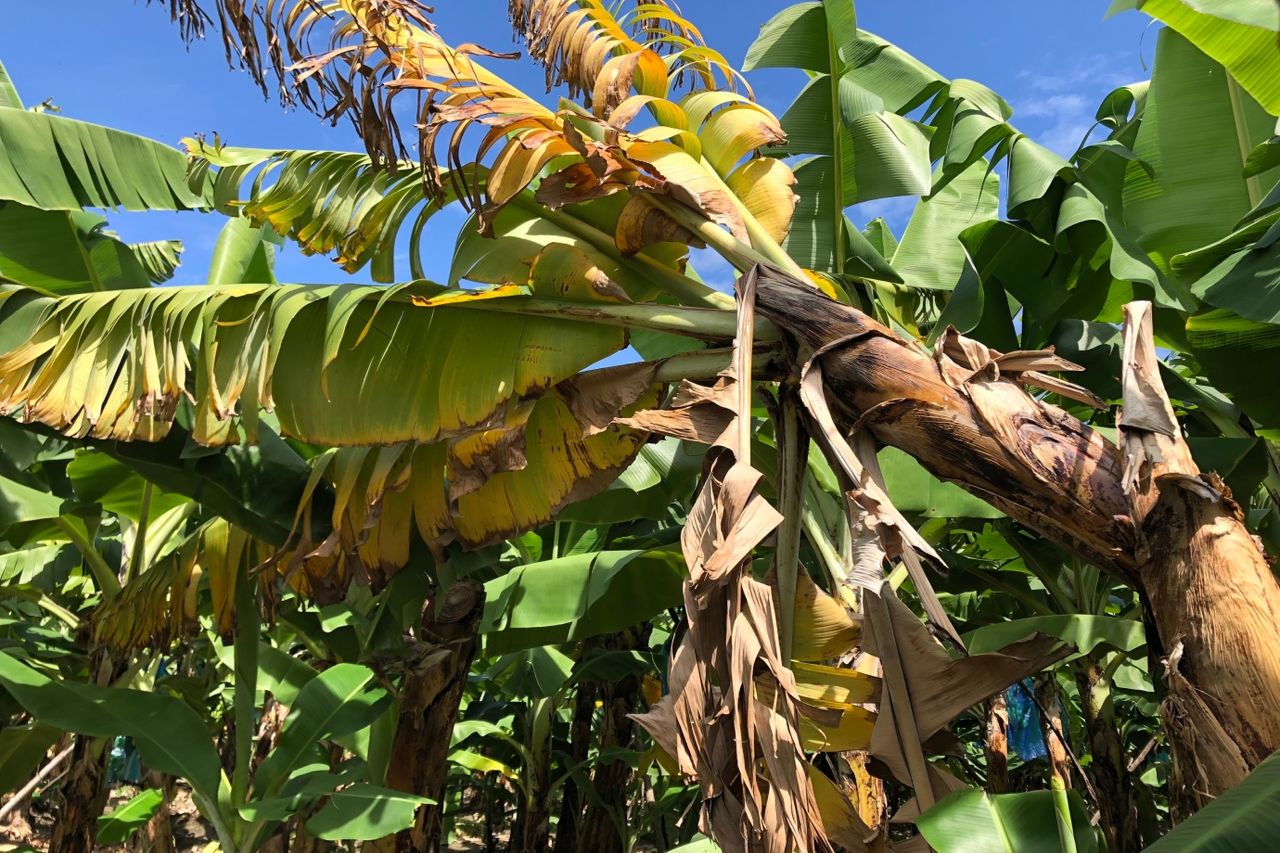
A Highly Aggressive Fungus Is Already Threatening Up to 30% of Global Banana Production, Spreading Across Three Continents and Endangering Food Security for Hundreds of Millions of People.
What seems like a localized agricultural problem has become, in the last decade, one of the biggest silent threats to global food security. A microscopic organism, invisible to the naked eye, has been spreading through entire farms, destroying crops, bankrupting producers, and raising alarms in governments, universities, and international organizations. This is Fusarium oxysporum forma special cubense, tropical race 4, known as TR4 — the agent of the so-called Panama Disease, now considered the biggest threat ever recorded to global banana production.
Bananas are not just an occasional fruit. They represent the daily food base for over 400 million people, especially in Latin America, Africa, and Southeast Asia. In several tropical regions, it is a direct source of calories, income, and economic stability. The advance of TR4 threatens to abruptly and irreversibly disrupt this balance.
What Is the TR4 Fungus and Why Is It So Dangerous
TR4 is an extremely aggressive variant of a soil fungus that attacks the vascular system of the banana plant. It enters through the roots, blocks the transport of water and nutrients, and causes the plant to progressively wilt until its complete death.
-
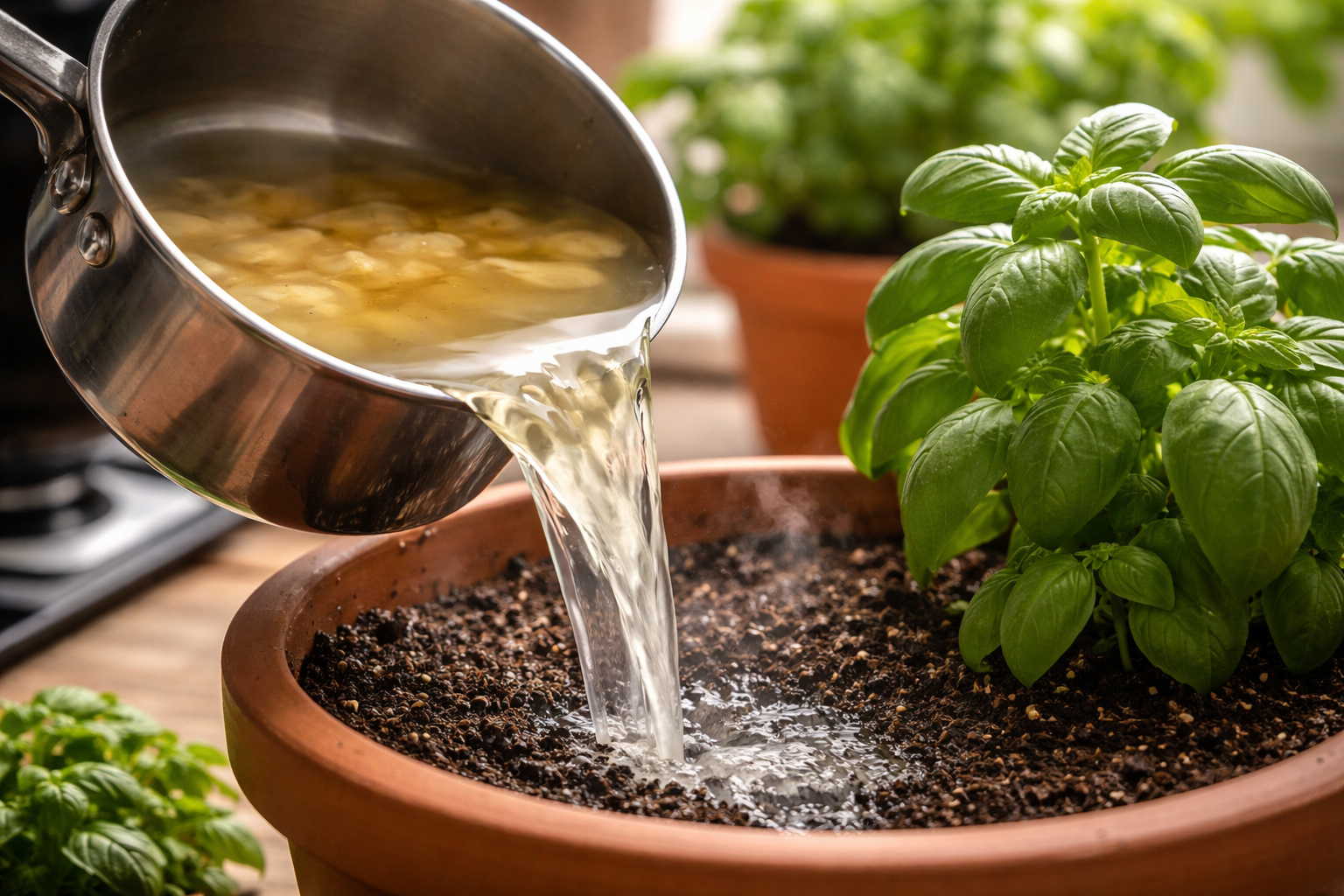
The water that almost everyone throws away after cooking potatoes carries nutrients released during the preparation and can be reused to help in the development of plants when used correctly at the base of gardens and pots, at no additional cost and without changing the routine.
-
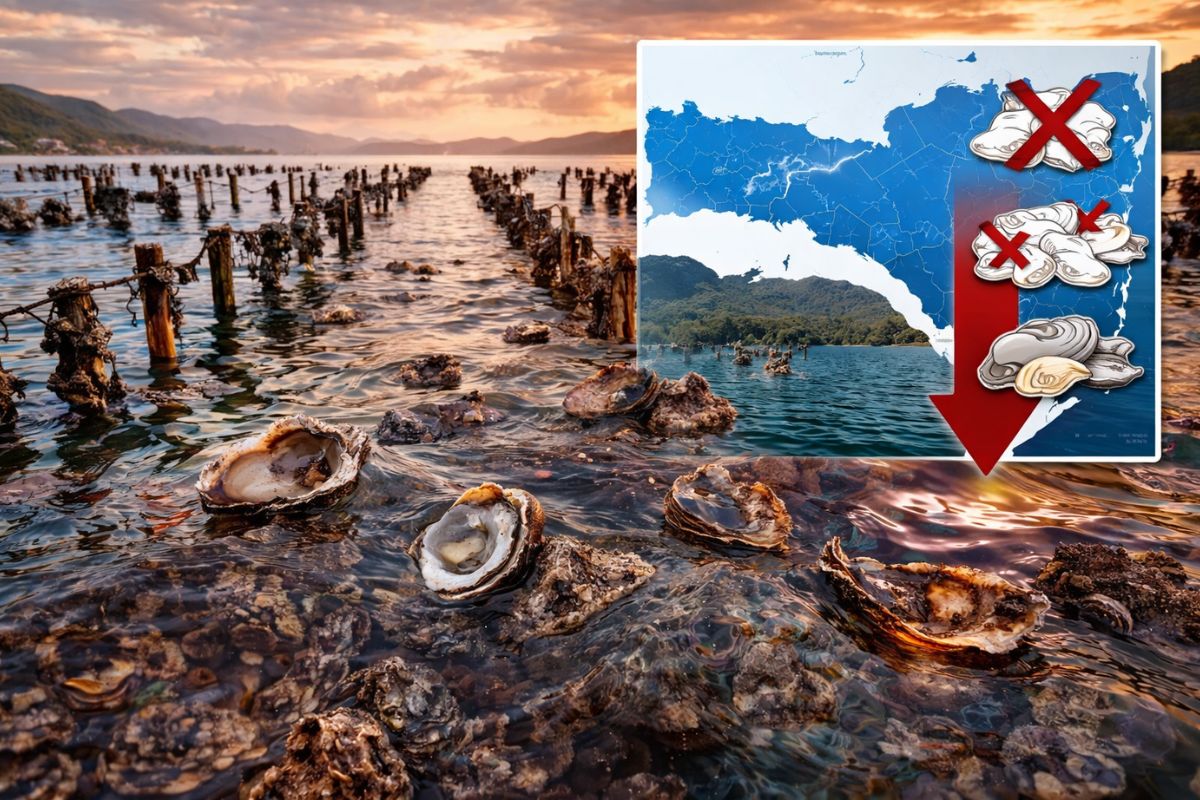
The sea water temperature rose from 28 to 34 degrees in Santa Catarina and killed up to 90% of the oysters: producers who planted over 1 million seeds lost practically everything and say that if it happens again, production is doomed to end.
-
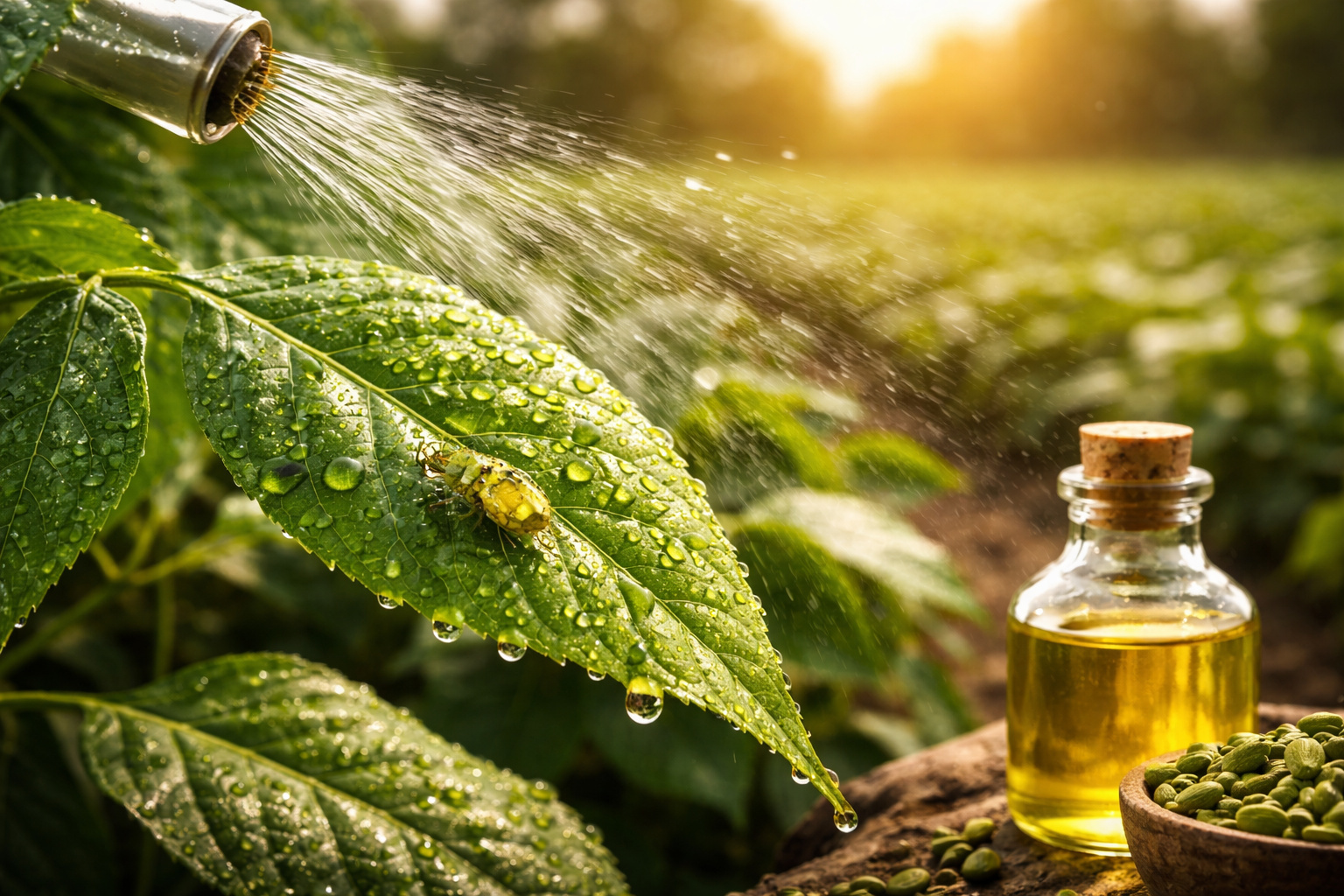
An Indian tree that grows in the Brazilian Northeast produces an oil capable of acting against more than 200 species of pests and interrupting the insect cycle, gaining ground as a natural alternative in soybean, cotton, and vegetable crops.
-
The rise in oil prices in the Middle East is already affecting Brazilian sugar: mills in the Central-South are seeing their margins shrink just as ethanol gains strength.
The most alarming aspect is that, once established in the soil, the fungus can remain viable for decades, even in the absence of host plants.
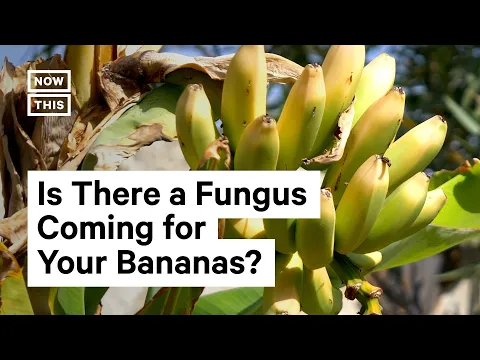

Unlike conventional pests, TR4 cannot be combated with fungicides, pesticides, or traditional chemical treatments. There is no known cure. The only effective measure is the strict isolation of the contaminated area and the complete eradication of affected plants, turning local outbreaks into permanent production losses.
Studies published in journals such as Nature and Scientific Reports indicate that the fungus has a high capacity for adaptation and resistance, surviving in different types of soil, climates, and farming systems. This explains its rapid geographic expansion in recent years.
How Panama Disease Spread Worldwide
Historically, Panama Disease had already caused a global collapse in the banana sector in the 20th century when a previous variant of the fungus nearly wiped out the Gros Michel variety, then dominant in the international market. The substitution by the Cavendish banana avoided a greater collapse, but created a dangerous dependency on a single genetic variety.

TR4 breached this barrier. It attacks Cavendish directly, which today accounts for the majority of bananas exported and consumed worldwide.
The fungus was initially identified in Southeast Asia but rapidly advanced to the Middle East, Africa, Oceania, and more recently, Latin America — a region responsible for a large part of global exports.
FAO reports indicate that TR4 has already been confirmed in countries such as the Philippines, Indonesia, Vietnam, China, Mozambique, Jordan, Colombia, Peru, and Venezuela. The arrival in Latin America triggered a maximum alert, as the region concentrates extensive monocultures highly vulnerable to the disease.
The Real Risk to Global Banana Production
Technical projections indicate that up to 30% of global banana production may be impacted in the coming decades if the advance of TR4 is not contained. In absolute terms, this represents tens of millions of tons of lost food per year, with a direct impact on prices, supply, and social stability in countries dependent on the crop.
FAO classifies TR4 as a systemic threat, as it does not only affect large exporters. Small farmers, responsible for local livelihoods in various regions of Africa and Asia, are the most vulnerable. A contaminated plantation often means total loss of family income for generations.
Moreover, soil contamination prevents future replanting, making entire areas unproductive for bananas for an indefinite period. In some regions of Southeast Asia, vast agricultural expanses have already been abandoned.
Why There Is No Chemical Cure for TR4?
The main scientific challenge lies in the biology of the fungus. It lives within the plant tissues and in the soil, protected from external agents. Conventional fungicides cannot reach it without causing severe environmental damage or rendering cultivation unviable.
Research at universities and agricultural centers is trying to develop resistant varieties through genetic improvement and biotechnology. However, these processes are slow, expensive, and still do not guarantee durable resistance, as the fungus continues to evolve.
Studies published in Nature highlight that the low genetic diversity of commercial bananas facilitates the spread of the disease. Practically speaking, the global production system has created ideal conditions for the dissemination of TR4.
What Is Being Done to Contain the Advance
Governments and international organizations have adopted extreme biosafety measures. Sanitary barriers, strict control of seedlings, disinfection of equipment, and restrictions on the movement of people in agricultural areas have become routine in affected countries.
FAO coordinates global monitoring programs, while research centers seek resistant varieties and strategies for coexistence with the fungus. Still, experts admit that complete eradication is unlikely. The current goal is to slow down the spread and buy time for structural solutions.
A Global Alert That Goes Beyond Bananas
The advance of TR4 exposes a greater fragility of the global food system: the dependence on genetically uniform monocultures. The case of the banana has become a classic example of how productive efficiency, when taken to extremes, can generate catastrophic vulnerabilities.
More than an agricultural crisis, Panama Disease represents a test for the global capacity to protect staple foods in the face of invisible, persistent, and immediate biological threats.
If the world does not diversify crops, invest in science, and rethink its agricultural models, the question ceases to be whether bananas will be affected — and becomes which essential food will be next on the risk list.







-

Uma pessoa reagiu a isso.