





 Portuguese
  English
  Spanish
  4 min of reading
  0 comments


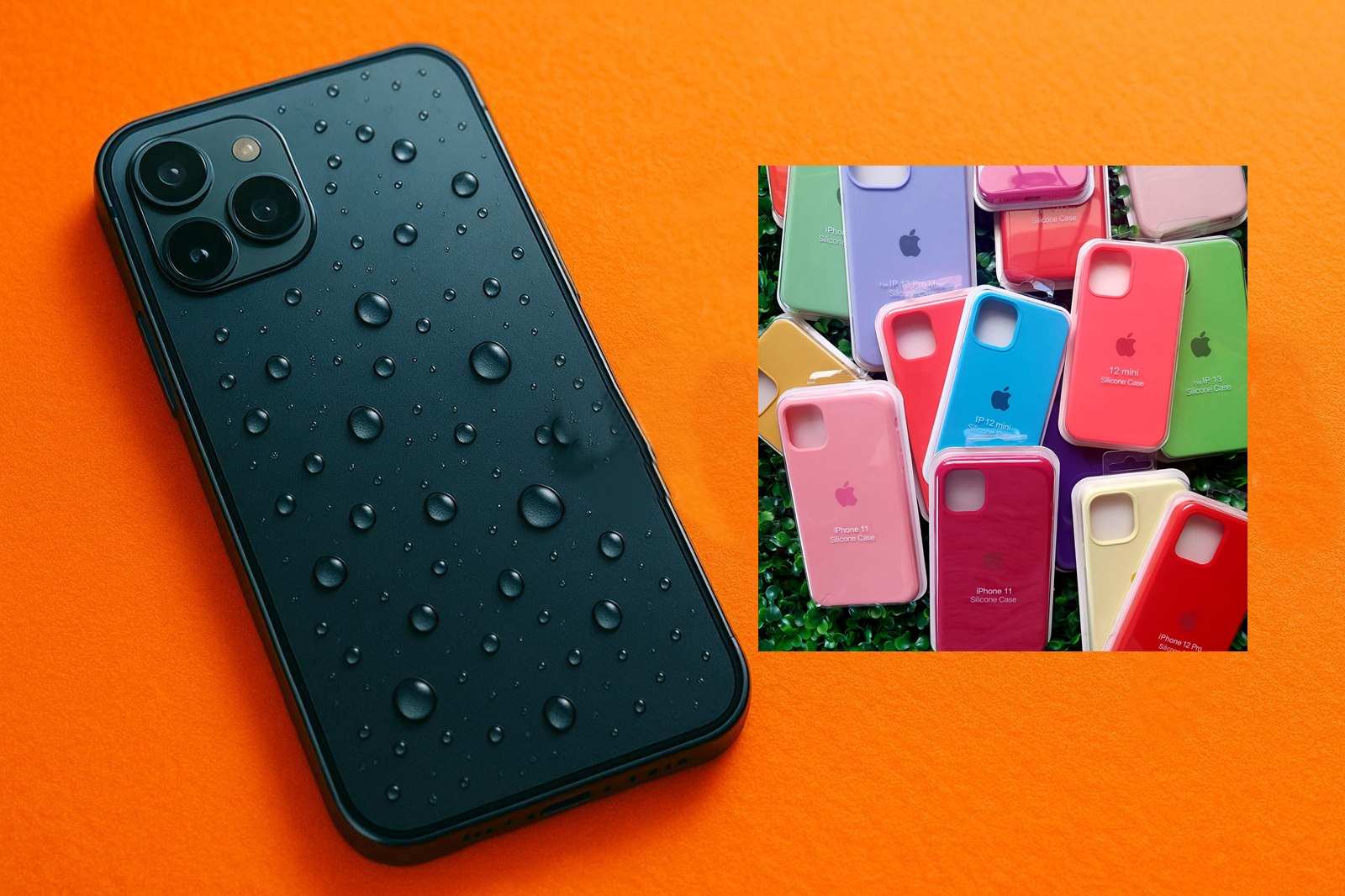
More Durable Smartphones Hit the Market with Reinforced Glass, Metal Bodies, and IP68 Certification, but Cases Remain Strong for Cost and Style.
In recent years, cellphones have transitioned from being merely fragile and delicate devices to true examples of advanced engineering. However, even with technological advancements, cases continue to be essential.
They serve not only to protect the devices but also to sustain an economic chain involving thousands of independent sellers and small merchants in Brazil.
Manufacturers like Apple, Samsung, Motorola, and Xiaomi have been heavily investing in more durable materials, smart designs, and extra protections.
-
USS Gerald R. Ford: the floating city of $13 billion where 5,000 sailors serve 17,000 meals a day, sleep in stacked bunks, take 10-liter showers, and keep 75 fighter jets ready.

-
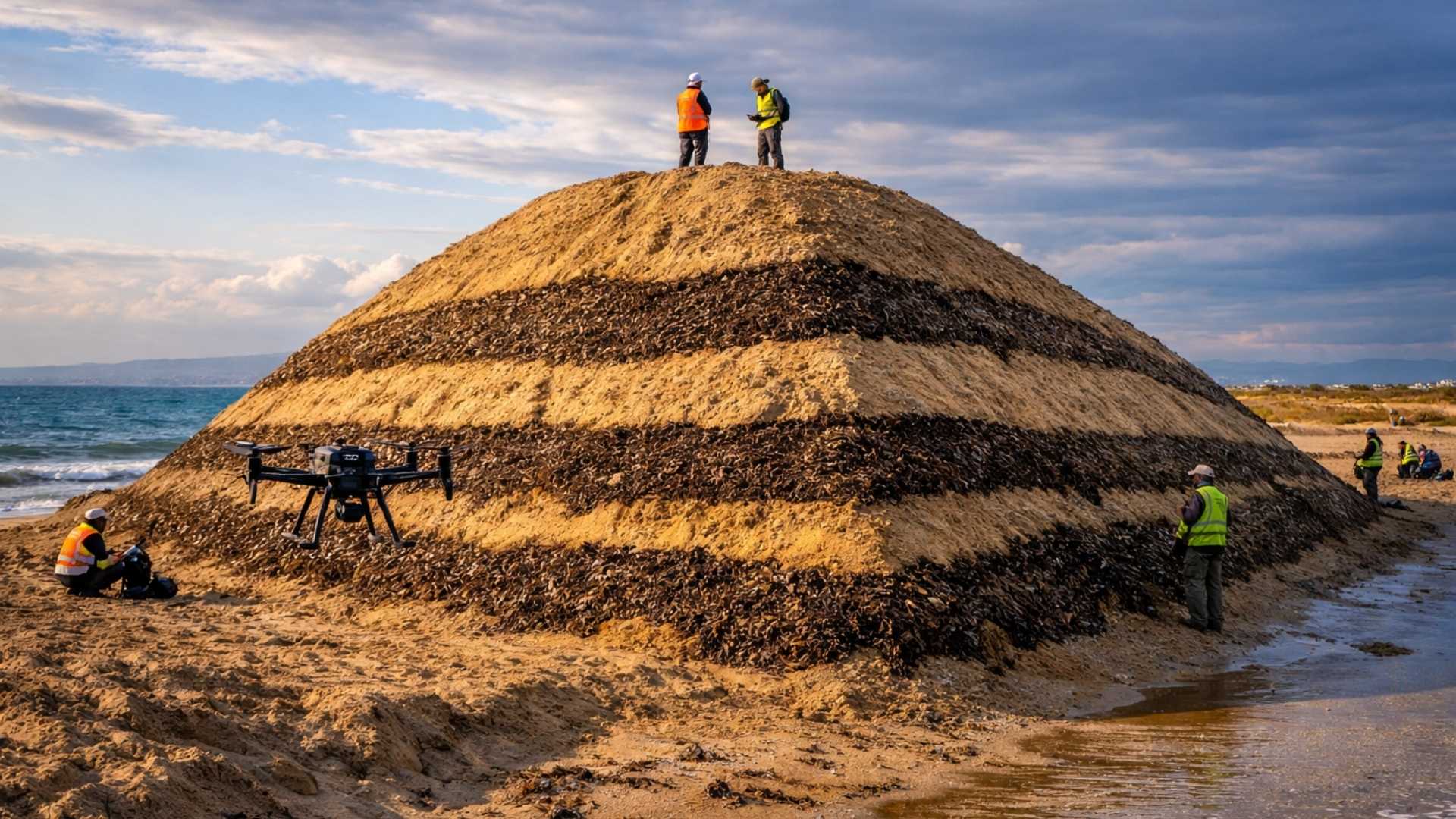
Spain surprises the world by erecting 62 artificial dunes, mixing sand with natural remains of posidonia, and causing the structure to lose only 1.4% of its volume in 1 year.
-
Meta and YouTube condemned for addiction to social media: ruling links the operation of the platforms to the worsening of anxiety and depression.

-
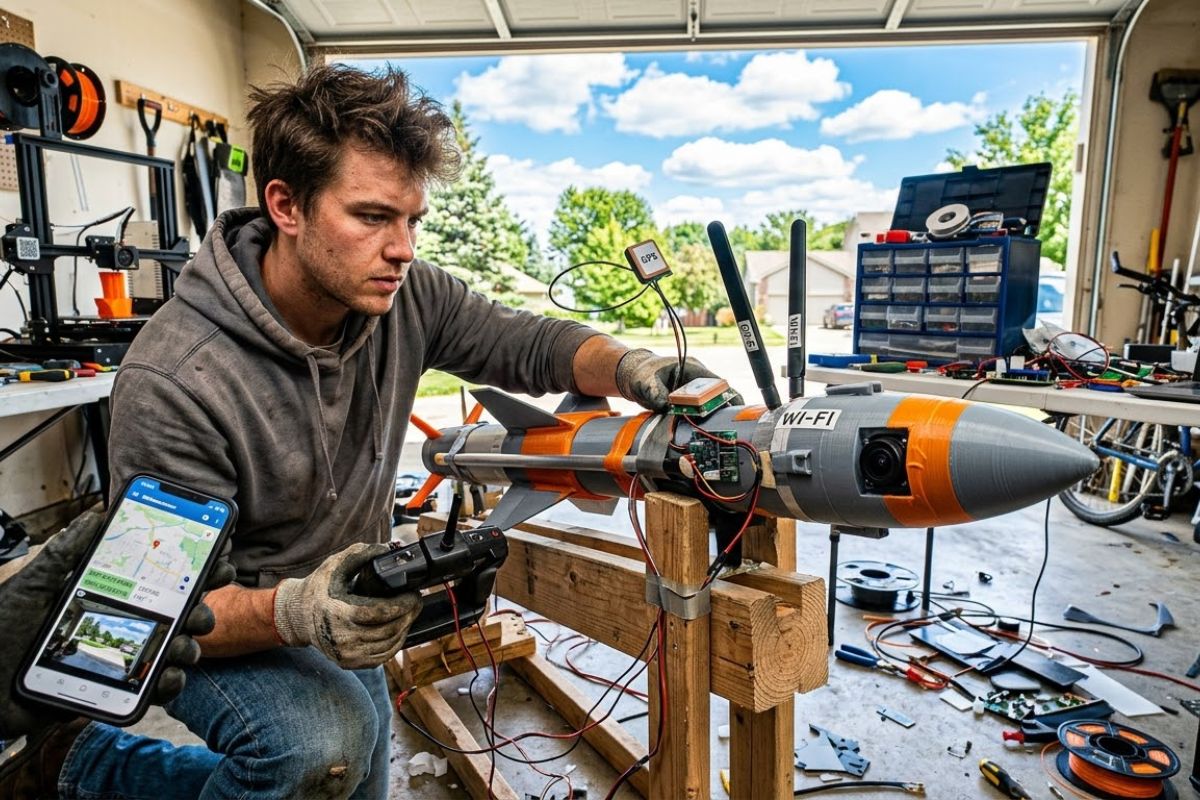
For just 96 dollars and with a 3D printer, an amateur created a prototype of a homemade guided missile with GPS, camera, and Wi-Fi tracking system, and this raised the debate about printed weapons to a frightening level.

This evolution raises a common question among consumers: with so many advances, are traditional protective cases on the verge of extinction?
Increasing Resistance
One of the biggest changes lies in the glass. The old “Achilles’ heel” of cellphones, the screen, now receives reinforced layers of materials like Gorilla Glass Victus, found in various high-end models.
This technology offers greater resistance to scratches, drops, and even twists. Additionally, brands are developing exclusive versions of these glasses, tailored to withstand even more impact.
Another highlight is the structure. Many devices are now made from aerospace aluminum or even stainless steel.
This combination results in lighter phones, but with the ability to absorb impacts and endure intense use.
Even the design has been thought out to protect the device, with subtly elevated edges that help reduce direct screen contact during falls.
Protection Against External Elements
Resistance is not limited to impacts. What was once the privilege of a few expensive models has now become standard: protection against water and dust.
Certifications such as IP67 and IP68 are present in devices across different price ranges. This means that in common accident scenarios, like a fall into a pool or a spilled cup on a table, the chances of damage are much lower.
This advancement provides more security for the consumer, who no longer needs to worry too much about small daily distractions. However, despite these improvements, it’s important to remember that these certifications have limitations on depth and immersion time.
Studies on Durability
The discussion about resistance is not solely based on manufacturers’ marketing. Researchers are also analyzing the topic.
A study published in 2021, titled “Durability of Smartphones: A Technical Analysis of Reliability”, investigated how cellphones react to drops, mechanical fatigue, and continuous use.
The authors concluded that structural reinforcements, material choices, and stress dissipation strategies do indeed increase the devices’ lifespan.
At the same time, practical analyses from specialized websites remind us that no cellphone is completely accident-proof. The chances of damage decrease, but never reach zero.
Cases Still Have Their Place — and a Billion-Dollar Market
Despite all the advancements, cases remain an extremely popular accessory.
And the reason goes beyond protection: they represent one of the main sources of income for independent sellers and small retailers in Brazil.
Just walking through open-air markets, street vendors, or small stalls in popular shopping malls reveals the strength of this market.
Cases have become high-turnover products, with affordable prices, an infinite variety of models, and aesthetic appeal that attracts consumers.
Many workers support their families through the sale of this accessory, which remains a true bestseller even in times of crisis.
Moreover, there are four key reasons for the persistence of cases in users’ daily lives:
- Limit of Resistance – even the most reinforced phones can break in specific falls.
- Repair Cost – replacing a premium screen can cost nearly the price of a mid-range device.
- Aesthetic Protection – the case preserves the phone’s body for future resale.
- Style and Customization – each case allows the user to transform the phone into a unique object.
Cellphones are, indeed, more durable than ever. Innovations in glass, structure, and protection against water and dust represent a leap compared to models from ten years ago. There are even devices specifically designed to dispense with cases, like rugged phones.
However, the Brazilian reality shows that cases are not merely an optional accessory: they drive a market that is essential for thousands of families and continue to provide extra security for those who cannot risk the high cost of repairs.
Therefore, the trend is not the end of cases, but rather the consolidation of their dual function: ensuring protection and supporting a popular trade that remains strong on the streets of Brazil.







-

Uma pessoa reagiu a isso.