





 Portuguese
  English
  Spanish
  3 min of reading
  0 comments


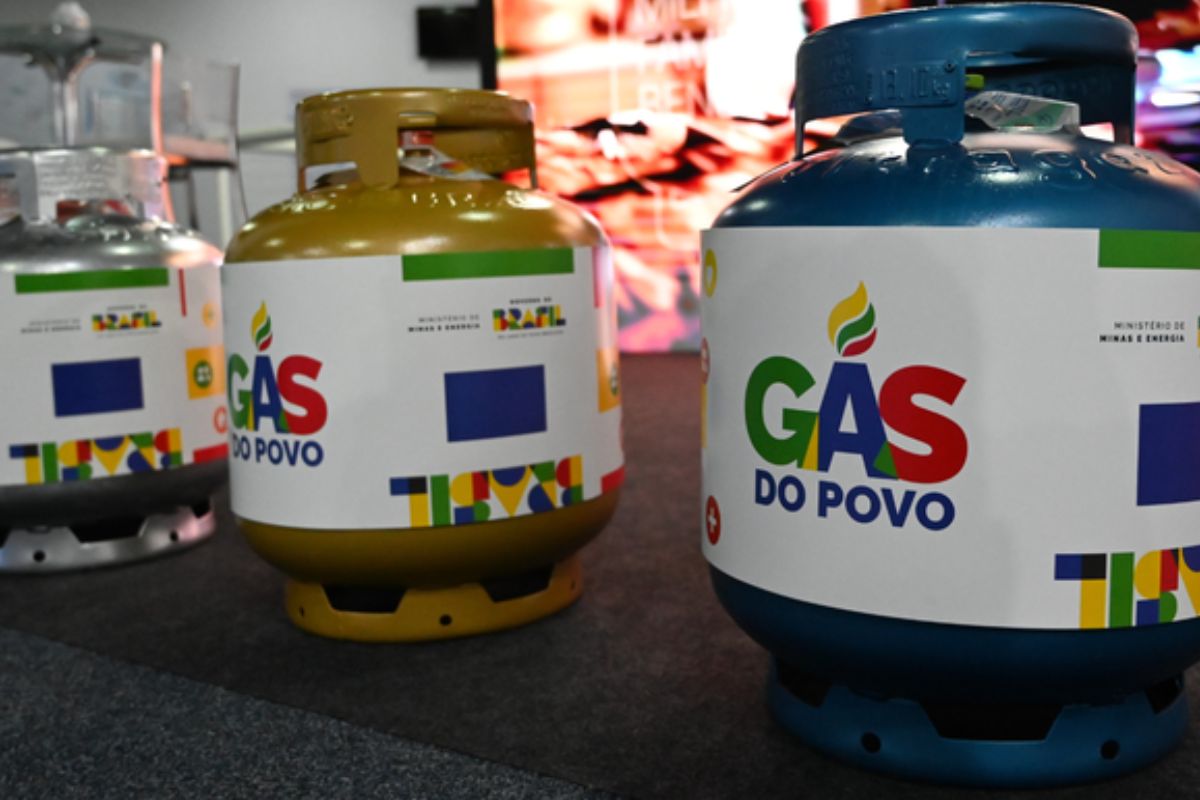
As Of November 24, The Gas Program Begins Free Recharge Voucher In Ten Capitals, With Direct Access To The Cylinder And Priority For Families In The CadÚnico And Bolsa Família
The Gas Program goes into national operation at a time when cooking safely and financial predictability becomes an urgent need for millions of families, according to a report published.
The new phase, which starts on November 24, inaugurates a voucher system that replaces the old cash transfer, offering direct withdrawal of the 13 kg gas cylinder at approved resellers.
The initiative is structured to reach more than 15 million families by March 2026 and already starts by covering ten selected Brazilian capitals chosen by the Ministry of Mines and Energy (MME).
-
Lula reveals a masterstroke by Petrobras to undo a deal made by Bolsonaro, which involves the return of an important refinery that currently produces less than half of what was expected and makes Brazil dependent on international diesel.
-
A study confirms that the natural gas sector will reduce greenhouse gas emissions in Brazil by 0.5% and accelerate the energy transition by 2026.

-
Petrobras implements a severe adjustment and confirms a 55% increase in the price of aviation kerosene with a proposal for installment payments for the companies.

-
The rise in oil prices could ensure an extra revenue of R$ 100 billion for the Federal Government, indicates a recent economic study.


With the transition to a fully traceable system, the Government of Brazil reinforces its commitment to expand access to cooking gas and reduce dependence on wood and flammable materials that still form part of the daily routine of vulnerable groups.
Free Recharge Voucher And Distribution Of The Gas Cylinder
The first phase covers Salvador, Fortaleza, Goiânia, Belo Horizonte, Belém, Recife, Teresina, Natal, Porto Alegre, and São Paulo.
About 1 million families will be served in this initial stage, marking the shift from cash payment to direct delivery of the product.
The Caixa Econômica Federal takes over the operation of the benefit, being responsible for registering the resellers and validating users’ access methods.
The new format allows the beneficiary to use the Bolsa Família card, Caixa debit card, or CPF with a code sent to the mobile phone to prove entitlement to the voucher, eliminating intermediaries and reducing fraud.
This advancement creates a more efficient and transparent process, essential for ensuring that the resources reach the correct destination.
The Gas Program also enhances food security by ensuring that families in vulnerable situations have regular access to cooking gas, helping to reduce risky practices related to the use of improvised fuels.
Brazilian Capitals Served And Access Through Updated CadÚnico
Families selected by the Ministry of Development and Social Assistance, Family and Hunger Combat (MDS). are eligible.
To participate, it is necessary to be registered in the CadÚnico, have a per capita income of up to half the minimum wage, and keep the data updated for at least 24 months.
Those already receiving Bolsa Família have priority in the granting of the benefit. The model reinforces energy security by facilitating the withdrawal of refills directly from approved resellers.
Additionally, it ensures that the Gas Program is implemented uniformly across all covered capitals, strengthening traceability and allowing the government to monitor the delivery of vouchers accurately.
Bolsa Família Priority And National Expansion Until 2026
The program also addresses social and environmental challenges. By promoting clean cooking, it reduces the use of wood and polluting fuels that particularly affect women and children exposed to smoke in enclosed spaces.
The Gas Program is already born with clear goals to reach more than 15 million families by March 2026, establishing itself as one of the largest public policies aimed at combating hunger and energy poverty in the country.
This expansion demonstrates how the Gas Program creates a stable path for millions of families to have continuous access to cooking gas, ensuring dignity and protection in the daily preparation of food.
This national movement ends by reinforcing that Brazil is starting a new phase of safe, direct, and verified distribution by the beneficiary within the Gas Program.







Seja o primeiro a reagir!