





 Portuguese
  English
  Spanish
  2 min of reading
  0 comments


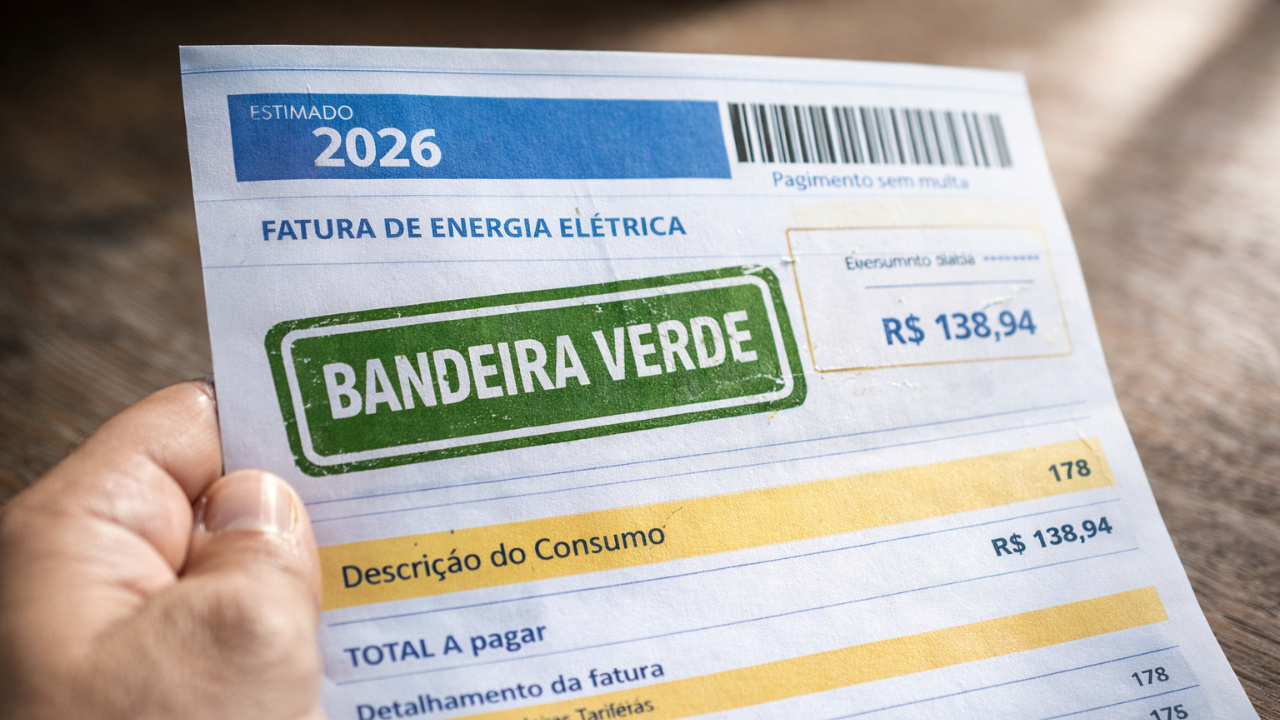
Green Flag Activated In January 2026, Ending Cycle Of Additional Costs On Electricity Bills And Bringing Relief To Energy Consumers Across Brazil.
Brazil begins 2026 with a positive signal for electric energy consumers. The National Electric Energy Agency (Aneel) announced that the green flag will be in effect in January, meaning no extra charges on electricity bills across the country.
The decision interrupts a long period of additional costs. It will be the first month since April 2025 when Brazilians will not face tariff increases related to the flag system. The measure benefits households, businesses, and industries, in addition to contributing to family budget relief.
Hydrological Conditions Allow Cost Reduction
According to Aneel, even with a rainy season below historical averages, the last months of 2025 showed stability in rainfall volume and the levels of reservoirs in hydroelectric plants. This scenario was crucial for the adoption of the green flag.
-
Brazilians paid R$ 18 billion more for energy from the Itaipu plant, reflecting a direct impact on tariffs and generating discussions about costs, transparency, and balance in the national electricity sector.

-
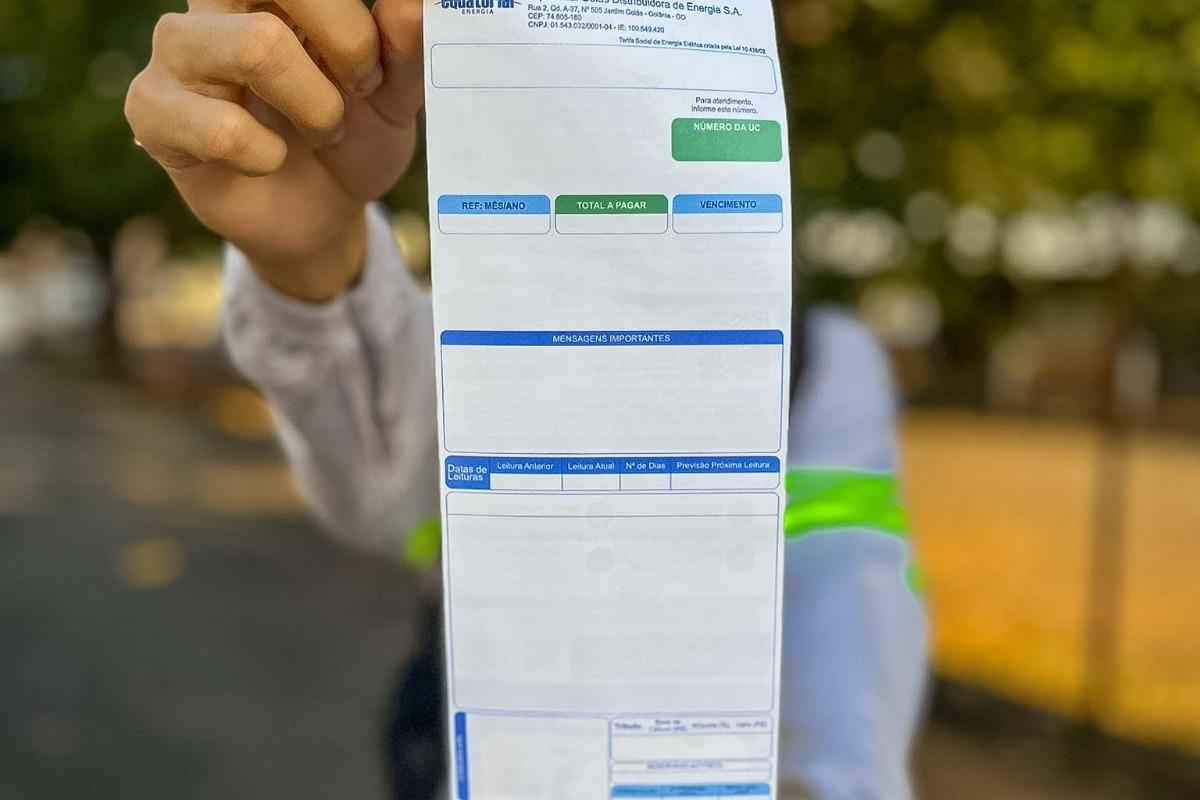
Equatorial adopts new national number for consumer units on electricity bills starting in April, following ANEEL standards and modernizing energy bills in several states.
-
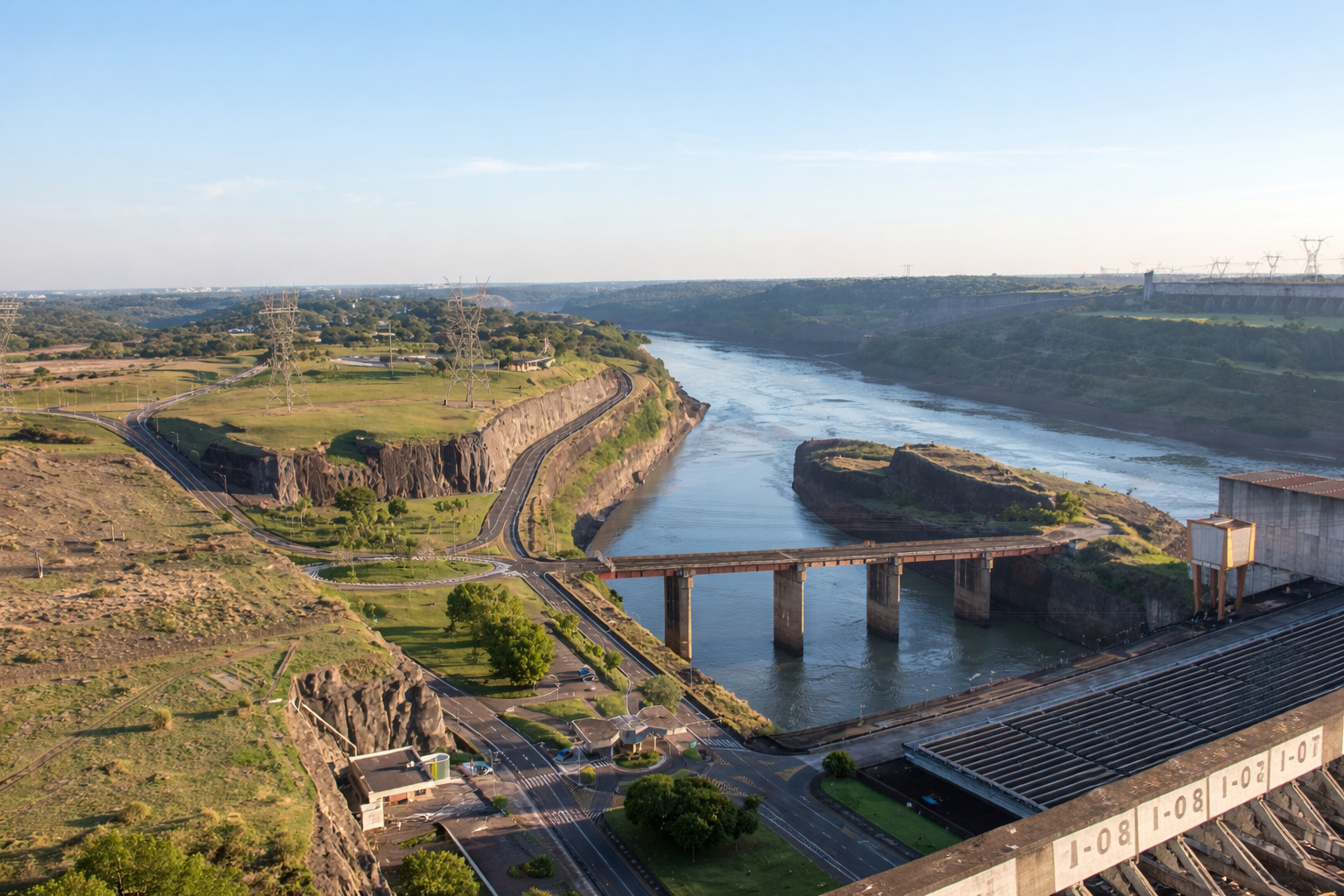
Itaipu Impresses the World: Hydroelectric Plant with 20 Turbines and 14,000 MW Generates Over 2.9 Billion MWh and Leads Global Clean Energy Production
-
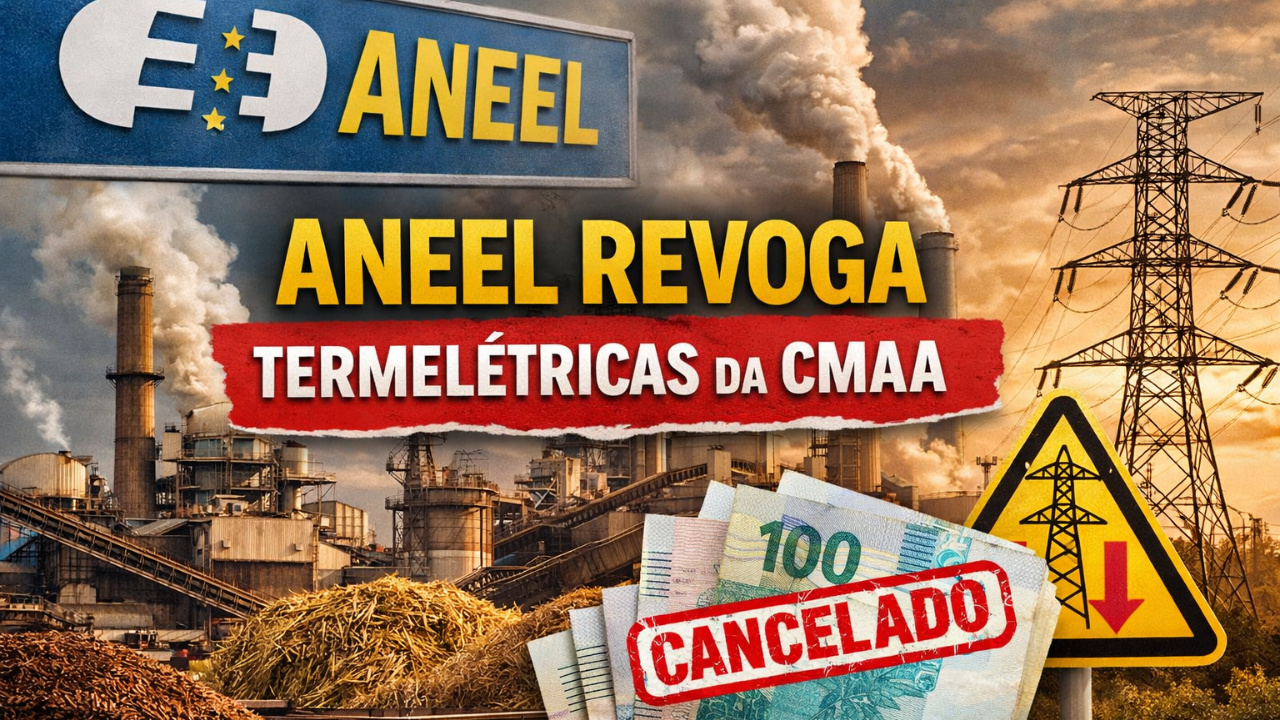
Aneel Revokes CMAA Thermal Power Plants After Network Restrictions and Excess Energy in the System

Furthermore, maintaining the reservoirs reduced the need for intense activation of thermal plants, which have higher generation costs. As a result, extra charges were no longer passed on to consumers at the beginning of 2026.
Thus, the lower dependence on costlier generation sources ensured favorable conditions for the elimination of the additional charge on the tariff.
History Of Tariff Flags Throughout 2025
The year 2025 was marked by significant variations in the tariff flag system. Between May and December, consumers faced consecutive periods of increases on electricity bills, including the highest levels.
The monthly calendar recorded the green flag from January to April. Then, there was a yellow flag in May. Between June and July, the red flag level 1 was in effect. August and September were the most critical months, with the red flag level 2. October and November maintained level 1, while December closed the year under a yellow flag.
This history reinforces the importance of the return of the green flag at the beginning of 2026 after months of pressure on energy costs.
Understand How The Tariff Flag System Works
Created in 2013 and in effect since 2015, the tariff flag system was developed to provide more transparency to consumers about the real costs of electricity generation in the country.
The green flag indicates favorable generation conditions and adds no costs to the tariff. The yellow flag represents an increase of R$ 1.885 for every 100 kWh consumed. The red flag level 1 adds R$ 4.463, while the red flag level 2 raises the amount by R$ 7.877 for every 100 kWh.
Thus, the adoption of the green flag in January 2026 signals a moment of greater balance in the electric sector and a directly positive impact for Brazilian consumers.







Seja o primeiro a reagir!