





 Portuguese
  English
  Spanish
  3 min of reading
  0 comments


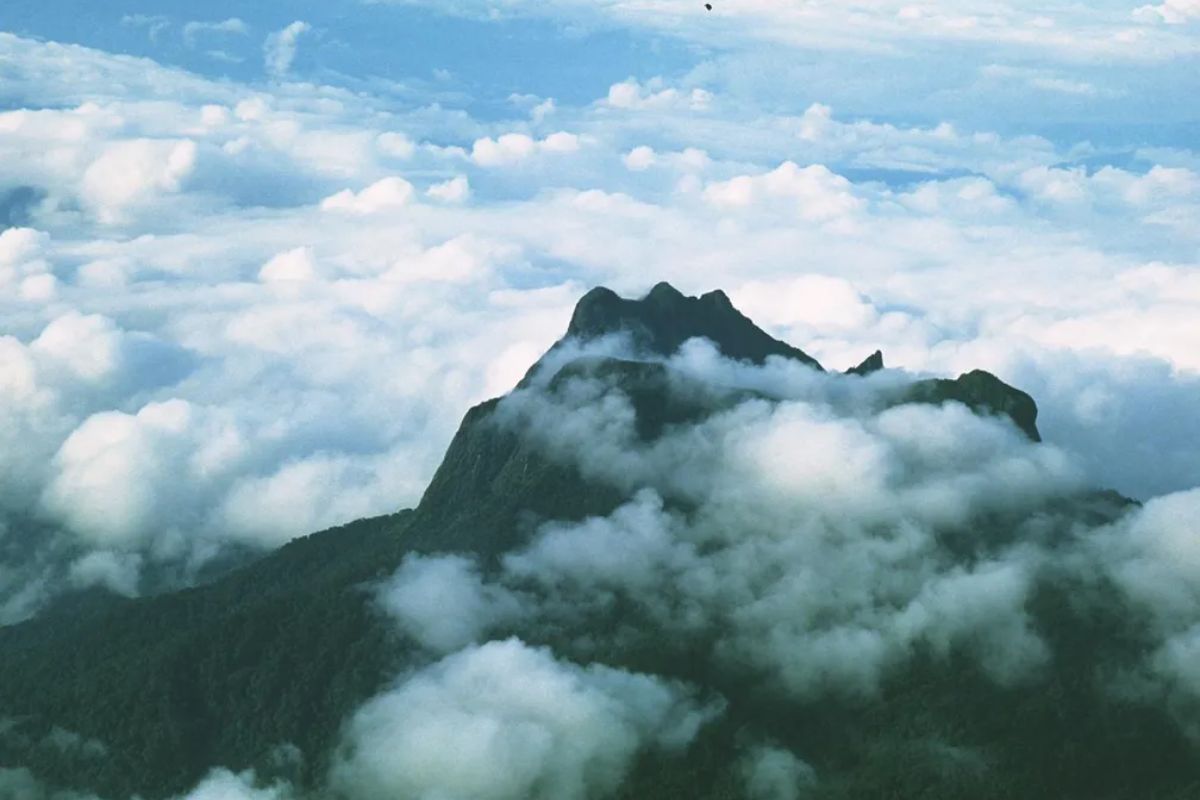
At 2,995.3 Meters, Pico da Neblina Is the Roof of the Country, but Contrary to What Many Think, It Is Not Where the Sun Rises First. Discover the Truth About the Two Locations.
According to the Brazilian Institute of Geography and Statistics (IBGE), the highest point in Brazil is Pico da Neblina, a giant located in the heart of the Amazon Rainforest. However, it is essential to clarify a common misconception: although it is the highest, it is not the place where the sun rises first. This title, according to publications such as the Student Guide, belongs to Ponta do Seixas in João Pessoa, Paraíba.
The journey to Pico da Neblina is a challenging expedition and a deep cultural immersion, leading to the top of the country, while a visit to Ponta do Seixas offers the spectacle of the first dawn across the entire American continent. Both locations are geographical landmarks of great importance, each with its own uniqueness.
Where Does the Sun Rise First? Ponta do Seixas in Paraíba
The first ray of sun to touch the American continent emerges at Ponta do Seixas in João Pessoa (PB). This happens because the location is the easternmost point of the Americas, meaning the piece of land furthest to the east of the entire continent.
-
These living root bridges and ladders are over 700 years old and help indigenous people survive in one of the rainiest regions in the world.

-
From sertanejo star to international investor: Ana Castela invests millions in a mansion in the USA, creates a themed accommodation in Orlando, and shows that the “boiadeira” also wants to grow away from the stage.

-
The 10 most stunning motorhomes in the world: a $3 million trailer with a rooftop nightclub and garage for a Ferrari, “palaces on wheels” with Italian marble, private cinema, and five-star hotel luxury for billionaires.

-
Trump wanted to spend $400 million on the White House, but the courts prohibited the million-dollar construction.

Due to the Earth’s rotation (from west to east), this is the first place to receive sunlight each new day. The spectacle of dawn, which occurs around 4:30 AM, attracts tourists year-round. Nearby, perched on a cliff, is the Cabo Branco Lighthouse, one of the postcards of the capital Paraíba, offering a panoramic view of the Atlantic Ocean.
Pico da Neblina, the True Highest Point in Brazil
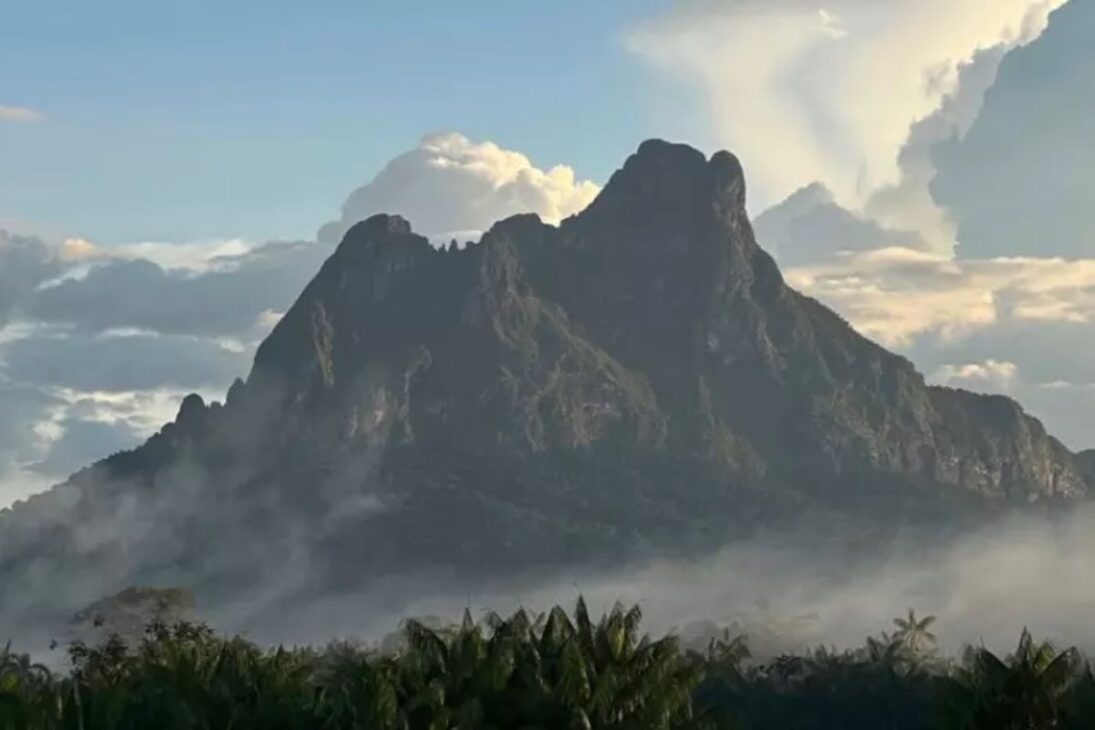
The title of highest point in Brazil undoubtedly belongs to Pico da Neblina. Accurate measurements carried out by the IBGE in 2004 confirmed its altitude at 2,995.3 meters.
It is located in the north of the state of Amazonas, in the Imeri Mountains, a formation that is part of the Guiana Plateau, in a border area with Venezuela. Its exact location, at the coordinates 0º48’1” N and 66º0’25” W, places it within two important conservation areas: the Pico da Neblina National Park and the Yanomami Indigenous Land.
Yaripo, the Sacred Mountain of the Yanomami
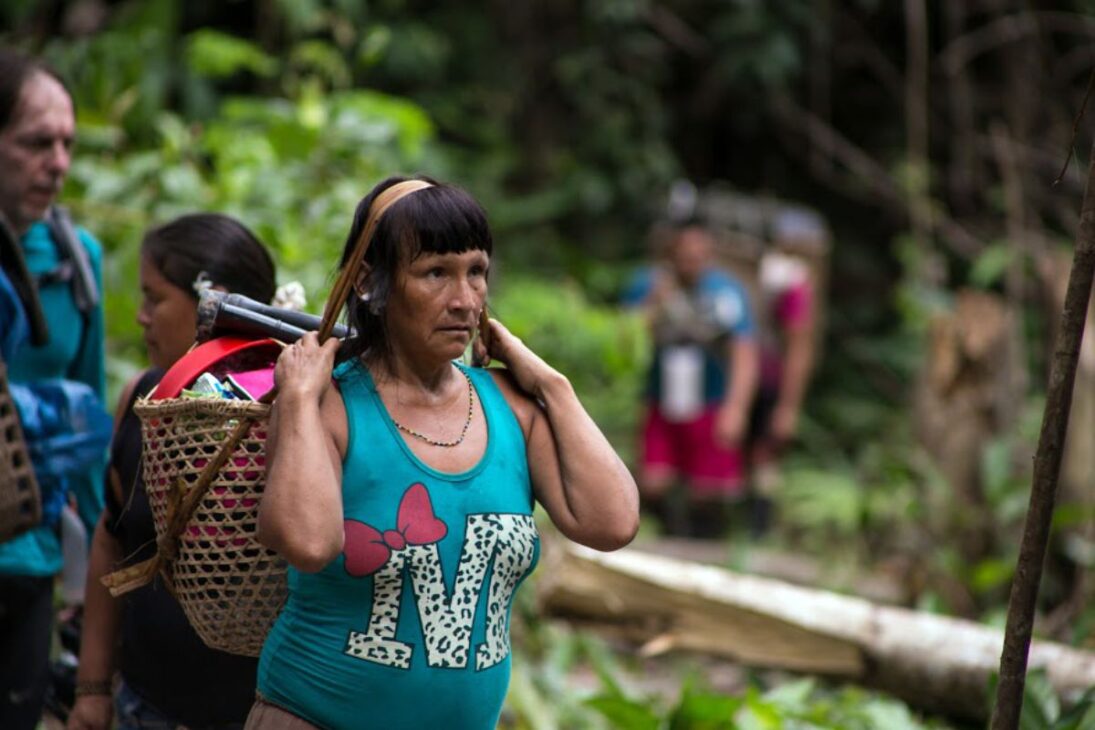
For the Yanomami people, Pico da Neblina is a sacred place. In their language, the mountain is called “Yaripo”, which means “mountain of the wind”. The relationship of the indigenous people with the site is one of deep spiritual and cultural respect, being a fundamental part of their territory and worldview.
After almost 20 years closed to tourism, access to the peak was reopened in 2022. The significant change is that the expeditions are now organized and guided by the Yanomami community itself, in partnership with the Chico Mendes Institute for Biodiversity Conservation (ICMBio) and Funai. This new management ensures that the tourism activity is sustainable and respects the culture and sovereignty of the Yanomami people over their sacred territory.
The Expedition to Pico da Neblina, a Challenge in the Amazon Rainforest
Reaching the highest point in Brazil is an expedition that requires excellent physical and mental preparation. The journey is considered one of the most difficult in national mountaineering and is much more than a physical challenge; it is an immersion in indigenous culture and the vastness of the Amazon Rainforest.
The adventure begins in the city of São Gabriel da Cachoeira (AM). From there, the expedition involves river transport along the Negro and Cauaburi rivers, followed by a long trek through the forest over several days. The route is marked by mud, high humidity, and steep terrain. The complete expedition, from the city’s departure to return, can last from 12 to 15 days, a true journey to the roof of Brazil.








Seja o primeiro a reagir!