





 Portuguese
  English
  Spanish
 5 min of reading
  0 comments



The Just Energy Transition Plan in Rio Grande do Sul Guides the Reduction of Coal Use With a Focus on Economic Development, Social Inclusion, and Long-Term Decarbonization Goals.
In recent years, the debate on energy sector transformation has gained momentum, primarily because governments, businesses, and society have started to recognize, more clearly, the urgency of reducing greenhouse gas emissions. Furthermore, the increasingly visible impacts of climate change have reinforced the need to rethink the energy model.
In this context, the just energy transition plan takes on a central role, as it guides the change in the energy matrix in a balanced, responsible, and socially inclusive manner. In Rio Grande do Sul, this debate becomes even more relevant, especially in the regions historically dependent on coal, such as Campanha and Baixo Jacuí.
Historically, the trajectory of coal in the state is intertwined with the regional development process itself. Throughout the 20th century, this resource boosted job creation, strengthened municipal revenue, and ensured energy security.
-
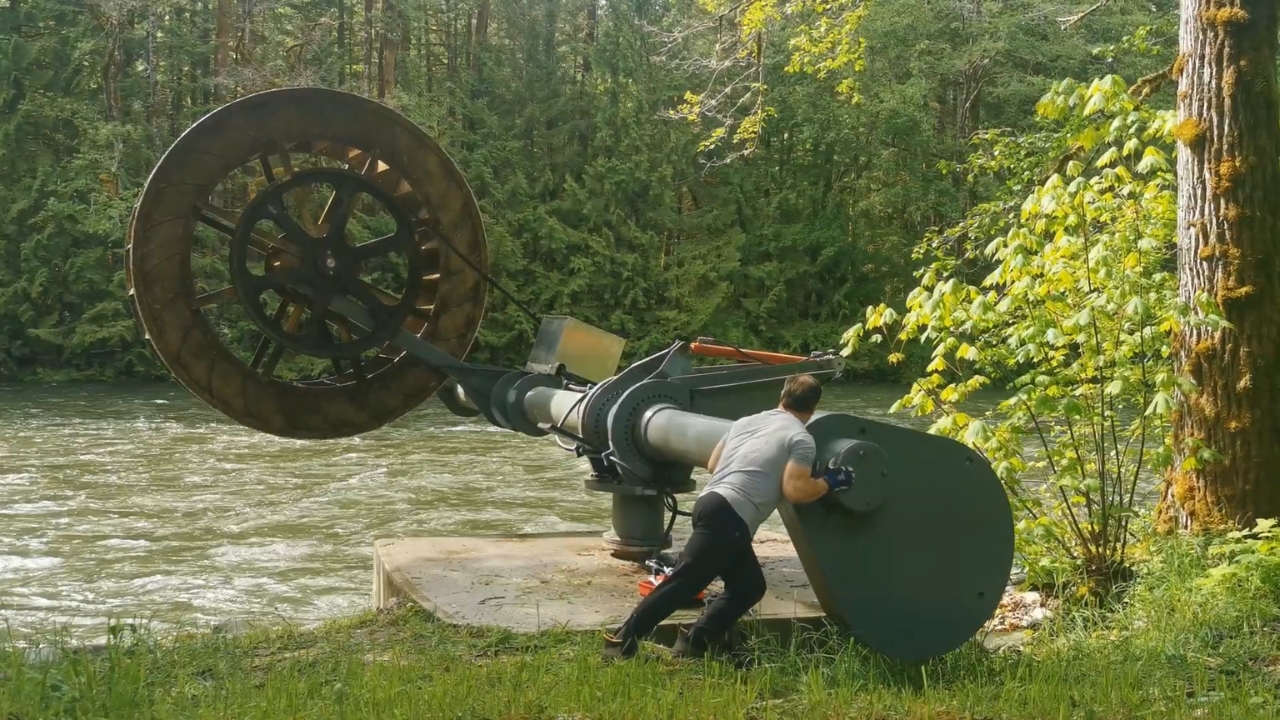
A Canadian retiree creates a hydroelectric system on a real river, generating energy continuously throughout the day and demonstrating how the power of water can supply a house with stability even in a simple structure.
-
Petrobras reaffirms its commitment to the market and ensures that it will carry out the energy transition safely to maintain national sovereignty.

-
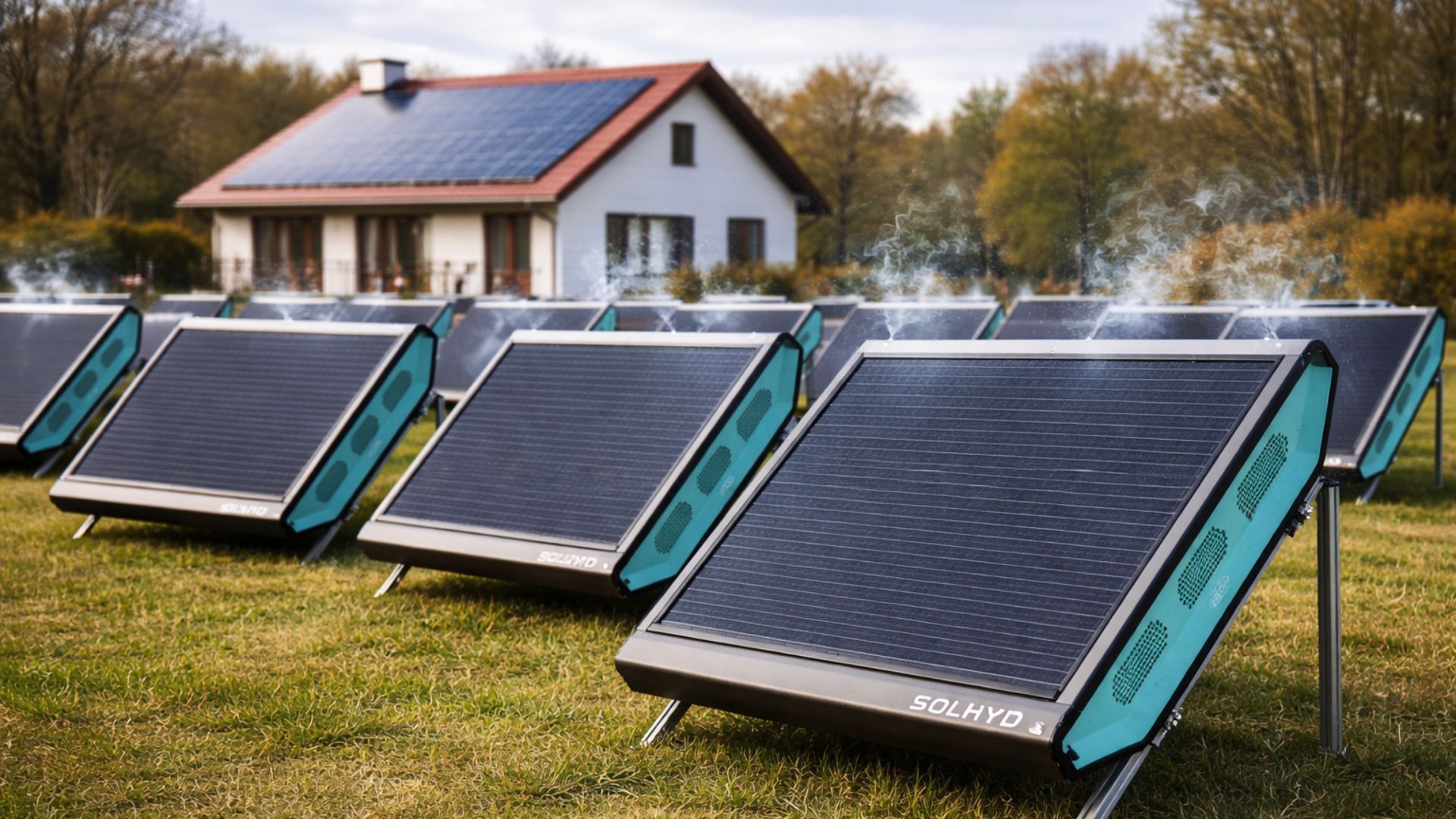
Researchers discover a possible hydrogen deposit of up to 46 million tons beneath an ancient coal basin, and the volume could exceed half of the entire global production.

-
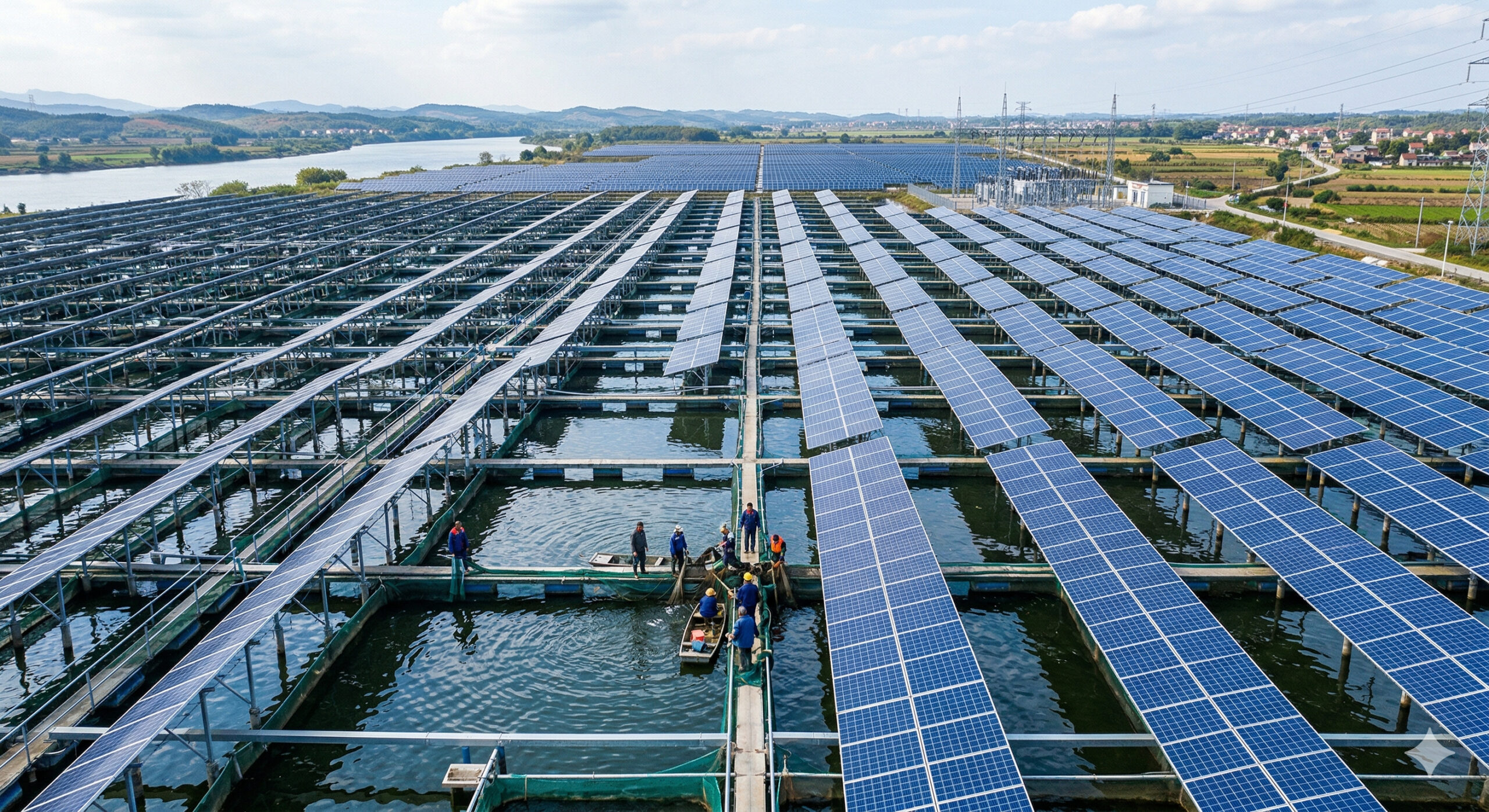
China bets on the Fishery-PV model and transforms fish farms into giant solar plants, covering ponds with panels that generate energy while utilizing the same space for large-scale aquaculture production.

In addition, thermoelectric plants, mines, and associated production chains shaped the economic and social identity of various localities. As a consequence, this model consolidated a strong structural dependence on the coal sector, which sustained entire local economies for many years.
However, over time, the limits of this model have become increasingly evident. On one hand, scientific studies have demonstrated the environmental and climatic impacts of intensive coal use.
On the other hand, international agreements have intensified pressure for emission reductions. In light of this scenario, Rio Grande do Sul broadened the discussion on energy alternatives and, at the same time, began to structure public policies aligned with a low-carbon economy.
It is precisely in this context that the just energy transition plan gains significance. Instead of promoting an abrupt replacement of energy sources, the plan organizes a gradual and structured process.
Thus, by prioritizing long-term planning, social dialogue, and consistent public policies, the state seeks to protect workers, businesses, and communities. In this way, the transition becomes just because it distributes costs and benefits more equitably.
Long-Term Planning and Decarbonization Goals
In Rio Grande do Sul, the state government structured this agenda in an integrated manner with environmental and development policies. In this sense, the just energy transition plan considers economic, social, environmental, and climatic factors in a joint manner.
Thus, the state develops a consistent vision for the future of coal regions. Additionally, by opting for a gradual reduction of coal dependency, the government increases predictability and offers greater security for investors, workers, and public managers.
At the same time, the plan directly engages with international commitments, such as the Paris Agreement. In this way, the global guidelines translate into concrete actions at the state level.
For example, the government encourages the diversification of the energy matrix, expands the use of renewable sources, and stimulates low-carbon economic activities. Consequently, the state strengthens its climate governance.
Moreover, by aligning regional policies with global agendas, the just energy transition plan increases access to green financing and technical partnerships. As a result, Rio Grande do Sul becomes more competitive and attractive for sustainable investments.
New Economic Opportunities for Coal Regions
Another central point of the just energy transition plan is economic diversification. In this context, the state seeks to reduce coal dependency by creating new job and income opportunities.
Thus, sources like solar energy, wind energy, biomass, biogas, and energy efficiency projects come to the forefront. Moreover, these alternatives leverage the natural characteristics of the gaucho territory.
At the same time, the plan promotes activities related to the green economy, technological innovation, sustainable agriculture, and low-carbon reindustrialization. In this way, new production chains emerge, while the economic resilience of municipalities increases.
As a consequence, coal regions become less dependent on a single sector. Simultaneously, professional training plays a strategic role.
For this reason, the government and its partners invest in training and requalification programs. Thus, workers from the coal sector expand their possibilities of insertion in new areas, which reduces social vulnerabilities and strengthens the human aspect of the energy transition.
Environmental Benefits and Positive Social Impacts
In addition to economic gains, the just energy transition plan generates relevant environmental benefits. Firstly, the reduction of coal use improves air quality.
Subsequently, it decreases impacts on public health. Moreover, it contributes to the preservation of ecosystems.
In this regard, the state directs efforts to recover areas degraded by mining, reintegrating these spaces into the territory sustainably. As a result, the local population perceives direct improvements in quality of life.
For example, the decrease in air pollution reduces the incidence of respiratory and cardiovascular diseases. At the same time, recovered areas begin to offer new economic, social, and tourism possibilities.
From an economic perspective, although the transition poses challenges in the short term, it creates consistent opportunities in the long term. In this way, the diversification of the energy matrix strengthens the regional economy.
Additionally, it attracts investments in clean technologies and positions Rio Grande do Sul as a reference in innovation and sustainability.
Social Participation and Collective Construction of the Future
Another essential element of the just energy transition plan is social participation. In this process, governments, the productive sector, universities, civil society organizations, and local communities actively participate in discussions.
Thus, the dialogue enhances the legitimacy of decisions and reduces potential conflicts. Furthermore, it ensures that the plan reflects different regional realities.
By adopting a long-term vision, the state makes it clear that the energy transition does not represent an isolated action, but rather a structural transformation.
Therefore, the reduction of emissions, adaptation to climate change, and the pursuit of carbon neutrality require consistent policies, continuous planning, and administrative continuity.
Moreover, the advancements already observed, such as the significant reduction of greenhouse gas emissions, reinforce the effectiveness of this strategy. In this way, the results demonstrate that integrating the climate agenda into regional development generates lasting benefits.
An Evergreen Plan for Sustainable Development
In a broader perspective, the just energy transition plan redefines the relationship between energy, economy, and society in Rio Grande do Sul. By recognizing the limits of the fossil fuel-based model, the state advances in building a cleaner and more diversified energy matrix.
Furthermore, this matrix aligns with the demands of the 21st century. Finally, as the plan relies on sustainability, social justice, planning, and participation, it maintains relevance over time.
Thus, even in the face of political or economic changes, its foundations remain solid, reinforcing its evergreen character. In this way, by transforming regions historically dependent on coal into territories of innovation, economic diversification, and sustainability, Rio Grande do Sul demonstrates that it is possible to reconcile economic growth, environmental responsibility, and social inclusion in a strategic long-term agenda.









Seja o primeiro a reagir!