





 Portuguese
  English
  Spanish
  4 min of reading
  0 comments


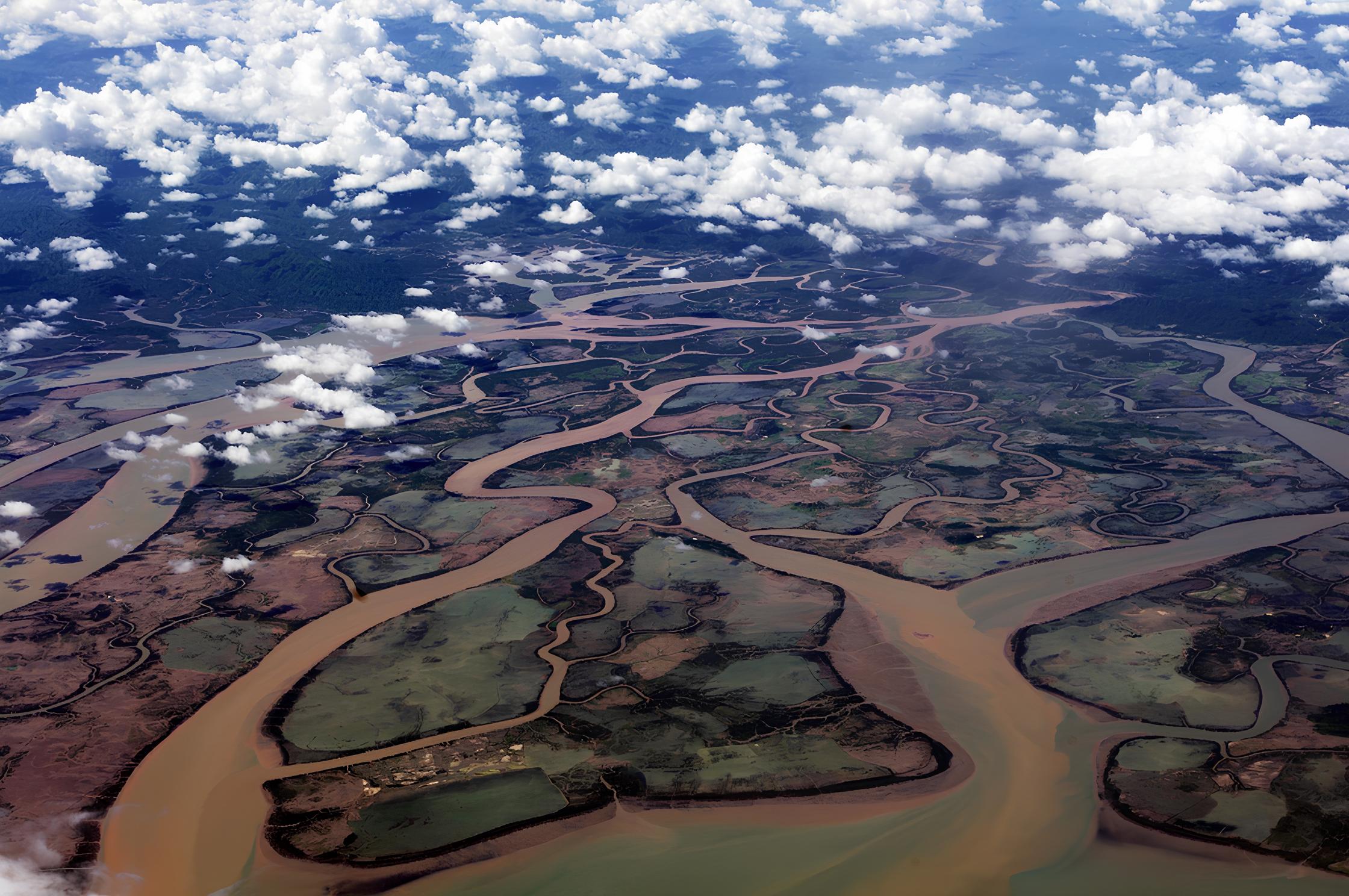
With More Than 60 Thousand Km of Canals, the Largest Irrigation System in the World Diverts Entire Rivers, Supports Millions of Hectares of Agricultural Land, and Ensures Food for Hundreds of Millions of People.
Far from modern tractors and central pivots visible from space, there exists a silent machinery that sustains some of the largest crops on the planet. It is the largest continuous irrigation system ever built by humanity, a colossal network of canals, dams, reservoirs, and sluices that transforms naturally dry regions into highly productive agricultural zones. Located mainly in South Asia, this system not only irrigates fields: it redefines the relationship between water, soil, and food security on a continental scale.
Where Is the Largest Irrigation System in the World and Why Is It Unique
The heart of this water colossus is concentrated in the Indian subcontinent, especially in the Indo-Ganges region, covering areas of India and Pakistan. There operates the Indo Irrigation System, considered by international organizations to be the largest integrated irrigation system on the planet.
Combined, its main and secondary canals exceed 60 thousand kilometers, while smaller, distributive, and local branches push this number to hundreds of thousands of kilometers. For comparison, this length is enough to circle the Earth more than once with just water canals.
-
The eggshell that almost everyone throws away is made up of about 95% calcium carbonate and can help enrich the soil when crushed, slowly releasing nutrients and being reused in home gardens and vegetable patches.

-
This farm in the United States does not use sunlight, does not use soil, and produces 500 times more food per square meter than traditional agriculture: the secret lies in 42,000 LEDs, hydroponics, and a system that recycles even the heat from the lamps.

-
The water that almost everyone throws away after cooking potatoes carries nutrients released during the preparation and can be reused to help in the development of plants when used correctly at the base of gardens and pots, at no additional cost and without changing the routine.

-
The sea water temperature rose from 28 to 34 degrees in Santa Catarina and killed up to 90% of the oysters: producers who planted over 1 million seeds lost practically everything and say that if it happens again, production is doomed to end.

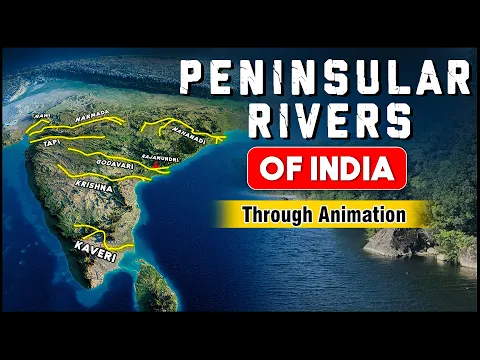

The system captures water from giant rivers such as the Indus, the Ganges, the Yamuna, the Chenab, the Ravi, and the Sutlej, diverting massive volumes to feed agricultural areas that, without irrigation, would be highly vulnerable to seasonal droughts.
Territorial Scale: An Irrigated Area Larger Than Whole Countries
The territorial impact of this system impresses even specialists. It is estimated that it irrigates more than 20 million hectares of agricultural land directly, in addition to indirectly influencing even larger areas through aquifer recharge and flood control.
This means an irrigated area larger than countries such as Portugal, Hungary, or Greece, dedicated almost entirely to the production of staple foods. Rice, wheat, sugarcane, cotton, and legumes grow in continuous succession, with two or even three harvests annually in some regions.
Without this system, much of this production simply would not exist, as monsoon rains, despite being intense, are irregular and concentrated in a few months of the year.
Monumental Engineering: Rivers Controlled by Gates and Dams
The functioning of this system depends on an infrastructure that mixes modern engineering with solutions developed over more than a century. Dams such as Bhakra-Nangal, Mangla, and Tarbela regulate river flow, store water during flood periods, and release controlled volumes during the dry season.
The sluices allow water to be directed with almost surgical precision, determining when and how much each agricultural region will receive. In many sections, the terrain’s slope is so slight that water must be conducted for tens of kilometers with minimal incline, requiring meticulous calculations to avoid stagnation or erosion.
This large-scale hydraulic control is comparable, in complexity, to large energy generation or transportation systems, but with one fundamental difference: here, the final product is food.
Agricultural Production in Numbers That Defy Logic
Thanks to this continuous irrigation, the area irrigated by the Indo-Ganges system accounts for one of the largest combined productions of rice and wheat on the planet. Together, these two grains reach hundreds of millions of tons per year, directly feeding a population that exceeds 1 billion people.
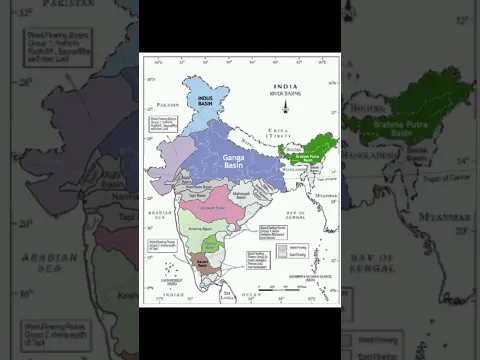
In some agricultural districts, the productivity of irrigated wheat is more than double that achieved in areas that rely solely on rain. Rice, in turn, maintains stable yields even in years of weak monsoons, something unthinkable without water control.
This performance makes the system not just an agricultural infrastructure, but a pillar of global food security. Any significant failure would have impacts that transcend national borders.
Environmental Impacts and the Price of Abundance
Despite its productive success, the system also carries significant environmental challenges. Continuous irrigation has raised groundwater levels in several areas, leading to soil salinization and loss of fertility in certain regions.
Moreover, the intensive use of water has reduced natural river flows in some sections, affecting aquatic ecosystems and wetlands. In response, modernization programs seek to increase efficiency, reduce losses through evaporation, and promote techniques such as controlled irrigation and more rational water management.
Even with these challenges, experts agree that the historical balance of the system is positive: without it, large-scale food crises would have occurred multiple times throughout the 20th century.
Why No Other Agricultural System Compares to This
There are other large irrigation projects in the world, such as in California’s Central Valley, northern China, or Egypt along the Nile. However, none combine territorial extent, number of people fed, and integration of multiple rivers on the same scale.
The Indo-Ganges system is not just large; it is structural for the survival of one of the most populated regions on the planet. It is an invisible machine for those who only see grains on the shelves, but absolutely vital for global food balance.
A Silent Colossus That Keeps the World Fed
While megaprojects in infrastructure tend to draw attention for bridges, highways, or skyscrapers, this irrigation system continues to operate away from the spotlight, day and night, season after season. It does not transport people or goods, but something even more essential: water transformed into food.
In the end, the largest continuous irrigation system on the planet proves that in agriculture, the most impressive works are not always the most visible. Some run silently through the fields, sustaining harvests that keep billions of people alive every day.








-

-

-

-

-

14 pessoas reagiram a isso.