





 Portuguese
  English
  Spanish
  3 min of reading
  0 comments


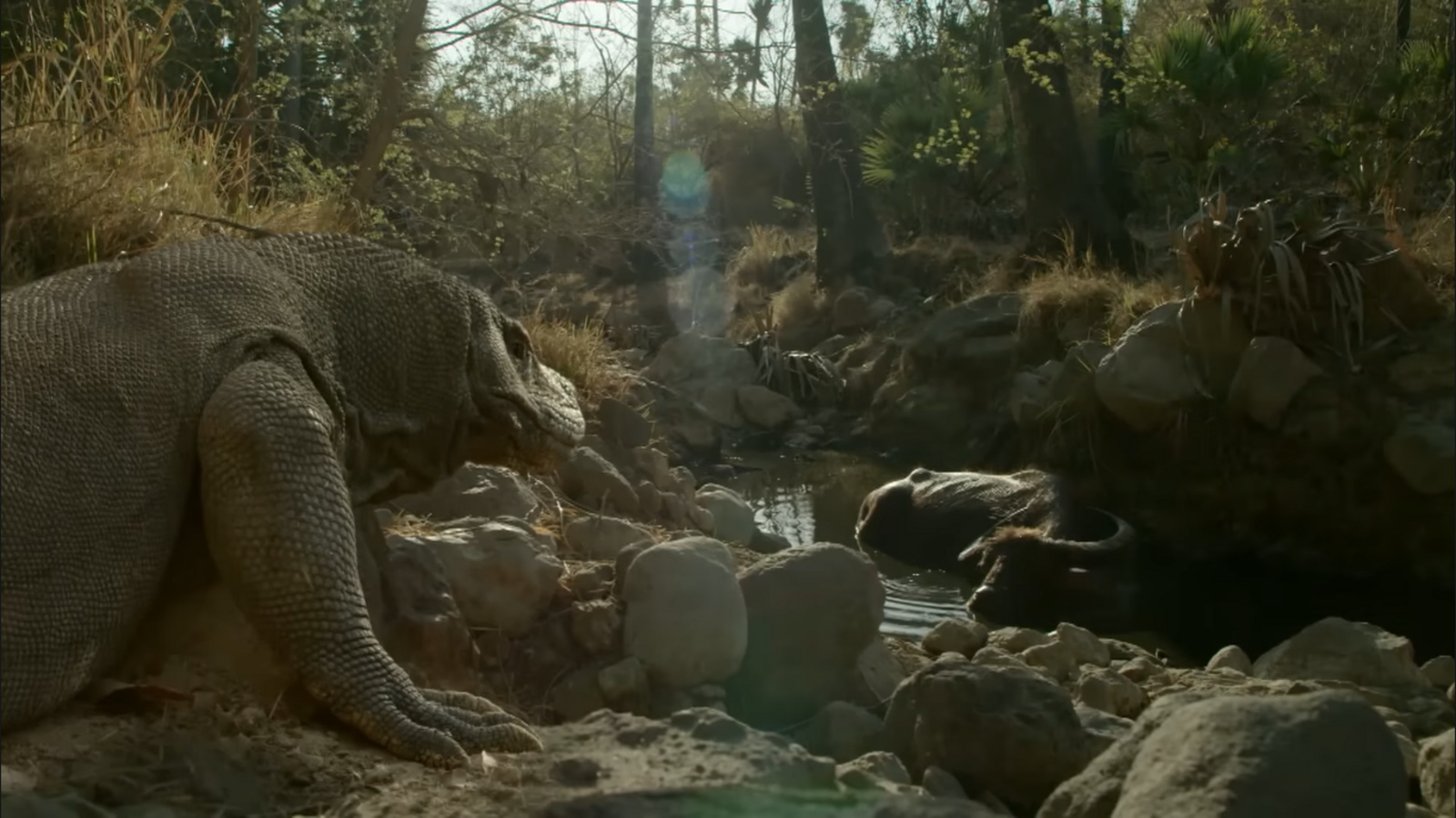
Lizard Up To 3 Meters, Weight Over 70 Kilograms, Lethal Bite and Iron Tipped Teeth Make Komodo Dragons The Largest Terrestrial Reptiles On The Planet and Exclusive Symbols Of Indonesia
Komodo dragons are the largest living lizards in the world, reaching the length of an average car, capable of growing up to 3 meters and over 70 kilograms. They live exclusively on islands in Indonesia, where scientists recently identified iron-coated teeth, a discovery that helps explain their predatory efficiency and evolutionary significance.
Found only in a small set of islands in Southeast Asia, komodo dragons inhabit arid regions, savannas, and dry tropical forests, where they occupy the absolute top of the local food chain.
The species’ natural distribution is restricted to Indonesia, especially in protected areas like the Komodo National Park, which makes the animal one of the most extreme examples of endemism among large terrestrial predators.
-
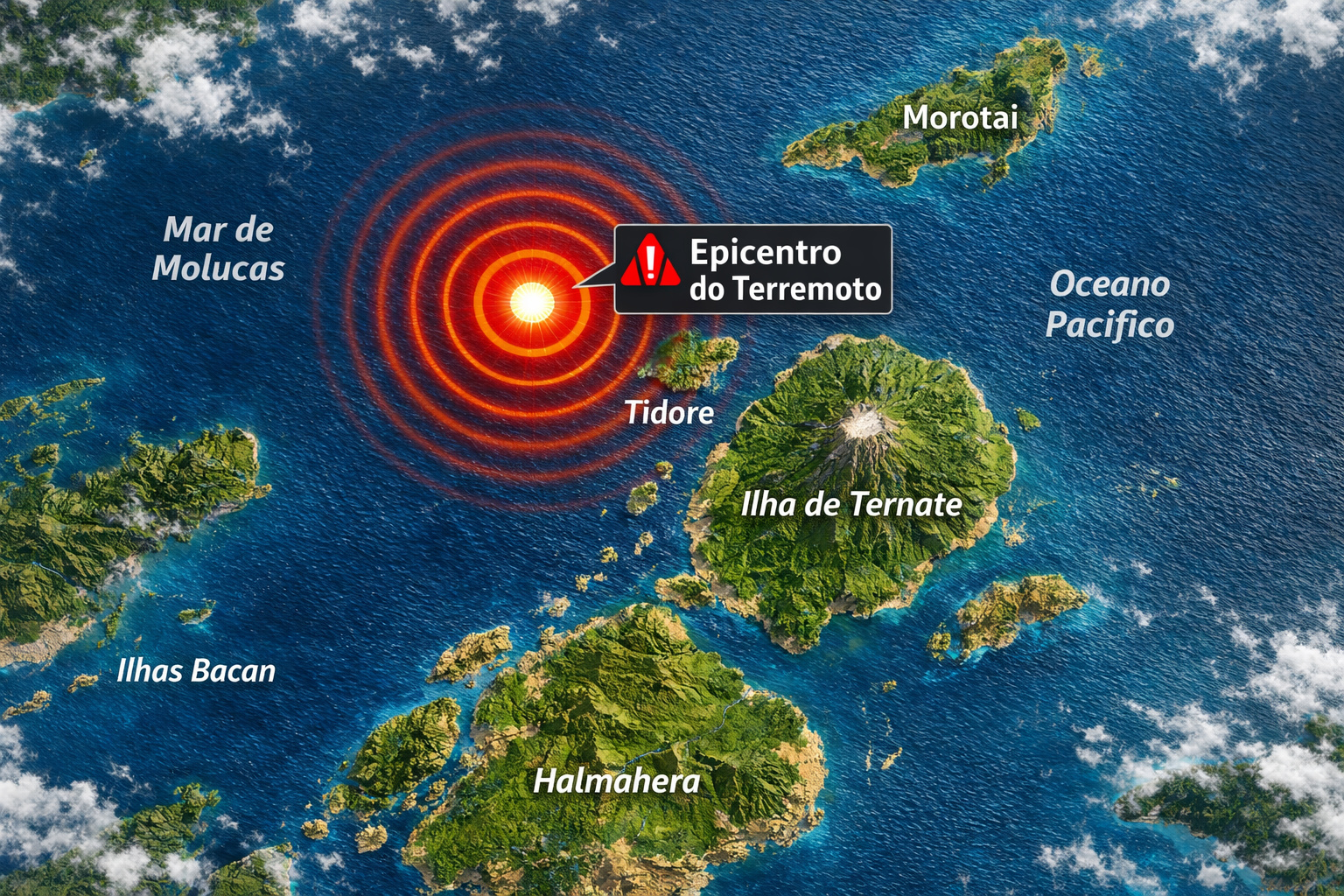
A strong earthquake in Indonesia affects houses and schools, causes panic, triggers a tsunami alert, and records a rise in sea level of up to 30 centimeters in some areas.

-
The Argentine government celebrates the lowest poverty rate in 7 years, but experts warn that the methodology has changed, real wages have fallen, unemployment has risen, and the number of people on the streets of Buenos Aires has increased by 57% since Milei took office.

-
7.8 magnitude earthquake in Indonesia frightens the population, triggers tsunami alert, and hits an island with over 200,000 inhabitants this Thursday.
-
Google will finally let you change that embarrassing Gmail address you created in your teenage years without losing any accounts, logins, or old emails: the feature is already available in the United States.



Physical Dimensions And Body Characteristics Of The Largest Lizard In The World
An adult komodo dragon can exceed 3 meters in total length, considering body and tail, with individuals weighing over 70 kilograms in the wild, according to consolidated scientific records.
The body is sturdy, supported by strong limbs, a muscular tail, and a broad head, equipped with powerful jaws and curved, serrated teeth adapted for tearing flesh with ease.
This combination of size, strength, and body structure allows the animal to take down large prey, including deer, wild boars, and young buffaloes, maintaining absolute dominance over its territory.
Teeth With Iron Tips And Predatory Efficiency
Recent studies revealed that the teeth of komodo dragons contain concentrated iron in a thin coating on the cutting edges and tips, forming a protective layer.
This iron keeps the teeth sharp longer, reducing wear during feeding and giving a visible orange coloration at the tips, a characteristic previously not well understood by scientists.
The presence of metal in the teeth is uncommon in reptiles and more associated with mammals with complex dentition, making the discovery particularly relevant from an evolutionary perspective.
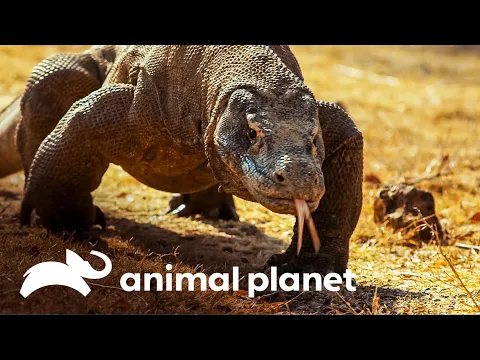
Komodo Dragons: Lethal Bite And Position At The Top Of The Food Chain
In addition to their sharp teeth, the bite of the komodo dragon is fatal due to the combination of mechanical force and saliva rich in microorganisms that cause severe infections in prey.
After the initial attack, the animal can track the wounded prey for long distances until it succumbs, a behavior that reinforces its position as a dominant predator in the ecosystems it inhabits.
This feeding strategy, combined with size and teeth reinforced with iron, explains why there are virtually no adult natural predators for the species.
Scientific History And Global Interest
The komodo dragon was scientifically described in the early 20th century, sparking great international interest due to its extraordinary size and prehistoric appearance.
Since then, it has become the subject of studies on behavior, physiology, ecology, and evolution, often compared to carnivorous dinosaurs due to its anatomical similarities.
Researchers point out that the animal’s curved and serrated teeth may offer clues about how large extinct predators captured and consumed their prey.
Conservation And Current Importance
Currently, the komodo dragon is considered an endangered species, facing risks such as habitat loss, climate change, and reduction of natural prey.
Detailed information about its biology, including the discovery of the iron-coated teeth, can contribute to more effective conservation and management strategies for the species.
In addition to its scientific value, the animal is a national symbol of Indonesia and one of the main attractions for conservation and research in the region, reinforcing the importance of protecting one of the most impressive reptiles ever recorded on the planet.
With information from Olhar Digital and other sources.








-

-

-

7 pessoas reagiram a isso.