





 Portuguese
  English
  Spanish
 4 min of reading
  1 comment


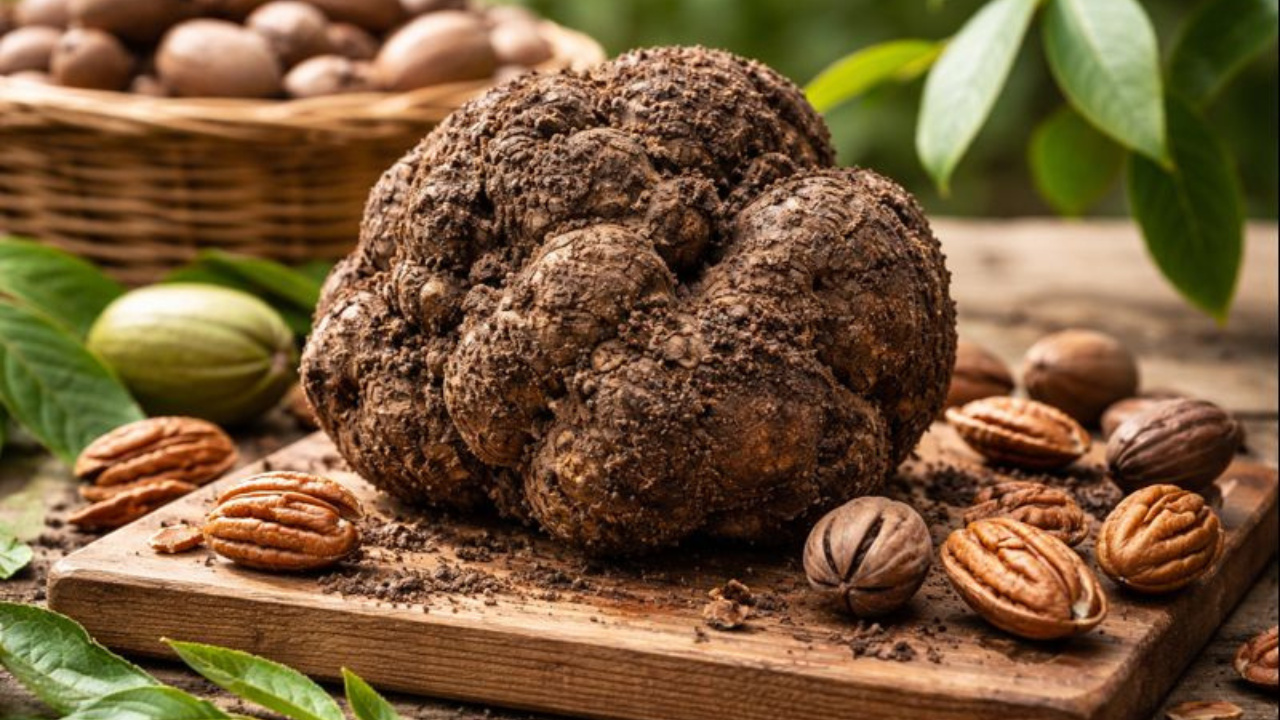


Discovery of the Largest Truffle in Brazil Reveals Sapucay Truffle, A Rare Underground Fungus Highly Valued by Luxury Cuisine.
What happened was a historical discovery for Brazilian cuisine:
The team at Fazenda Pecanera Brasil found, in January, the largest truffle in Brazil, weighing 213 grams, during an organized search in the orchard of Encruzilhada do Sul, in the interior of Rio Grande do Sul.
And why does this matter? Because it is a rare underground fungus, highly valued by luxury cuisine, which consolidates the country on the international truffle map.
-
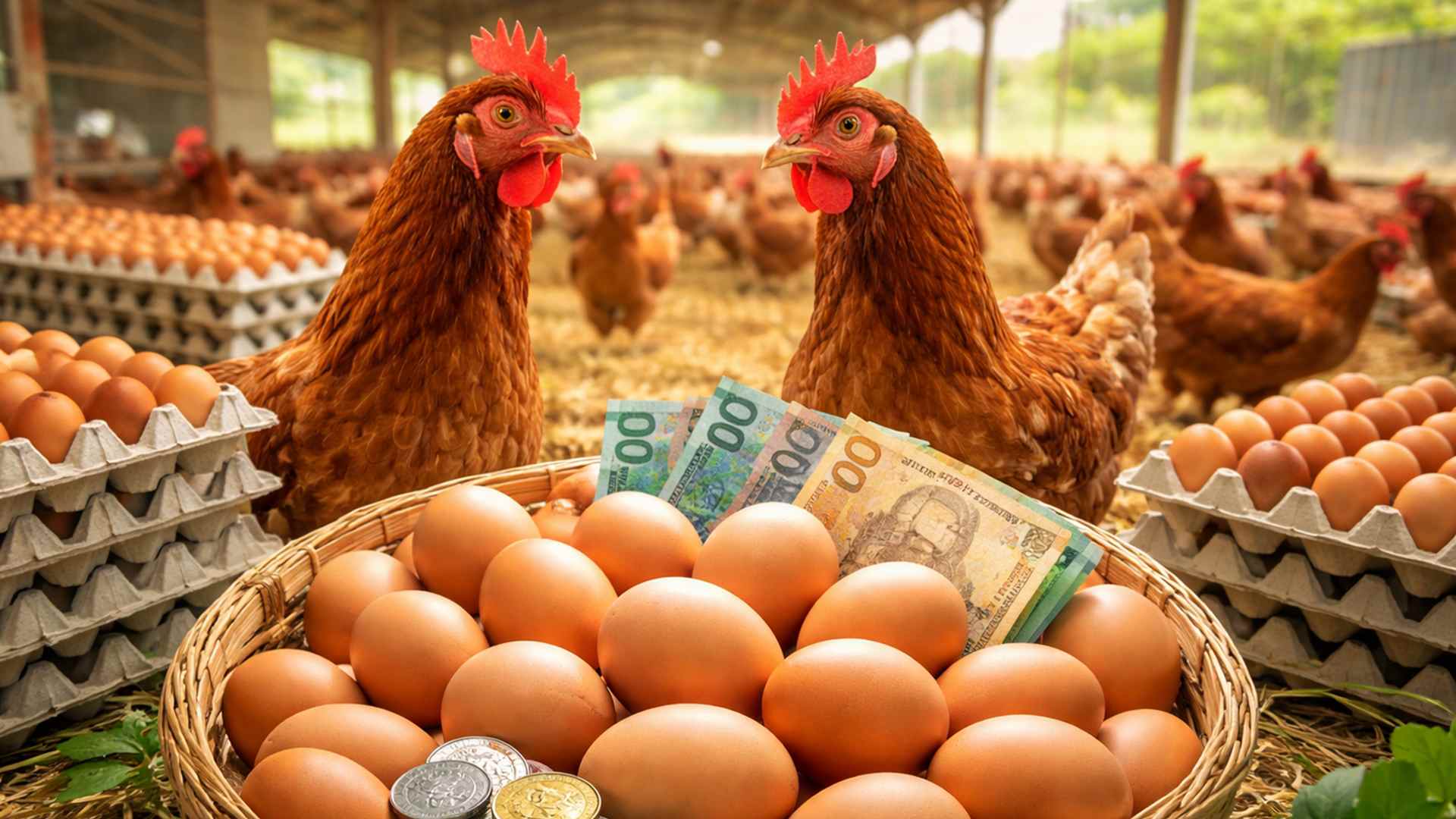
Money with chickens: how much can 200 laying hens yield per month with eggs at R$ 12 per dozen?
-
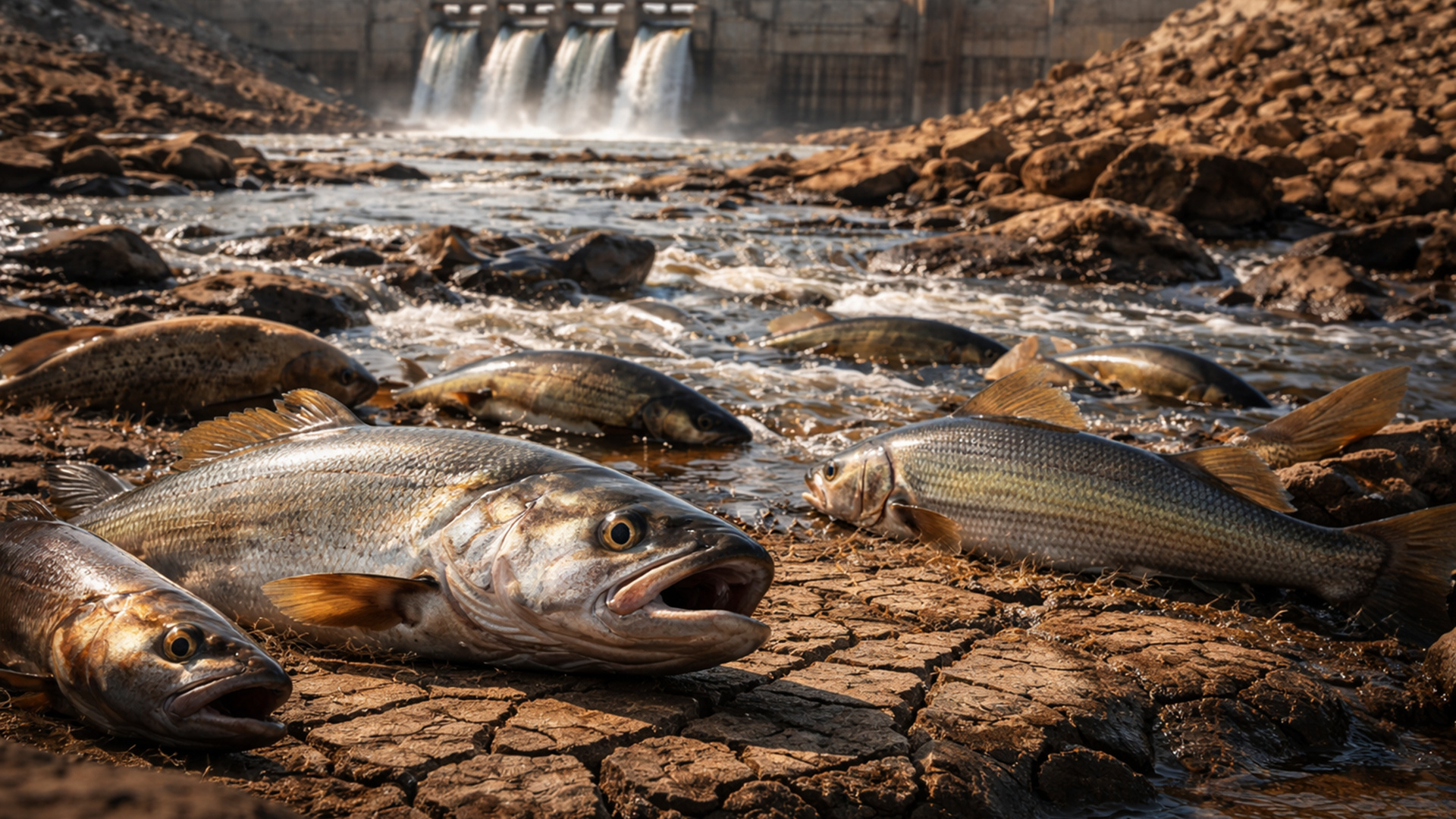
As dams and pollution advance, migratory freshwater fish are facing a silent global crisis that has already decimated populations, threatened fisheries, and raised alarms in major basins.
-
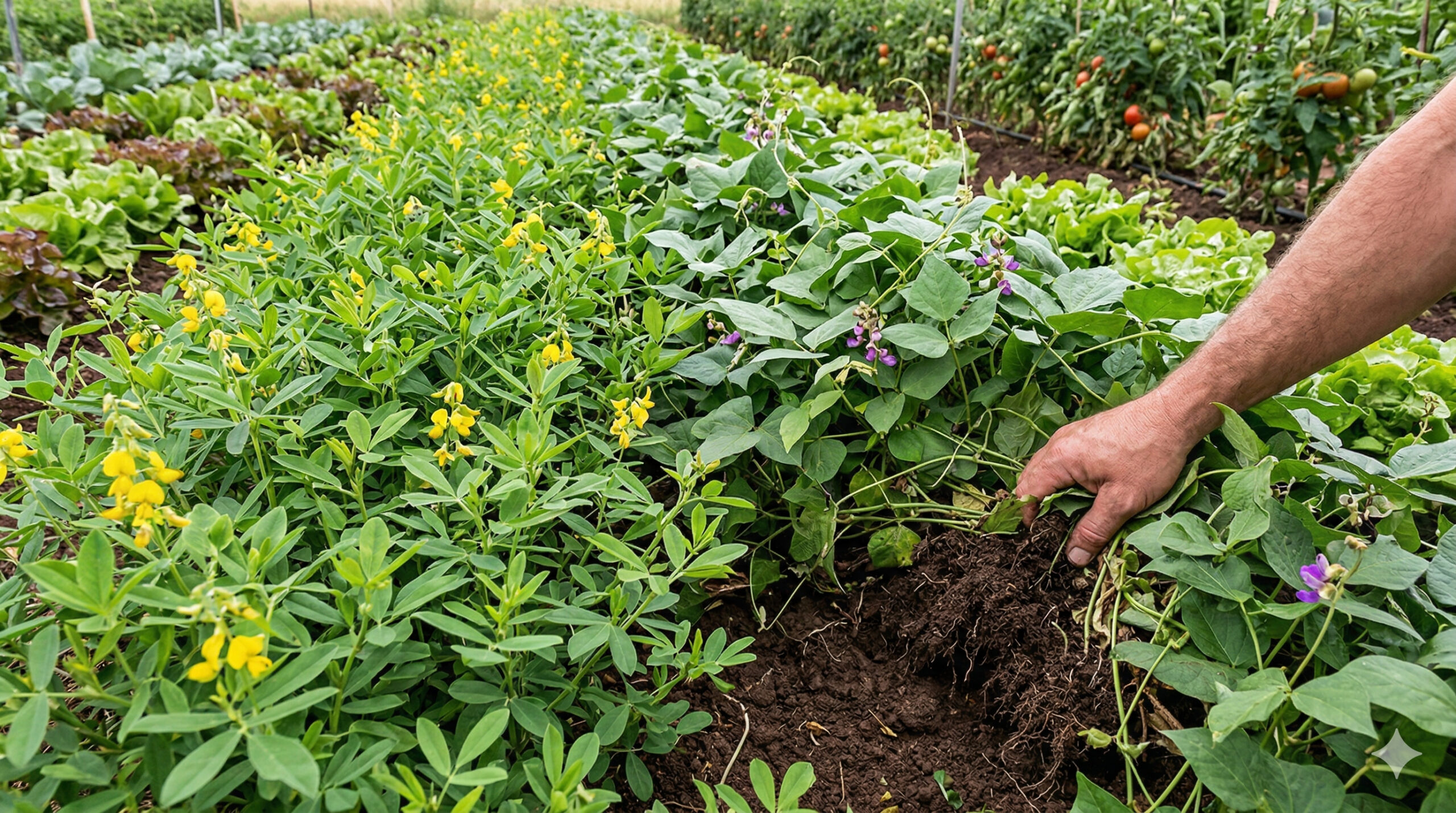
Crotalaria, mucuna, and other cover crops stop being “weeds” between harvests and become central to agriculture by improving the soil, adding biomass, and enhancing green fertilization in vegetable production.
-
Coruripe Mill secures international financing of R$ 530 million and boosts the sugar-energy sector.


The specimen belongs to the Sapucay truffle variety and emerged in an area dedicated to pecan nut cultivation, a practice developed on the property for over a decade.
Right from the start, the size is impressive. The piece weighs more than twenty times the commercial standard, which is around 10 grams.
Thus, the find surpasses the average expected weight for this type of delicacy by 2,030%, something considered exceptional even among specialists.
Historical Discovery in Pecan Nut Cultivation
The largest truffle in Brazil was found at Fazenda Pecanera Brasil, a reference in pecan nut cultivation in the state.
The property has been working with the culture for 11 years and has begun to invest, in an integrated manner, in the associated production of truffles.
According to the manager and partner of the farm, Gabriela Zaffari, the discovery occurred during a “hunt” organized, a common method in this type of production.
“The truffle was discovered in the first week of January and has the appearance of a spongy stone.
It is robust and the size of a palm. Here, we have seen pieces weighing more than 150 grams, but one over 200 grams like this, we had never found. It is the largest in Brazil.”
The account reinforces the rarity of the find and explains why it gained immediate repercussion in the gastronomic sector.
What Is the Sapucay Truffle and Why Is It So Valued?
The Sapucay truffle is a rare, edible underground fungus that grows below the soil in association with the roots of specific trees.
With an intense aroma and striking flavor, it is known worldwide as the “diamond of the earth,” a common expression in luxury cuisine.
Of North American origin, this variety has adapted to the Brazilian climate and has found ideal conditions to develop alongside the pecan tree.
However, the process is slow and unpredictable, which makes large specimens extremely difficult to find.
Additionally, the location requires special techniques.
Since it grows buried, the correct harvesting depends on the use of trained animals, especially scent dogs, capable of identifying the aroma underground without damaging the tree’s roots.
Why Does the Largest Truffle in Brazil Have Such High Value?
The specimen found in Rio Grande do Sul was valued at around R$ 2,100.
The calculation takes into account the market price, which varies between R$ 8 and R$ 10 per gram, according to Marcelo Sulzbacher, founder of Simbiose Tartufo, a company specializing in pecan nut seedlings with inoculated truffle spores.
According to the expert, three factors explain the high value of this type of delicacy:
Specific cultivation conditions;
Difficulty of location;
High perishability.
“The Sapucay truffle is an extremely complex underground fungus that only develops in association with certain very specific trees. Growth is slow, and large specimens are extremely rare.
Furthermore, the use of trained animals, such as dogs, is critical for correct harvesting,” he explains.
Thus, the larger and more intact the truffle, the greater its commercial and gastronomic value.
Previous Records and the Evolution of Production in Brazil
Marcelo Sulzbacher was also involved in another important milestone.
In 2021, he participated in the discovery of a 134-gram Sapucay truffle in Cachoeira do Sul, also in Rio Grande do Sul. At that time, the piece was found by Nero, a scent dog only 11 months old, and was considered the largest in the country until then.
“Since that episode, there have been no recorded pieces larger. Therefore, the current truffle becomes the heaviest according to our knowledge,” he states.
This history shows that Brazil has been gradually advancing in truffle production, driven by pecan nut cultivation and mastery of management techniques.
Comparison with World Records in Luxury Cuisine
On the international scene, producers found in Italy, in 2014, the largest truffle ever recorded.
The specimen weighed up to 1.89 kilograms, although the officially recognized record is 1.786 kilograms, due to moisture loss before certification.
An auction held in New York sold the truffle for US$ 61,250, a value equivalent to about R$ 330,000 at the current exchange rate.
Although far from this level, the largest truffle in Brazil represents a significant advance for the country in luxury cuisine.
Thus, the Gaucho find is not just a curiosity.
It signals Brazil’s potential in producing a rare underground fungus, capable of generating added value, attracting renowned chefs, and placing Brazil on an increasingly relevant route in the international truffle market.






Que ótima notícia para a gastronomia brasileira!¡!!!