





 Portuguese
  English
  Spanish
  8 min of reading
  0 comments


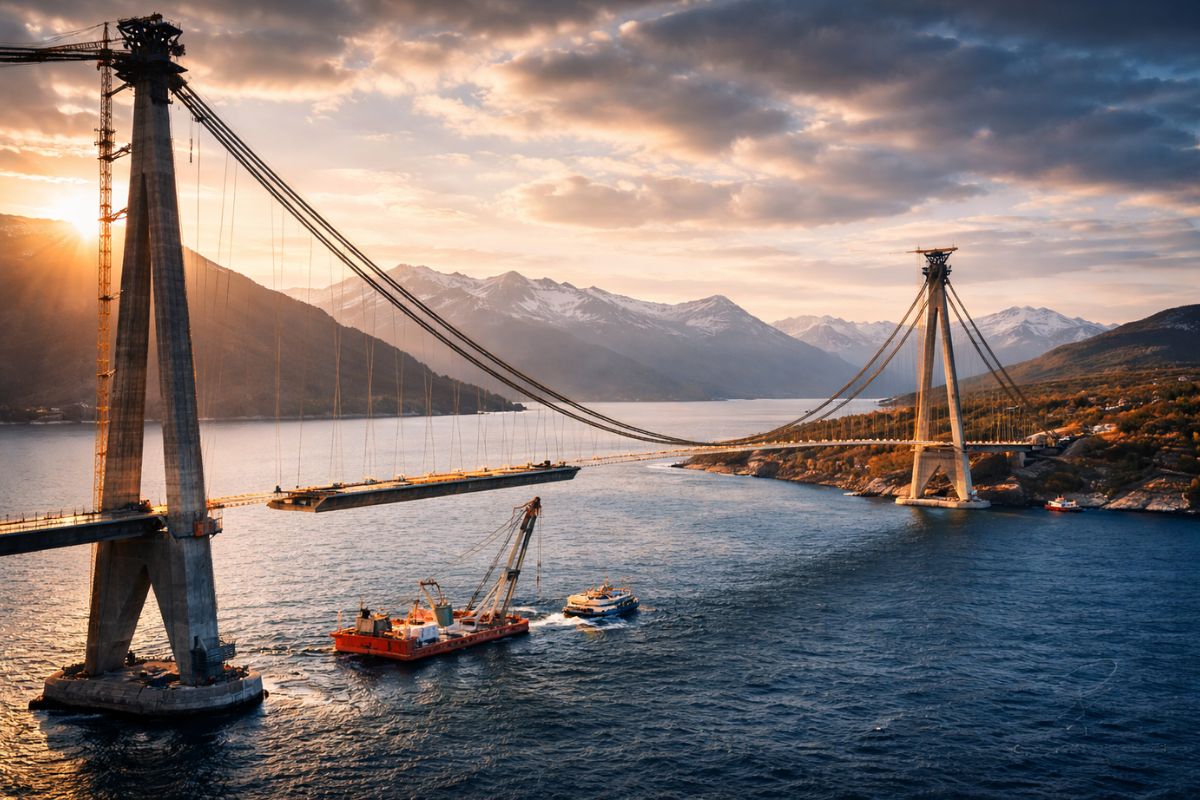
On The Coast Of The Norwegian Sea, The Longest Suspension Bridge In The Arctic Advances As A High-Risk Operation: Twin Towers Of 172.52 Meters, Continuous Concrete For 32 Months, Main Cables Pulled Wire By Wire, And A 7,000-Ton Deck That Can Only Be Assembled In Calm Before Winter.
The Longest Suspension Bridge In The Arctic Has Gone From Being A Blueprint Idea To A Timed Construction In The Far North, Where Narvik Meets The Norwegian Sea And The Rombak Fjord Separates Routes, Neighborhoods, And Supply Chains. With A Budget Estimated At 450 Million Dollars, The 1.6 Km Crossing Depends On Decisions That, Here, Do Not Wait For Next Week: They Wait For A Wind Window.
Two Names Summarize The Daily Pressure: Structural Engineer Jamal Assad, Responsible For Reducing Risks In A Structure That Responds To The Weather, And Project Manager Dagron Cassen, Who Coordinates A Contingent Described As 900 Engineers And Workers From Norway And Other Countries. The Real Clock Is Not The Paper Schedule, It Is The Weather.
Why Did Narvik Accept The Most Difficult Project On Its Map

Narvik Appears As An Industrial City And Also As A Passage Point For Those Heading North.
-
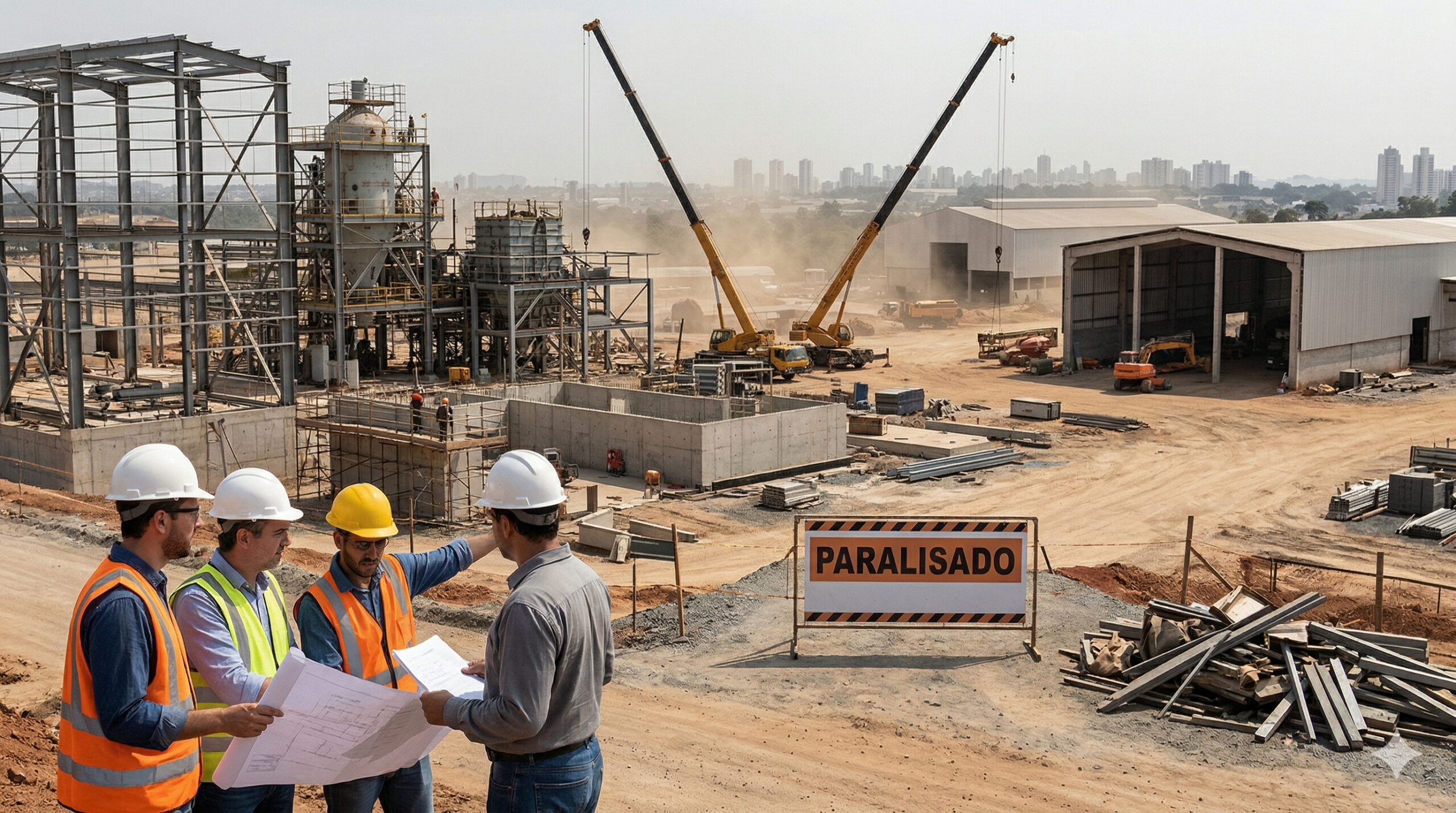
The lack of welders, electricians, and operators becomes a structural threat in 2025, with the construction industry and manufacturing already suffering from delays, cost pressures, and labor shortages in Brazil.
-
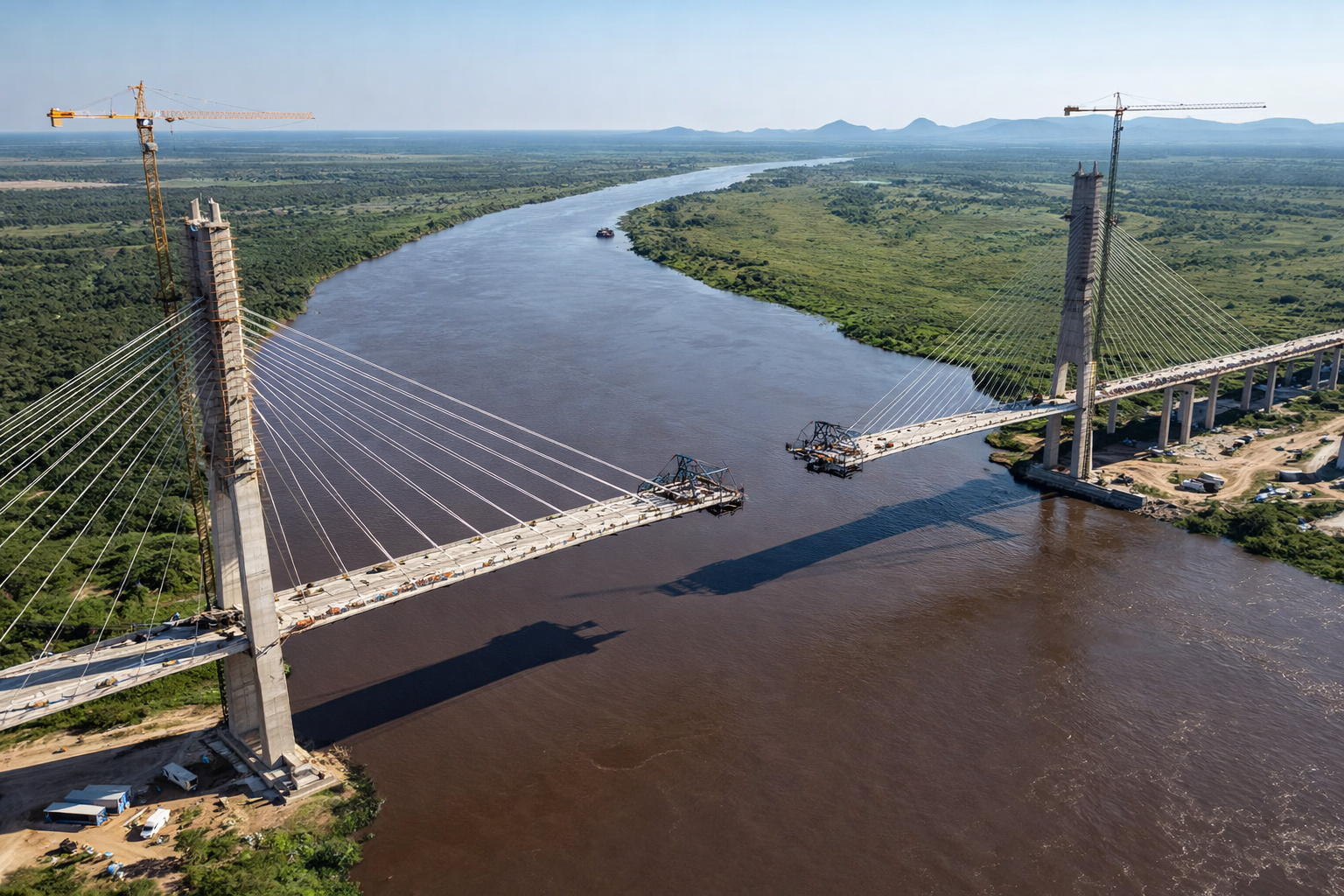
Brazil and Paraguay are just 46 meters away from a historic union on the bioceanic bridge that promises to revolutionize trade between the Atlantic and the Pacific.
-
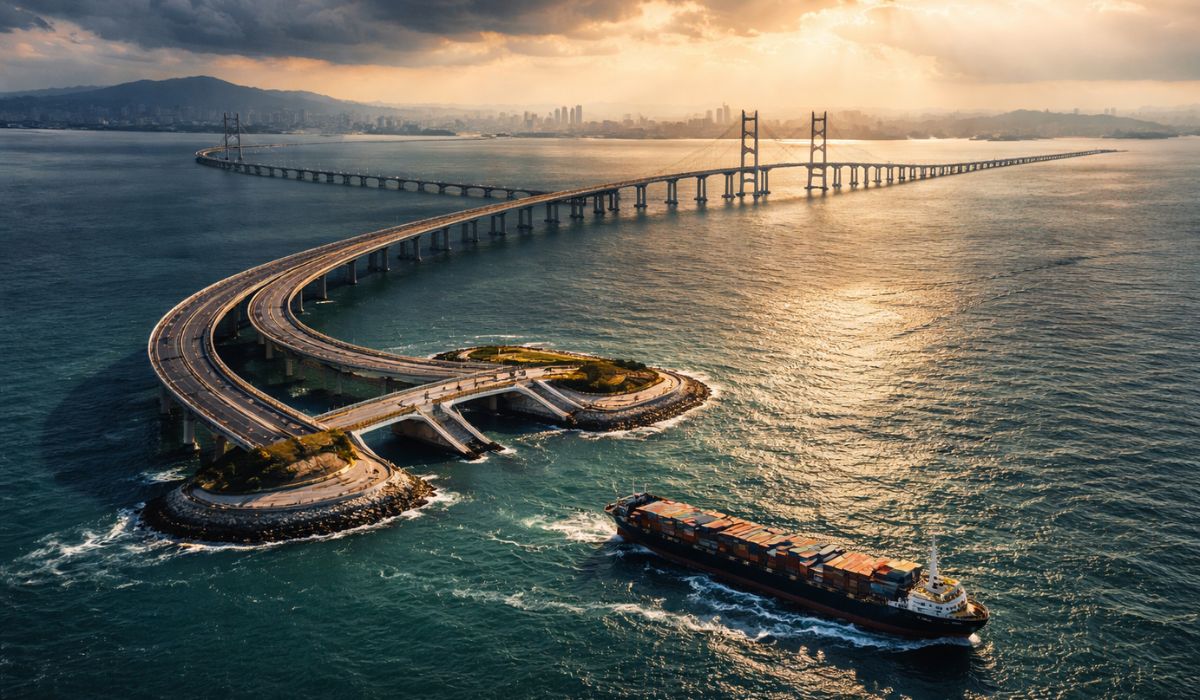
With 55 km over the sea, a cost of US$ 20 billion, and enough steel to build 60 Eiffel Towers, China’s largest project has connected Hong Kong, Zhuhai, and Macau in a colossal bridge that defies the logic of engineering.
-
A trick with joint compound transforms a Styrofoam ceiling into a plaster-like ceiling: leveled panels, wires and mesh at the joints, sand, paint, and change the environment while spending little today.
The Problem, Reported By Those Who Live There, Is That The Overland Alternative Requires Going Around The Rombak Fjord Via A Road Described As Winding And Dangerous, Subject To Rock Slides And Landslides That Have Already Caused Deaths And Injuries.
The Longest Suspension Bridge In The Arctic Enters This Scenario As Infrastructure For Risk And Time Reduction.
The Central Promise Is Simple, Although The Execution Is Not: Shorten The Path, Take Traffic Off The Most Exposed Section, And Provide A More Predictable Crossing In Winter When The Old Road Becomes Even Harder To Navigate.
For A City Of About 14,000 Inhabitants, The Impact Of A Stable Link Can Be Disproportionately Large.
A Towers, 42,000 Tons Of Concrete, And The Need To Keep Going

The Two Twin Towers In An A Shape, Described As Built With Over 42,000 Tons Of Concrete, Are The Most Visible Element Of The Project In The Rombak Fjord.
The Height Cited For The Towers Reaches 172.52 Meters, And The Choice Of Large Volume Reinforced Concrete Has A Practical Reason: Rigidity And Durability In A Place Where Wind And Ice Challenge Everything.
To Make The Towers Grow Quickly, The Team Adopts A Sliding Form Technique, With A Mobile Mold That Slowly Rises With The Help Of Hydraulic Jacks.
The Execution Is Described As Continuous, 24 Hours A Day, With Progress Of About 2.5 To 3 Meters Per Day, Over A Period Cited As 32 Months. This Is The Type Of Task Where A Pause Becomes A Structural Defect, Not A Rest.
The Concrete, However, Suffers In The Harsh Environment. There Are Mentions Of Annual Temperature Variations That Can Range Up To 40°C In The Region, Forcing The Structure To Expand And Contract.
The Reported Solution Involves Separating The Access Road And The Base Of The Tower, Installing Sliding Bearings That Allow Movement Measured At 1 To 2 Centimeters According To The Temperature, Reducing The Risk Of Cracks And Accumulated Damage.
Cables Weighing 2,000 Tons And Wire-By-Wire Work High Above

After The Towers, The Longest Suspension Bridge In The Arctic Depends On What Is Almost Invisible To The Naked Eye: The Cables. The Technical Report Describes Two Colossal Main Cables, With A Cited Length Of 1,760 Meters, Designed To Support The Deck And Traffic Load.
Each Main Cable Is Described As Composed Of 40 Strands, And Each Steel Wire Combines 127 Individual Wires.
The Routine At This Stage Seems Craftsmanship Despite The Scale. Workers Use Winches And Pulleys To Pull Each Wire, One By One, Over The Towers.
On Good Days, The Team Says It Was Possible To Pull Up To Three Wires, But The Reported Average Drops To One Wire Per Day. When The Wind Dominates The Valley, Engineering Becomes A Discipline Of Patience.
The Risk Is Not Abstract. There Is A Reported Incident Where Strong Winds Caused Loose Wires To Move And Strike, Damaging A Cable And Requiring Evacuation From The Bridge.
On A Site Where Work Is Done Hundreds Of Meters Above The Icy Water, The Decision To Stop Is Part Of The Safety Method, Not A Sign Of Failure.
Anchorages Inside The Mountain And The Weight The Rock Assumes
At The Ends, The Cables Do Not End In The Air. The Project Describes Anchorages Installed In The Heart Of The Mountains, Involving Excavating A Cavernous Chamber More Than 45 Meters Deep.
The Team Describes A Large Layer Of Concrete, Treated As An Anchorage Base, And A Structural Wall That Connects The Set To The Tensioning System.
The Logic Is To Take Advantage Of The Resistance Of The Geology Itself. The Anchorage Is Presented As Something That Uses The Volume Of Rock As A Counterweight To Hold The Cables And, Consequently, The Deck.
When The Mountain Becomes A Component Of The Project, The Error Stops Being Local And Becomes Systemic.
This Detail Conveys A Broader Point: In Suspended Structures, Forces Redistribute. Cables Transfer Load, Towers Return Some To The Ground, And The Anchorages Close The Circuit.
In The Rombak Fjord, This Circuit Was Designed To Remain Firm Even In Extreme Wind And Cold.
Aerodynamic Deck, 30 Sections, And The Memory Of A Historical Collapse
The Deck Is Described As A Set Of 30 Custom-Made Steel Sections, With Sections Cited As Weighing About 250 Tons Each And Hollow Design To Reduce Weight.
The Team Treats The Deck As The Phase Where The Project Changes Scale: It Stops Being Tower And Cable And Becomes A Suspended Road, With 7,000 Tons Of Roadway Cited In The Planning.
The Concern About Wind Appears As A Central Theme In The Calculation. The Structural Engineer Cites Turbulence In The Area And The Need To Design The Deck To Handle Gusts.
The Historical Example Remembered On Site Is The Tacoma Narrows Bridge, Which Went Into Oscillation And Collapsed A Few Months After Inauguration, A Lesson About Aerodynamic Stability In Slender Structures.
The Response Here Is A Deck Edge With An Aerodynamic Shape To Smooth The Airflow And Reduce Vortices, Aiming To Limit Oscillation Angles.
The Longest Suspension Bridge In The Arctic Cannot Afford To Learn From The Wind After It Is Open.
From China To Narvik: Steel Logistics And Inspection To Avoid Lost Years
Part Of The Deck Arrives By Sea. The Report Mentions Manufacturing In A Factory In China And Shipping By Freighter, With Cargo Cited As 12,000 Tons, To The Port Of Narvik.
Upon Disembarking, The Work Becomes Inspection: Internal Checking Of Each Section For Damage, Holes, Or Rust, With Special Attention To The Risk Of Seawater Entering Sealed Compartments.
The Pressure Is Practical. The Team States That If A Section Were Damaged Enough To Compromise Use, Replacement Could Take Up To Three Years To Be Manufactured.
This Explains The Apparent Slowness In Removing Supports And Fixing Columns From The Ship: A Miscalculated Impact Can Destroy Months Of Work.
Here, Cables, Deck, And Schedule Meet. Without The 30 Sections In Perfect Condition, There Is No Possible Lifting Sequence.
In Logistics, Delay Does Not Stem From The Wind; It Emerges From Dents.
The Window Before October And The Choreography Of The Floating Crane
The Team Speaks Openly About The Informal Deadline: Mid-October, When The Risk Of Strong Winds And Bad Weather In The Arctic Increases.
The Deadline Is Not Literary; It Is Operational. Without Installing The Complete Deck Before The Weather Turns, The Project Would Need To Be Interrupted And Resumed In The Following Season, Bringing Additional Costs And Risks.
Before The Deck, Another Critical Stage Enters: Installing 110 Suspension Cables And Steel Clamps That Connect The Deck To The Main Cables.
One Of These Suspension Cables Is Described As Weighing About 4 Tons And Measuring Over 122 Meters, And Lifting It Almost 167 Meters Above The Water Requires A Stable Barge, Favorable Tide, And Radio Coordination.
Captain Oddbjorn Is Cited As Someone Who Monitors The Weather And Tide To Keep The Barge In The Exact Position During The Operation.
When It Is Time To Place The Deck Sections, The Central Equipment Is A Floating Crane Described As Ugland, Said To Be The Largest In The Country, With An Arm Close To 120 Meters And Lifting Capacity Of Almost 800 Tons.
The Plan Includes Anchorage Points In The Water And Winches That Pull The Vessel Into The Correct Position, Ensuring That Crane And Freighter Move In Unison During The Lift. It Is Engineering, But It Is Also Precision Navigation.
Cables Separated Centimeter By Centimeter And The Cost Of A Lost Day
The Project’s Geometry Creates A Problem: The Roadway Is Described As Being 18 Meters Wide, But The Slender Shape Of The A Towers Brings The Main Cables Closer As They Descend, Narrowing The Passage Space.
The Reported Solution Is To Shift The Cables So That They Are 15 Meters Apart In The Center Of The Span, Using Movable Beams And Hydraulic Jacks That Push The Cables In Steps Of 3.9 Inches.
The Force Cited For This Maneuver Reaches About 30 Hydraulic Tons, And Progress Is Slow: There Is Mention Of Six Hours To Advance Four Meters.
Even So, The Wind Can Interrupt Everything. When The Forecast Indicates Increasing Speed Above The Work Limit On The Walkway, The Team Stops And Returns To Camp Because Insisting Would Be Trading Schedule For Accident.
The Weight Of The Delay Is Also Explicit. The Project Is Described As Having Exceeded The Budget, And The Installation Operation Of The Deck Is Associated With A Cost Of About 100,000 Euros Per Day, A Figure That Turns Bad Weather Into An Immediate Bill.
In The Arctic, The Cost Sheet Has Weather As The Main Line Item.
When The Bridge Becomes A Road: Stability, Asphalt, And What Changes For Narvik
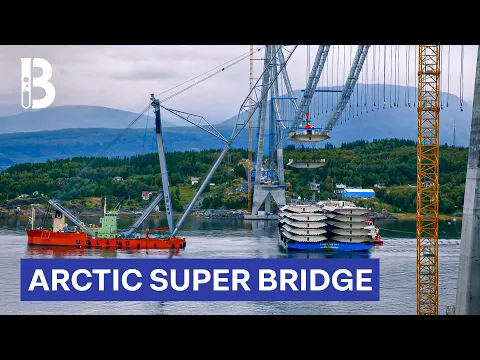

The Assembly Of The Deck Has A Milestone Narrated As Decisive: Uniting At Least Three Sections Within A Short Window Of Calm Time To Provide Stability Against Storms.
There Is A Report Of 72 Hours Of Exhausting Work To Meet A Deadline And Leave A Robust Platform, Described As Able To Withstand A Storm.
With The Deck Complete, The Work Moves To Finishing And Protection. Cables Are Described As Being Wrapped To Resist The Elements, And The Deck Receives Asphalt To Finalize The Road Surface.
The Expectation Mentioned By The Workers Themselves Is That The New Link Will Bring Savings And Reduce Travel Time To Neighboring Cities, As Well As Provide A Safer Passage North.
For Narvik, The Argument Is About The Future. The Crossing Is Associated With Regional Development, Connection With European Routes, And Improvement In Quality Of Life, Especially In Winter.
The Longest Suspension Bridge In The Arctic Here Is Not Just A Record; It Is A bet On Logistical Survival.
When Adding 1.6 Km Over The Rombak Fjord, A Towers With 42,000 Tons Of Concrete, Cables Of 2,000 Tons, And A Deck Of 30 Sections That Must Be Installed Before October, The Project In Narvik Makes A Clear Point: Building In The Arctic Means Daily Negotiating With Wind, Tide, And Light.
If You Had To Choose Where An Investment Of This Size Makes The Most Difference, Would You Invest 450 Million Dollars In A Crossing Like This Or In A Phased Modernization Of The Old Road Around The Fjord, Even With The History Of Accidents, And Why?









-

Uma pessoa reagiu a isso.