





 Portuguese
  English
  Spanish
  4 min of reading
  1 comment


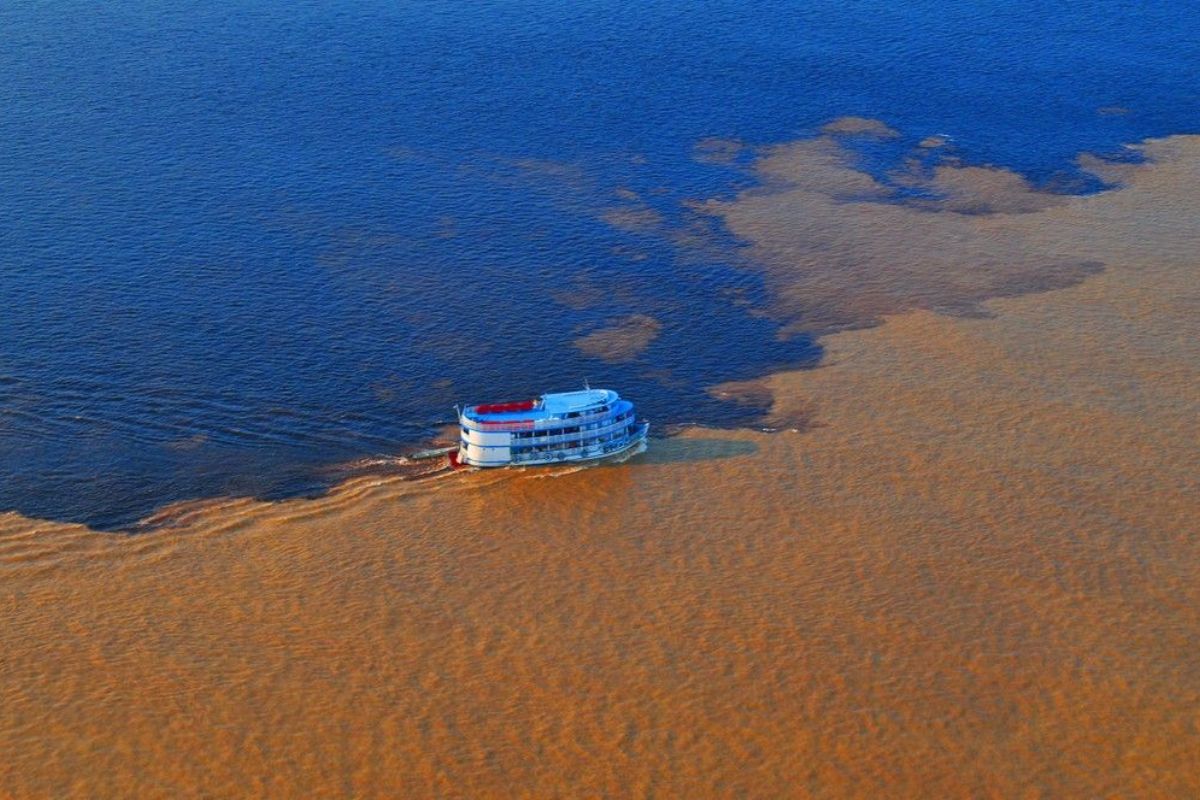


The Famous Meeting of the Waters Is a Spectacle of Nature Where the Dark Waters of the Negro River and the Muddy Waters of the Solimões River Flow Together for Kilometers, Creating a Visible Liquid Boundary to the Naked Eye.
According to tourism guides and geographers studying the region, one of the most impressive spectacles of global nature occurs daily near Manaus, in Amazonas. It is the Meeting of the Waters, the exact point where the Negro River and the Solimões River meet, but surprisingly, they do not mix immediately. The waters of completely different colors and characteristics run side by side for over six kilometers.
The phenomenon creates a perfectly visible liquid boundary, with dark water on one side and muddy water on the other. This natural wonder is not magical, but rather the result of a combination of physical and chemical factors that prevent instant mixing, giving rise to the largest river on the planet.
The Science That Explains the Separation of Waters
The refusal of the two rivers to mix is explained by a set of four fundamental differences between them: temperature, speed, density, and chemical composition.
-
He started running at 66 years old, broke records at 82, and is now a subject of study for having a metabolic age comparable to that of a 20-year-old, in a case that is intriguing scientists and inspiring the world.

-
Oldest tree on the planet reappears after 130 years of searches: Wattieza, 385 million years old, was 10 meters tall and had no leaves or seeds; Gilboa fossils in New York solved the mystery in 2007.

-
A 48-square-meter house assembled in hours with 4,000 bricks made of recycled plastic that does not absorb moisture, has natural thermal insulation, and costs less than 90,000 reais in a complete kit.

-
Luciano Hang revealed that Havan’s air fleet has already accumulated more than 20,000 landings, 10,000 flight hours, and 6 million kilometers traveled, and he says that without the planes, the company would never have grown so quickly.


Temperature: The dark waters of the Negro River are warmer, registering around 28°C, while the muddy waters of the Solimões River are cooler, averaging 22°C.
Speed: The Solimões River is much faster, with a current that varies from 4 to 6 km/h. The Negro River flows more slowly, at a speed of approximately 2 km/h.
Density and Composition: The Solimões is denser due to carrying a massive amount of sediments from the Andes Mountains. The Negro, on the other hand, is less dense but rich in dissolved organic matter, such as humic acids, which gives it higher acidity.
This combination of factors causes the two rivers to run together, but separated, until turbulence and distance finally force them to mix.
Negro River, the Giant of Dark and Acidic Waters
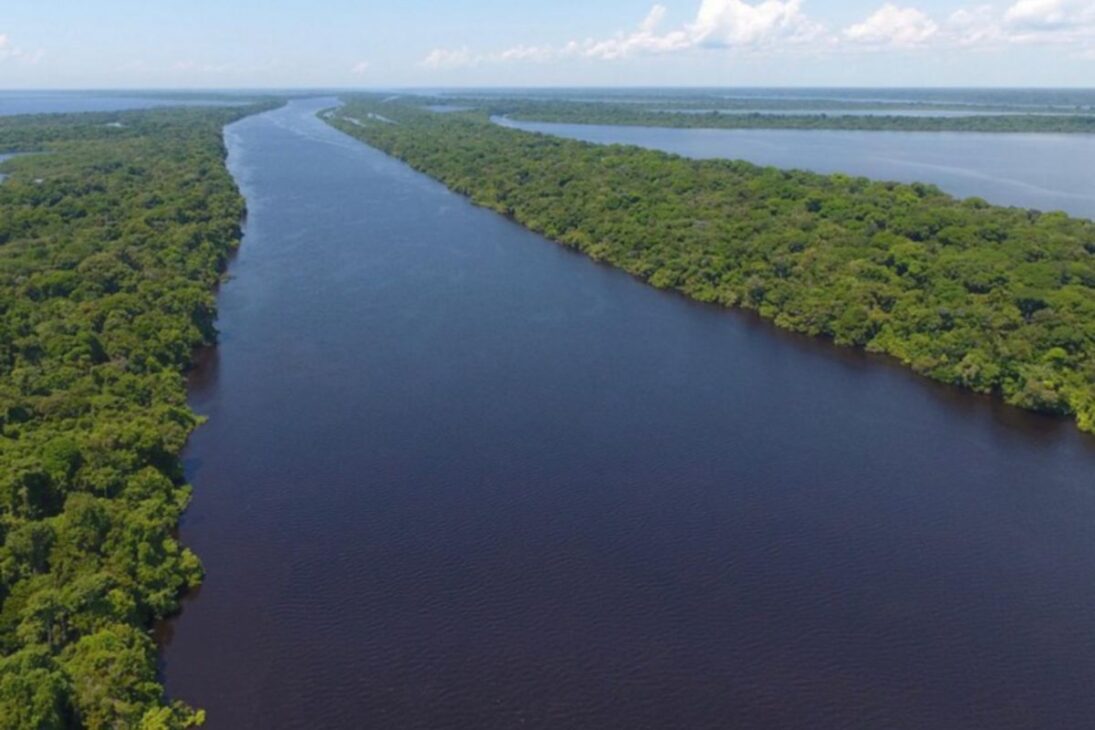
The Negro River is the largest blackwater river in the world. Its dark color, resembling strong tea, does not come from pollution, but rather from the large amount of decomposed organic matter, such as leaves and branches, that it collects along its course.
It originates in Colombia and crosses a region of sandy and ancient soils, contributing few sediments. This results in more acidic water with fewer minerals but of singular beauty.
Solimões River, the Muddy River That Originates in the Andes
The Solimões River is the name that the Amazon River receives in its upper stretch in Brazil. Its journey begins in the Andes Mountains, in Peru. The mountainous and geologically young landscape of the region causes the river to carry a huge load of sediments, such as clay and silt.
It is this large amount of suspended particles that gives the Solimões its muddy color, similar to that of coffee with milk, and makes it denser and richer in nutrients than the Negro River.
The Cradle of the Amazon River
The Meeting of the Waters is not just a visual phenomenon; it is a geographical landmark. It is exactly at this point, where the Negro and Solimões finally unite, that the river is officially called the Amazon River in Brazilian territory.
Therefore, this spectacle of nature is also the cradle of the river with the largest volume of water on the planet, a meeting point of two giants that, together, form the most powerful river system in the world.
The Meeting of the Waters Is One of the Main Tourist Attractions in Brazil
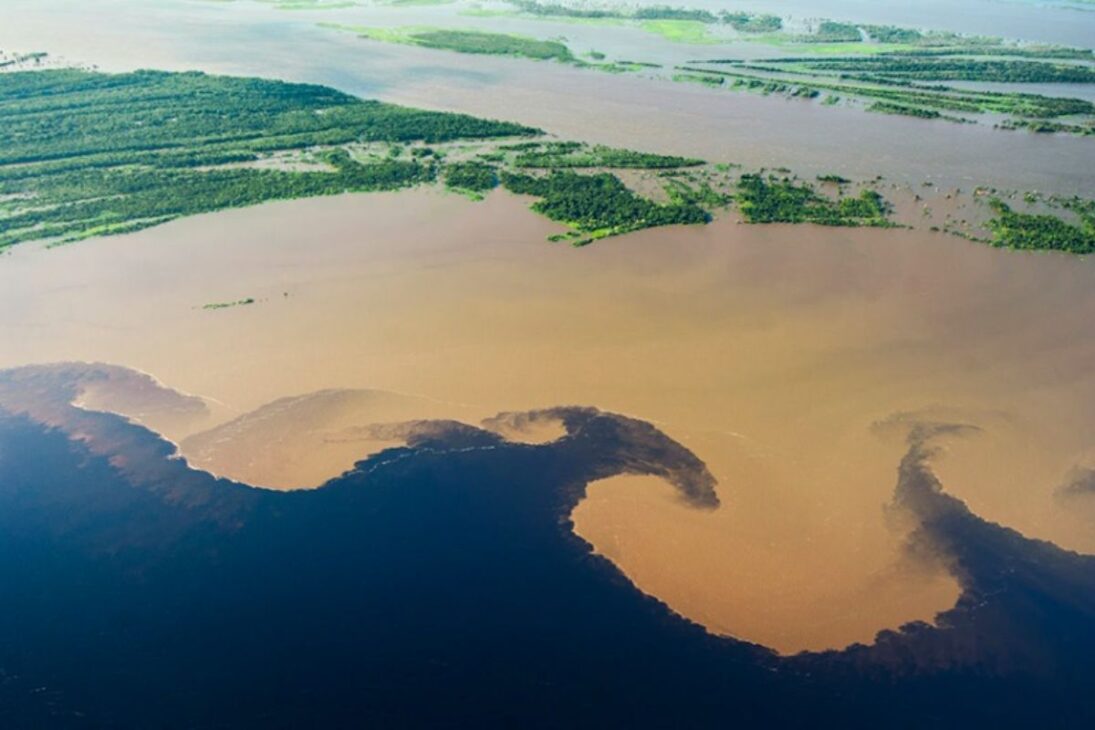
The unique beauty of the Meeting of the Waters has transformed it into one of the main postcards of the Amazon and a must-visit destination for anyone visiting Manaus. Daily, dozens of boats and sightseeing tours take visitors to see up close the line that divides the two rivers.
The experience of navigating over this liquid boundary and feeling the temperature difference between the waters with one’s own hands is one of the most sought-after activities in the region, boosting the local economy and enchanting tourists from Brazil and around the world.








É revoltante ver que esse desgoverno está acabando com a floresta amazônica, nunca em governo algum se queimou tanto.