





 Portuguese
  English
  Spanish
 5 min of reading
  4 comments


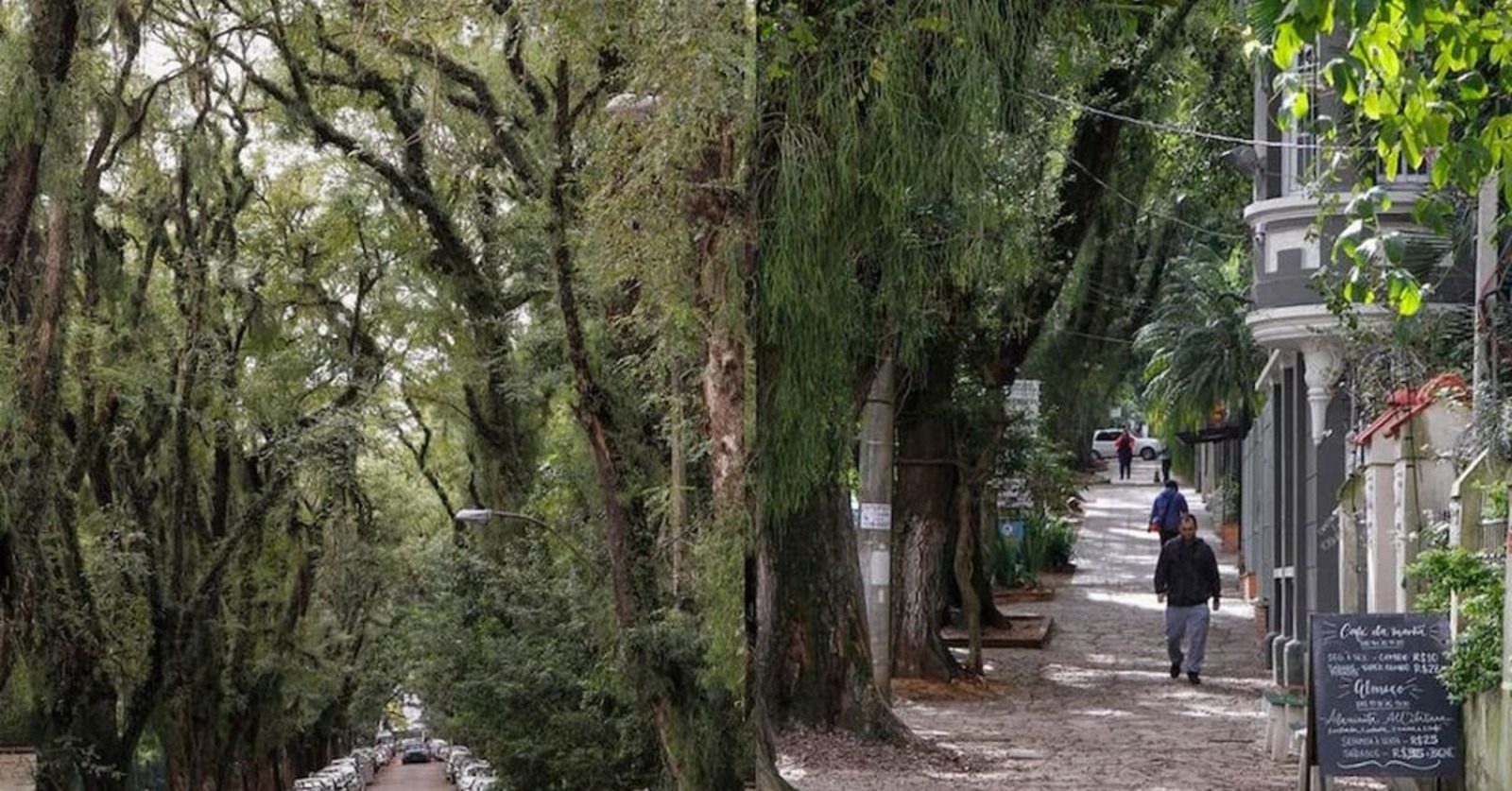


In Porto Alegre, Gonçalo de Carvalho Street Became a World Icon for Connecting Nature and Urbanism: A Green Tunnel Formed by Centenary Tipuanas That Transformed Urban Daily Life Into a Refuge of Beauty and History
Not every Brazilian city is made solely of concrete. Some manage to balance greenery with urbanity so naturally that they seem designed for it. This is the case of Gonçalo de Carvalho Street in Porto Alegre, internationally recognized for the perfect combination of trees, mansions, and urban daily life.
A Green Refuge in the Capital Center
Located in the Independência neighborhood, the street is about 500 meters long and is surrounded by dozens of tipuanas that form a green tunnel over the asphalt.
This lush vegetation not only beautifies the scenery but also reduces heat, improves air quality, and houses various species of urban wildlife.
-
A strong earthquake in Indonesia affects houses and schools, causes panic, triggers a tsunami alert, and records a rise in sea level of up to 30 centimeters in some areas.

-
The Argentine government celebrates the lowest poverty rate in 7 years, but experts warn that the methodology has changed, real wages have fallen, unemployment has risen, and the number of people on the streets of Buenos Aires has increased by 57% since Milei took office.

-
7.8 magnitude earthquake in Indonesia frightens the population, triggers tsunami alert, and hits an island with over 200,000 inhabitants this Thursday.

-
Google will finally let you change that embarrassing Gmail address you created in your teenage years without losing any accounts, logins, or old emails: the feature is already available in the United States.


Additionally, the area retains an important part of Porto Alegre’s history. The buildings from the early 20th century that line the street help preserve the architectural memory of the city center.
This blend of natural beauty and historical value led to Gonçalo de Carvalho Street being declared Environmental Heritage in 2006.


From Charming Street to World Icon
International fame came about unexpectedly. Portuguese biologist Pedro Nuno Teixeira Santos published photos of the street on his blog, highlighting how nature and urbanism coexist in an almost poetic manner.
The images quickly spread across the internet, enchanting people from different countries.
Thus, the street earned the nickname “the most beautiful street in the world.” Although the title is not official, it has solidified through popular strength and the visual impact of the tipuanas’ canopies that form a true green tunnel.
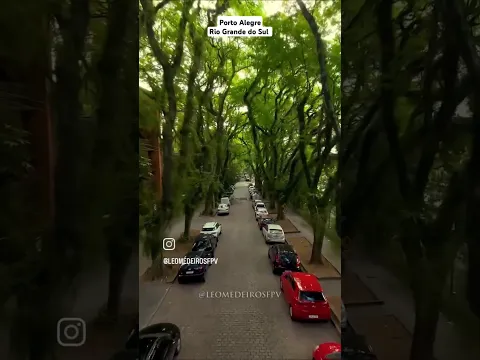
Beauty That Inspires Sustainability
More than just a tourist spot, Gonçalo de Carvalho Street has become a symbol of an urban model that prioritizes collective well-being.
Tourists and locals visit the area to appreciate the contrast between the intense green and the concrete, as well as to understand how small preservation actions can transform a city.
Anyone passing through quickly realizes why the place is so special. The light filtering through the canopies, the sound of birds, and the lighter air make the stroll a sensory and inspiring experience.
With information from Diário do Litoral.
You May Also Like: Medieval Architecture and Cinema Scenario: Among Stone Houses and Rivers, The Most Beautiful City in the World in 2025 Attracts So Many Tourists That It Has Already Become a Problem

Between green hills, rural roads, and stone houses covered by vines, Bibury is a small village in Gloucestershire, Southwest England. The village, which has inspired artists, writers, and filmmakers for decades, was named “the most beautiful village in the world” by Forbes, reinforcing its global fame and attracting even more visitors in search of a fairy tale setting.
A Village Worthy of a Painting
Known for its typical Cotswolds architecture, Bibury is close to Cirencester, considered the region’s “capital.”
British artist William Morris once described it in the 19th century as “the most beautiful village in England” — a title that has now gained global recognition.
Forbes, in its September 2025 edition, highlighted the timeless charm of the place, which had already been praised by outlets like Fox News and HuffPost.
The main postcard image is Arlington Row, a row of golden stone houses along the River Coln. Built in the 14th century as warehouses and transformed into weavers’ homes in the 17th century, these cottages are now the most photographed in the UK.
So much so that they appeared on the £20 notes from the Bank of England, becoming a symbol of British rural identity.
Additionally, the setting of Arlington Row appeared in the film Stardust (2007), starring Michelle Pfeiffer, Robert De Niro, Claire Danes, and Sienna Miller.
The production reinforced the village’s charm, which seems frozen in time and surrounded by lush nature.

Nature and Tradition Preserved in the Most Beautiful City in the World
The River Coln cuts through the heart of Bibury and washes over the so-called Rack Island, a wet meadow that houses typical birds and plants of the region.
The harmony between the landscape and the historical buildings creates a rare balance between nature and urbanism.
Another highlight is the Saxon Church of St. Mary, famous for a stained glass designed in 1927 by Karl Parsons.
The work inspired a series of Christmas stamps from Royal Mail in 1992. Nearby, the Bibury Trout Farm offers an educational experience about fish farming and sustainable water management — activities that reinforce the community’s bond with the environment.
These elements make Bibury a complete destination, combining history, art, and nature.
The Most Beautiful City in the World: Fame That Comes at a Price
Despite global recognition as the most beautiful city in the world, Bibury’s beauty comes with challenges.
With around 700 inhabitants, the village receives up to 20,000 visitors on weekends, causing traffic jams and queues at small shops.
Residents report discomfort with tourists who surpass walls and windows in search of the “perfect photo.”
The chairman of the Parish Council, Craig Chapman, told the BBC that the title is “an honor” but also “a double-edged sword.”
“The amount of tourism that the town attracts is problematic and has a cost for local residents.
It is a great honor, but also a surprise because there is a lot of competition,” Chapman said, summarizing the dilemma between pride and strain that Bibury faces in finally being recognized as the most beautiful village in the world.
With information from O Globo.








Essa rua de Gonçalo de Carvalho, de 500m de extensão, em Porto Alegre-(RS), não chega aos pés da avenida Parque de Torquato Tapadjós, em Itacoatiara-(AM), de 2.000m de extensão, com um túnel central verde, de benjaminzeiros centenários, com pistas para veículos nas laterais do túnel verde.
Viva a democracia!!??
Não sei da onde está tua é a mais linda do mundo. Uma imundice, calçadas esburacadas, suja, cheia de **** de ****, de arrombamentos e assaltantes, não tem até atrativo algum é coisa de jornalista de Porto Alegre que fica inventando modinha, pois Porto alegressense é isso, teclado e aí inventa estas coisas… m
I don’t live there, but there are definitely a lot of good people in that city