





 Portuguese
  English
  Spanish
  5 min of reading
  0 comments


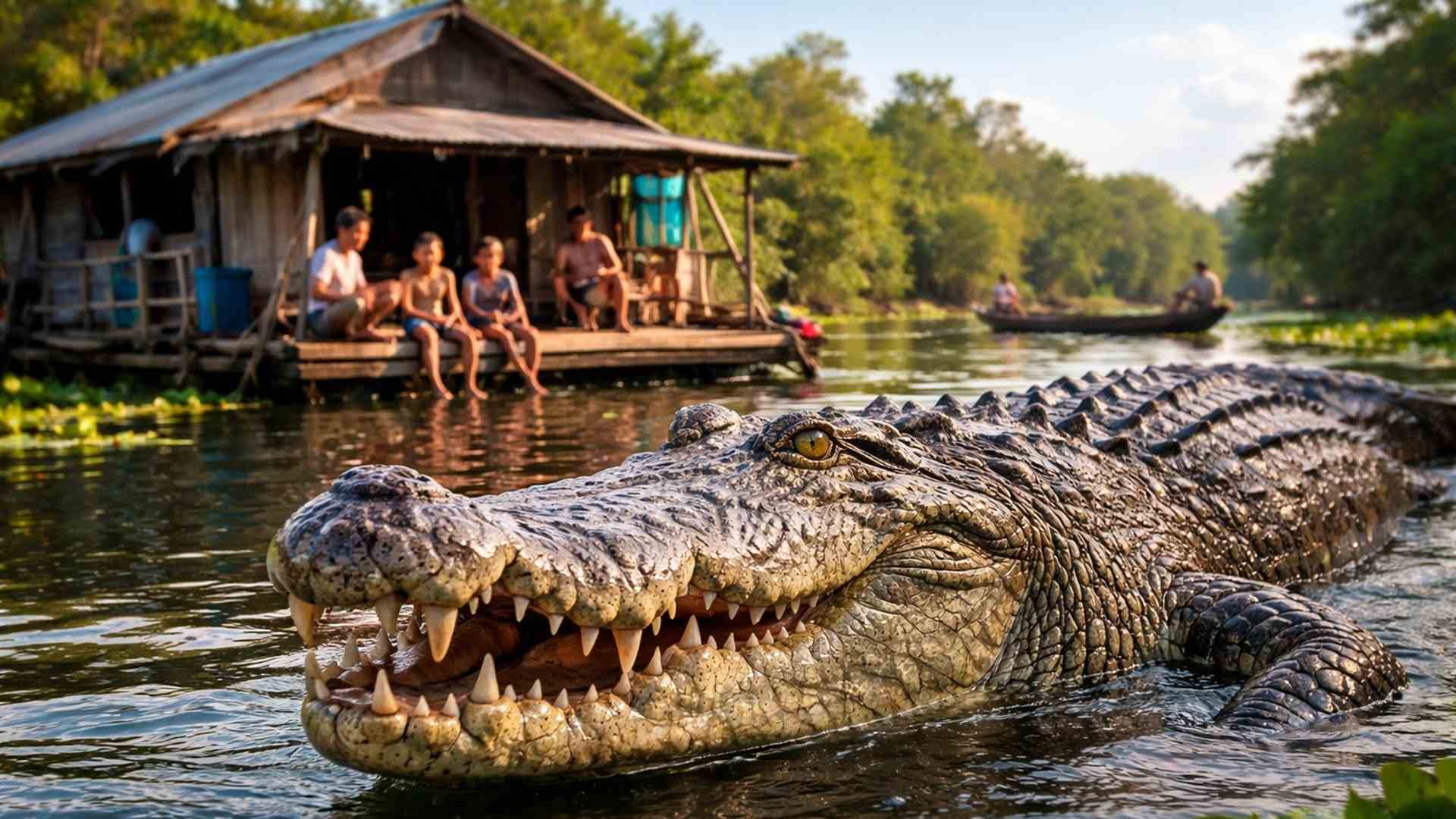
Located in the south of the Philippines, the Agusan swamp houses indigenous floating villages that daily coexist with large crocodiles, including the largest specimen ever captured alive, maintaining fishing, housing, and mobility activities in one of the most dangerous flooded areas of the country, under growing environmental pressure
The Agusan swamp, in the south of the Philippines, gained worldwide attention in 2011 with the capture of Lolong, a 6.17-meter and over one-ton crocodile, after human disappearances and attacks on animals; even today, entire communities live, fish, and raise children on these waters.
The animal was located after weeks of searches conducted by local authorities and residents. The capture occurred after the disappearance of a fisherman, the loss of a water buffalo, and the discovery of the body of a child with its head removed. The crocodile was removed from a swamp in the Bunawan region.
Lolong was officially recognized as the largest crocodile ever captured alive in the world. The specimen was kept in captivity in a concrete structure near the swamp where it lived. The exhibition attracted thousands of visitors and boosted local tourism for a short period.
-
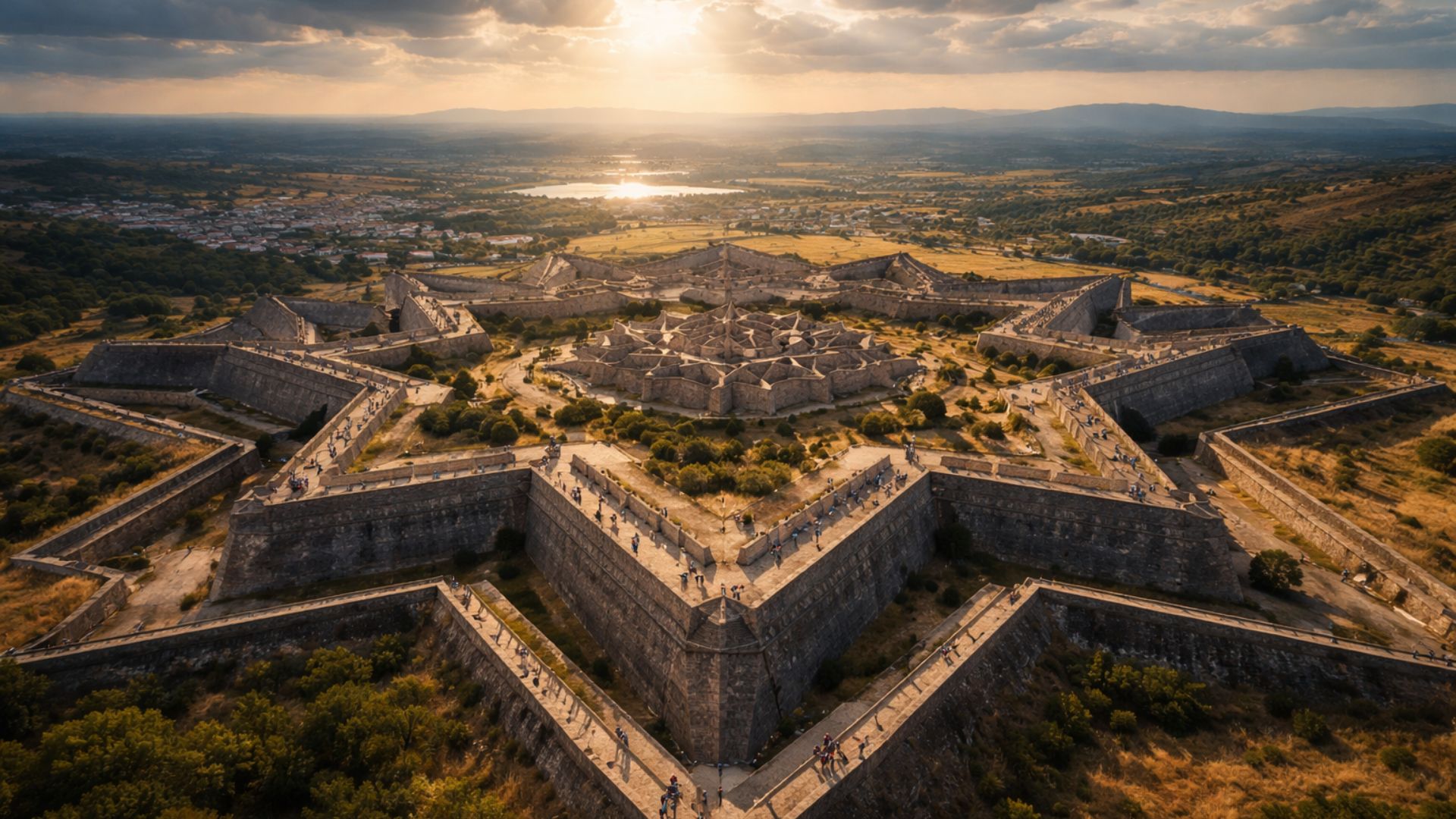
The largest fortress on the planet is located in a city with 10 km star-shaped walls, 300 hectares protected, an aqueduct with 843 arches and 7 km long, strategic forts, and a UNESCO title that intrigues specialists.
-
USS Gerald R. Ford: the floating city of $13 billion where 5,000 sailors serve 17,000 meals a day, sleep in stacked bunks, take 10-liter showers, and keep 75 fighter jets ready.

-
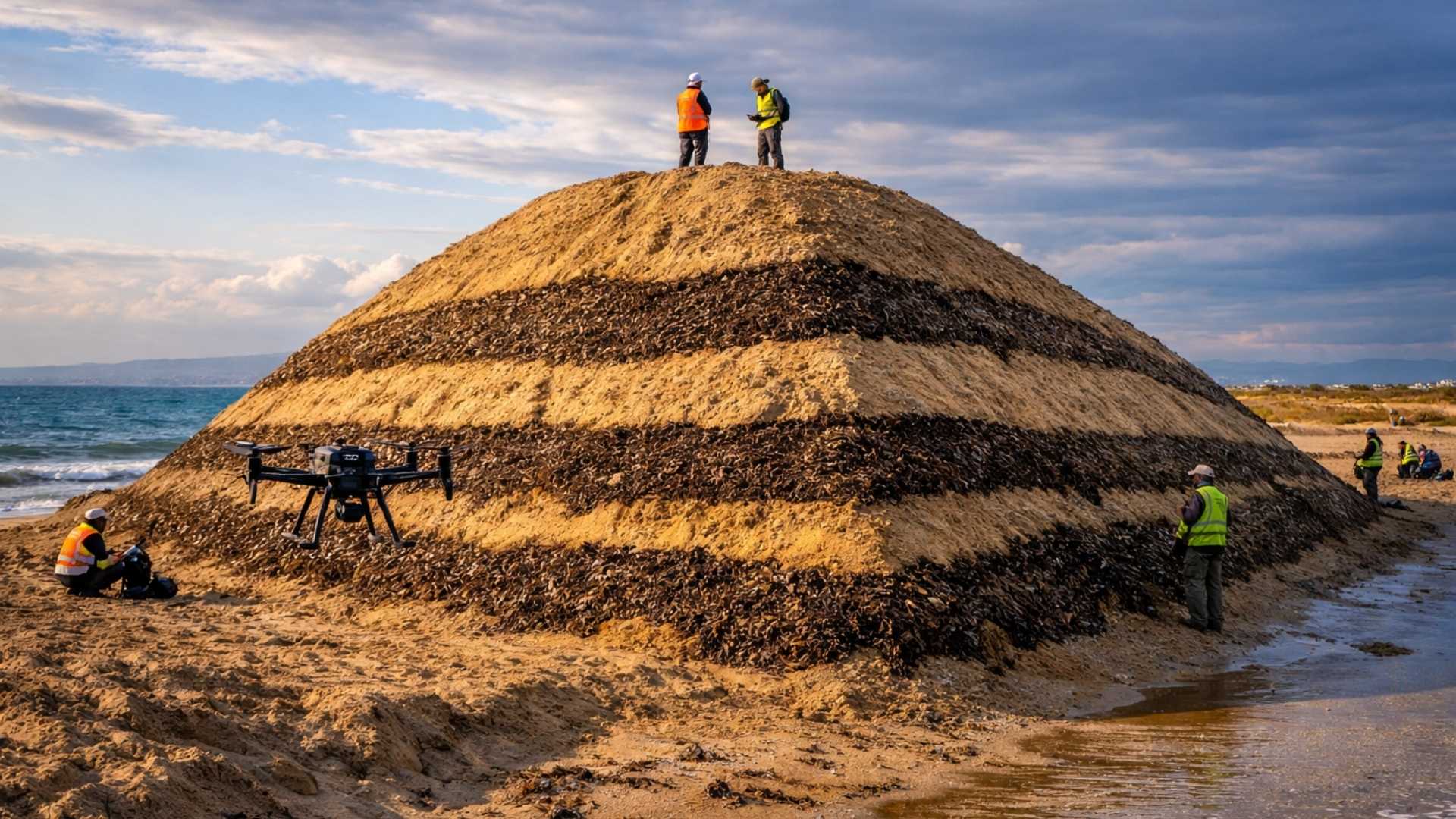
Spain surprises the world by erecting 62 artificial dunes, mixing sand with natural remains of posidonia, and causing the structure to lose only 1.4% of its volume in 1 year.
-
Meta and YouTube condemned for addiction to social media: ruling links the operation of the platforms to the worsening of anxiety and depression.

In 2013, less than two years after the capture, the crocodile died in captivity. The cause was pneumonia combined with organ failure. The body was preserved and began to be displayed in a regional museum, becoming a symbol of the Agusan swamp.
A Swamp Inhabited by People and Predators
Despite Lolong’s fame, the Agusan swamp continues to house other large crocodiles. The area is one of the largest wetland zones in the country and has protected area status, requiring official authorization for visitation. The region is home to birds, reptiles, and extensive flooded areas with no visible dry land.
Communities live on these waters in floating houses. Unlike fixed stilts, the homes rise and fall with the water level.
At certain times of the year, the variation can reach up to 10 meters between flood and dry periods.
The houses can be moved as needed. When fishing becomes scarce in one spot, families tow their own homes to other areas of the swamp. Mobility is a central part of adapting to the unstable environment.
The Manoba and Life on the Water
One of the swamp’s communities belongs to the indigenous Manoba people, considered one of the oldest groups on the island of Mindanao. Traditionally animists, the Manoba have lived off fishing and canoe navigation for generations, maintaining a direct relationship with the swamp.
Subsistence relies almost exclusively on fishing. Nets are cast daily, often using frogs as bait to attract catfish.
However, the traps also tend to attract crocodiles, increasing the constant risk during work.
According to residents, the average monthly income from fishing is around 18,000 pesos, about 300 dollars. The amount corresponds to approximately double the local minimum wage, but varies depending on the season, water level, and presence of aquatic plants that hinder navigation.
Coexistence with Attacks and Accidents
Reports of attacks are part of the recent memory of the region. In one of the mentioned cases, a school boat with children was attacked by a crocodile, which left visible marks on the preserved vessel to this day. In another episode, a fisherman survived after having a leg severely injured.
There are records of fishermen who believed that a crocodile caught in nets was dead and entered the water to release it, being forced to flee when the animal reacted. The size of some specimens is compared to the length of entire boats.
Even so, children continue to swim near the houses. The practice is seen as part of the routine, sustained by spiritual beliefs that attribute a guardian role to the crocodiles, as long as they are respected and not provoked.
Rituals, Beliefs, and Religious Adaptation
The Manoba maintain animist rituals, even after formally adopting Catholicism. Ceremonies are held to honor ancestors and seek spiritual protection. Offerings include alcoholic beverages, soft drinks, eggs, and candles, each item associated with symbolic meaning.
After the rituals, the offerings are taken to the riverbank and delivered to the current. The practice reflects the coexistence between traditional beliefs and the Christian religion, with no strict distinction between both in the daily life of the community.
Residents affirm that respect for the swamp spirits is essential to maintain balance and avoid attacks. Silence in certain areas is observed as a way to not disturb the crocodiles and their territories.
Environmental Pressures and Invisible Pollution
Despite the clean appearance of the water, residents report changes over the years. In 2014, parts of the swamp exhibited a bluish coloration, different from the current hue. The presence of aquatic plants increased at certain times, hindering fishing and movement.
Mining activities, especially for gold, occur nearby. The use of mercury to separate the metal from the soil is cited as a source of contamination. Sediments and toxic substances enter the swamp through drainage from the surrounding lands.
After Lolong’s death, tests indicated elevated mercury levels in its body. This data reinforced the extent of pollution along the food chain, affecting not only humans but also the largest predators in the region.
Changes in the Territory and Risk of Emptiness
Residents report that the river’s course has been deepening and diverting water from the swamp. If the process continues, entire areas may dry up, compromising fishing and the permanence of the floating villages. The phenomenon is seen as a direct threat to the continuity of local life.
The community is already observing a reduction in the number of inhabitants. Children are sent to study elsewhere, and some do not return. The local school operates with few classes and relies on government projects and support from non-governmental organizations.
There is hope that new generations will bring knowledge acquired outside to apply in fishing and community management. Still, the future is described as uncertain in light of environmental and economic changes.
Between Permanence and Displacement
The families do not have formal property titles for the area. Although there is government authorization to stay and fish, there is fear that external interests may pressure for the removal of the communities in the future.
For those living in the swamp, the routine is considered sufficient and self-sustaining. Life continues at its own pace, marked by water, fishing, and daily coexistence with large crocodiles.
At the same time, the accumulation of pollution, the alteration of watercourses, and the gradual departure of young people indicate that this way of life may not last much longer. The question that remains among the residents is how much longer it will be possible to live on these waters.






-

-

-

-

6 pessoas reagiram a isso.