





 Portuguese
  English
  Spanish
  3 min of reading
  1 comment


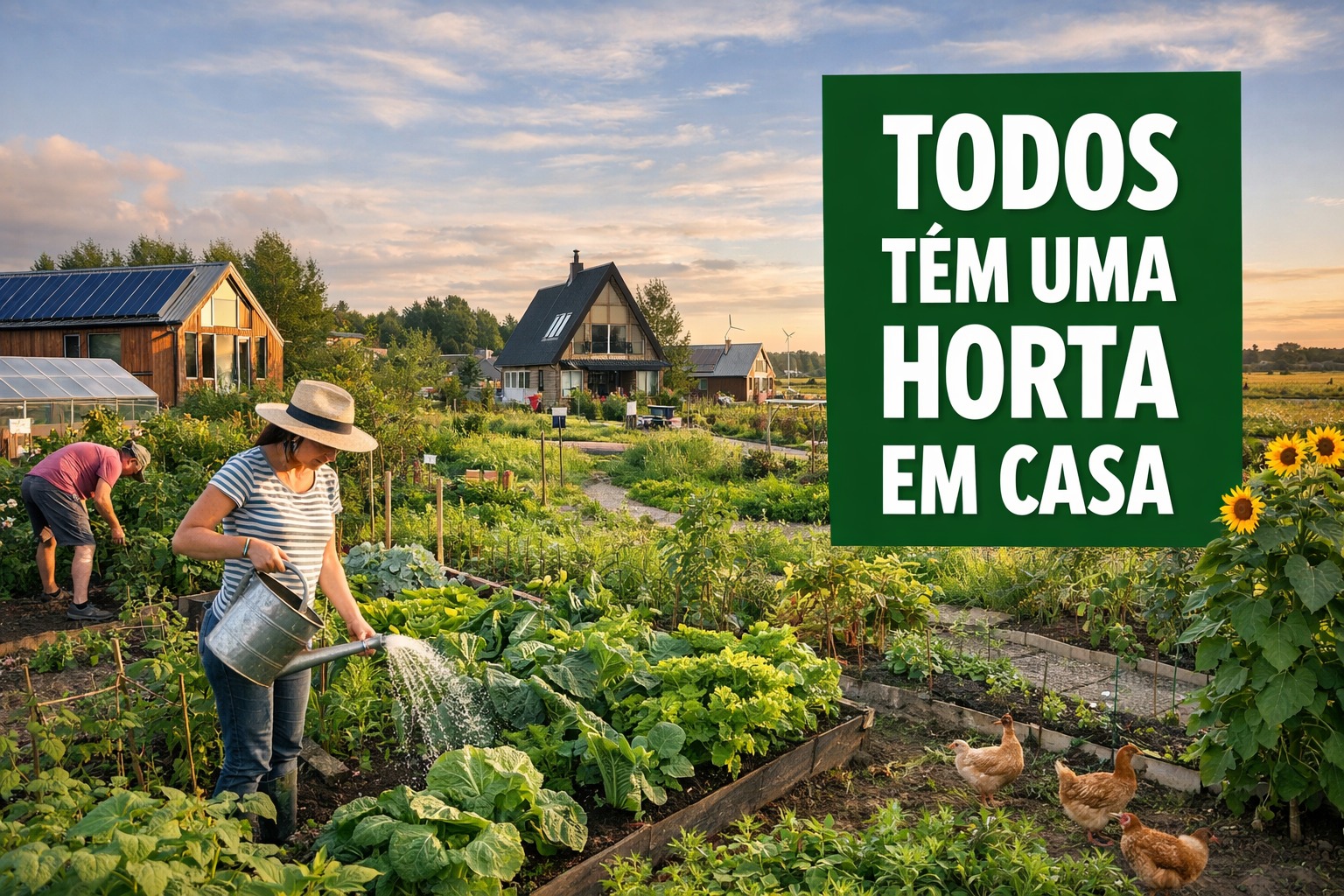


Created in the Surroundings of Almere, the Neighborhood Oosterwold Has Since 2016 An Urban Rule That Requires Agriculture on Half of the Lots, Redefines Land Occupation, Encourages Community Participation and Influences Debates
In a quiet area on the outskirts of Almere, in the Netherlands, Oosterwold emerged, a neighborhood where each plot requires cultivation on at least 50% of the area, integrating housing, food production, and sustainability as a relevant urban experiment since 2016.
Cultivation Rule Defines Land Occupation
The difference of Oosterwold lies in the rule that conditions the occupation of the lot to urban agriculture, making food cultivation a central requirement of the urban project.
By acquiring a plot of land, residents commit to using about 50% of the area to grow edible foods, prioritizing agricultural production over mere ornamental landscaping.
-
The eggshell that almost everyone throws away is made up of about 95% calcium carbonate and can help enrich the soil when crushed, slowly releasing nutrients and being reused in home gardens and vegetable patches.

-
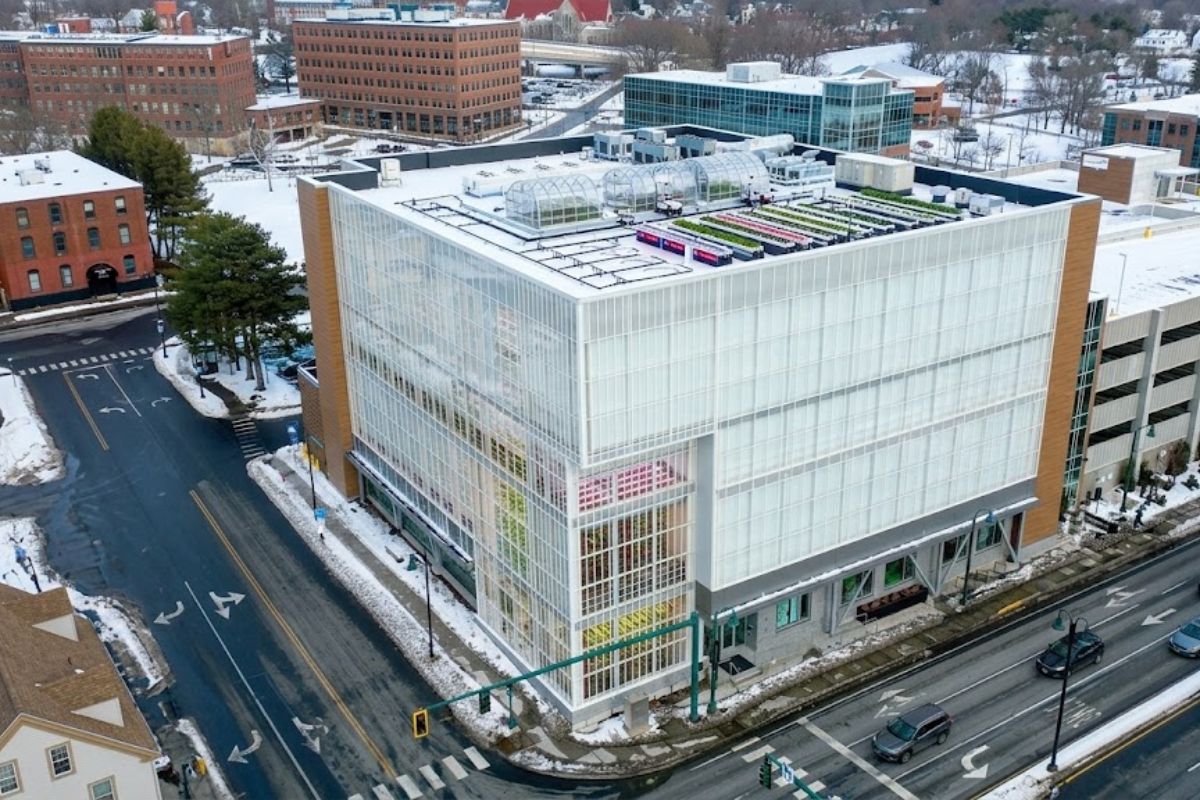
This farm in the United States does not use sunlight, does not use soil, and produces 500 times more food per square meter than traditional agriculture: the secret lies in 42,000 LEDs, hydroponics, and a system that recycles even the heat from the lamps.
-
The water that almost everyone throws away after cooking potatoes carries nutrients released during the preparation and can be reused to help in the development of plants when used correctly at the base of gardens and pots, at no additional cost and without changing the routine.

-
The sea water temperature rose from 28 to 34 degrees in Santa Catarina and killed up to 90% of the oysters: producers who planted over 1 million seeds lost practically everything and say that if it happens again, production is doomed to end.

This model seeks to reduce the distance between the countryside and the city by creating a productive belt inserted directly into the residential urban fabric, bringing everyday consumption and local production closer together.
Since 2016, the neighborhood has gradually grown, with residents participating in decisions about streets, access, common areas, and land use, consolidating continuous collaborative planning.
How the Mandatory Garden Works in Daily Life
In practice, each house coexists with significant productive space, organized in beds, mixed orchards, greenhouses, or simple agroforestry systems, adapted to family preferences.
Formal oversight is limited, but the open design of the neighborhood and the everyday observation of neighbors reinforce the active and productive use of the land.
To make the model viable, residents reconcile full-time work with plant care, resorting to smaller beds, automated irrigation, and adaptable rustic species.
In general, the focus is not on high productivity, but on creating a culture of territorial care, local production, and hands-on learning about everyday cultivation.
Urban Organization and Social Relations
Oosterwold combines architectural freedom with clear requirements for productive land use, favoring diversity of constructions, agricultural arrangements, and individual solutions.
The organization encourages cooperation among residents, who take active roles in defining infrastructure, services, and collective maintenance of the neighborhood.
This arrangement generates a routine of sharing resources, learnings, and agricultural tasks, forming a support network that sustains the urban experiment.
Half of the lot designated for cultivation, conditional architectural freedom, integration among neighbors, and community participation make up central characteristics of the adopted model.
Environmental Impacts and Food Security
From an environmental perspective, the neighborhood increases biodiversity, reduces impermeable areas, and promotes rainwater infiltration into the soil.
Edible gardens, living fences, and small wet areas help to avoid heat islands and create shelter for insects, birds, and other animals.
On the social front, local production enhances food security, decreases the distance between producer and consumer, and creates educational spaces about food.
Even if only part of the diet comes from the garden, exclusive dependence on supermarkets is reduced, strengthening everyday food autonomy.
Indications for the Future of Cities
The routine of Oosterwold indicates that sustainable cities can integrate land, food, and housing, going beyond isolated technological solutions.
Local sustainability includes citizen participation, food production, and continuous learning about cultivation, even with mostly amateur residents.
As an urban precedent, the neighborhood serves as a case study for contexts of urban expansion, food insecurity, and loss of green areas, offering practical references for territorial reorganization based on community involvement.
With information from O Antagonista.









Interessante, já tenho meu pomar, pensando na sustentabilidade, na velhice chegando, qualidade de vida, enfim.