





 Portuguese
  English
  Spanish
  5 min of reading
  0 comments


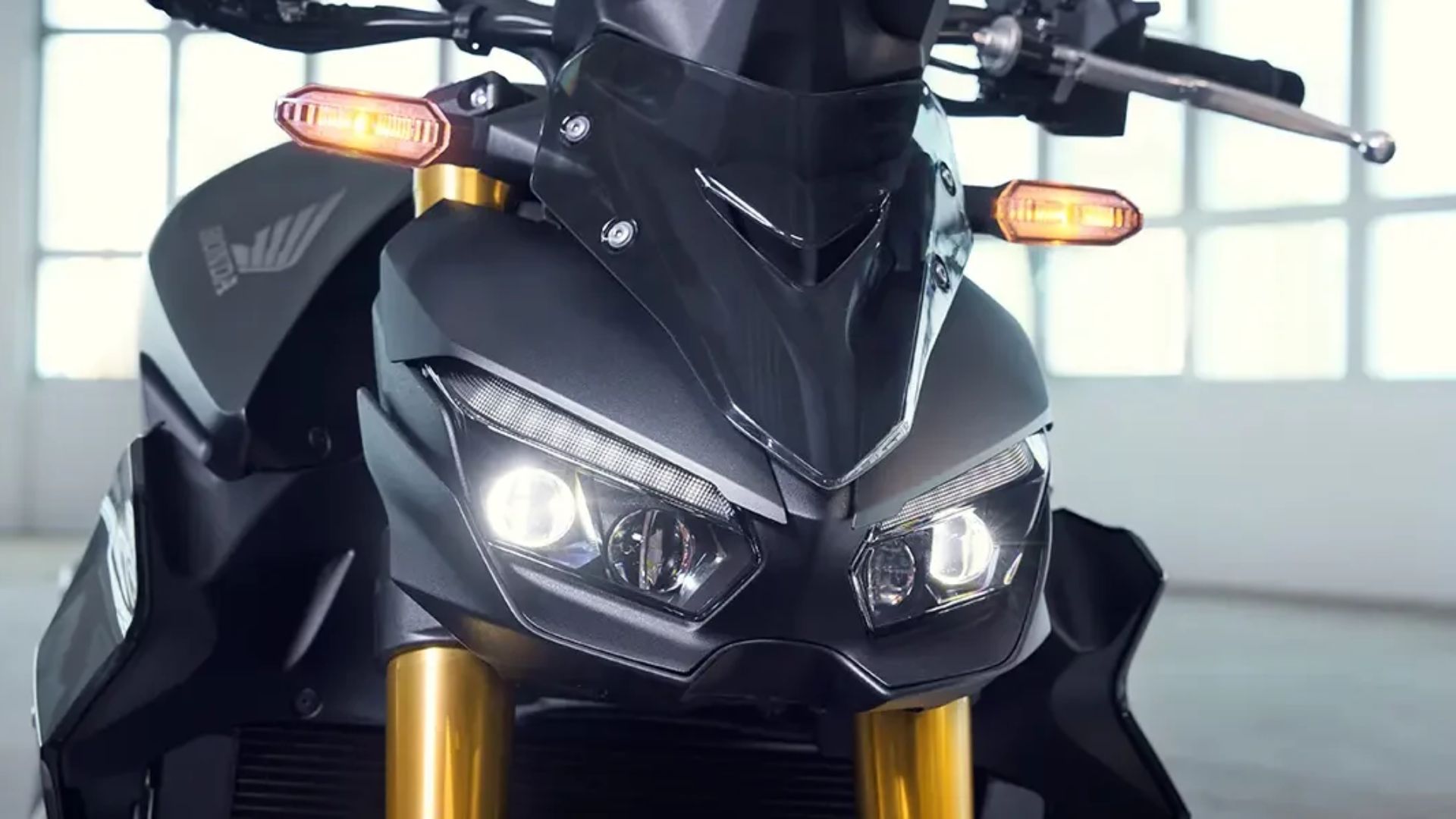
Arrival Of The New Hornet Generation Shakes Up The Brazilian Market With The Return Of The Four-Cylinder Engine, Aggressive Visuals, And Expectations About Performance And Identity Of The Line.
Honda confirmed the return of the name Hornet to the Brazilian market in three distinct displacements, and the great expectation lies with the arrival of the new CB1000 Hornet, scheduled for 2026.
The naked four-cylinder features an engine derived from the CBR1000RR Fireblade, power of around 152 hp, and about 10.5 kgf.m of torque in the European configuration, in addition to an angular visual with a tank inspired by a wasp’s wing, reviving the sporty spirit that made the old CB600F famous.
Hornet Family In Brazil
The return of the Hornet family began with the two-cylinder versions.
-
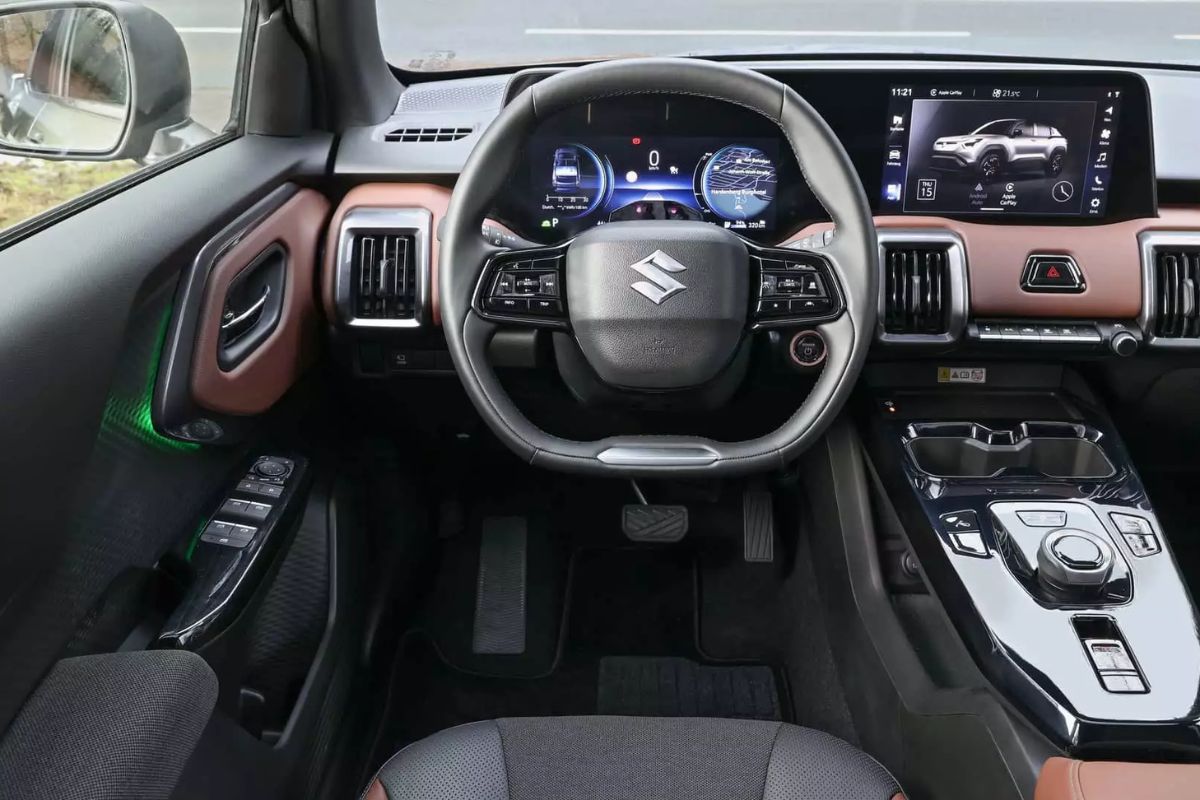
The 2026 electric Vitara arrives in Brazil and proves that Suzuki is not leaving: 4×4 traction, 184 hp, 61 kWh LFP battery, 293 km range, R$ 259,000, and a trunk capacity of 224 L.
-
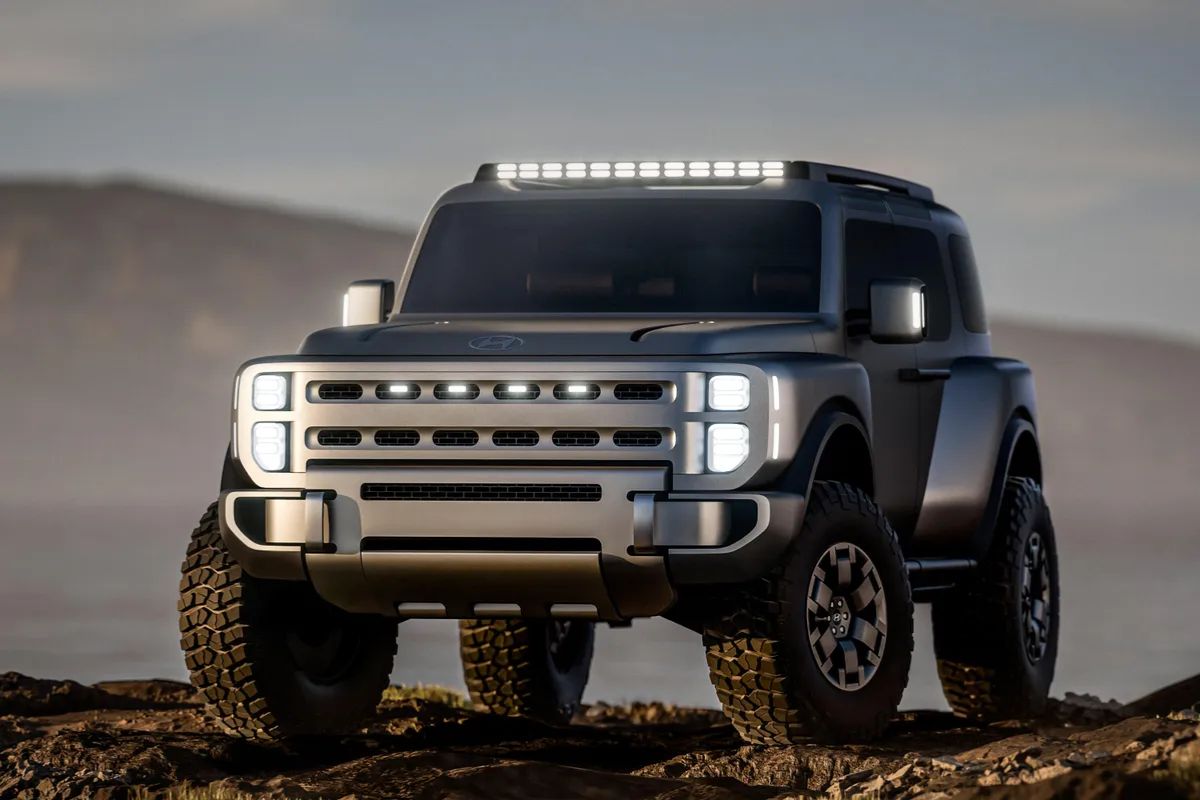
Hyundai has unveiled the Boulder, a square SUV with a body-on-frame design, 37-inch mud tires, and carriage-style doors that seems to be made to take on the Ford Bronco and the Scout Traveller in the United States.
-
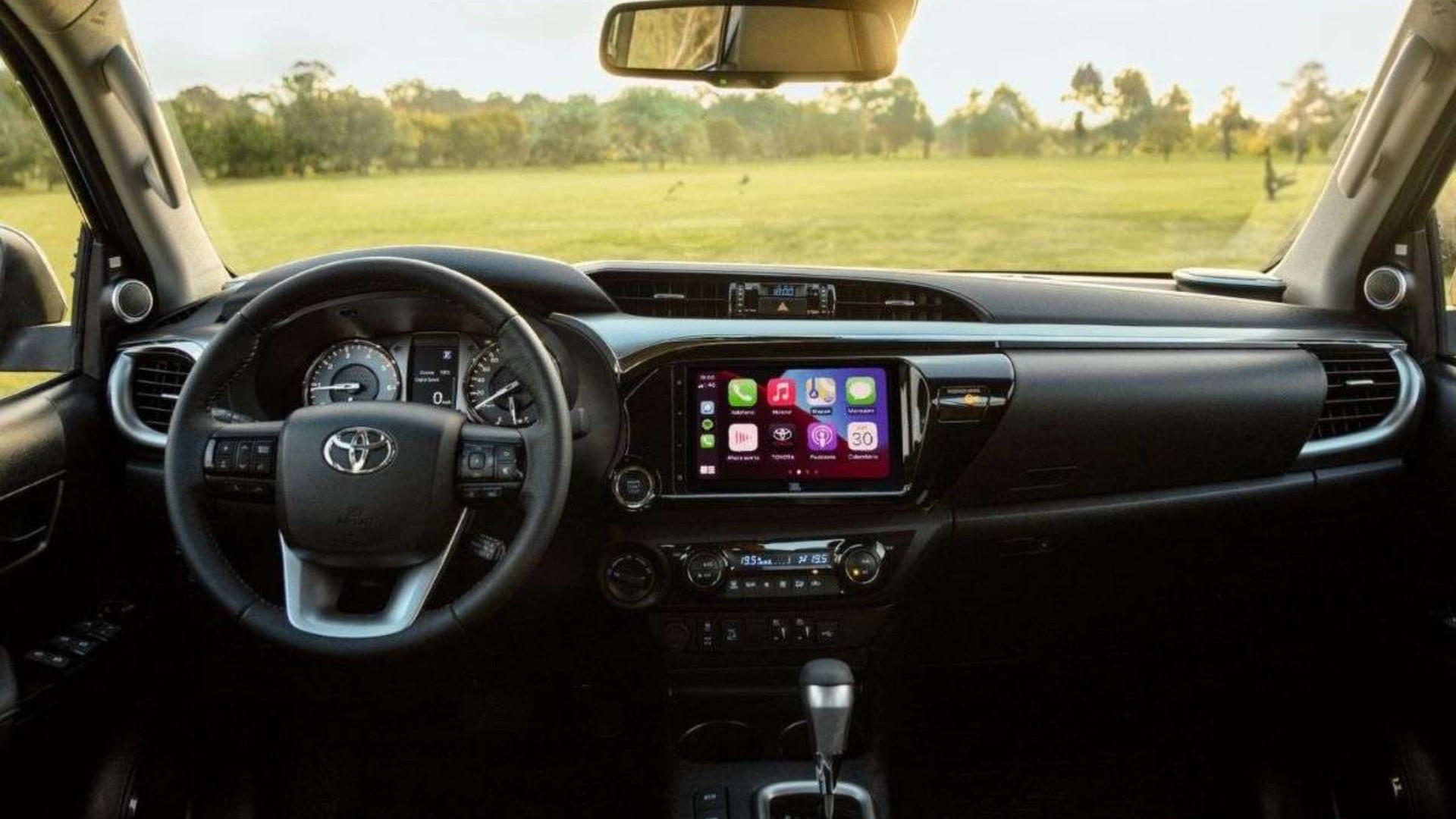
The Toyota Hilux is R$ 75.5 thousand cheaper and bets on the 2.8 turbodiesel engine with up to 204 hp and 50.9 kgfm to catch up with the VW Saveiro, which leads with 4,472 sales.
-
The new Renault Koleos has a screen exclusively for the passenger that is invisible to the driver, heated rear seats, and 29 assistance systems, but its Chinese competitors cost R$ 40,000 less and deliver more power.
The Hornet 500 was announced to take the space previously occupied by the CB 500F.
It positions itself as an intermediate option in the medium-displacement naked segment.
The model features a 471 cc parallel-twin engine, traction control, ABS brakes, and a modern visual aimed at urban and highway use.
Next, the CB750 Hornet became the new face of the line in the country.

Developed at Honda’s research and development center in Rome, the motorcycle was designed as a naked with global appeal.
The focus is on a minimalist design, user-friendly ergonomics, and updated electronics.
At the Interlagos Festival of 2025 in São Paulo, Honda confirmed that the family will be complete with the arrival of the CB1000 Hornet in 2026.
This consolidates the relaunch of the Hornet name in three performance tiers: 500, 750, and 1000 cc.
CB750 Hornet And The New Proposal Of The Line
The CB750 Hornet currently occupies the most visible space of the line in Brazilian dealerships.
The model adopts a 755 cc parallel-twin engine, focusing on torque delivery at medium revs and more user-friendly riding for everyday use.
The engine uses a Unicam system and eight valves and works in conjunction with a six-speed gearbox and a slip assist clutch.
In terms of design, the highlight is the fuel tank, whose shape was inspired by the wing of a wasp.
The short and aggressive front, with a full-LED headlight in a dual projector, combines with a slim tail.
The overall design reinforces the sporty naked proposal with well-defined lines.
The model is offered in Pearl White and Metallic Black, with a suggested retail price of R$ 53,694 in São Paulo, excluding shipping and insurance.

The onboard electronics include a 5-inch color TFT display, HSTC traction control, riding modes, ABS brakes, and an emergency brake signaling system (ESS).
These features bring the CB750 Hornet closer to more recent competitors and show that Honda’s focus is on a new generation of users.
Still, part of the audience associates the name Hornet with the inline four-cylinder engine that marked the CB600F Hornet.
The characteristic sound, the power delivery at high revs, and the bulkier engine remain symbols of that era.
The Arrival Of The CB1000 Hornet And The Return To The Four Cylinders
For this group of enthusiasts, the big news is the confirmation of the CB1000 Hornet as the top-of-the-line model.
The motorcycle was initially presented to the European public and uses a 1,000 cc inline four-cylinder engine derived from the CBR1000RR Fireblade.
The engine has been recalibrated for use in a street naked.
In the European specification, the engine develops approximately 152 hp at 11,000 rpm and about 10.5 kgf.m of torque at 9,000 rpm.
These numbers place the model above the CB750 Hornet in performance.

The same mechanical base equips versions like the CB1000 Hornet SP, with a more aggressive calibration in some markets.
The electronics follow the current standard of the brand’s large nakeds.
The package includes riding modes, HSTC traction control, slip assist clutch, dual disc ABS brakes in the front, and a 5-inch color TFT display.
In certain markets, there is also a quickshifter and customizable modes, but the configuration intended for Brazil has not been detailed.
Chassis Based On The CB1000R
Structurally, the CB1000 Hornet uses a frame designed to combine rigidity and agility.
This concept has already been applied in the CB1000R.
The suspension setup uses a 41 mm Showa SFF-BP inverted fork in the front.
At the rear, it uses a monoshock with multiple adjustments.

The proposal aims for greater stability at high speeds and quick responses in corners and braking.
The front brakes use radial calipers with large diameter discs.
At the rear, the system operates with a single disc, both assisted by ABS.
The alloy wheels and sport tires align the motorcycle with the high-performance naked segment.
Although the global specifications are already known, there has yet to be any official disclosure of power, torque, and other homologated numbers for Brazil.
These figures depend on emissions and noise adjustments.

Heritage Of The CB600F And Public Expectations
The simultaneous presence of Hornet 500, Hornet 750, and CB1000 Hornet creates a product ladder that meets distinct profiles.
The CB750 Hornet targets a broader audience interested in technology and cost of ownership.
The CB1000 Hornet, in turn, assumes the role of a flagship model, recovering some of the sporty appeal of the legendary CB600F Hornet.
It remains to be seen whether the combination of the Fireblade-derived engine, power exceeding 150 hp, about 10.5 kgf.m of torque, and aggressive visuals will be enough for the CB1000 Hornet to be seen as the successor that fans of the 600F expect.









-

-

-

-

-

20 pessoas reagiram a isso.