





 Portuguese
  English
  Spanish
  4 min of reading
  0 comments


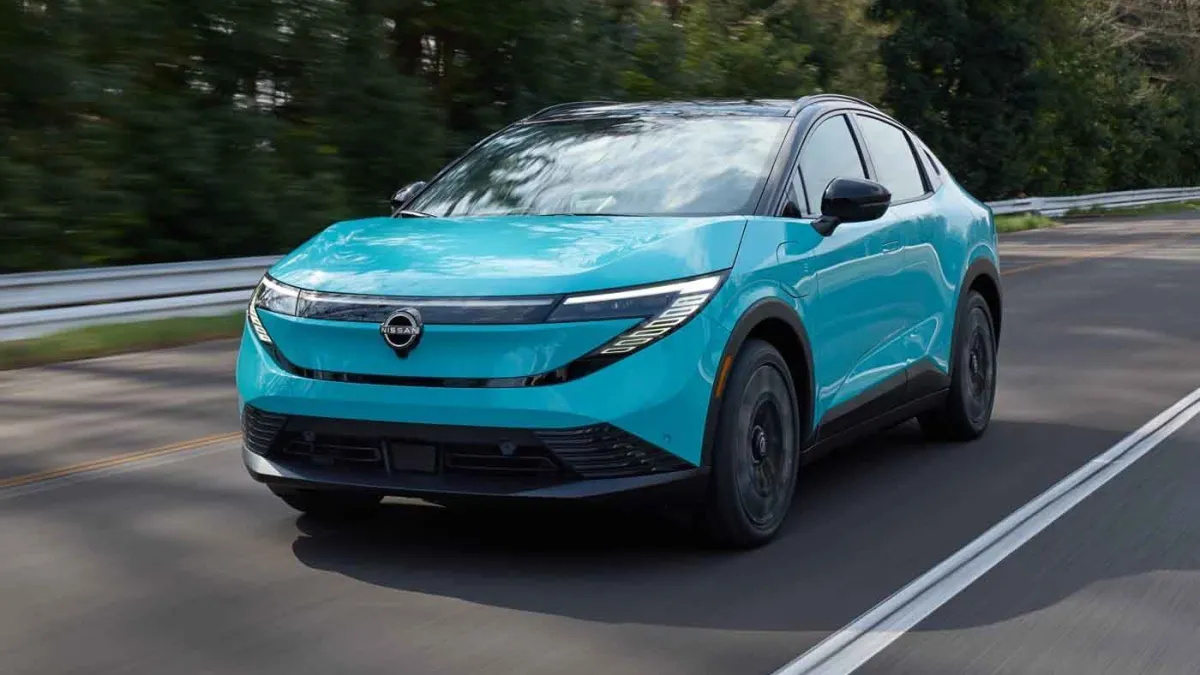
International Recognition Highlights A Renewed Electric Compact, Evaluated By A Global Jury Consisting Exclusively Of Women Journalists, In An Award That Considers Technical Criteria, Daily Use, Connectivity And Energy Efficiency In Different Markets.
The new Nissan LEAF, in its third generation, received the title of World’s Best Compact Car from the jury of the Women’s Worldwide Car of the Year, a category that recognizes the best compact car among the models evaluated by the international award.
The WWCOTY is composed exclusively of women journalists specialized in the automotive sector, with representatives from various countries.
The selection takes into account technical criteria and everyday use, such as safety, build quality, price, design, ease of driving, consumer benefits, and environmental impact.
-
Less than a Tera TSI, up to 710 km of range and charging in 9 minutes: the new BYD Song Ultra expands the Chinese brand’s bet on increasingly faster, more technological, and competitively priced electric SUVs.

-
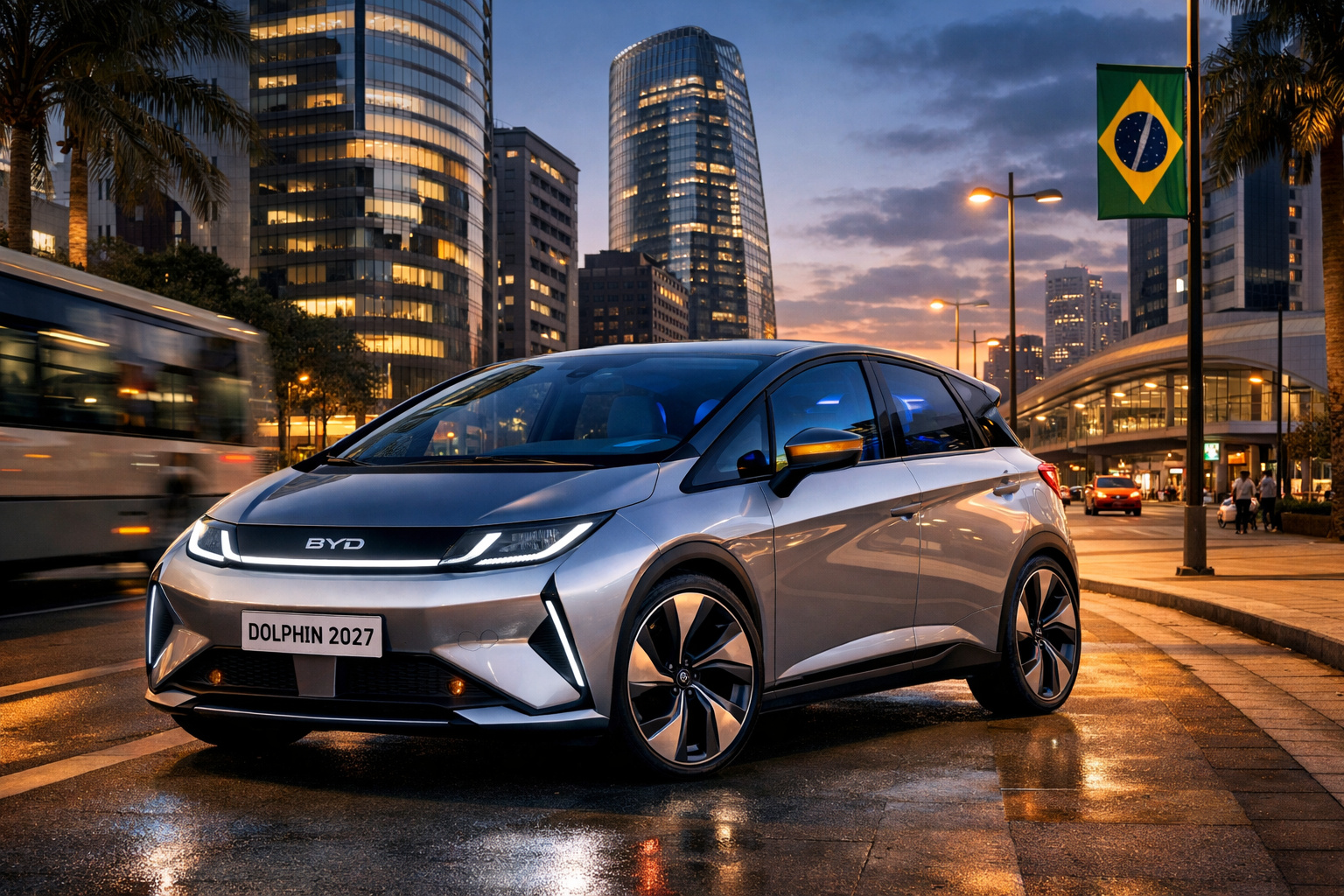
BYD Dolphin 2027 gains more power, increases in size, changes interior, and abandons controversial feature to face new competition in Brazil.
-
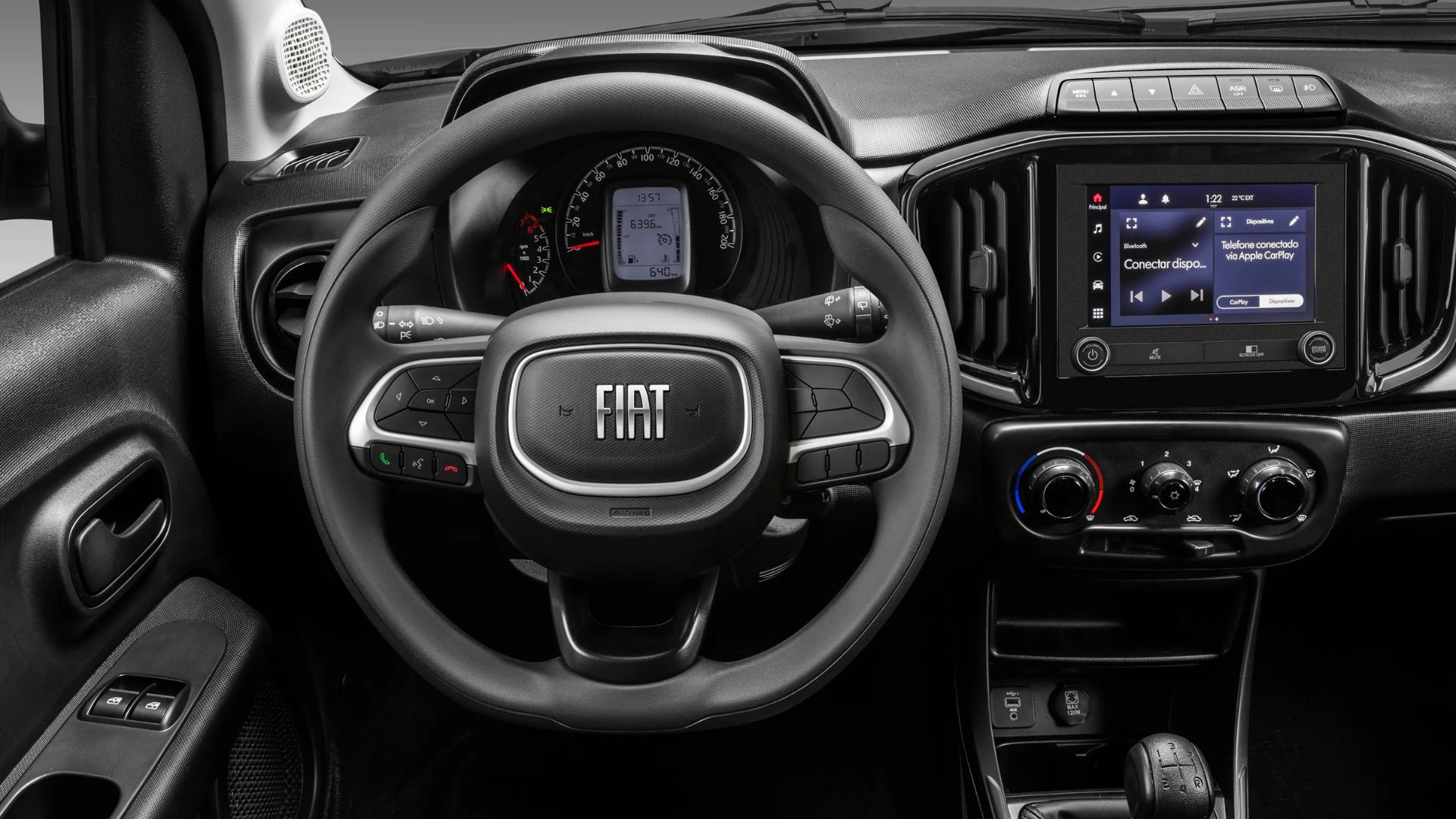
With a 1.0 engine producing 75 hp and costing less than R$ 70,000, Fiat’s car returns to the podium as the cheapest in the country; a temporary promotion for the 2026 Like version reduces the price of the Fiat Mobi.
-
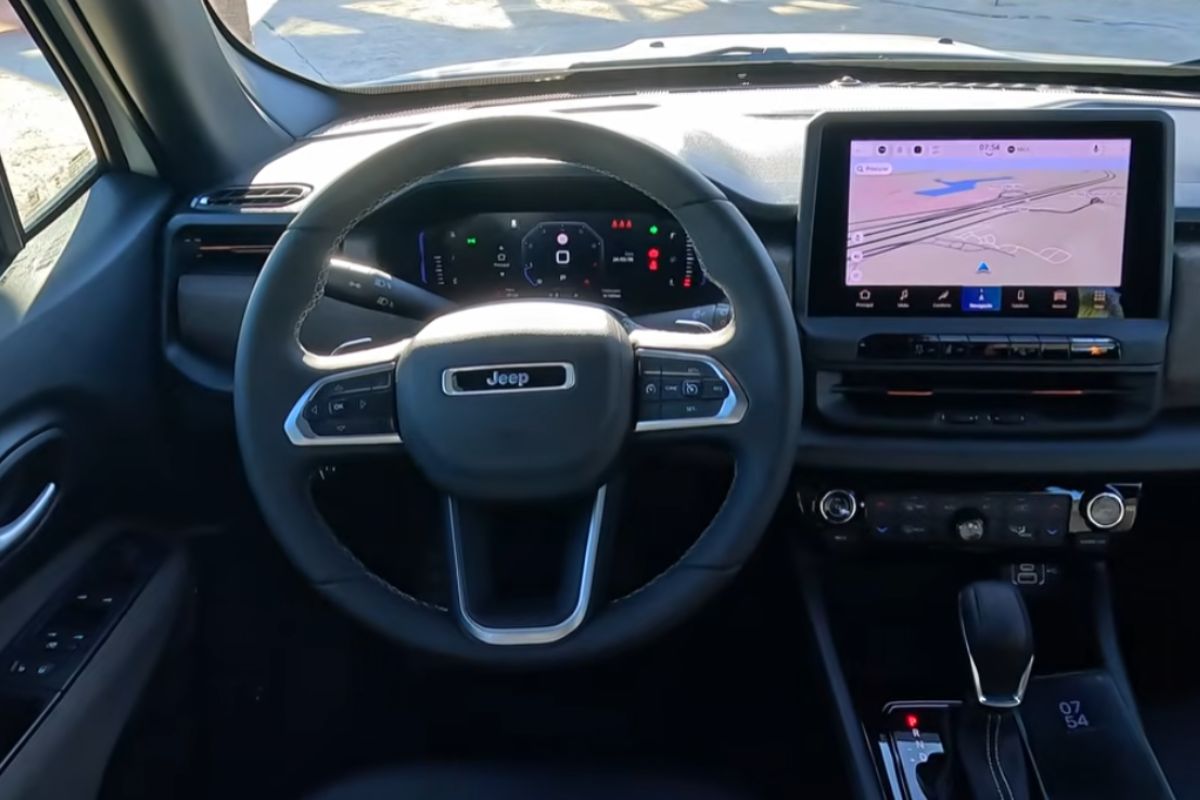
With a mild hybrid system of 48 V, 176 hp and a price of R$ 175,990 in the Sahara version, the new Jeep Renegade changes mostly on the inside, improves slightly in fuel consumption, and remains almost the same car.
According to the organization, the award does not aim to define a vehicle directed toward a specific gender.
The declared objective is to evaluate cars based on parameters considered relevant for any driver.
International Evaluation Highlights The Design Of The New Nissan LEAF

In the jury’s evaluation, the new LEAF stood out for its design package, embedded technologies, and energy efficiency presented in this generation.
The model was globally unveiled in 2025.
The commercialization began gradually in markets in Asia, Europe, and the United States.
This schedule follows the strategy defined by Nissan for each region.
The electric hatchback underwent a complete overhaul.
The exterior design was updated with a focus on aerodynamic efficiency, according to information from the automaker.
Inside, the model received a more connected proposal.
This approach aligns with the trend of vehicle digitalization observed in the automotive sector.
These points often appear in official Nissan materials and technical analyses released in markets where the car is already available.
Performance, Power And Battery Options
According to information disclosed by Nissan itself, the new LEAF features 52 kWh and 75 kWh battery options.
Depending on the version, the power can reach up to 218 hp.
This number positions the model among the more powerful electric compacts in some markets.
The declared range varies according to the homologation cycle used and the chosen configuration.
In materials aimed at the European market, Nissan mentions figures that can reach 604 km, associated with the higher capacity battery.
In information regarding the version sold in the United States, lower estimates appear.
The figures released for this market vary approximately between 416 km and 487 km.
The difference is attributed to the distinct measurement methods adopted in each region.
Factors such as equipment, vehicle calibration, and tire type also influence the results.
Industry experts often highlight that direct range comparisons between markets must consider these variables.
Connectivity And Google Built-In System In The Car
Another point emphasized by Nissan in this generation of the LEAF is the integration with Google built-in.
The system includes features such as Google Maps, access to the Play Store for downloading apps directly in the vehicle, and Google Assistant.
The assistant allows the use of voice commands for navigation, media control, and comfort functions.
According to the automaker, the goal is to enhance connectivity.
The proposal also aims to reduce the need for manual interaction while driving.
The package provides for remote software updates, depending on the market and version.
This feature allows for bug fixes or additional functionalities without the need to visit a dealership.
Women’s Worldwide Car Of The Year And The Jury Profile
The Women’s Worldwide Car of the Year was founded in 2009 by New Zealand journalist Sandy Myhre.
The award presents itself as the only international automotive panel composed entirely of women journalists.
The professionals work across different continents.
According to data released by the organization, the current jury consists of 84 journalists from 54 countries.
The evaluations are carried out by category.
The winning vehicles stand out within their respective segments.
In some years, the entity also promotes additional recognitions among the finalists.
Declaration From Nissan After The Announcement Of The Award
In a statement released after the announcement, Nissan’s president and CEO, Ivan Espinosa, commented on the recognition received by the model.
“This recognition reinforces our commitment to making electric vehicles accessible and desirable for all drivers.”
The statement was reproduced in the material released about the award.
Espinosa officially assumed the presidency and CEO position at Nissan on April 1, 2025.
This information is included in institutional communications from the company itself.
The manufacturer has been using the LEAF as one of its main models in the electrification process.
This occurs especially in markets where the car already has a sales history.
With the expansion of range, the incorporation of new connectivity features, and increasing competition among electric compacts, the international recognition opens space for a relevant discussion about the model’s positioning in the global market.







Seja o primeiro a reagir!